
Lily Turf
IOverview
Overview
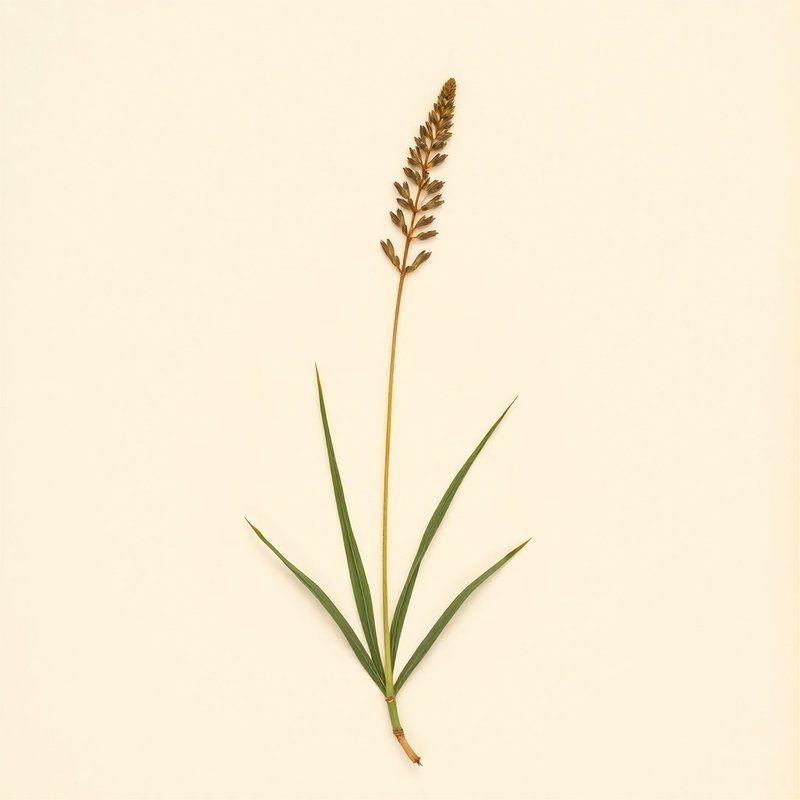
Lily Turf (Liriope spicata) is a perennial herb belonging to the Liliaceae family and is native to regions including Cambodia, China, Japan, Korea, Taiwan, and Vietnam. This plant thrives in well-draining soil with a pH between 5 and 7, making it adaptable to various environments within its native range. Lily Turf grows to a height of about 0.3 meters and features a distinctive habit that sets it apart from other plants in the area. Its light requirements are moderate, and it can tolerate a wide range of soil types, including light (sandy) or medium textures. The plant is known for its ornamental value as well as its edible roots. The root of Lily Turf is typically used raw or cooked, often added to soups or stir-fries. It thrives in dry to moist conditions and can be propagated through division in spring or fall to ensure healthy root growth. Introduced into Alabama, Illinois, and Maryland, this plant has shown adaptability beyond its native regions. Lily Turf's distinctive purple flowers and green foliage make it a popular choice for ground cover, adding both beauty and functionality to gardens. While the plant is not medicinal, its edible roots offer culinary versatility, making it a valuable addition to various dishes.
What is Lily Turf?
Lily Turf (Liriope spicata) is a perennial herb belonging to the Liliaceae family and is native to regions including Cambodia, China, Japan, Korea, Taiwan, and Vietnam. This plant thrives in well-draining soil with a pH between 5 and 7, making it adaptable to various environments within its native range.
VCultivation
Cultivation
How to grow Lily Turf for the first time
Start with Lily Turf to add a low-maintenance, attractive feature to your garden.
- 1
What you'll need
Lily Turf plants or seeds, a trowel, and mulch.
- 2
Best time to plant
Plant in spring after the last frost or fall before the first freeze.
- 3
Soil and container prep
Choose a well-draining soil with a pH between 5 and 7. Ensure containers have drainage holes.
- 4
Sowing or transplanting
Transplant young plants from your garden center, spacing them about 10-20 cm apart. For seeds, sow in early spring at a depth of 1-2 cm.
- 5
First two weeks
Keep the soil moist but not waterlogged during establishment. Avoid direct sunlight for the first few days.
- 6
Ongoing care
Water regularly, especially during dry spells, and mulch to retain moisture. Fertilize lightly in spring.
- 7
Harvest or pruning
Prune dead leaves and spent flowers to maintain a tidy appearance. Divide plants every 3-4 years for better growth.
- 8
Common mistakes
Overwatering, planting too deep, not providing enough sunlight, neglecting division, using harsh fertilizers.
VIEdible & utility
Edible & utility
VIIDistribution
10 native · 3 introduced
Distribution
10 native · 3 introducedIXSpecimen gallery
1 image
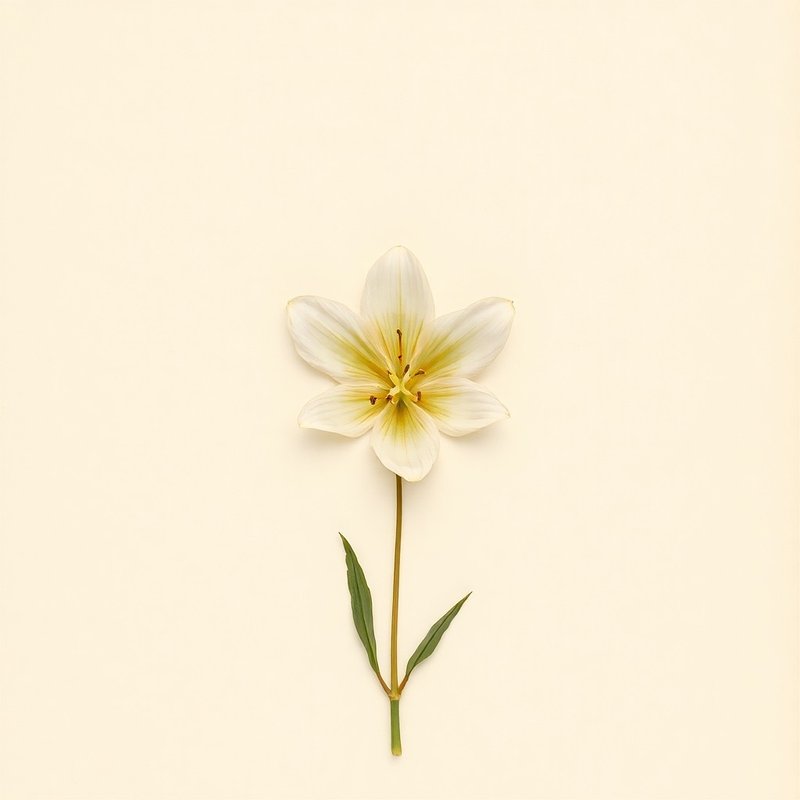
Specimen gallery
1 imageXSee also
8 related
See also
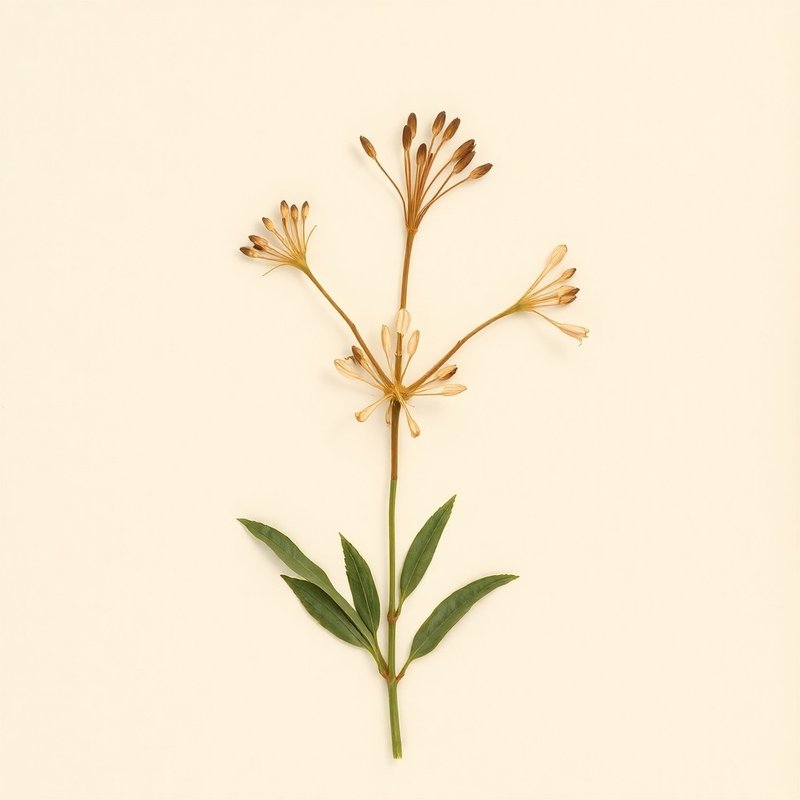
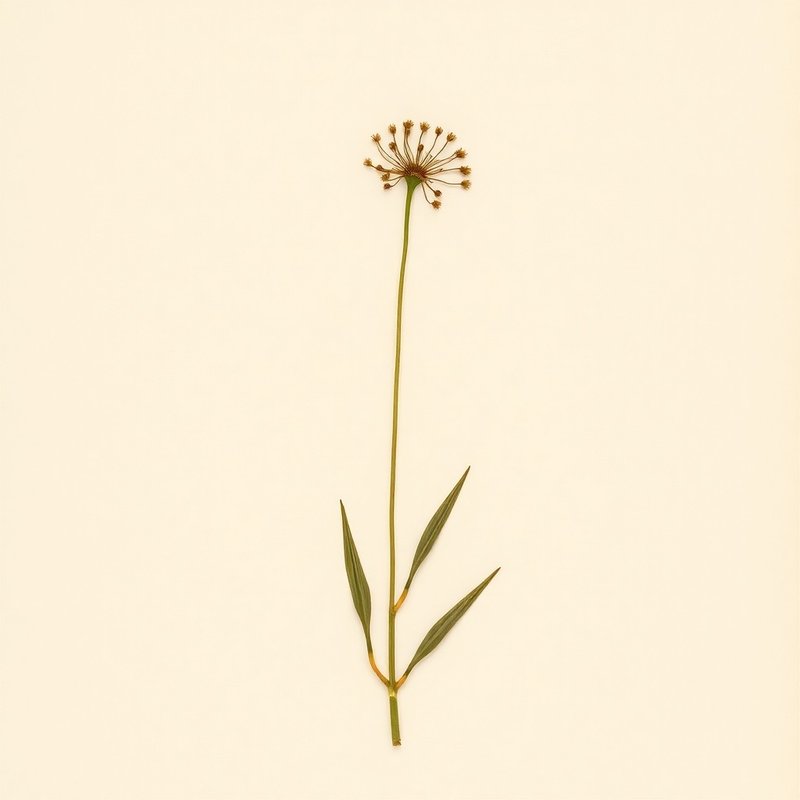
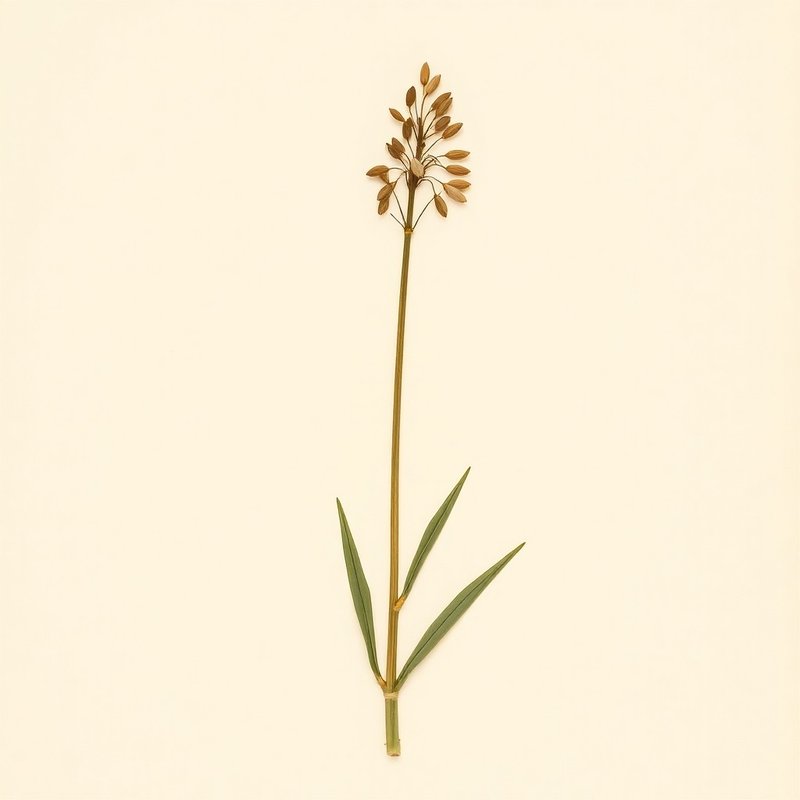
8 relatedPlants you might compare or use together — scored by shared family (Liliaceae), common use cases, and growing requirements.
Explore further
About this entry
- Last updated
- Citation
- How to cite this entry · Submit a correction
Continue reading
Get archive updates
Occasional email when substantial new content lands — plant profiles, seasonal growing notes, folk-remedy additions. Free, no tracking, unsubscribe anytime.