
Fig
Ficus caricafam. Moraceae
Educational content — not medical, botanical, or professional advice. Plant identification, safety, and edibility depend on local conditions, cultivars, and correct identification. Consult a qualified botanist or forager before consuming or handling wild specimens. How we source & review →
Garden journal pausedUse profile notes below
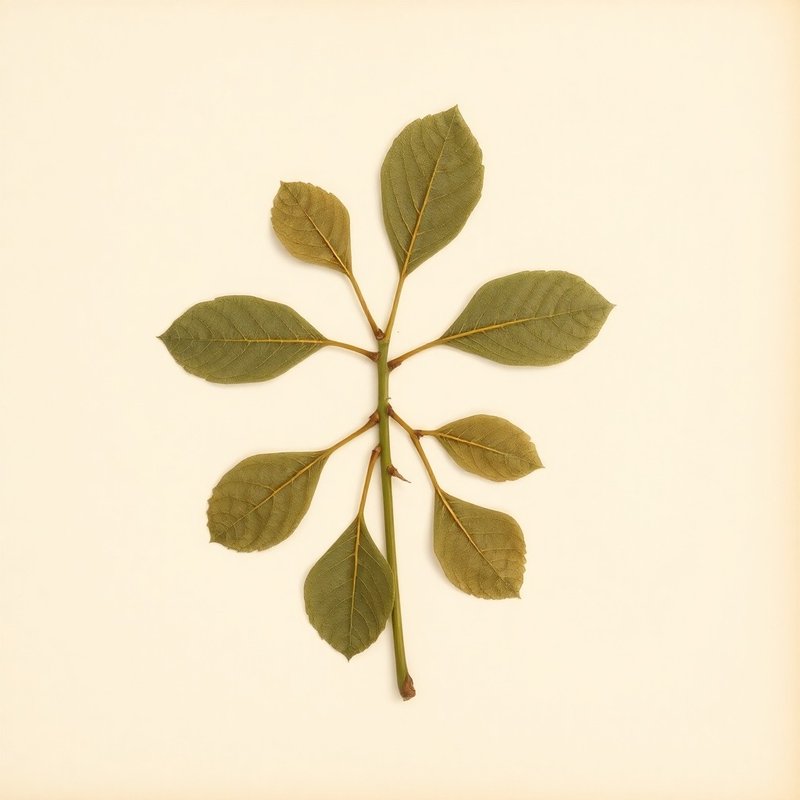
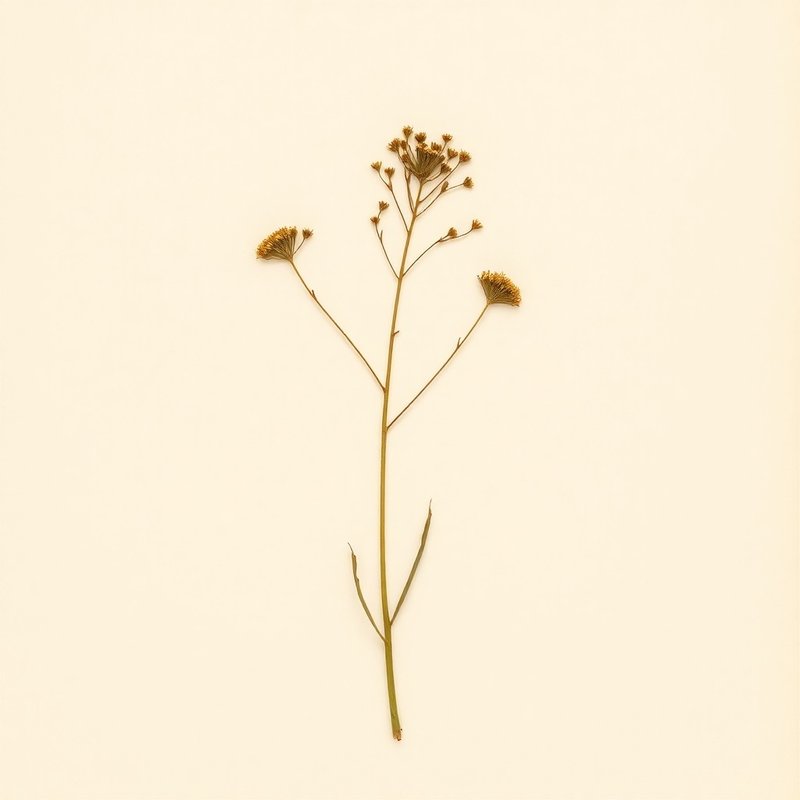
Pl. B37D — Ficus carica
Ficus caricaFicus caricaFicus caricaFicus caricaFicus caricaFicus caricaFicus caricaFicus caricaFicus caricaFicus caricaFicus caricaFicus caricaFicus caricaFicus carica
IOverview
Overview
The Fig (Ficus carica) is a perennial tree native to regions such as Afghanistan, Cyprus, Greece, Iran, Iraq, and Lebanon-Syria. This versatile plant thrives in full sun and adapts well to various soil types, including light sandy, medium, and heavy clay soils. It can be found in hardiness zones 6-12, making it suitable for temperate climates. Fig trees are both ornamental and edible, with the fruit widely recognized as a delicious treat. The tree can grow up to 6 meters tall, adding a striking presence to gardens or landscapes. One of the distinctive features of the fig is its ability to tolerate dry conditions while also thriving in moist environments, showcasing its adaptability. Figs are commonly cultivated for their fruit and can be propagated through their edible fruit, which produces sap that serves as a curdling agent. While not typically used medicinally, figs have been introduced into numerous regions including Alabama, Algeria, Austria, Bangladesh, and many others, making them a globally recognized plant. In cultivation, fig trees require full sun and should be spaced about 12 meters apart to ensure proper growth and development. Their ability to grow in diverse environments makes them an attractive choice for gardeners looking to add both ornamental value and edible fruit to their landscapes.
Quick answers
What is Fig?
The Fig (Ficus carica) is a perennial tree native to regions such as Afghanistan, Cyprus, Greece, Iran, Iraq, and Lebanon-Syria. This versatile plant thrives in full sun and adapts well to various soil types, including light sandy, medium, and heavy clay soils.
Growingconditions · propagation · uses
VCultivation
Cultivation
To cultivate a fig plant, provide it with full sun and choose a soil type that suits the plant's preference for light sandy, medium, or heavy clay conditions. The plant requires dry to moist watering conditions. Figs are hardy in temperate regions, tolerating temperatures between 6-12 degrees. Plant spacing should be around 12 meters apart. Propagate figs through their edible fruit, as they produce sap that is not typically used for propagation.
Light
Full sun
Water
Dry, Moist
Soil
Light (sandy), Medium, Heavy (clay)
Hardiness
6-12
Life cycle
Perennial
Mature size
6.0 m tall
- Spacing
- 12m
For first-time growers
How to grow Fig for the first time
7steps
Start with a simple fig tree to enjoy its fruit and learn about care.
- 1
What you'll need
A young fig tree, garden gloves, and a trowel.
- 2
Best time to plant
Plant in spring after the last frost or in fall before the first freeze.
- 3
Soil and container prep
Choose well-draining soil with a pH between 6.0 and 7.5 for outdoor planting; use a large pot with drainage holes for containers.
- 4
Sowing or transplanting
Transplant young fig trees from nursery pots to your garden or container, ensuring the root ball is intact.
- 5
First two weeks
Water regularly and keep the soil moist but not waterlogged. Monitor for pests and diseases.
- 6
Ongoing care
Provide full sun exposure, regular watering during dry periods, and prune in late winter to maintain shape and size.
- 7
Harvest or pruning
Prune figs after harvest to encourage new growth; wait until spring for major shaping.
VIEdible & utility
Edible & utility
Edible parts:FruitSap
Edible uses: Curdling agent
Other uses:Espalier
Contextrange · companions · related
VIIDistribution
23 native · 91 introduced
Distribution
23 native · 91 introducedDistribution across4 continents· 23 native· 91 introduced
Europe23 regions
native (7)AlbaniaBulgariaCyprusFranceGreeceItalyRussia
introduced (16)AlbaniaAustriaBulgariaDenmarkFranceGermanyHungaryItalyPortugalRomaniaRussiaSpainSwedenSwitzerlandUkraineUnited Kingdom
Asia17 regions
native (7)AfghanistanIranIraqPakistanPalestineTurkeyTurkmenistan
introduced (10)BangladeshChinaIndiaOmanPakistanSaudi ArabiaSouth KoreaTurkmenistanUzbekistanYemen
Americas3 regions
introduced (3)EcuadorEl SalvadorPeru
Africa12 regions
introduced (12)AlgeriaCabo VerdeChadEgyptEritreaLibyaMauritiusMoroccoNigerSomaliaTunisiaWestern Sahara
Broader regions
native:East Aegean Is., Kriti, Lebanon-Syria, Tadzhikistan, Transcaucasus, Turkey-in-Europe, West Himalaya, Yugoslavia
introduced:Alabama, Andaman Is., Arkansas, Bermuda, California, Caroline Is., Czechoslovakia, East Aegean Is., Easter Is., Florida, Gilbert Is., Gulf of Guinea Is., Gulf States, Juan Fernández Is., Line Is., Marianas, Marshall Is., Maryland, Massachusetts, Mexico Central, Mexico Southwest, New Mexico, New York, New Zealand North, New Zealand South, Nicobar Is., Norfolk Is., North Carolina, Réunion, Sinai, South Australia, South Carolina, Tadzhikistan, Tokelau-Manihiki, Transcaucasus, Tristan da Cunha, Turkey-in-Europe, Wake I., Yugoslavia
VIIIGarden companions
1 pair
Garden companions
1 pairPlant near these
These plants help — by repelling pests, fixing nitrogen, attracting pollinators, or sharing space well.
IXSpecimen gallery
1 image
Specimen gallery
1 imageXSee also
8 related
See also
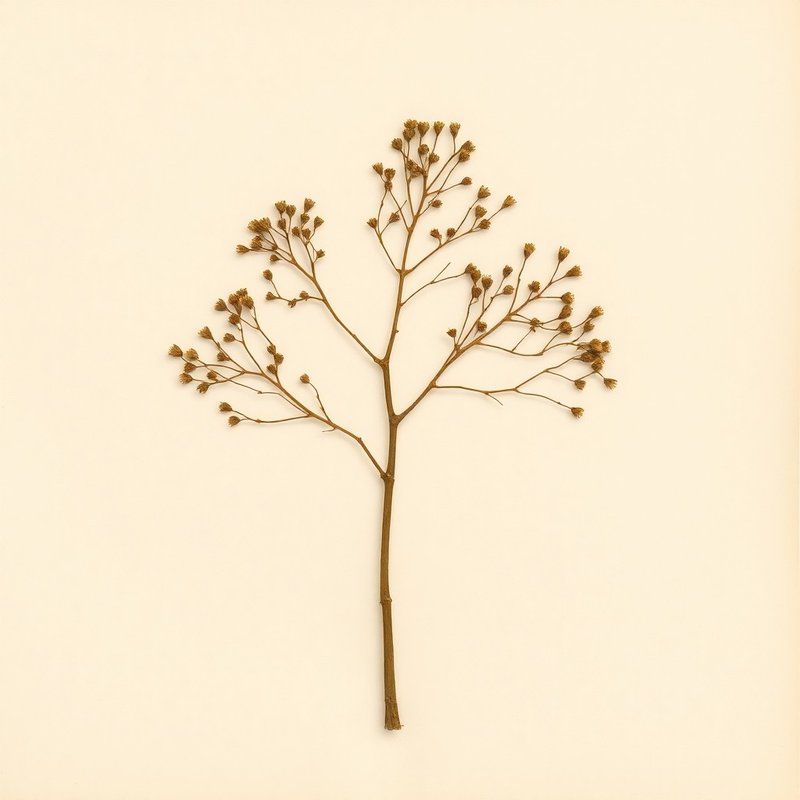
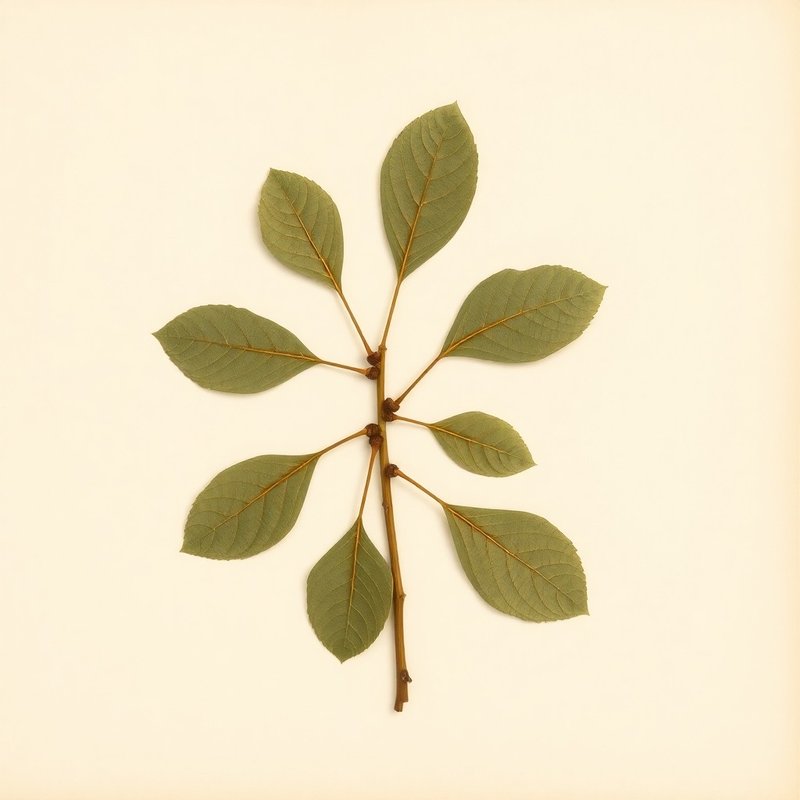
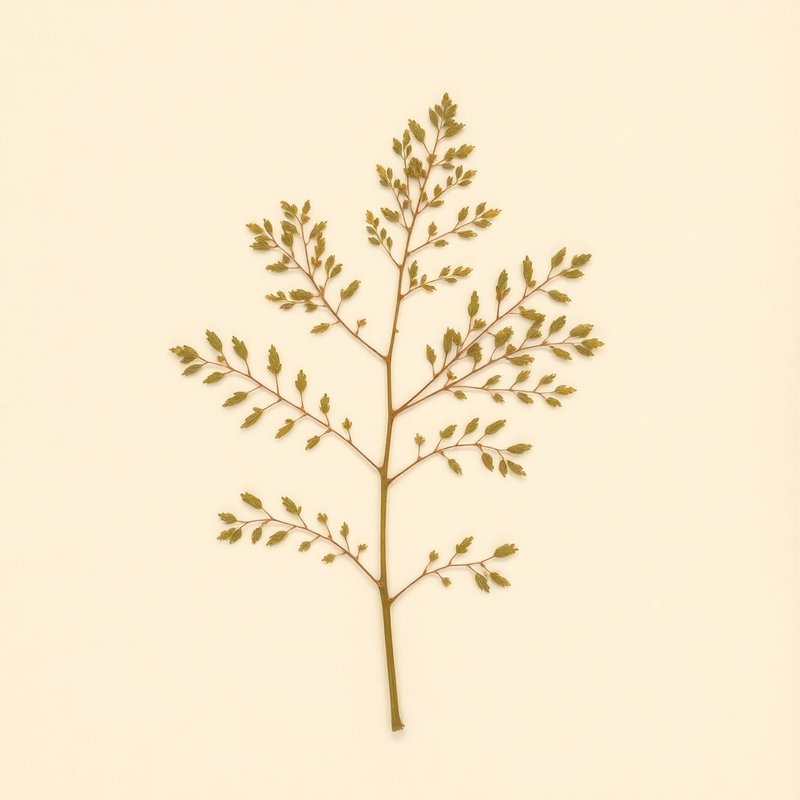
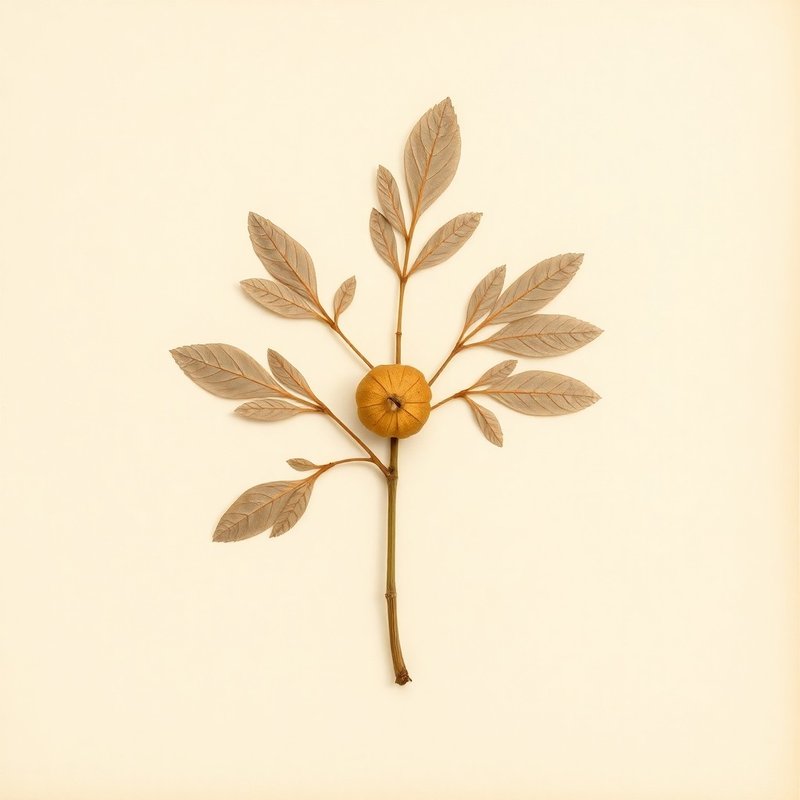
8 relatedPlants you might compare or use together — scored by shared family (Moraceae), common use cases, and growing requirements.
same family · Moraceae
Botanical relatives — often share phytochemistry + growing needs.
XI
Explore further
Companion planting
Compare with similar plants
Growing zone
Native to
XII
About this entry
- Last updated
- Citation
- How to cite this entry · Submit a correction
Back to the cataloguePlant id · b37d36cf-cebc-4b70-b800-4c36c87226e0
Decision aid
Choosing between Fig and something else?
Continue reading
❦❦❦❦
Endpaper · archive updates
Get archive updates
Occasional email when substantial new content lands — plant profiles, seasonal growing notes, folk-remedy additions. Free, no tracking, unsubscribe anytime.
Newsletter returning soon.
We are rebuilding the update list around a lightweight editorial workflow. New dispatches will resume after the next content review cycle.