
Triticum sovieticum
Triticum sovieticumfam. Poaceae
Educational content — not medical, botanical, or professional advice. Plant identification, safety, and edibility depend on local conditions, cultivars, and correct identification. Consult a qualified botanist or forager before consuming or handling wild specimens. How we source & review →
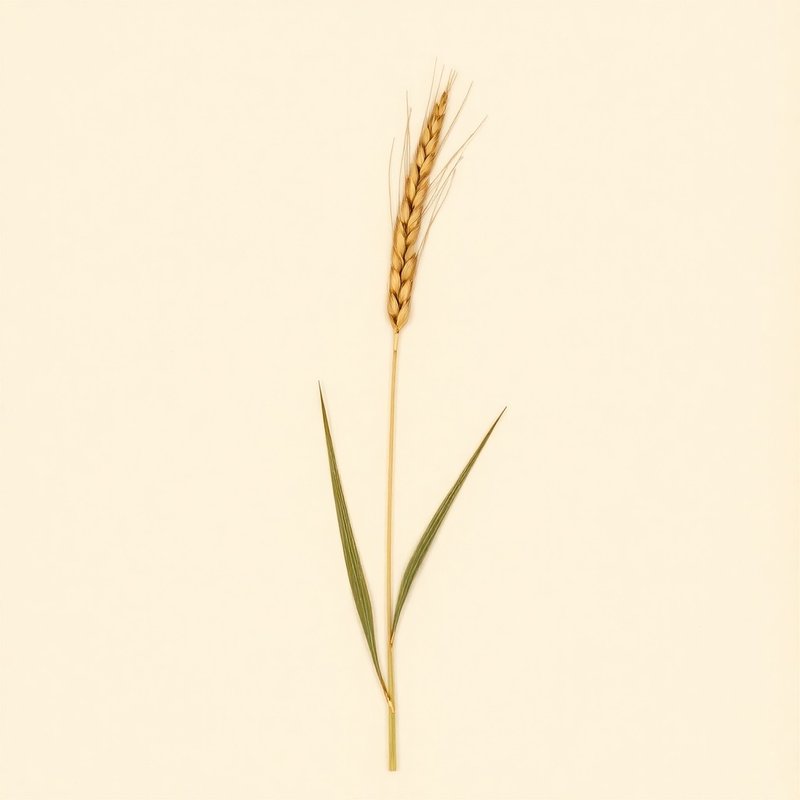
Pl. 9EDC — Triticum sovieticum
Triticum sovieticumTriticum sovieticumTriticum sovieticumTriticum sovieticumTriticum sovieticumTriticum sovieticumTriticum sovieticumTriticum sovieticumTriticum sovieticumTriticum sovieticumTriticum sovieticumTriticum sovieticumTriticum sovieticumTriticum sovieticum
IOverview
Overview
Triticum sovieticum, commonly known as wild wheat or Soviet wheat, is an annual graminoid native to regions spanning from India and Iran to Lebanon-Syria, Pakistan, Palestine, Transcaucasus, Turkey, and the West Himalaya. This plant is notable for its edible seed, which can be harvested for consumption. It thrives in a variety of soil types including light (sandy), medium, and heavy (clay) soils with a pH range of 5.5 to 8. One distinctive feature of Triticum sovieticum is its moisture preference; it grows best in moist conditions, making it adaptable to environments where water availability fluctuates.
Quick answers
What is Triticum sovieticum?
Triticum sovieticum, commonly known as wild wheat or Soviet wheat, is an annual graminoid native to regions spanning from India and Iran to Lebanon-Syria, Pakistan, Palestine, Transcaucasus, Turkey, and the West Himalaya. This plant is notable for its edible seed, which can be harvested for consumption.
Growingconditions · propagation · uses
VCultivation
Cultivation
Triticum sovieticum thrives in light to medium and heavy soils, preferring a pH between 5.5 and 8. It requires moist conditions but is adaptable to various soil types. This annual grass needs full sun to partial shade for optimal growth. Water regularly to maintain moisture levels. Harvest the edible seed when ripe. Propagation can be done through seeds sown in spring or fall, depending on your climate. The plant is hardy in temperate regions and is native to several countries across Asia and the Middle East.
Light
9/10
Water
Moist
Soil
Light (sandy), Medium, Heavy (clay)
Life cycle
Annual
Habit
Graminoid
Soil pH
5.5–8
For first-time growers
How to grow Triticum sovieticum for the first time
7steps
Start with Skip as a simple annual crop for beginners, focusing on basic soil preparation and care.
- 1
What you'll need
A packet of Skip seeds, a small garden plot or container, and some basic gardening tools like a rake and trowel.
- 2
Best time to plant
Plant Skip in early spring when the soil is workable and temperatures are mild, typically around 45-60°F (7-15°C).
- 3
Soil and container prep
Prepare a well-draining soil with a pH between 5.5 and 8. Mix in some organic matter to improve fertility and structure.
- 4
Sowing or transplanting
Direct sow seeds about 0.2 inches deep, spacing them about 6-12 inches apart. Alternatively, start seeds indoors and transplant when they have two true leaves.
- 5
First two weeks
Keep the soil consistently moist during germination. Thin seedlings to ensure proper spacing once they emerge.
- 6
Ongoing care
Water regularly but avoid overwatering, especially in heavy clay soils. Fertilize lightly with compost or well-rotted manure if needed.
- 7
Harvest or pruning
Allow Skip to mature and dry on the plant before harvesting for seed. Prune any dead or yellowing leaves to maintain plant health.
VIEdible & utility
Edible & utility
Edible parts:Seed
Edible uses: The seed of Triticum sovieticum is edible and can be consumed raw or cooked. It is often ground into flour for baking or added to dishes as a grain substitute. The plant's seeds are also used in soups and stews, providing a nutritious addition due to their light and moist nature.
Other uses:BiomassMulchtextilesStarch
Contextrange · companions · related
VIIDistribution
8 native · 22 introduced
Distribution
8 native · 22 introducedDistribution across4 continents· 8 native· 22 introduced
Europe6 regions
introduced (6)AlbaniaAustriaBelarusBelgiumBulgariaSpain
Asia8 regions
native (5)IndiaIranPakistanPalestineTurkey
introduced (3)AfghanistanBangladeshIndia
Americas1 region
introduced (1)United States
Africa1 region
introduced (1)Algeria
Broader regions
native:West Himalaya, Lebanon-Syria, Transcaucasus
introduced:Alberta, Brazil Southeast, British Columbia, Amur, Arkansas, Arizona, Brazil South, Antipodean Is., Brazil West-Central, Alabama, California
IXSpecimen gallery
1 image
Specimen gallery
1 imageXSee also
8 related
See also
8 relatedPlants you might compare or use together — scored by shared family (Poaceae), common use cases, and growing requirements.
same family · Poaceae
Botanical relatives — often share phytochemistry + growing needs.

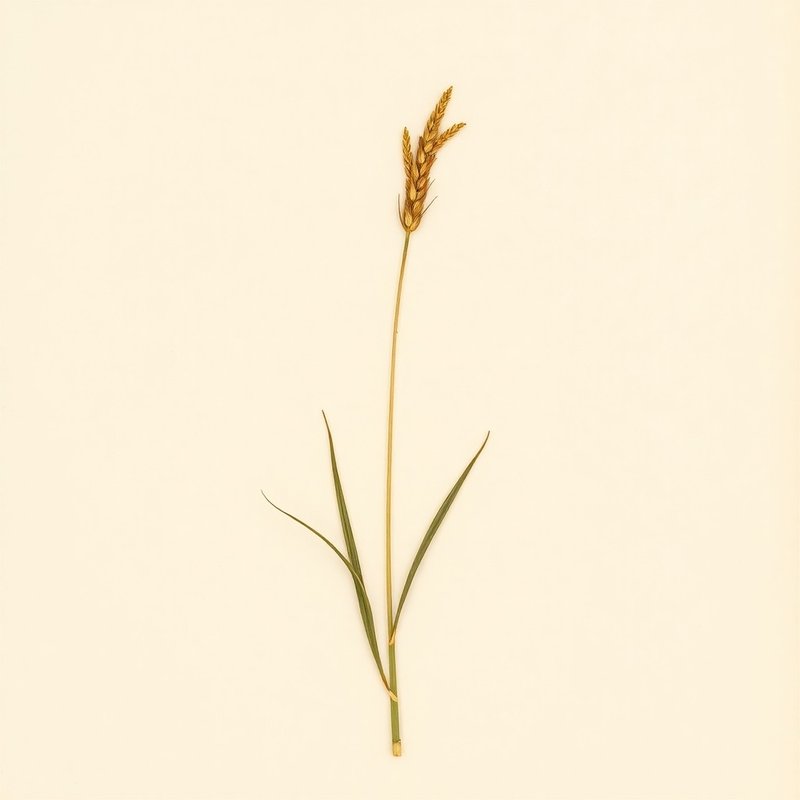
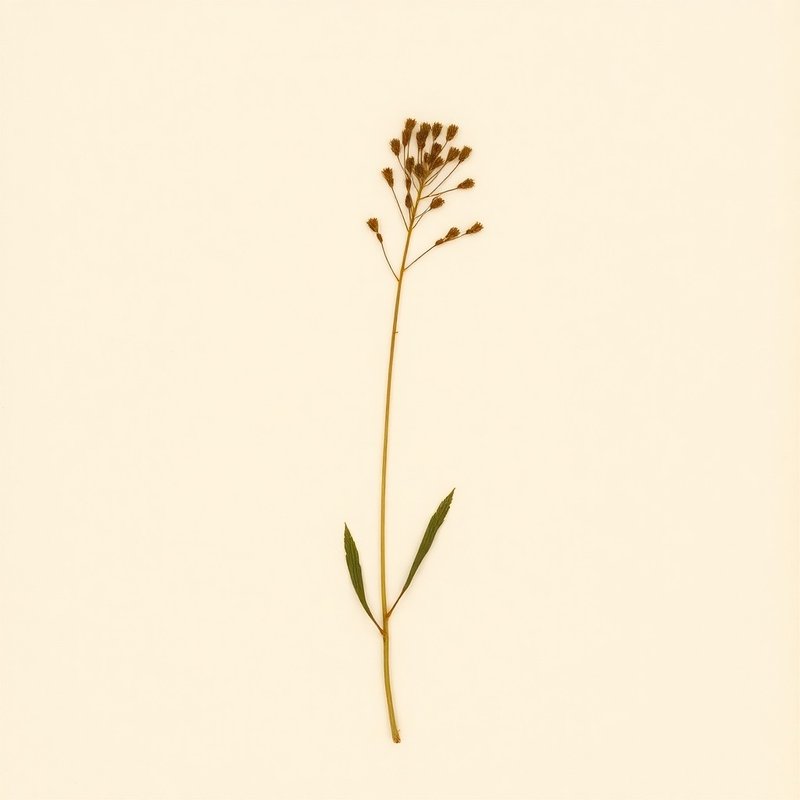
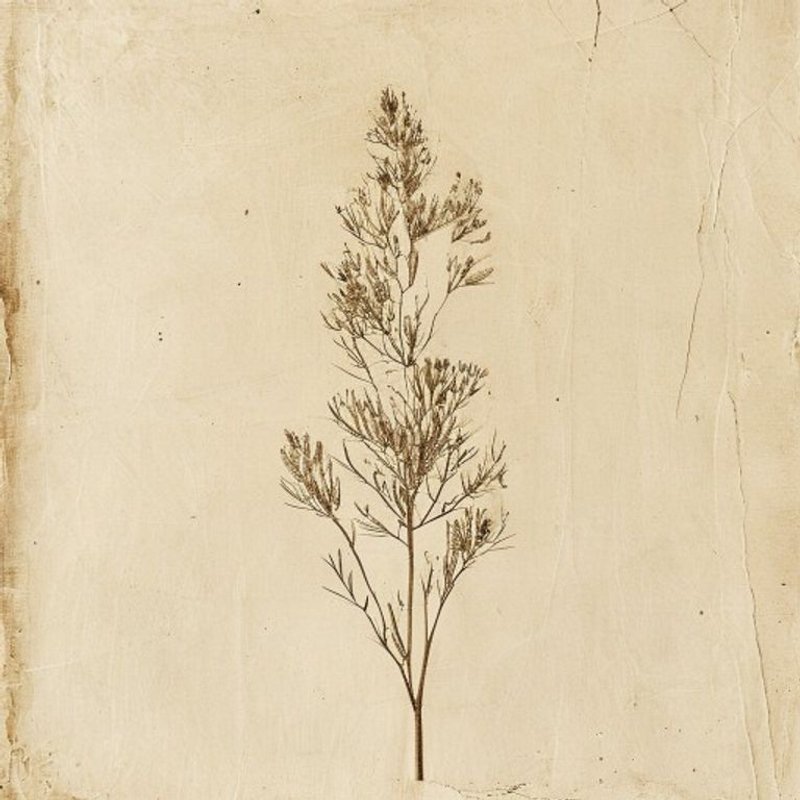
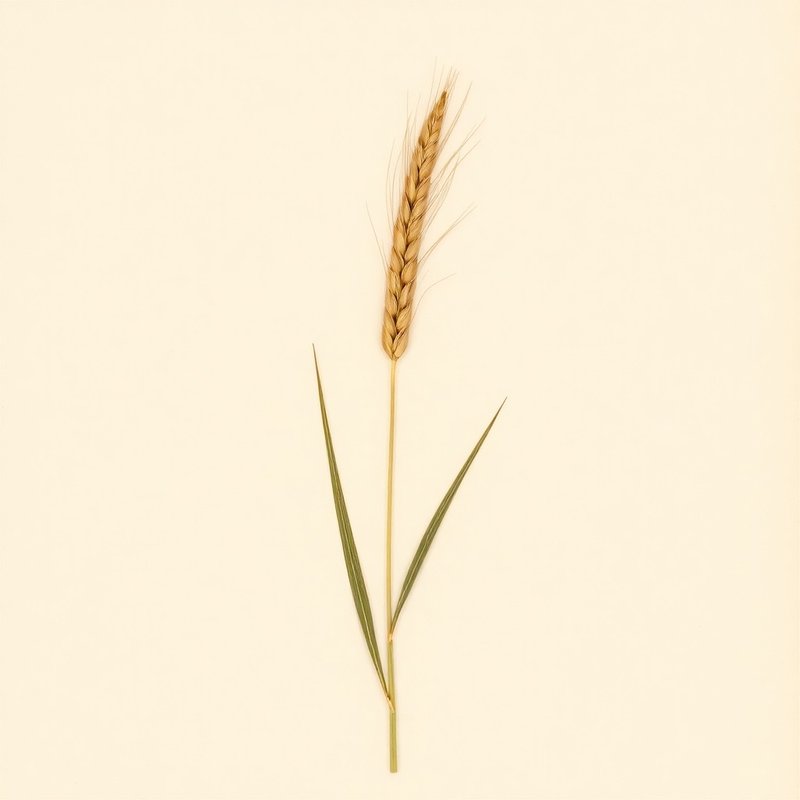
XI
Explore further
Companion planting
Compare with similar plants
XII
About this entry
- Last updated
- Citation
- How to cite this entry · Submit a correction
Back to the cataloguePlant id · 9edcb52f-14d1-45b7-b83d-62cfe9eef02d
Decision aid
Choosing between Triticum sovieticum and something else?
Continue reading
❦❦❦❦
Endpaper · archive updates
Get archive updates
Occasional email when substantial new content lands — plant profiles, seasonal growing notes, folk-remedy additions. Free, no tracking, unsubscribe anytime.