
Persoonia rigida
IOverview
Overview
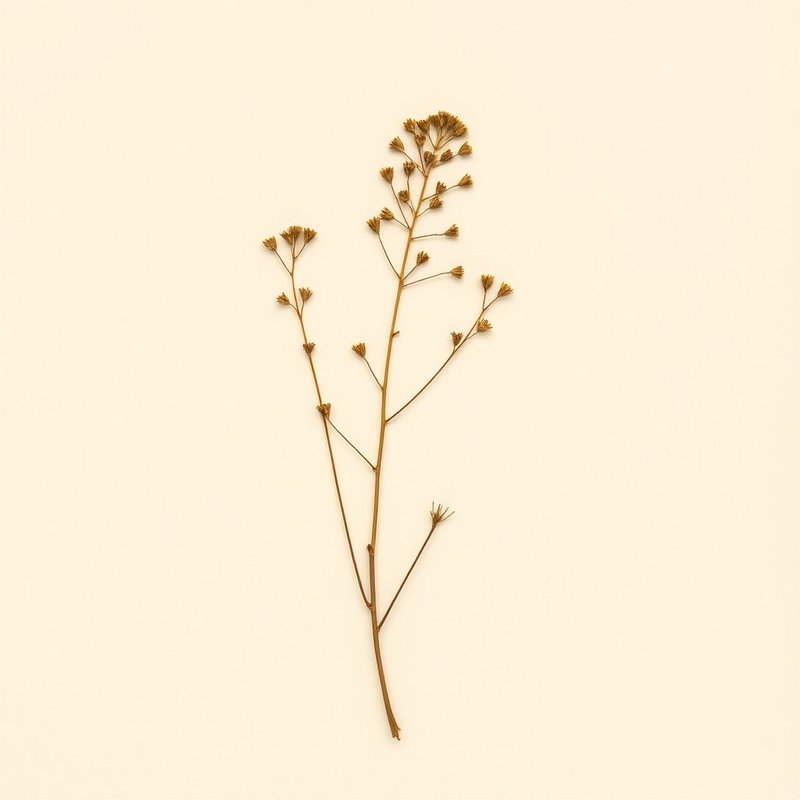
Persoonia rigida, commonly known as the rigid persoonia, is a shrub belonging to the family Proteaceae and is native to the states of New South Wales and Victoria in Australia. This plant is well-suited to a variety of growing conditions, thriving in full sun and adapting to both dry and moist environments, making it a versatile addition to gardens and natural landscapes. The fruit of Persoonia rigida is edible and can be enjoyed fresh or dried, offering a valuable resource for foragers and gardeners alike. In traditional use, the plant has been employed for its potential benefits in topical applications to support skin health, particularly for minor irritations and wounds, as well as for digestive issues, often prepared as a decoction to soothe the stomach and aid digestion. While the plant is not typically recommended for medicinal use without professional guidance, its traditional applications highlight its importance in local herbal practices.
What is Persoonia rigida?
Persoonia rigida, commonly known as the rigid persoonia, is a shrub belonging to the family Proteaceae and is native to the states of New South Wales and Victoria in Australia.
What is Persoonia rigida used for?
Traditionally used for topical & skin, digestion. Each claim is evidence-rated — see Section II for full citations.
IIBenefits & evidence
2 claims · traditional-use context
Benefits & evidence
2 claims · traditional-use context- Persoonia rigida has been traditionally used in topical applications to support skin health, particularly for minor irritations and wounds.
The mechanism by which Persoonia rigida supports skin health is not fully characterised but may involve anti-inflammatory or antimicrobial compounds.
▲ ModerateTopical & skin → - Persoonia rigida has been traditionally used in Australia for digestive issues, often prepared as a decoction to soothe the stomach and aid digestion.
The mechanism by which Persoonia rigida supports digestion is not fully characterised but may involve compounds that interact with gut motility or reduce inflammation.
▲ ModerateDigestion →
IV·bMixology suggestions
1 draft
Mixology suggestions
1 draftVCultivation
Cultivation
How to grow Persoonia rigida for the first time
Start with planting Persoonia rigida in a sunny spot, as it thrives in full sun and dry to moist conditions.
- 1
What you'll need
Persoonia rigida seedlings or cuttings, well-draining soil, mulch.
- 2
Best time to plant
Plant Persoonia rigida in spring or autumn when the weather is mild.
- 3
Soil and container prep
Ensure the soil is light (sandy) to medium with good drainage. Amend with compost if necessary.
- 4
Sowing or transplanting
Transplant young seedlings into a well-prepared garden bed or large containers.
- 5
First two weeks
Water the plant regularly during this period, keeping the soil moist but not waterlogged.
- 6
Ongoing care
Persoonia rigida prefers full sun and can tolerate dry conditions. Water sparingly once established.
- 7
Harvest or pruning
Prune lightly in late winter to encourage new growth and maintain shape.
VIEdible & utility
Edible & utility
VIIDistribution
2 native · 0 introduced
Distribution
2 native · 0 introducedIXSpecimen gallery
1 image
Specimen gallery
1 imageXSee also
8 related
See also
8 relatedPlants you might compare or use together — scored by shared family, common use cases, and growing requirements.


Explore further
About this entry
- Last updated
- Citation
- How to cite this entry · Submit a correction
Continue reading
Get archive updates
Occasional email when substantial new content lands — plant profiles, seasonal growing notes, folk-remedy additions. Free, no tracking, unsubscribe anytime.