
Runner Bean
Phaseolus coccineusfam. Fabaceae
Educational content — not medical, botanical, or professional advice. Plant identification, safety, and edibility depend on local conditions, cultivars, and correct identification. Consult a qualified botanist or forager before consuming or handling wild specimens. How we source & review →
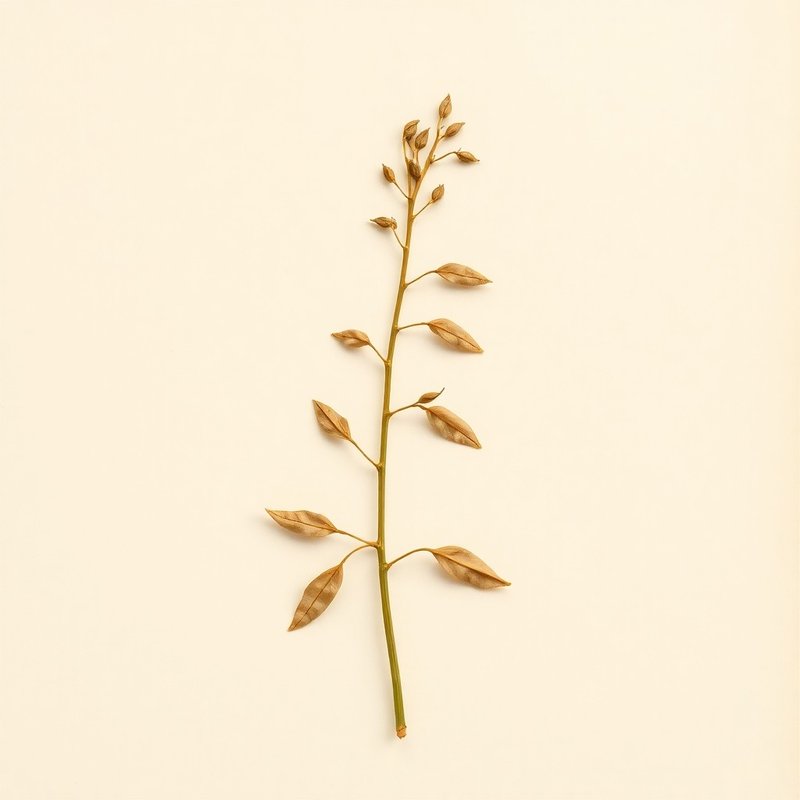
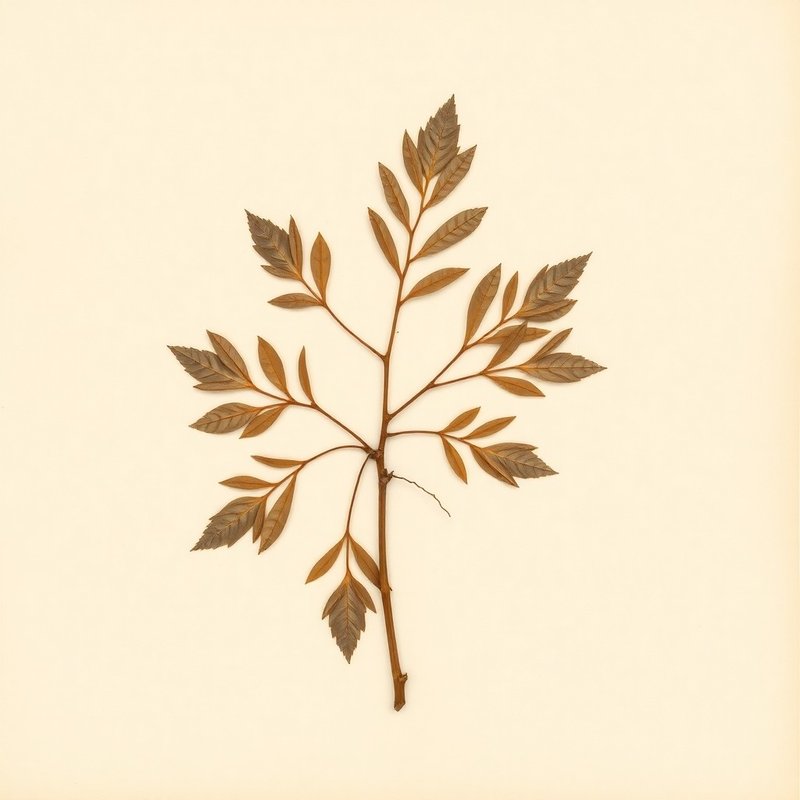
Pl. BC3D — Phaseolus coccineus
Phaseolus coccineusPhaseolus coccineusPhaseolus coccineusPhaseolus coccineusPhaseolus coccineusPhaseolus coccineusPhaseolus coccineusPhaseolus coccineusPhaseolus coccineusPhaseolus coccineusPhaseolus coccineusPhaseolus coccineusPhaseolus coccineusPhaseolus coccineus
IOverview
Overview
Runner Bean (Phaseolus coccineus) is a vine and forb/ herb native to Central America, with its known range extending from Guatemala through Mexico and into Nicaragua and Panamá. This plant thrives in full sun and prefers moist, light to heavy soil types. It can grow up to 3 meters tall and is both edible and ornamental, with parts such as flowers, leaves, roots, seeds, and seedpods being useful for consumption. Its distinctive feature lies in its vibrant red or white flowers, which add a splash of color to gardens while also serving as an attractive pollinator attraction.
Quick answers
What is Runner Bean?
Runner Bean (Phaseolus coccineus) is a vine and forb/ herb native to Central America, with its known range extending from Guatemala through Mexico and into Nicaragua and Panamá. This plant thrives in full sun and prefers moist, light to heavy soil types.
Growingconditions · propagation · uses
VCultivation
Cultivation
Runner Beans (Phaseolus coccineus) thrive in full sun and require moist soil that can be light (sandy), medium, or heavy (clay). These annual vines grow up to 3 meters tall and are native to Central America. For best results, plant seeds directly in the garden after all danger of frost has passed. Keep the soil consistently moist but not waterlogged. While hardy in temperate regions, they require a warm climate for optimal growth. Propagation is straightforward via seed. Harvest flowers, leaves, roots, seeds, and seedpods for culinary use.
Light
Full sun
Water
Moist
Soil
Light (sandy), Medium, Heavy (clay)
Hardiness
1-12
Life cycle
Annual, Perennial
Habit
Vine, Forb/herb
Mature size
3.0 m tall
- Seed viability
- 3-5 years
For first-time growers
How to grow Runner Bean for the first time
7steps
Start with simple, direct sowing in a sunny spot for your first runner bean experience.
- 1
What you'll need
Seeds, small stakes or trellis, garden soil.
- 2
Best time to plant
Plant after the last frost when the soil is warm.
- 3
Soil and container prep
Choose a spot with full sun. Ensure well-draining soil rich in organic matter.
- 4
Sowing or transplanting
Direct sow seeds 1-2 cm deep, spaced 30-45 cm apart. Provide support for climbing.
- 5
First two weeks
Keep the soil moist and mulch around the plants to retain moisture.
- 6
Ongoing care
Water regularly but avoid overwatering. Fertilize lightly every 4-6 weeks.
- 7
Harvest or pruning
Prune occasionally to encourage bushier growth and remove any dead leaves.
VIEdible & utility
Edible & utility
Edible parts:FlowersLeavesRootSeedSeedpod
Edible uses: Runner beans are versatile and can be eaten in various forms. The flowers, leaves, roots, seeds, and seedpods are all edible. Young pods are often picked when tender and used fresh or cooked. Seeds can also be harvested and dried for later use. Roots are sometimes consumed but are generally not as common as the other parts.
Other uses:Nitrogen fixer
Contextrange · companions · related
VIIDistribution
10 native · 20 introduced
Distribution
10 native · 20 introducedDistribution across4 continents· 10 native· 20 introduced
Europe1 region
introduced (1)Russia
Asia3 regions
introduced (3)ChinaNepalUzbekistan
Americas3 regions
native (3)GuatemalaHondurasNicaragua
Africa3 regions
introduced (3)EthiopiaRwandaTanzania
Broader regions
native:Mexico Central, Mexico Gulf, Mexico Northeast, Mexico Northwest, Mexico Southeast, Mexico Southwest, Panamá
introduced:East Himalaya, Jawa, Khabarovsk, Kirgizstan, New Guinea, New Zealand North, New Zealand South, Primorye, Transcaucasus
VIIIGarden companions
1 pair
Garden companions
1 pairPlant near these
These plants help — by repelling pests, fixing nitrogen, attracting pollinators, or sharing space well.
IXSpecimen gallery
1 image
Specimen gallery
1 imageXSee also
8 related
See also
8 relatedPlants you might compare or use together — scored by shared family (Fabaceae), common use cases, and growing requirements.
same family · Fabaceae
Botanical relatives — often share phytochemistry + growing needs.
XI
Explore further
Companion planting
Compare with similar plants
Growing zone
XII
About this entry
- Last updated
- Citation
- How to cite this entry · Submit a correction
Back to the cataloguePlant id · bc3d27c6-5caa-4e87-a151-93dcd89d8ab5
Decision aid
Choosing between Runner Bean and something else?
Continue reading
❦❦❦❦
Endpaper · archive updates
Get archive updates
Occasional email when substantial new content lands — plant profiles, seasonal growing notes, folk-remedy additions. Free, no tracking, unsubscribe anytime.