
Celery
Apium graveolens
Educational content — not medical, botanical, or professional advice. Always consult a qualified clinician before using any herbal preparation — especially during pregnancy, breastfeeding, while on medication, or for children. How we source & review →
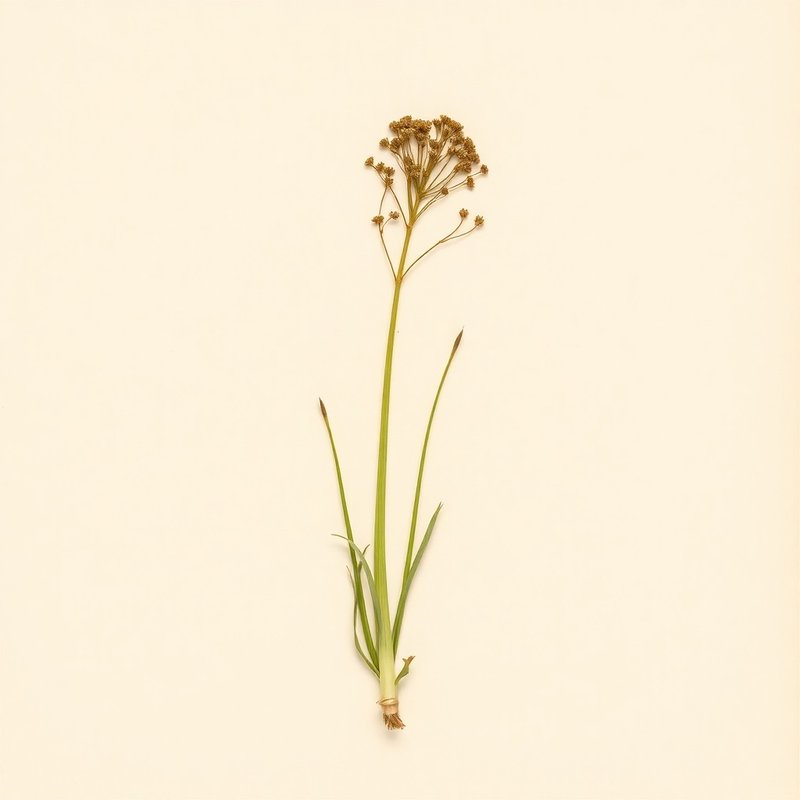
Pl. 57B6 — Apium graveolens
Apium graveolensApium graveolensApium graveolensApium graveolensApium graveolensApium graveolensApium graveolensApium graveolensApium graveolensApium graveolensApium graveolensApium graveolensApium graveolensApium graveolens
IOverview
Overview
Celery (Apium graveolens) is a hardy forb/herb that thrives in moist, light to heavy soils with a pH between 6.5 and 7. Native to regions including Argentina Northeast, Bolivia, Brazil South, Brazil Southeast, Paraguay, Uruguay, Afghanistan, and Albania, this plant has been cultivated for its edible leaves, roots, and seeds. Known for its use in cooking, celery is often grown from seed sown indoors about 10-12 weeks before transplanting outdoors. It grows to a height of 0.6 meters and a width of 0.5 meters, making it suitable for gardens with moderate space requirements. Its light hardiness (zones 5-9) and annual or biennial life cycle make it adaptable to various climates and growing conditions.
Quick answers
What is Celery?
Celery (Apium graveolens) is a hardy forb/herb that thrives in moist, light to heavy soils with a pH between 6.5 and 7.
What is Celery used for?
Traditionally used for digestion. Each claim is evidence-rated — see Section II for full citations.
Best for
Top 1 evidence-ranked use of Celery
Clinicaluses · safety · chemistry · dosagemedicinal profile
IIBenefits & evidence
1 claim · 0 sources
Benefits & evidence
1 claim · 0 sources- Traditional-use note: Celery appears in herbal sources around after-meal comfort traditions, often as a tea. PlantSage presents this as ethnobotanical context, not as medical advice.
Traditional context only. This reviewed claim keeps the original low confidence level, but avoids treatment, disease, dosage, or guaranteed-effect language.
IV·bMixology suggestions
1 draft
Mixology suggestions
1 draftEditorial drafts. These pairings are AI-suggested from traditional herbal lore. Always verify with a qualified herbalist before brewing.
Digestive Harmony
digestiontincture
Traditional use for aiding digestion.
Growingconditions · propagation · uses
VCultivation
Cultivation
Celery thrives in a light to medium soil with a pH between 6.5 and 7. It prefers moist conditions but can tolerate various soil types, including sandy, medium, and clay soils. For best results, sow seeds indoors about 10-12 weeks before transplanting outdoors. The plant is hardy in temperate regions, typically growing to about 0.6 meters tall with a width of 0.5 meters. It can be propagated by sowing seeds directly or starting them indoors for later transplanting. Harvest the edible parts—leaves, root, and seed—as needed throughout its annual or biennial life cycle.
Light
7/10
Water
Moist
Soil
Light (sandy), Medium, Heavy (clay)
Hardiness
5-9
Life cycle
Annual, Biennial
Habit
Forb/herb
Mature size
0.6 m × 0.5 m
Soil pH
6.5–7
- Propagation
- "Sow seeds indoors 10-12 weeks before transplanting outdoors
For first-time growers
How to grow Celery for the first time
8steps
Celery is a manageable plant for beginners, but requires careful attention to soil and timing.
- 1
What you'll need
Seeds, small pots or trays, seed starting mix, containers for transplanting, compost, mulch.
- 2
Best time to plant
Start seeds indoors about 10-12 weeks before the last frost date in your area.
- 3
Soil and container prep
Use a well-draining potting mix with plenty of organic matter. Ensure containers are at least 30 cm deep.
- 4
Sowing or transplanting
Sow seeds thinly in trays, cover lightly with soil, keep moist. Transplant seedlings outdoors after all danger of frost has passed.
- 5
First two weeks
Keep the soil consistently moist and provide partial shade to prevent leaf burn.
- 6
Ongoing care
Water regularly, keeping the soil evenly moist but not waterlogged. Fertilize with a balanced liquid feed every 4-6 weeks.
- 7
Harvest or pruning
Cut outer stalks when they reach desired size; leave inner stalks to continue growing.
- 8
Common mistakes
Overwatering, planting too early in cold soil, not providing enough shade, neglecting to fertilize.
VIEdible & utility
Edible & utility
Edible parts:LeavesRootSeed
Edible uses: Condiment
Other uses:Essential OilFragrance
Contextrange · companions · related
VIIDistribution
30 native · 0 introduced
Distribution
30 native · 0 introducedDistribution across4 continents· 30 native
Europe15 regions
native (15)AlbaniaAustriaBelgiumBulgariaCyprusDenmarkFranceGermanyGreeceIrelandItalyPortugalSpainUkraineUnited Kingdom
Asia4 regions
native (4)AfghanistanIranIraqKazakhstan
Americas3 regions
native (3)BoliviaParaguayUruguay
Africa1 region
native (1)Algeria
Broader regions
native:Brazil South, Brazil Southeast, Gulf States, Kriti, Argentina Northeast
VIIIGarden companions
17 pairs
Garden companions
17 pairsPlant near these
These plants help — by repelling pests, fixing nitrogen, attracting pollinators, or sharing space well.
Allium porrum
Allium porrum
Pest repellent
Leek deters celery fly; celery deters leek moth.
Wild Cabbage
Brassica oleracea
Pest repellent
Tomato
Solanum lycopersicum
Shade provider
Tomatoes offer light shade and celery helps fill moist understory space.
Flat bean
Phaseolus vulgaris
Nitrogen fixer
Beans improve nitrogen availability for celery.
Pot marigold
Calendula officinalis
Pollinator-friendly
Lower-confidence guild pairing: insectary flowers support pollinators, hoverflies, and parasitic wasps around mixed vegetable beds.
Yarrow
Achillea millefolium
Pollinator-friendly
Lower-confidence guild pairing: insectary flowers support pollinators, hoverflies, and parasitic wasps around mixed vegetable beds.
Anise Hyssop
Agastache foeniculum
Pollinator-friendly
Lower-confidence guild pairing: insectary flowers support pollinators, hoverflies, and parasitic wasps around mixed vegetable beds.
Borage
Borago officinalis
Pollinator-friendly
Lower-confidence guild pairing: insectary flowers support pollinators, hoverflies, and parasitic wasps around mixed vegetable beds.
Fagopyrum esculentum
Fagopyrum esculentum
Pollinator-friendly
Lower-confidence guild pairing: insectary flowers support pollinators, hoverflies, and parasitic wasps around mixed vegetable beds.
Garlic
Allium sativum
Pest repellent
Lower-confidence guild pairing: aromatic foliage can confuse pests in dense polyculture beds when spacing and airflow are maintained.
Chives
Allium schoenoprasum
Pest repellent
Lower-confidence guild pairing: aromatic foliage can confuse pests in dense polyculture beds when spacing and airflow are maintained.
Artemisia dracunculus
Artemisia dracunculus
Pest repellent
Lower-confidence guild pairing: aromatic foliage can confuse pests in dense polyculture beds when spacing and airflow are maintained.
Hyssop
Hyssopus officinalis
Pest repellent
Lower-confidence guild pairing: aromatic foliage can confuse pests in dense polyculture beds when spacing and airflow are maintained.
White Clover
Trifolium repens
Living mulch
Lower-confidence guild pairing: low ground covers protect soil, reduce bare patches, and can be cut back if they compete.
Radish
Raphanus sativus
Trap crop
Lower-confidence guild pairing: trap crops can draw aphids or flea beetles away from the main crop when monitored and removed if overloaded.
Nasturtium
Tropaeolum majus
Trap crop
Lower-confidence guild pairing: trap crops can draw aphids or flea beetles away from the main crop when monitored and removed if overloaded.
Keep away from these
Avoid planting nearby — competition, allelopathy, or shared pests/diseases.
IXSpecimen gallery
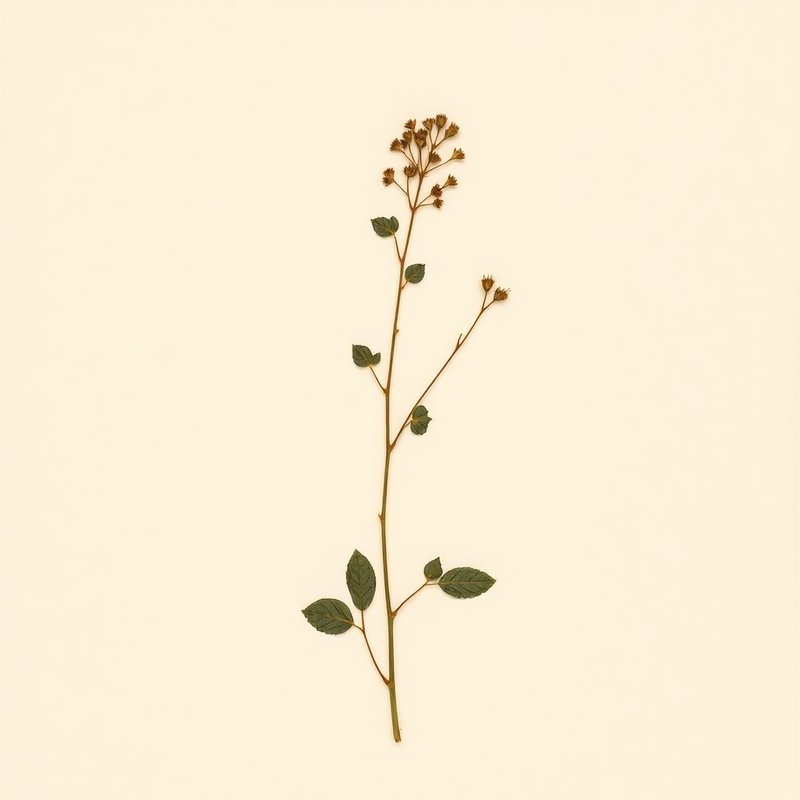
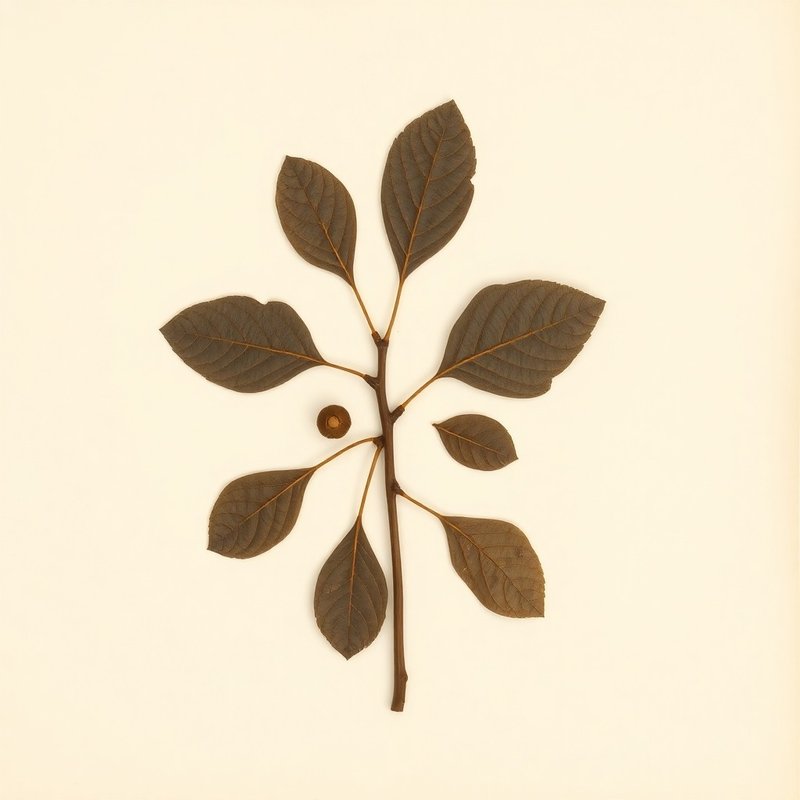
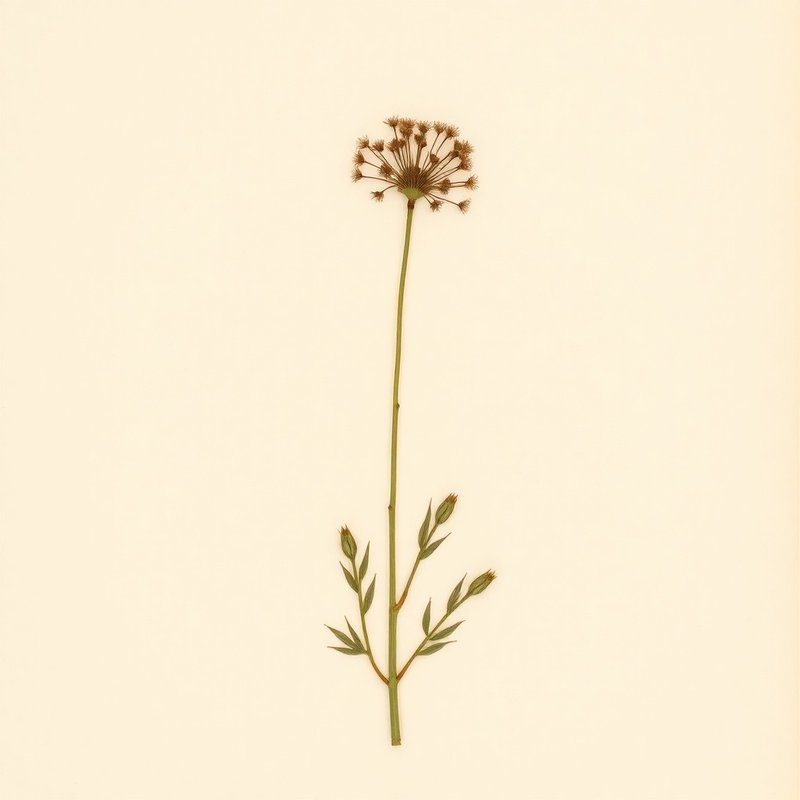
1 image
Specimen gallery
1 imageXSee also
8 related
See also
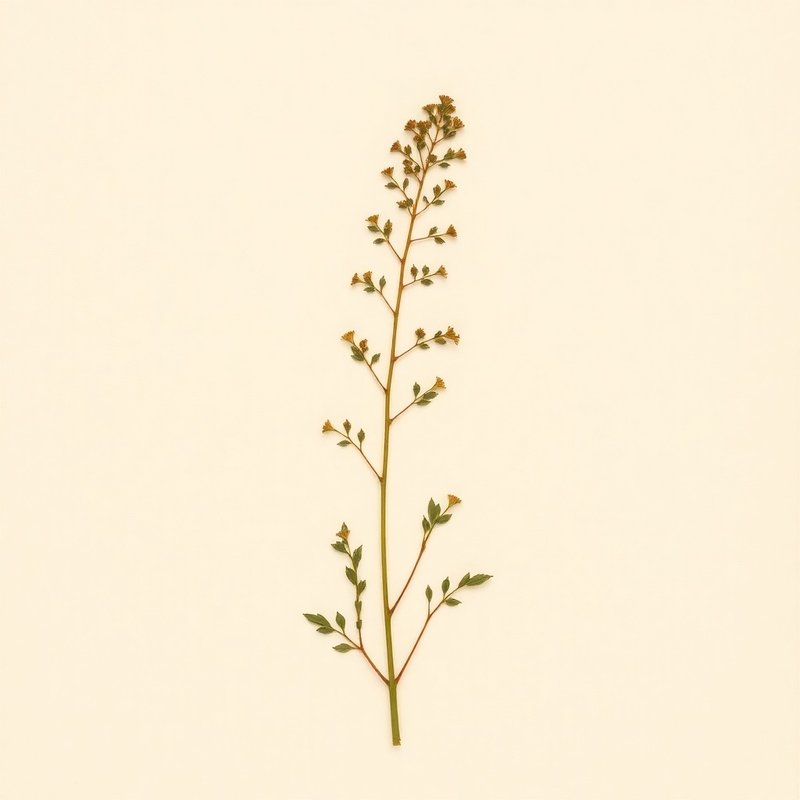
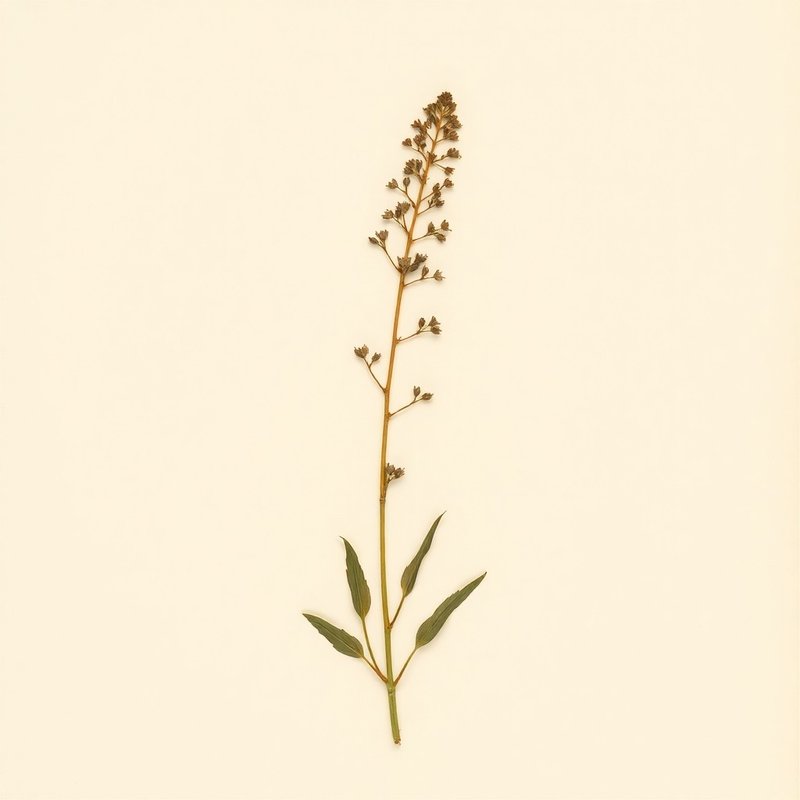
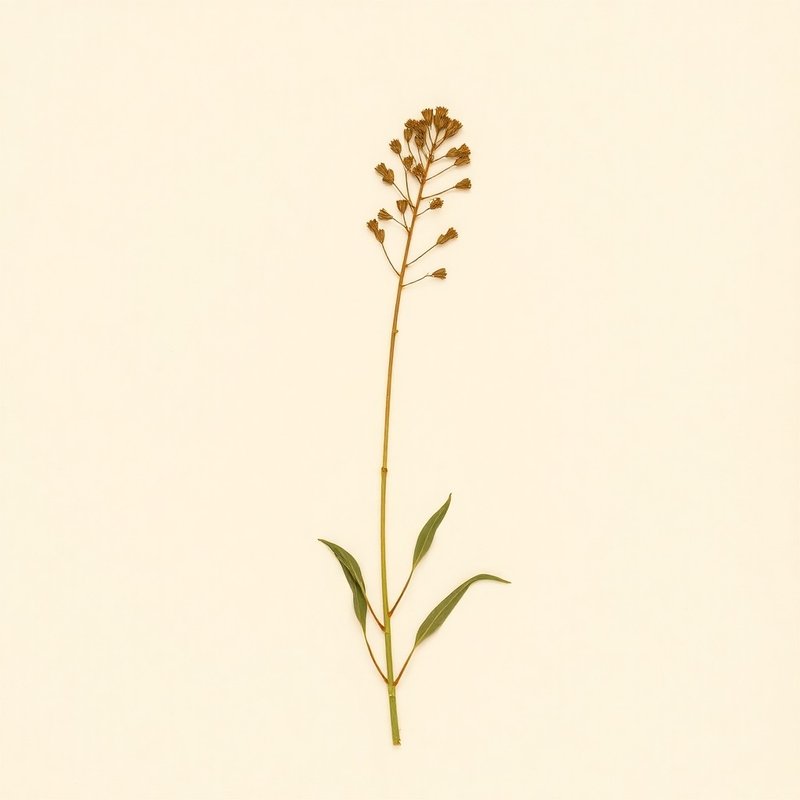
8 relatedPlants you might compare or use together — scored by shared family, common use cases, and growing requirements.
shared use cases
Different families, similar therapeutic role — good for comparing.


XI
Explore further
Companion planting
Health goals
Compare with similar plants
Growing zone
XII
About this entry
- Last updated
- Citation
- How to cite this entry · Submit a correction
Back to the cataloguePlant id · 57b68e24-84de-4642-ba9c-1beb4ca4faa8
Decision aid
Choosing between Celery and something else?
Continue reading
❦❦❦❦
Endpaper · archive updates
Get archive updates
Occasional email when substantial new content lands — plant profiles, seasonal growing notes, folk-remedy additions. Free, no tracking, unsubscribe anytime.