
White Bog-Orchid
Platanthera dilatatafam. Orchidaceae
Educational content — not medical, botanical, or professional advice. Plant identification, safety, and edibility depend on local conditions, cultivars, and correct identification. Consult a qualified botanist or forager before consuming or handling wild specimens. How we source & review →
Garden journal pausedUse profile notes below

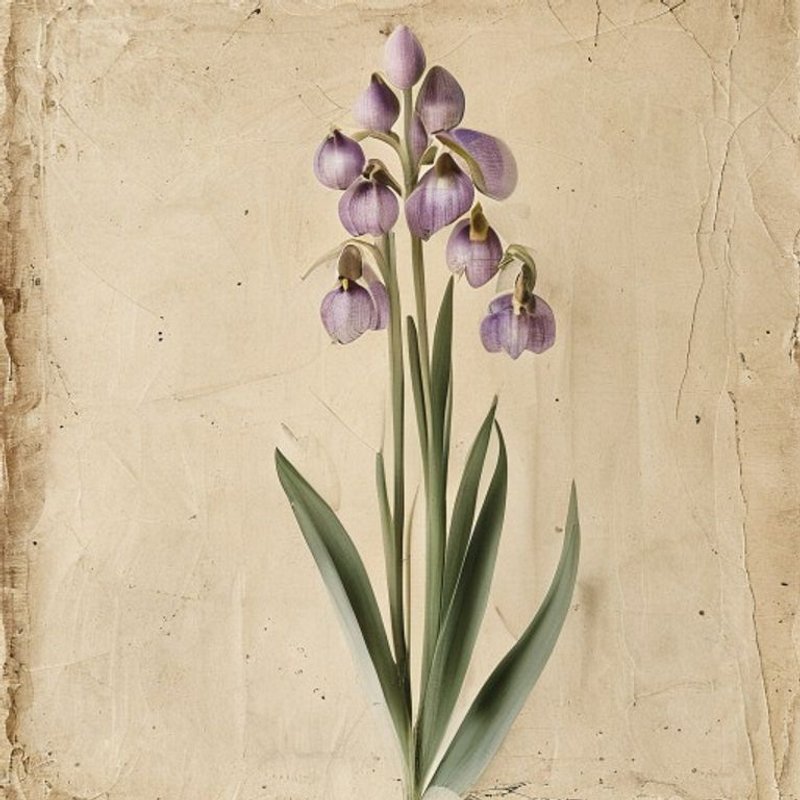
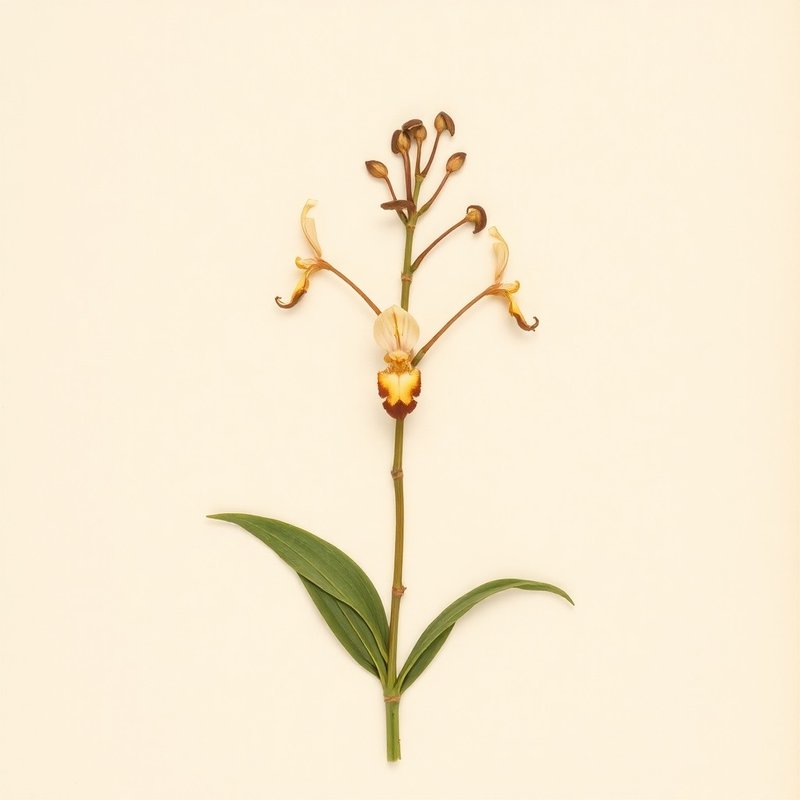
Pl. F232 — Platanthera dilatata
Platanthera dilatataPlatanthera dilatataPlatanthera dilatataPlatanthera dilatataPlatanthera dilatataPlatanthera dilatataPlatanthera dilatataPlatanthera dilatataPlatanthera dilatataPlatanthera dilatataPlatanthera dilatataPlatanthera dilatataPlatanthera dilatataPlatanthera dilatata
IOverview
Overview
The White Bog-Orchid (Platanthera dilatata), a member of the Orchidaceae family, is a perennial herb that thrives in wet habitats across North America and Greenland. Native to regions including Alaska, Alberta, British Columbia, and California, this plant is known for its edible root, which can be consumed after proper preparation. The White Bog-Orchid prefers full or partial sun and grows up to 0.5 meters tall in light (sandy), medium, or heavy (clay) soil types. Its ability to grow in various environments, from coastal areas to mountainous regions, makes it a versatile addition to botanical landscapes. The plant's root is the primary edible part, and can be eaten raw or cooked to enhance its flavor. It can also be dried for later use, preserving its nutritional value. The White Bog-Orchid is found in diverse native regions such as Alaska, Alberta, British Columbia, California, Colorado, and many other areas, including Greenland, Labrador, Maine, and Quebec. Its adaptability to different growing conditions and its edible roots make it a valuable addition to gardens and natural landscapes. This orchid is particularly suited to wetter environments, making it a great choice for bog gardens or areas with consistent moisture. Its ornamental value, with its delicate white flowers, also makes it a desirable plant for horticulturists and gardeners. While the White Bog-Orchid is not known for medicinal uses, its edible roots and ornamental appeal contribute to its significance in both natural and cultivated settings.
Quick answers
What is White Bog-Orchid?
The White Bog-Orchid (Platanthera dilatata), a member of the Orchidaceae family, is a perennial herb that thrives in wet habitats across North America and Greenland.
Growingconditions · propagation · uses
VCultivation
Cultivation
The White Bog-Orchid thrives in wet conditions and prefers partial sun to full sun exposure. It grows well in light (sandy), medium, or heavy (clay) soil types. As a perennial, it requires consistent moisture and is best propagated through division of the root clumps. This plant reaches heights of about 0.5 meters and is native to various regions including Alaska, Alberta, British Columbia, California, Colorado, and more.
Light
Full sun, Partial sun/shade
Water
Wet
Soil
Light (sandy), Medium, Heavy (clay)
Life cycle
Perennial
Habit
Forb/herb
Mature size
0.5 m tall
For first-time growers
How to grow White Bog-Orchid for the first time
8steps
Start with a simple setup to grow White Bog-Orchid successfully.
- 1
What you'll need
A pot, well-draining soil mix, and a sunny spot in your garden.
- 2
Best time to plant
Plant in early spring or late fall when the weather is cooler.
- 3
Soil and container prep
Use a mix of peat moss, perlite, and sand for good drainage. Ensure the pot has holes at the bottom.
- 4
Sowing or transplanting
Transplant young plants from the wild carefully or purchase nursery-grown ones.
- 5
First two weeks
Keep the soil moist but not waterlogged and place in partial shade to avoid sunburn.
- 6
Ongoing care
Provide a humid environment, keep the soil consistently moist, and ensure it gets plenty of light.
- 7
Harvest or pruning
Prune dead leaves and spent flowers after blooming to encourage new growth.
- 8
Common mistakes
Overwatering, planting in heavy soil, exposing to direct sunlight, neglecting humidity, and not providing enough light.
VIEdible & utility
Edible & utility
Edible parts:Root
Edible uses: The White Bog-Orchid's root is edible and can be prepared in various ways. Typically, the roots are dug up and either eaten raw or cooked to enhance their flavor. They can also be dried for later use, preserving their nutritional value.
Other uses:Fragrance
Contextrange · companions · related
VIIDistribution
41 native · 0 introduced
Distribution
41 native · 0 introducedDistribution across1 continent· 41 native
Americas2 regions
native (2)GreenlandUnited States
Broader regions
native:Alberta, Aleutian Is., British Columbia, California, Colorado, Idaho, Illinois, Indiana, Kamchatka, Labrador, Maine, Manitoba, Masachusettes, Massachusetts, Michigan, Minnesota, Montana, Nevada, New Brunswick, New Hampshire, New Jersey, New Mexico, New York, Newfoundland, Northwest Territorie, Nova Scotia, Nunavut, Ontario, Oregon, Pennsylvania, Prince Edward I., Québec, Saskatchewan, Utah, Vermont, Washington, Wisconsin, Wyoming, Yukon
IXSpecimen gallery
1 image
Specimen gallery
1 imageXSee also
8 related
See also
8 relatedPlants you might compare or use together — scored by shared family (Orchidaceae), common use cases, and growing requirements.
same family · Orchidaceae
Botanical relatives — often share phytochemistry + growing needs.



XI
Explore further
Companion planting
Compare with similar plants
Native to
XII
About this entry
- Last updated
- Citation
- How to cite this entry · Submit a correction
Back to the cataloguePlant id · f232ff3b-1436-4578-9da9-b901137993f1
Decision aid
Choosing between White Bog-Orchid and something else?
Continue reading
❦❦❦❦
Endpaper · archive updates
Get archive updates
Occasional email when substantial new content lands — plant profiles, seasonal growing notes, folk-remedy additions. Free, no tracking, unsubscribe anytime.
Newsletter returning soon.
We are rebuilding the update list around a lightweight editorial workflow. New dispatches will resume after the next content review cycle.