
Veratrum maackii parviflorum

IOverview
Overview
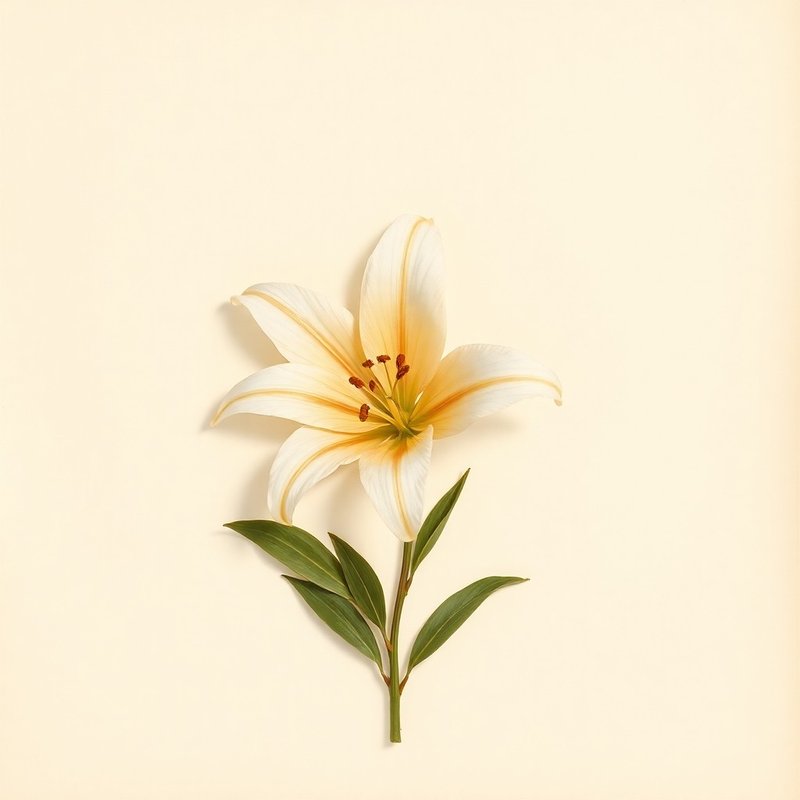
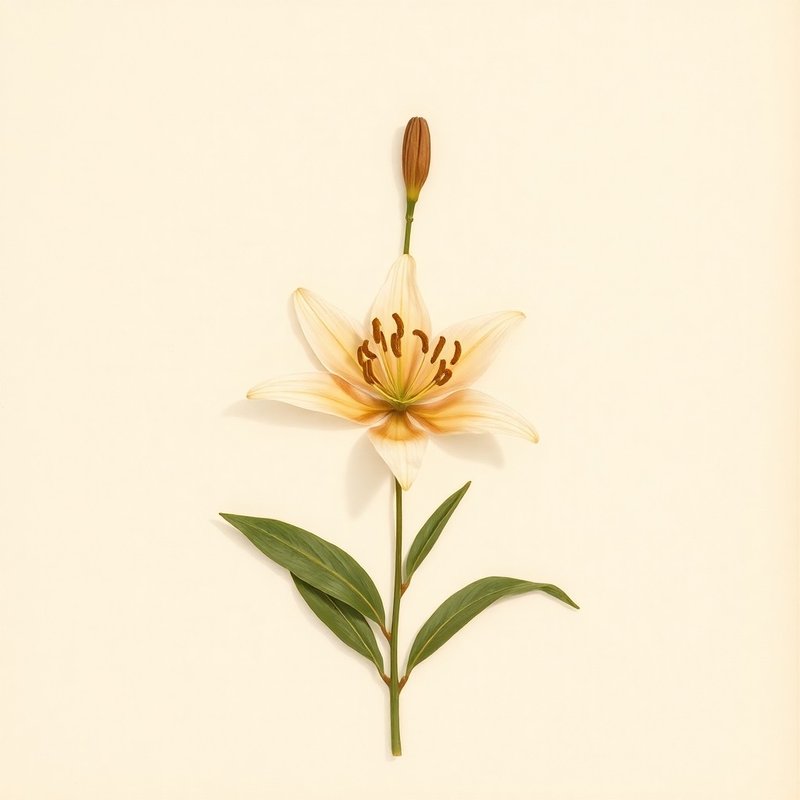
Veratrum maackii parviflorum, a perennial plant belonging to the Liliaceae family, is native to regions including Amur, China North-Central, Inner Mongolia, Japan, Khabarovsk, Korea, Manchuria, and Primorye. This plant thrives in moist conditions with light to partial sun exposure and can grow up to 1 meter tall. It is known for its edible leaves, which can be prepared in various ways, though they should be cooked before consumption to ensure safety. The plant's adaptability to various soil types, including light (sandy), medium, and heavy (clay) soils, makes it a versatile addition to gardens and landscapes. Veratrum maackii parviflorum is also recognized for its ornamental value, with its distinctive leaves adding a unique touch to gardens. Its utility extends to pest control, making it a practical choice for gardeners looking to manage pests naturally. While the plant is edible and ornamental, it is also used in traditional medicine, though caution is advised due to potential toxicity. Its presence in various temperate regions suggests it can tolerate a range of environmental conditions, though specific hardiness zones are not provided. For cultivation, division or seed sowing are effective methods for propagation.
What is Veratrum maackii parviflorum?
Veratrum maackii parviflorum, a perennial plant belonging to the Liliaceae family, is native to regions including Amur, China North-Central, Inner Mongolia, Japan, Khabarovsk, Korea, Manchuria, and Primorye. This plant thrives in moist conditions with light to partial sun exposure and can grow up to 1 meter tall.
IV·bMixology suggestions
1 draft
Mixology suggestions
1 draftVCultivation
Cultivation
How to grow Veratrum maackii parviflorum for the first time
Start with Skip by ensuring you have the right conditions and care, making it a manageable first-time plant.
- 1
What you'll need
A container or garden bed, seeds or young plants, good quality soil.
- 2
Best time to plant
Plant Skip in early spring after the last frost or late summer for cooler regions.
- 3
Soil and container prep
Ensure the soil is well-draining with a pH between 6.0 and 7.5, either in the garden or a pot.
- 4
Sowing or transplanting
Direct sow seeds outdoors after danger of frost has passed, or start them indoors 4-6 weeks before planting.
- 5
First two weeks
Keep the soil consistently moist and provide partial shade to avoid scorching the young plants.
- 6
Ongoing care
Water regularly, especially during dry spells. Mulch around the base for moisture retention.
- 7
Harvest or pruning
Prune dead leaves in late winter before new growth emerges to maintain plant health.
- 8
Common mistakes
Overwatering, planting in full sun, neglecting to mulch, and not providing enough drainage.
VIEdible & utility
Edible & utility
VIIDistribution
9 native · 0 introduced
Distribution
9 native · 0 introducedIXSpecimen gallery
1 image
Specimen gallery
1 imageXSee also
8 related
See also
8 relatedPlants you might compare or use together — scored by shared family (Liliaceae), common use cases, and growing requirements.


Explore further
About this entry
- Last updated
- Citation
- How to cite this entry · Submit a correction
Continue reading
Get archive updates
Occasional email when substantial new content lands — plant profiles, seasonal growing notes, folk-remedy additions. Free, no tracking, unsubscribe anytime.