
Yucca schidigera
IOverview
Overview
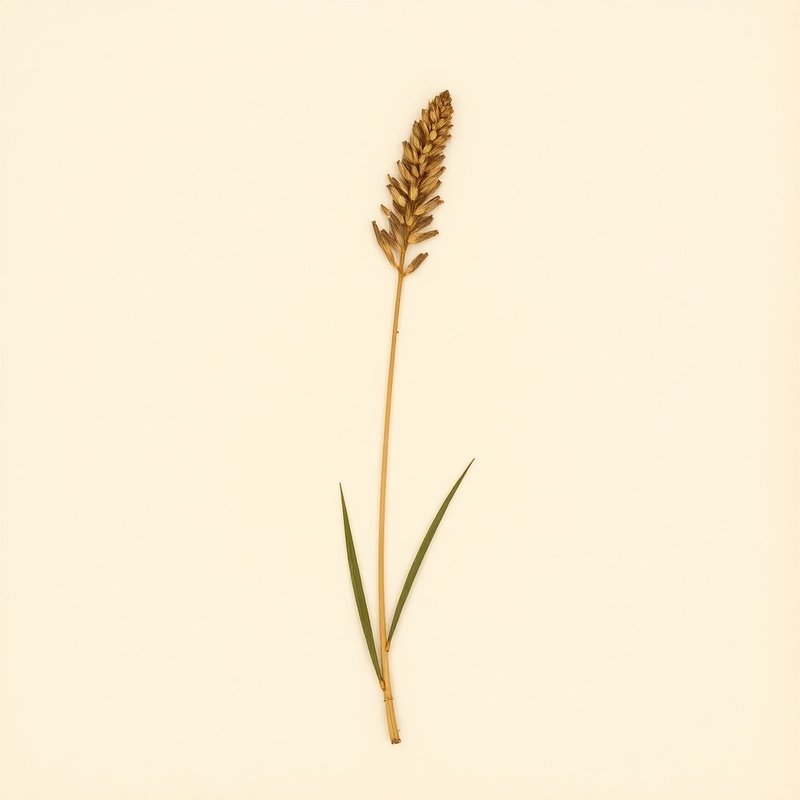
Yucca schidigera, commonly known as the Mojave yucca, is a tree or shrub that thrives in the arid landscapes of Arizona, California, Nevada, and parts of Mexico's northwest region. This plant is well-adapted to full sun and can tolerate both dry and moist conditions, making it a versatile choice for gardens. Its edible parts include flowers, fruit, and stem, which have been utilized by indigenous peoples. One distinctive feature is its ability to grow in various soil types, from light sandy soils to heavier clay soils, while reaching heights of up to 4.5 meters. Another notable characteristic is its hardiness range of zones 9-10, ensuring it can withstand mild winters and hot summers typical of its native habitat.
What is Yucca schidigera?
Yucca schidigera, commonly known as the Mojave yucca, is a tree or shrub that thrives in the arid landscapes of Arizona, California, Nevada, and parts of Mexico's northwest region. This plant is well-adapted to full sun and can tolerate both dry and moist conditions, making it a versatile choice for gardens.
What is Yucca schidigera used for?
Traditionally used for digestion, topical & skin. Each claim is evidence-rated — see Section II for full citations.
IIBenefits & evidence
2 claims · traditional-use context
Benefits & evidence
2 claims · traditional-use context- Yucca schidigera has been traditionally used in Native American medicine to support digestive health, often consumed as a tea or decoction. Its saponin content may help reduce inflammation and improve gut function.
Saponins found in yucca can interact with the gastrointestinal tract by reducing inflammation and supporting overall gut health. However, the specific mechanism is not fully characterised.
▲ ModerateDigestion → - Yucca schidigera has been traditionally used in topical applications to support skin health, particularly for conditions like eczema and psoriasis. Its anti-inflammatory properties may help soothe irritated skin.
The steroidal saponins in yucca have anti-inflammatory effects that can help reduce redness and irritation when applied topically. However, the specific mechanism is not fully characterised.
▲ ModerateTopical & skin →
IV·bMixology suggestions
1 draft
Mixology suggestions
1 draftVCultivation
Cultivation
How to grow Yucca schidigera for the first time
Start with planting Yucca schidigera in a sunny spot, as it thrives in full sun and requires minimal care.
- 1
What you'll need
A young Yucca schidigera plant or seeds, well-draining soil, and a watering can.
- 2
Best time to plant
Plant in spring when the weather starts warming up.
- 3
Soil and container prep
Ensure the soil is light (sandy), medium, or heavy with good drainage. Use a pot at least 15 cm deep if planting in containers.
- 4
Sowing or transplanting
Transplant young plants carefully to avoid damaging roots. For seeds, sow them just below the surface and keep moist.
- 5
First two weeks
Water sparingly but thoroughly once a week for the first few weeks to help establish the plant.
- 6
Ongoing care
Yucca schidigera prefers full sun, so place it where it gets at least 6 hours of direct sunlight daily. Water only when the soil is dry.
- 7
Harvest or pruning
Prune dead or damaged leaves to maintain a neat appearance and remove spent flowers.
VIEdible & utility
Edible & utility
VIIDistribution
4 native · 0 introduced
Distribution
4 native · 0 introducedIXSpecimen gallery
1 image
Specimen gallery
1 imageXSee also
8 related
See also
8 relatedPlants you might compare or use together — scored by shared family, common use cases, and growing requirements.


Explore further
About this entry
- Last updated
- Citation
- How to cite this entry · Submit a correction
Continue reading
Get archive updates
Occasional email when substantial new content lands — plant profiles, seasonal growing notes, folk-remedy additions. Free, no tracking, unsubscribe anytime.