
Skip to content
IVIndex · personalised6,178 plants on fileranked, not sorted
Open · the recommendation engine

Start witha goal— we map the plants.

Every recommendation is weighed by published evidence, your constraints, and the plant’s fit for the chosen goal. Each match comes with an explanation and a confidence band — never a single number, never a popularity rank.

ranked index card · plant matched to goal
evidence bar · 95%
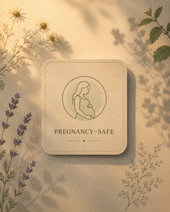
constraint chip · pregnancy-safe
Ranked by composite
evidence · safety · fit.
EXPLAINED · NEVER OPAQUE
5D
SCORING
DIMENSIONS
NO POPULARITY
WEIGHT
ISection · 01

The five dimensions

Every plant gets scored on the same five axes. The composite is a weighted blend — never a single black-box number.

axis i
I

Goal match

Does this plant’s primary indication line up with what you asked for? Weighted highest because nothing else matters if the plant isn’t for the job.

axis ii
II

Evidence quality

Meta-analyses and RCTs outrank case reports. Quality scores are inherited from the source paper, not invented locally.

axis iii
III

Safety profile

Contraindications from EMA/HMPC and the rest of the literature. A plant is downgraded if it conflicts with your constraints.

axis iv
IV

Usability

Form fit (tea / tincture / capsule), preparation time, and shelf availability. A great molecule you can’t source doesn’t help.

axis v
V

Novelty

A small bonus for under-prescribed plants with solid evidence — so the same five candidates don’t always win.

IISection · 02

The engine

Pick a goal, set your constraints. The list re-ranks on every change — composite scores, full reasoning, and a direct link to the plant profile.

#PLANTCONFIDENCEEVIDENCEACTION
01
Lavandula angustifolia (Lavender) — botanical photograph
Lavender
Lavandula angustifolia
Improves sleep onset and quality
goal 85 · safety 86 · dose 1-2 g
81%GOOD
4 refs
linked citations
02
Valeriana officinalis (Valerian) — botanical photograph
Valerian
Valeriana officinalis
Reduces sleep latency
goal 70 · safety 79 · dose 2-3 g
77%MODERATE
2 refs
linked citations
03
Matricaria chamomilla (Chamomile) — botanical photograph
Chamomile
Matricaria chamomilla
Mild improvement in sleep quality (elderly)
goal 39 · safety 86 · dose 1.5-3 g
68%MODERATE
4 refs
linked citations
04
Passiflora incarnata (Passionflower) — botanical photograph
Passionflower
Passiflora incarnata
Improves sleep quality
goal 39 · safety 86 · dose 1-2 g
65%MODERATE
2 refs
linked citations
05
Melissa officinalis (Lemon balm) — botanical photograph
Lemon balm
Melissa officinalis
Supports sleep quality (mild)
goal 35 · safety 93 · dose 1.5-4.5 g
65%MODERATE
4 refs
linked citations
06
Tussilago farfara (Coltsfoot) — botanical photograph
Coltsfoot
Tussilago farfara
Traditional-use note: Coltsfoot appears in herbal sources around evening relaxation and bedtime routines, often as a tea. PlantSage presents this as ethnobotanical context, not as medical advice.
goal 21 · safety 100
57%LIMITED
0 refs
linked citations
07
Valeriana capitata (Valerian) — botanical photograph
Valerian
Valeriana capitata
Traditional-use note: Valerian appears in herbal sources around evening relaxation and bedtime routines, often as a tincture. PlantSage presents this as ethnobotanical context, not as medical advice.
goal 21 · safety 100
57%LIMITED
0 refs
linked citations
08
Tilia mongolica (Mongolian Lime) — botanical photograph
Mongolian Lime
Tilia mongolica
Traditional-use note: Mongolian Lime appears in herbal sources around evening relaxation and bedtime routines, often as a decoction. PlantSage presents this as ethnobotanical context, not as medical advice.
goal 21 · safety 100
57%LIMITED
0 refs
linked citations
09
Lactuca serriola (Prickly Lettuce) — botanical photograph
Prickly Lettuce
Lactuca serriola
Traditional-use note: Prickly Lettuce appears in herbal sources around evening relaxation and bedtime routines, often as a tea. PlantSage presents this as ethnobotanical context, not as medical advice.
goal 21 · safety 100
57%LIMITED
0 refs
linked citations
10
Passiflora actinia (Passion Flower) — botanical photograph
Passion Flower
Passiflora actinia
Passion flower is traditionally used to support better sleep, often consumed as a tea before bedtime in European and American herbal traditions.
goal 21 · safety 100
57%LIMITED
0 refs
linked citations
11
Valeriana occidentalis (western valerian) — botanical photograph
western valerian
Valeriana occidentalis
Traditional-use note: western valerian appears in herbal sources around evening relaxation and bedtime routines, often as a tea. PlantSage presents this as ethnobotanical context, not as medical advice.
goal 21 · safety 100
57%LIMITED
0 refs
linked citations
12
Lactuca quercina (Wild Lettuce) — botanical photograph
Wild Lettuce
Lactuca quercina
Traditional-use note: Wild Lettuce appears in herbal sources around evening relaxation and bedtime routines, often as a tea. PlantSage presents this as ethnobotanical context, not as medical advice.
goal 21 · safety 100
57%LIMITED
0 refs
linked citations
13
Lactuca indica (Indian Lettuce) — botanical photograph
Indian Lettuce
Lactuca indica
Traditional-use note: Indian Lettuce appears in herbal sources around evening relaxation and bedtime routines, often as a decoction. PlantSage presents this as ethnobotanical context, not as medical advice.
goal 21 · safety 100
57%LIMITED
0 refs
linked citations
14
Tilia caroliniana (Carolina Basswood) — botanical photograph
Carolina Basswood
Tilia caroliniana
Traditional-use note: Carolina Basswood appears in herbal sources around evening relaxation and bedtime routines, often as a tea. PlantSage presents this as ethnobotanical context, not as medical advice.
goal 21 · safety 100
57%LIMITED
0 refs
linked citations
15
Lactuca ludoviciana (Western Wild Lettuce) — botanical photograph
Western Wild Lettuce
Lactuca ludoviciana
Traditional-use note: Western Wild Lettuce appears in herbal sources around evening relaxation and bedtime routines, often as a tea. PlantSage presents this as ethnobotanical context, not as medical advice.
goal 21 · safety 100
57%LIMITED
0 refs
linked citations
16
Tilia heterophylla (White Basswood) — botanical photograph
White Basswood
Tilia heterophylla
Traditional-use note: White Basswood appears in herbal sources around evening relaxation and bedtime routines, often as a tea. PlantSage presents this as ethnobotanical context, not as medical advice.
goal 21 · safety 100
57%LIMITED
0 refs
linked citations
17
Passiflora herbertiana (Passiflora herbertiana) — botanical photograph
Passiflora herbertiana
Traditional-use note: Passiflora herbertiana appears in herbal sources around evening relaxation and bedtime routines, often as a tea. PlantSage presents this as ethnobotanical context, not as medical advice.
goal 21 · safety 100
57%LIMITED
0 refs
linked citations
18
Humulus japonicus (Japanese Hop) — botanical photograph
Japanese Hop
Humulus japonicus
Traditional-use note: Japanese Hop appears in herbal sources around evening relaxation and bedtime routines, often as a tea. PlantSage presents this as ethnobotanical context, not as medical advice.
goal 21 · safety 100
57%LIMITED
0 refs
linked citations
19
Tilia oliveri (Tilia oliveri) — botanical photograph
Tilia oliveri
Tilia oliveri
Traditional-use note: Tilia oliveri appears in herbal sources around evening relaxation and bedtime routines, often as a tea. PlantSage presents this as ethnobotanical context, not as medical advice.
goal 21 · safety 100
57%LIMITED
0 refs
linked citations
20
Passiflora umbilicata (Passion Flower) — botanical photograph
Passion Flower
Passiflora umbilicata
Passion flower is traditionally used to support better sleep, often consumed as a tea before bedtime in European and American herbal traditions.
goal 21 · safety 100
57%LIMITED
0 refs
linked citations
IIISection · 03

A note on methodology

The engine is not a diagnosis tool. Every score is auditable. Every weight is documented. Here’s the short version.

01

No popularity weighting

Search volume and citation count are deliberately ignored. A plant that’s common in blog posts but thin on trials will not outrank a less-known plant with strong RCTs.

02

Constraints are hard limits, not soft hints

Tick “pregnancy-safe” and contraindicated plants drop off the list entirely. We don’t bury them — we exclude them. The same goes for medication conflicts.

03

Every score is reproducible

The engine code is open in the repo. Run the same query twice with the same plants and you get the same number. No model, no temperature, no surprises.

Endpaper · archive updates

Get archive updates

Occasional email when substantial new content lands — plant profiles, seasonal growing notes, folk-remedy additions. Free, no tracking, unsubscribe anytime.

Free, weekly· unsubscribe anytime