
Passionflower
Passiflora incarnatafam. Passifloraceae
A climbing vine with intricate flowers and a long ethnobotanical record for nervousness and insomnia. Lead compound: vitexin.
Educational content — not medical, botanical, or professional advice. Always consult a qualified clinician before using any herbal preparation — especially during pregnancy, breastfeeding, while on medication, or for children. How we source & review →
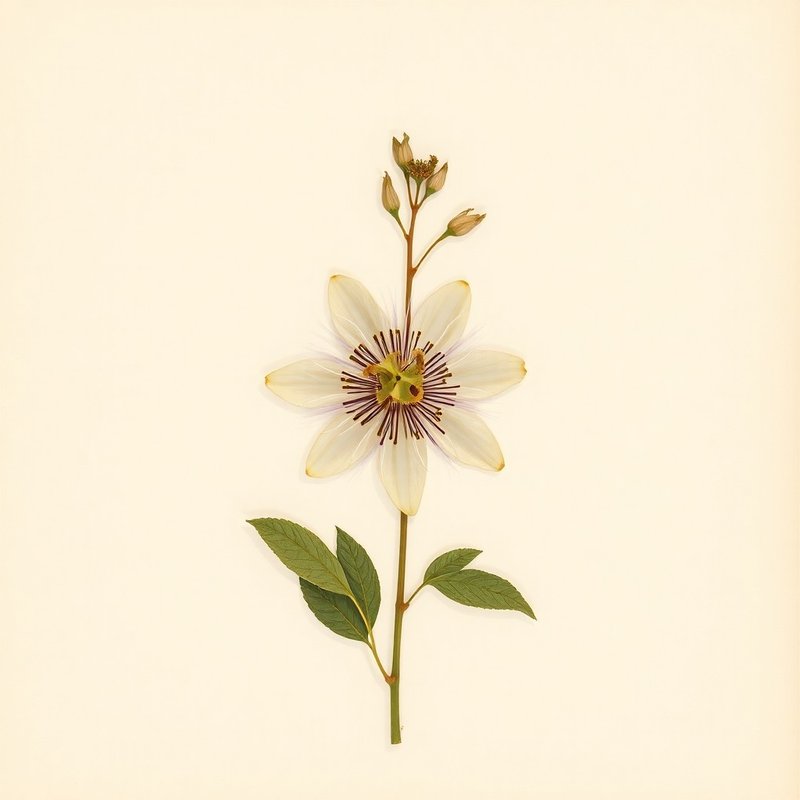
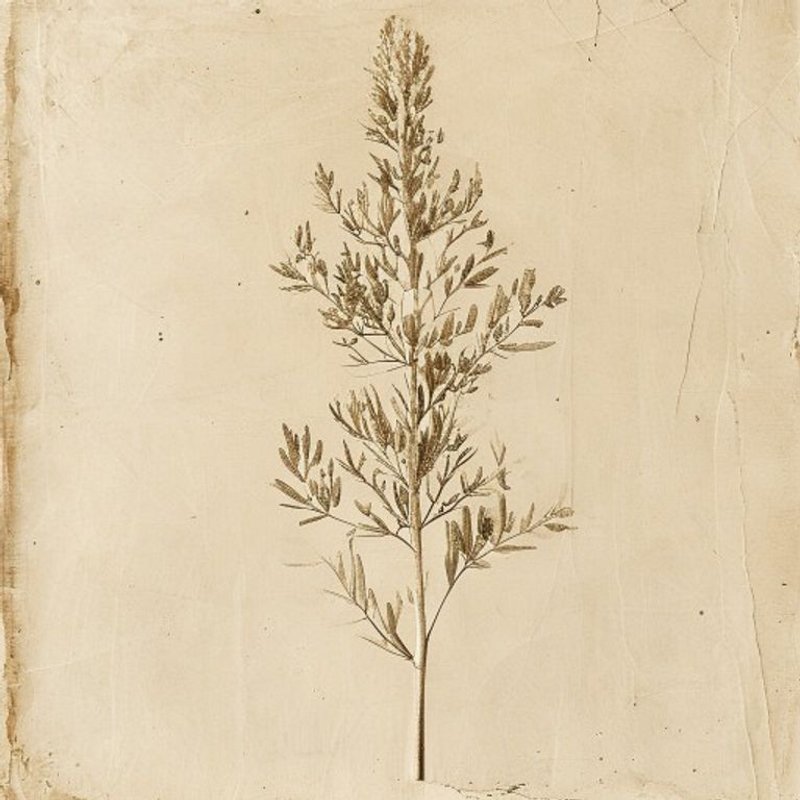
Pl. B7BC — Passiflora incarnata
Passiflora incarnataPassiflora incarnataPassiflora incarnataPassiflora incarnataPassiflora incarnataPassiflora incarnataPassiflora incarnataPassiflora incarnataPassiflora incarnataPassiflora incarnataPassiflora incarnataPassiflora incarnataPassiflora incarnataPassiflora incarnata
IOverview
Overview
Passionflower (Passiflora incarnata) is a climbing vine belonging to the Passifloraceae family, native to southeastern United States and parts of Central America. This plant can be found in Alabama, Arkansas, Bermuda, Florida, Georgia, Illinois, and Indiana. Known for its medicinal properties, passionflower has been used traditionally for stress and anxiety reduction, with documented benefits including reduced pre-procedural and generalized anxiety. Additionally, it enhances sleep quality by improving overall sleep patterns. One distinctive feature of the plant is the unique, intricate corolla of its flowers, which often appear purple or white. Another notable characteristic is the presence of vitexin, a flavonoid compound found in various parts of the plant including the aerial portions, leaves, and flowers.
Quick answers
What is Passionflower?
Passionflower (Passiflora incarnata) is a climbing vine belonging to the Passifloraceae family, native to southeastern United States and parts of Central America. This plant can be found in Alabama, Arkansas, Bermuda, Florida, Georgia, Illinois, and Indiana.
What is Passionflower used for?
Traditionally used for stress & anxiety, better sleep. Each claim is evidence-rated — see Section II for full citations.
Is Passionflower safe?
2 documented contraindications — review Section III before use. Always consult a clinician for medical conditions, pregnancy, or medication interactions.
Best for
Top 2 evidence-ranked uses of Passionflower
Clinicaluses · safety · chemistry · dosagemedicinal profile
IIBenefits & evidence
2 claims · 2 sources
Benefits & evidence
2 claims · 2 sources- Reduces pre-procedural and generalized anxiety
Likely GABAergic via flavone glycosides (vitexin, isovitexin). Small but consistent clinical signal.
- Improves sleep quality
Subjective and PSG measures both improved in pilot trials.
IICautions & contraindications
2 cautions
Cautions & contraindications
2 cautionspregnancy
Pregnancy: avoid (uterine stimulant in animal studies).
MAOIs
Theoretical interaction; clinical reports limited.
Need audience-specific safety verdicts? See dogs, cats, children, pregnancy, or breastfeeding guides.
IIIActive compounds
1 listed
Active compounds
1 listedalkaloidterpeneflavonoidglycosidephenolicpolysaccharide
IVDosage
Dosage
| Form | Dose | Frequency | Duration |
|---|---|---|---|
Infusion / tea Mild potency | 1–2 g / 240 ml | 1–4× daily | Up to 56 days |
Tincture (1:5, 45%) Moderate potency | 2–4 ml | 3× daily | Up to 42 days |
Standardized capsule Moderate potency | 250–1000 mg | 1–4× daily | Up to 56 days |
IV·bMixology suggestions
1 draft
Mixology suggestions
1 draftEditorial drafts. These pairings are AI-suggested from traditional herbal lore. Always verify with a qualified herbalist before brewing.
Growingconditions · propagation · uses
VCultivation
Cultivation
Passionflower thrives in partial to full sunlight but can tolerate some shade. It prefers well-draining soil that is rich in organic matter. Water the plant regularly, ensuring it gets consistent moisture without becoming waterlogged. Hardy in temperate regions, passionflower can be propagated through stem cuttings or by dividing established plants. The aerial parts, flowers, and leaves are used for their medicinal properties, particularly to reduce stress and anxiety and improve sleep quality. Vitexin is one of the compounds found in passionflower that contributes to its benefits.
For first-time growers
How to grow Passionflower for the first time
7steps
Start with passionflower as a simple, low-maintenance plant for beginners.
- 1
What you'll need
Passionflower seeds or young plants, potting soil, containers with drainage holes.
- 2
Best time to plant
Plant in spring after the last frost, or start seeds indoors about 6 weeks before the last expected frost.
- 3
Soil and container prep
Use well-draining potting mix. Ensure containers are at least 12 inches wide and deep.
- 4
Sowing or transplanting
Direct sow seeds outdoors after danger of frost, or start indoors and transplant young plants once they have several leaves.
- 5
First two weeks
Keep soil consistently moist. Place in a sunny spot with at least 6 hours of direct sunlight daily.
- 6
Ongoing care
Water when the top inch of soil feels dry, and fertilize every 4-6 weeks with a balanced fertilizer.
- 7
Harvest or pruning
Prune in late winter to early spring to encourage new growth. Remove dead leaves and spent flowers.
Contextrange · companions · related
VIIDistribution
21 native · 9 introduced
Distribution
21 native · 9 introducedDistribution across2 continents· 21 native· 9 introduced
Asia5 regions
native (1)Georgia
introduced (4)BangladeshIndiaMyanmarPakistan
Oceania1 region
introduced (1)New Caledonia
Broader regions
native:Alabama, Arkansas, Bermuda, Florida, Illinois, Indiana, Kansas, Kentucky, Louisiana, Mississippi, Missouri, North Carolina, Ohio, Oklahoma, Pennsylvania, South Carolina, Tennessee, Texas, Virginia, West Virginia
introduced:Delaware, District of Columbia, Maryland, New Jersey
VIIIGarden companions
1 pair
Garden companions
1 pairPlant near these
These plants help — by repelling pests, fixing nitrogen, attracting pollinators, or sharing space well.
IXSpecimen gallery
1 image
Specimen gallery
1 imageXSee also
8 related
See also
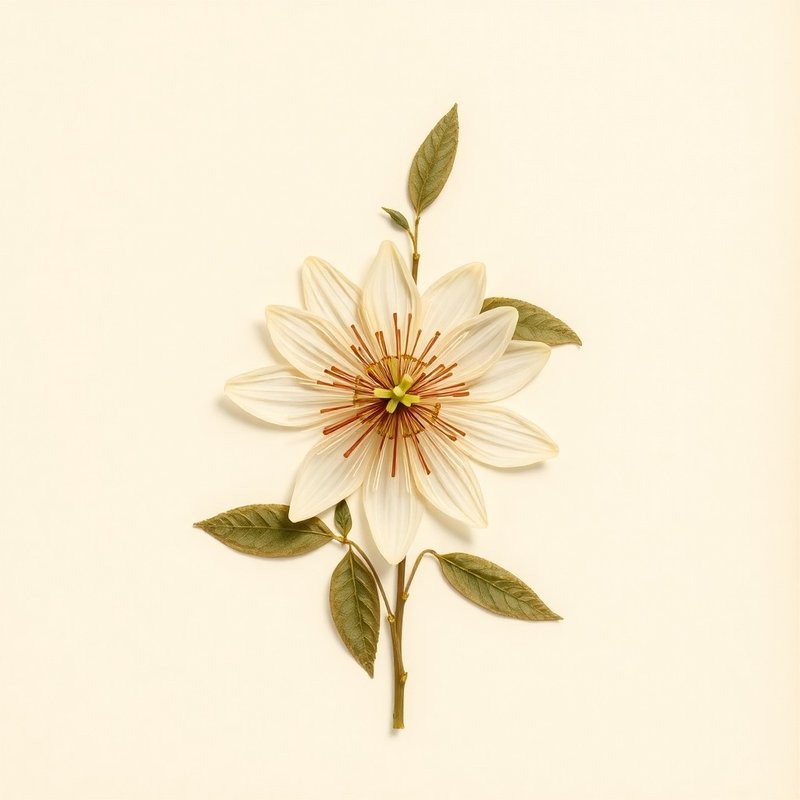
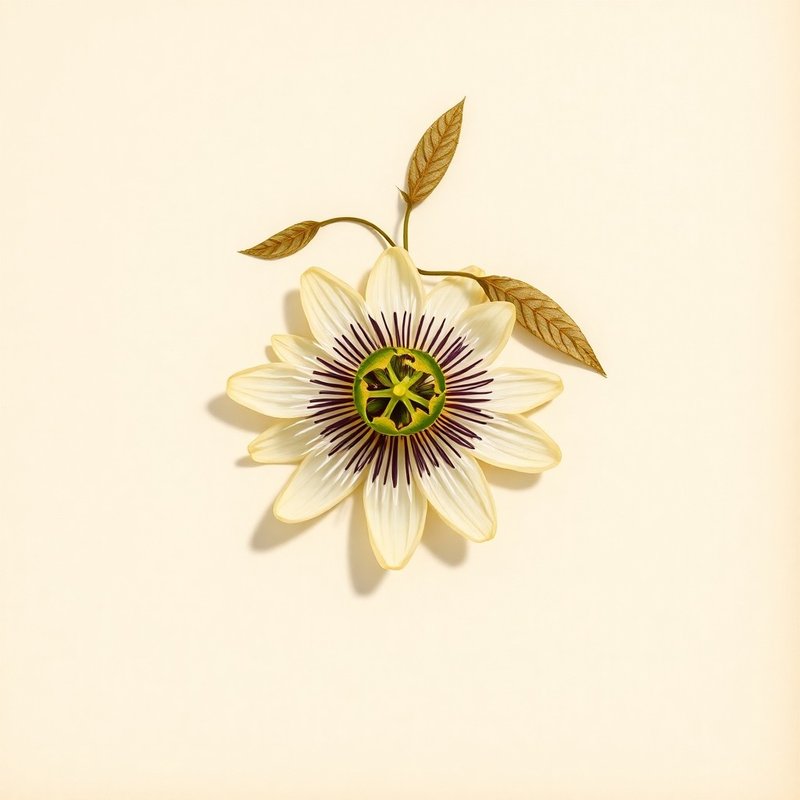
8 relatedPlants you might compare or use together — scored by shared family (Passifloraceae), common use cases, and growing requirements.
same family · Passifloraceae
Botanical relatives — often share phytochemistry + growing needs.

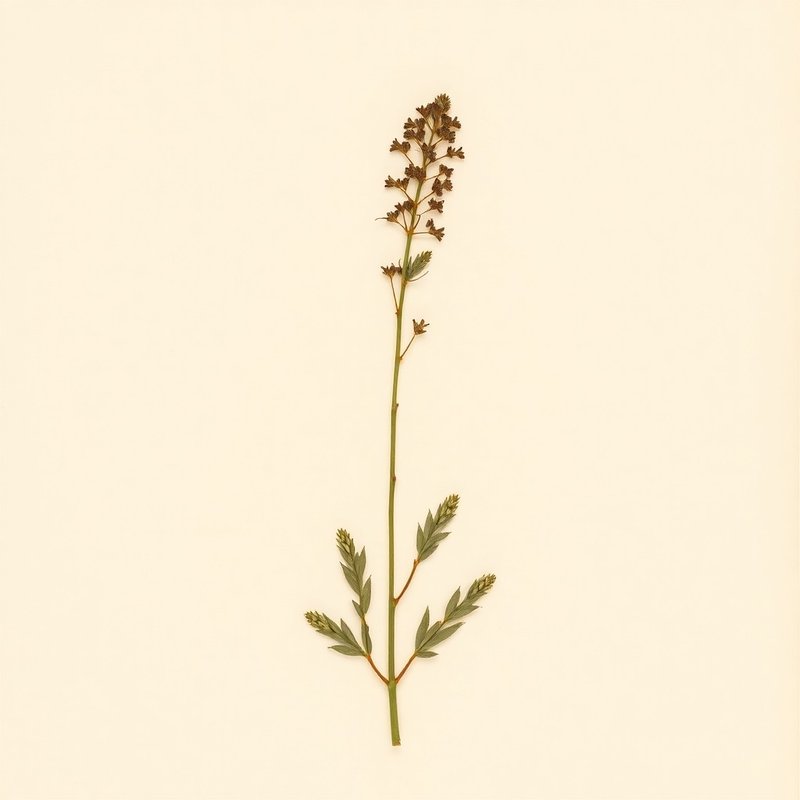
shared use cases
Different families, similar therapeutic role — good for comparing.
XI
Explore further
Companion planting
Health goals
Compare with similar plants
XII
About this entry
- Last updated
- Citation
- How to cite this entry · Submit a correction
Back to the cataloguePlant id · b7bcb725-45de-4b04-9799-b45bfecb61e4
Decision aid
Choosing between Passionflower and something else?
Continue reading
❦❦❦❦
Endpaper · archive updates
Get archive updates
Occasional email when substantial new content lands — plant profiles, seasonal growing notes, folk-remedy additions. Free, no tracking, unsubscribe anytime.