
Lemon balm
Melissa officinalisfam. Lamiaceae
A bright, lemon-scented mint family member. Rosmarinic acid is the lead compound; documented effects on anxiety, sleep, and cognition.
Educational content — not medical, botanical, or professional advice. Always consult a qualified clinician before using any herbal preparation — especially during pregnancy, breastfeeding, while on medication, or for children. How we source & review →
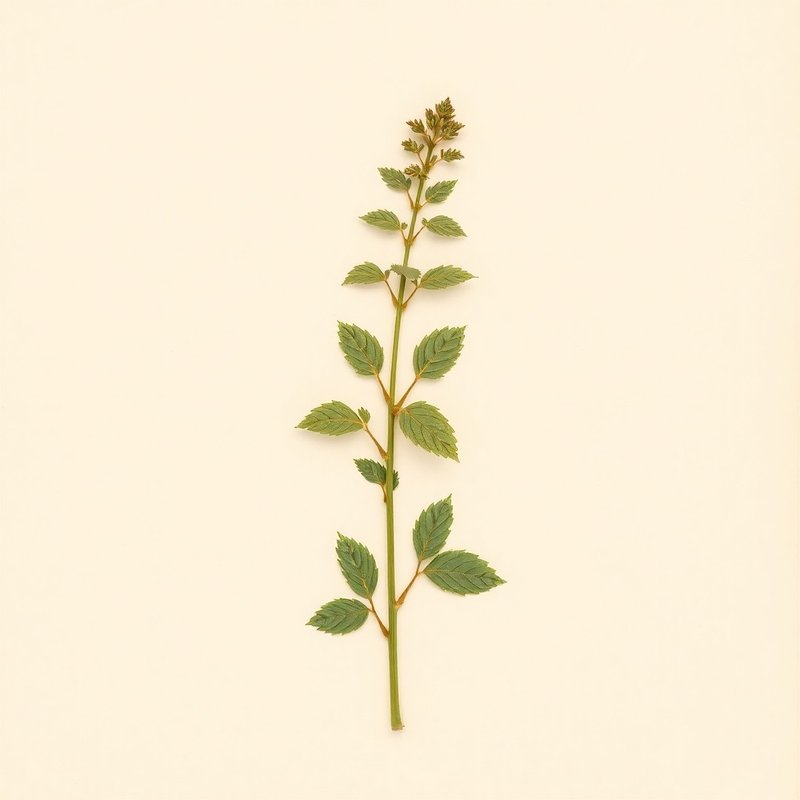
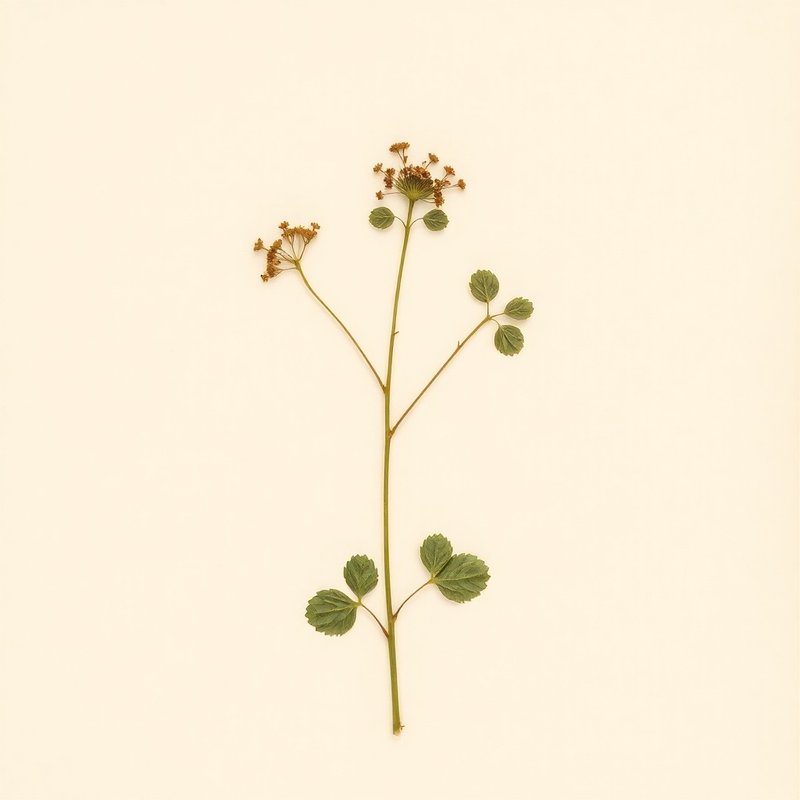
Pl. 2548 — Melissa officinalis
Melissa officinalisMelissa officinalisMelissa officinalisMelissa officinalisMelissa officinalisMelissa officinalisMelissa officinalisMelissa officinalisMelissa officinalisMelissa officinalisMelissa officinalisMelissa officinalisMelissa officinalisMelissa officinalis
IOverview
Overview
Lemon balm, scientifically known as Melissa officinalis and belonging to the mint family Lamiaceae, is a perennial herb native to south-central Europe and the Mediterranean region. This plant has been widely cultivated for its edible and medicinal properties, with leaves and aerial parts used in various applications. Known for its lemony scent and taste, it is often employed in culinary dishes and herbal teas. In addition to its culinary uses, lemon balm has a long history of traditional medicine, where it is recognized for its ability to reduce stress and improve calmness. It also supports better sleep quality and enhances cognitive performance when taken acutely. One of its distinctive features is the presence of rosmarinic acid, which contributes to its beneficial effects on mental well-being.
Quick answers
What is Lemon balm?
Lemon balm, scientifically known as Melissa officinalis and belonging to the mint family Lamiaceae, is a perennial herb native to south-central Europe and the Mediterranean region. This plant has been widely cultivated for its edible and medicinal properties, with leaves and aerial parts used in various applications.
What is Lemon balm used for?
Traditionally used for stress & anxiety, better sleep, energy & focus. Each claim is evidence-rated — see Section II for full citations.
Is Lemon balm safe?
2 documented contraindications — review Section III before use. Always consult a clinician for medical conditions, pregnancy, or medication interactions.
Best for
Top 3 evidence-ranked uses of Lemon balm
Clinicaluses · safety · chemistry · dosagemedicinal profile
IIBenefits & evidence
3 claims · 4 sources
Benefits & evidence
3 claims · 4 sources- Reduces stress and improves calm
Rosmarinic acid inhibits GABA-T, raising synaptic GABA. RCTs show acute mood-improving effects.
- Supports sleep quality (mild)
Combined with valerian or alone; small clinical effect on sleep onset and quality.
- Improves cognitive performance (acute)
Modest cholinergic activity; acute single-dose studies show improvements in alertness and accuracy.
IICautions & contraindications
2 cautions
Cautions & contraindications
2 cautionsthyroid
Theoretical antithyroid effect at high doses; clinical relevance unclear.
sedatives
Mild additive sedation possible.
Need audience-specific safety verdicts? See dogs, cats, children, pregnancy, or breastfeeding guides.
IIIActive compounds
1 listed
Active compounds
1 listedalkaloidterpeneflavonoidglycosidephenolicpolysaccharide
IVDosage
Dosage
| Form | Dose | Frequency | Duration |
|---|---|---|---|
Infusion / tea Mild potency | 1.5–4.5 g / 240 ml | 1–3× daily | Up to 56 days |
Tincture (1:5, 45%) High potency | 2–6 ml | 3× daily | Up to 42 days |
Standardized capsule Moderate potency | 300–600 mg | 1–2× daily | Up to 56 days |
IV·bMixology suggestions
2 drafts
Mixology suggestions
2 draftsEditorial drafts. These pairings are AI-suggested from traditional herbal lore. Always verify with a qualified herbalist before brewing.
Growingconditions · propagation · uses
VCultivation
Cultivation
Lemon balm thrives in full to partial sun and prefers well-draining soil that is slightly moist but not waterlogged. It is hardy in temperate regions and can be propagated through division or stem cuttings. Regular watering is necessary, especially during dry periods, to keep the soil consistently moist. The plant benefits from regular pruning to encourage bushiness and prevent it from becoming leggy. SKIP
For first-time growers
How to grow Lemon balm for the first time
8steps
Start with a simple, low-maintenance approach to growing lemon balm.
- 1
What you'll need
A small pot or garden bed, seeds or young plants.
- 2
Best time to plant
Plant in early spring or late summer for best results.
- 3
Soil and container prep
Use well-draining soil; containers should be at least 6 inches deep.
- 4
Sowing or transplanting
Direct sow seeds 1/4 inch deep, or plant young seedlings in the soil.
- 5
First two weeks
Water regularly to keep soil moist but not soggy; provide partial shade if direct sun is intense.
- 6
Ongoing care
Water when soil feels dry, and fertilize lightly every few months. Prune regularly for best growth.
- 7
Harvest or pruning
Prune back after flowering to encourage bushy growth; leaves can be harvested throughout the growing season.
- 8
Common mistakes
Overwatering, planting in heavy soil, and not providing enough sunlight are common issues.
VIEdible & utility
Edible & utility
Edible uses: The leaves of lemon balm are edible and can be used fresh or dried. They are often added to salads, teas, and desserts for their lemony flavor. The aerial parts can also be steeped in hot water to make a soothing tea. Skip the raw application as it may cause digestive issues.
Contextrange · companions · related
VIIDistribution
30 native · 0 introduced
Distribution
30 native · 0 introducedDistribution across3 continents· 30 native
Europe9 regions
native (9)AlbaniaBulgariaCyprusFranceGreeceItalyPortugalRussiaSpain
Asia6 regions
native (6)IranIraqPalestineTurkeyTurkmenistanUzbekistan
Africa3 regions
native (3)AlgeriaMoroccoTunisia
Broader regions
native:East Aegean Is., Kirgizstan, Kriti, Lebanon-Syria, Tadzhikistan, Transcaucasus, Turkey-in-Europe, Yugoslavia
VIIIGarden companions
5 pairs
Garden companions
5 pairsPlant near these
These plants help — by repelling pests, fixing nitrogen, attracting pollinators, or sharing space well.
Pumpkin / Zucchini
Cucurbita pepo
Pollinator-friendly
Lemon balm flowers attract bees near squash, but it should be contained.
Yarrow
Achillea millefolium
Pollinator-friendly
Lower-confidence herb guild pairing: overlapping bloom windows increase beneficial-insect habitat in medicinal herb beds.
Pot marigold
Calendula officinalis
Pollinator-friendly
Lower-confidence herb guild pairing: overlapping bloom windows increase beneficial-insect habitat in medicinal herb beds.
Fagopyrum esculentum
Fagopyrum esculentum
Pollinator-friendly
Lower-confidence herb guild pairing: overlapping bloom windows increase beneficial-insect habitat in medicinal herb beds.
White Clover
Trifolium repens
Living mulch
Lower-confidence herb guild pairing: low living mulches protect soil around taller perennial herbs when kept from crowding crowns.
IXSpecimen gallery
1 image
Specimen gallery
1 imageXSee also
8 related
See also
8 relatedPlants you might compare or use together — scored by shared family (Lamiaceae), common use cases, and growing requirements.
same family · Lamiaceae
Botanical relatives — often share phytochemistry + growing needs.
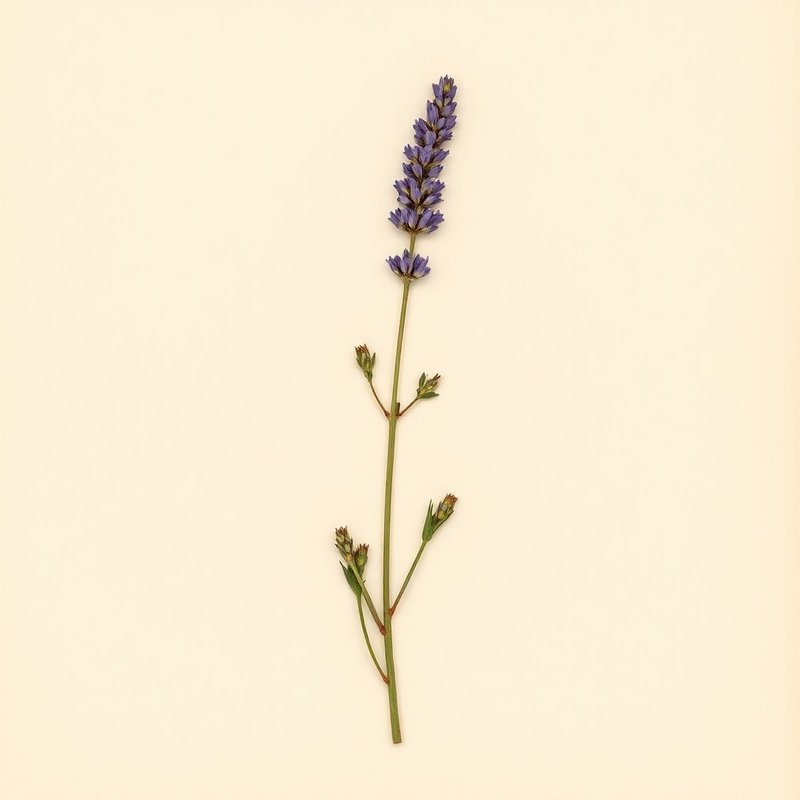
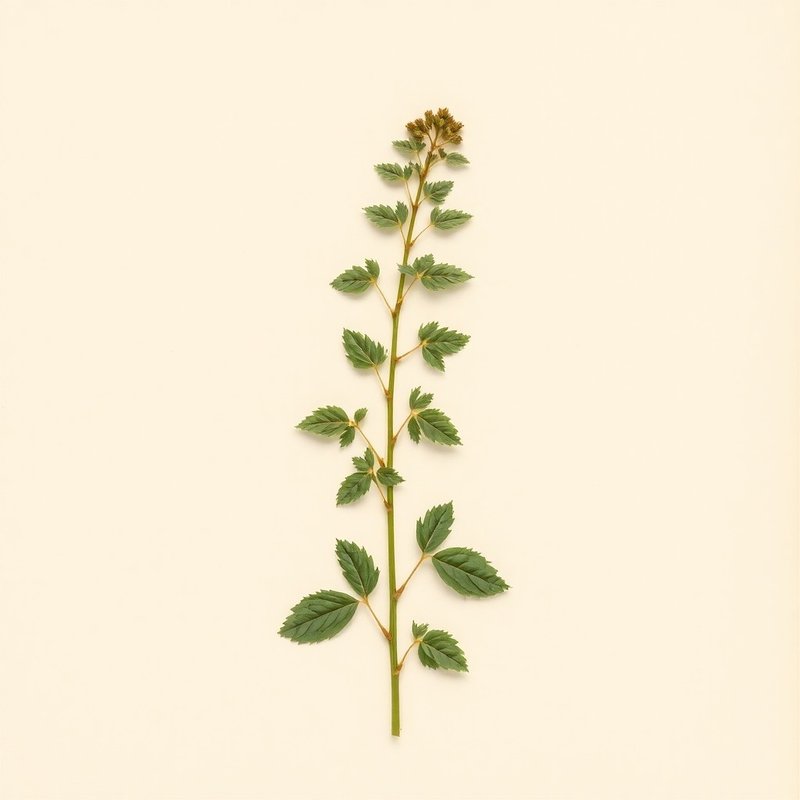
shared use cases
Different families, similar therapeutic role — good for comparing.
XI
Explore further
Companion planting
Health goals
Compare with similar plants
XII
About this entry
- Last updated
- Citation
- How to cite this entry · Submit a correction
Back to the cataloguePlant id · 254845b7-49e3-4670-b273-d2c0b805d0c3
Decision aid
Choosing between Lemon balm and something else?
Continue reading
❦❦❦❦
Endpaper · archive updates
Get archive updates
Occasional email when substantial new content lands — plant profiles, seasonal growing notes, folk-remedy additions. Free, no tracking, unsubscribe anytime.