
How to make tincture
Long-shelf-life extraction in alcohol. Captures both water- and oil-soluble compounds. The classic herbalist's tool.
I
What it is and where it comes from
Codified by 16th-century apothecaries (Paracelsus) as a way to preserve plant medicine. Still the herbalist's standard for both stability and bioavailability.
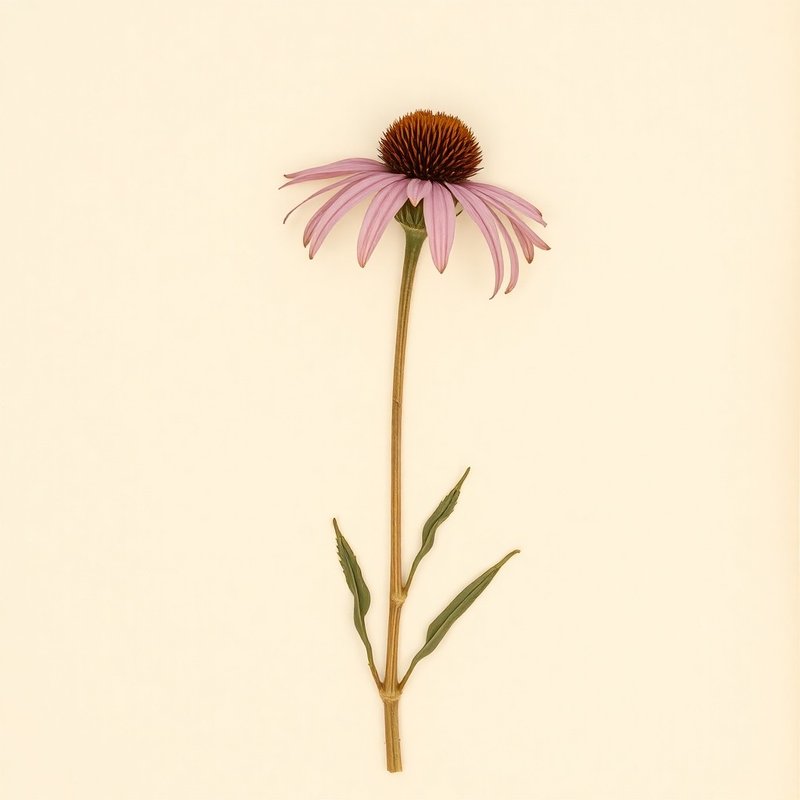
Best for: Long-term storage, precise dosing, herbs whose actives include alkaloids or resins that need alcohol for extraction (echinacea, valerian, propolis).
Standard ratio
Fresh: 1:2 (weight:volume) at 95% alcohol · Dried: 1:5 at 40-60% alcohol · 4-6 weeks macerate
II
The method step-by-step
- 1Chop or crush the plant material
Increase surface area. Fresh herbs: rough chop. Dried roots: break or grind coarsely.
- 2Pack into a clean glass jar
Fill ⅔ for dried herbs (they'll expand), ¾ for fresh. Avoid metal lids — alcohol corrodes them; use plastic-lined or glass.
- 3Pour alcohol over until fully submerged
Vodka (40%) for most leaves and flowers; everclear (95%) cut with water for resinous material. Cover by 2cm to prevent mold.
- 4Shake daily for 4-6 weeks
Store dark + cool. Shaking dislodges plant material from glass, maintains contact.
- 5Press and bottle
Strain through cheesecloth, press marc hard. Decant to dark amber dropper bottles. Label: plant, ratio, alcohol %, date.
III
Safety non-negotiable
Read before preparing
- Contains alcohol (typically 25-50%) — not appropriate for alcohol-recovery, pregnancy, infants, or some religious traditions.
- Glycerin or apple cider vinegar alternatives exist for alcohol-free needs (shorter shelf life, less complete extraction).
- Standard adult dose: 30-60 drops (~1-2ml) 2-3× daily. Plant-specific — see each plant profile.
- Dropper accuracy: 20 drops ≈ 1 ml in most herbal droppers.
IV
Plants with documented tincture dosage
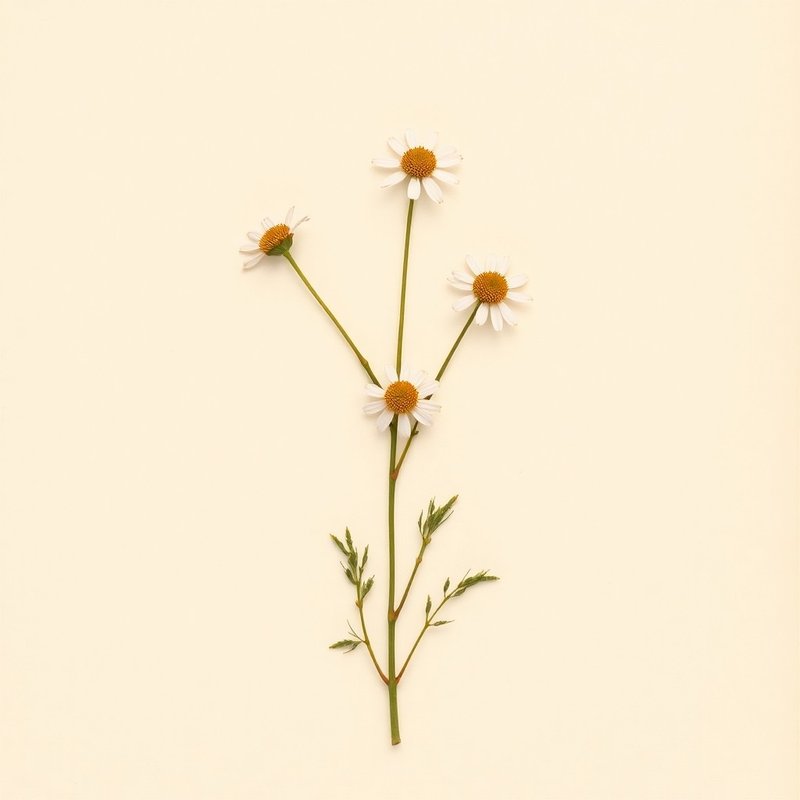
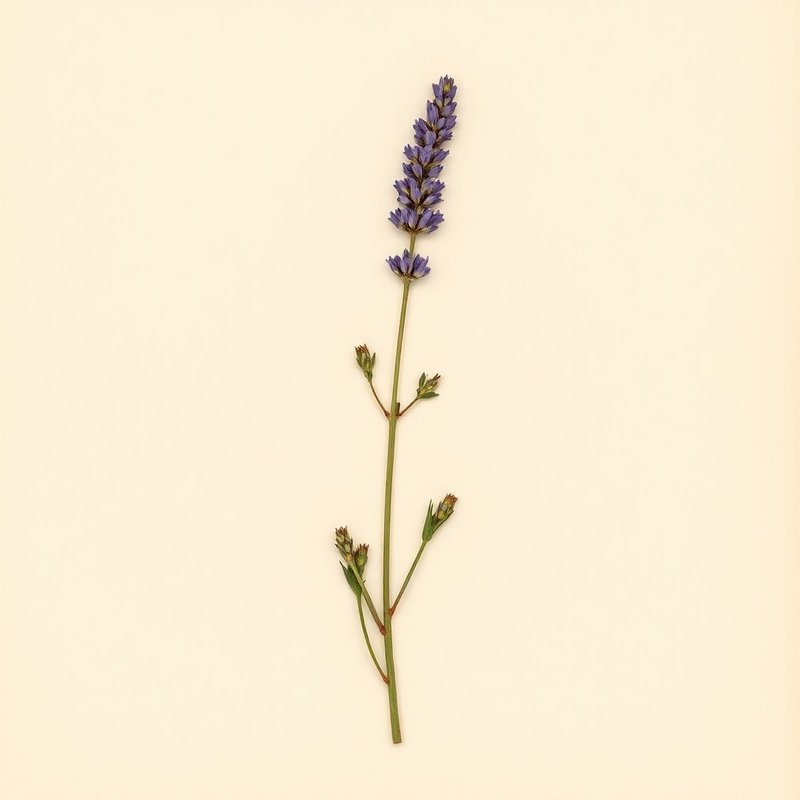
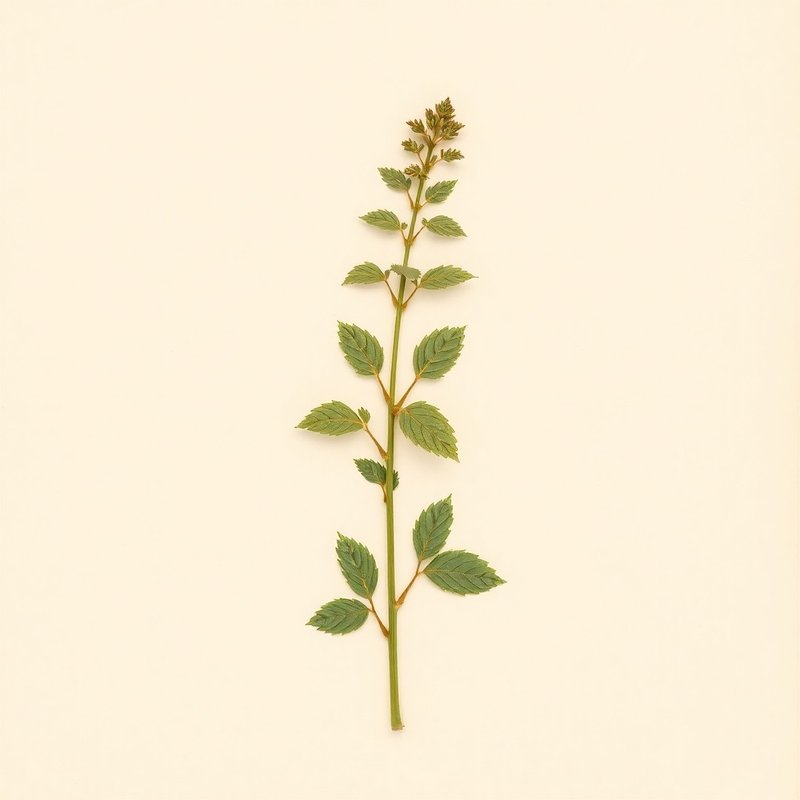
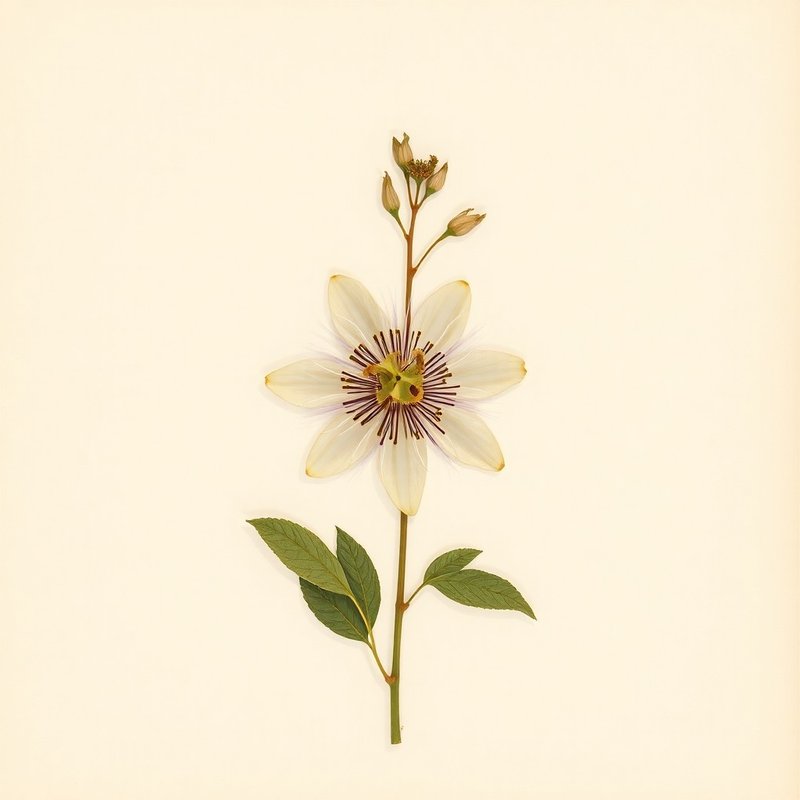
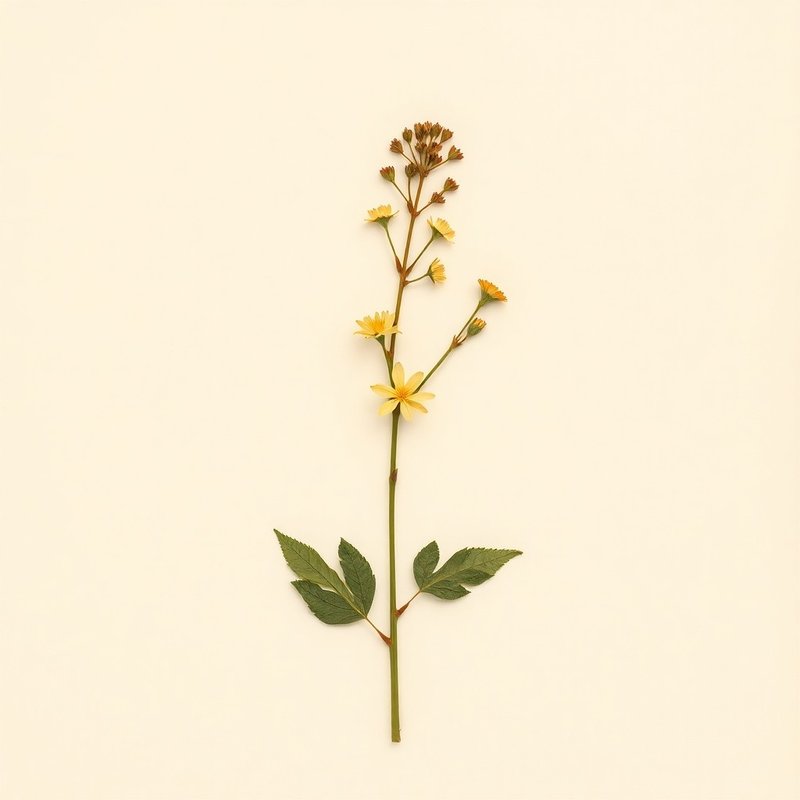
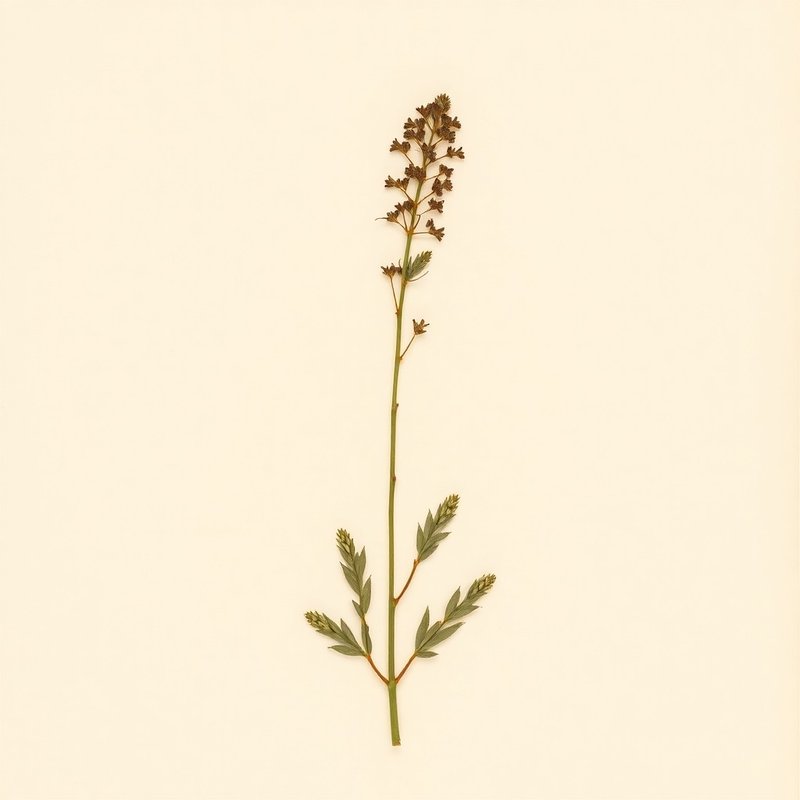
7Each plant below has a published tincture dose in our catalogue. Click through for the full profile, mechanism, and safety.
V
Want to combine plants?
Tincture is the form. Mixology is the formula. If you want to combine multiple plants in one preparation — checking compatibility, dose, and synergistic mechanism — use the Mixology Engine.
Open MixologyVI
Frequently asked
What is tincture?
Long-shelf-life extraction in alcohol. Captures both water- and oil-soluble compounds. The classic herbalist's tool. Long-term storage, precise dosing, herbs whose actives include alkaloids or resins that need alcohol for extraction (echinacea, valerian, propolis).
How long does it take to make tincture?
4-6 weeks of maceration.
Is tincture safe?
Contains alcohol (typically 25-50%) — not appropriate for alcohol-recovery, pregnancy, infants, or some religious traditions.
How long does tincture keep?
3-5 years stored cool + dark. Glycerin tinctures (alcohol-free): 1-2 years.
❦❦❦❦
Endpaper · archive updates
Get archive updates
Occasional email when substantial new content lands — plant profiles, seasonal growing notes, folk-remedy additions. Free, no tracking, unsubscribe anytime.