
Holy Basil
Ocimum tenuiflorum
Educational content — not medical, botanical, or professional advice. Always consult a qualified clinician before using any herbal preparation — especially during pregnancy, breastfeeding, while on medication, or for children. How we source & review →
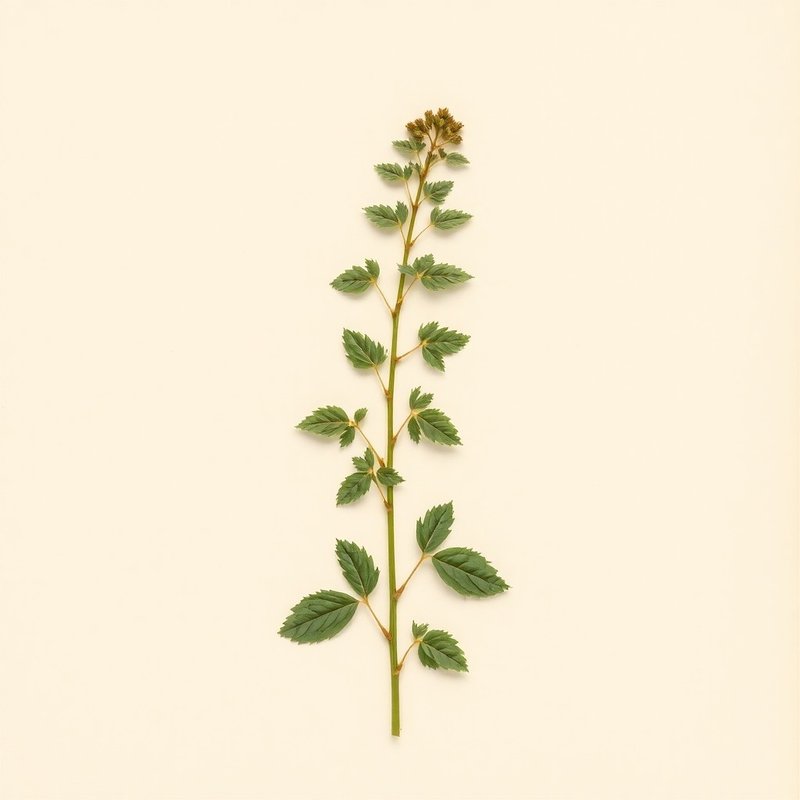
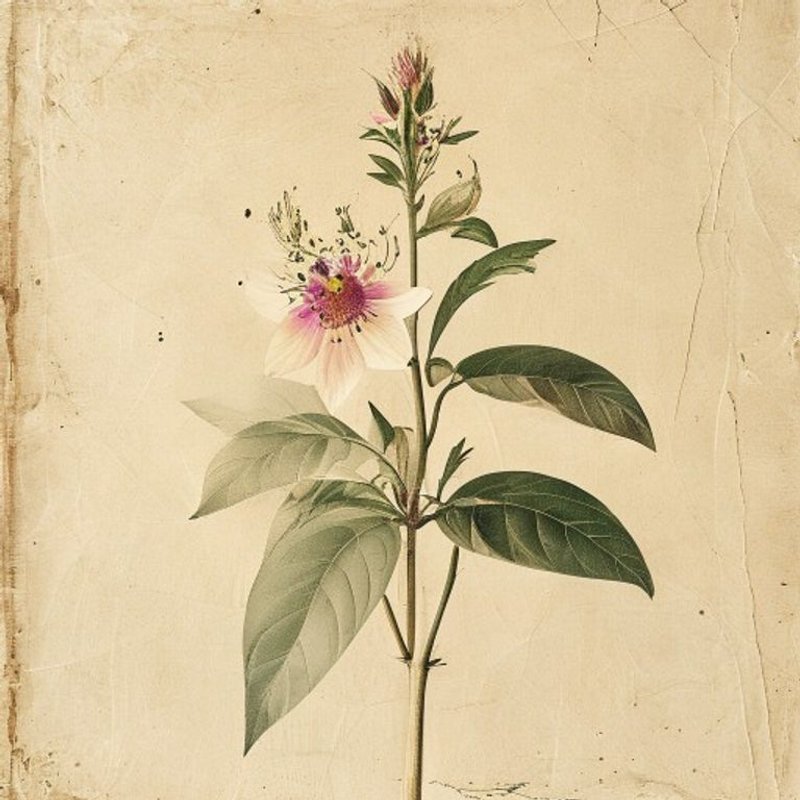
Pl. DE80 — Ocimum tenuiflorum
Ocimum tenuiflorumOcimum tenuiflorumOcimum tenuiflorumOcimum tenuiflorumOcimum tenuiflorumOcimum tenuiflorumOcimum tenuiflorumOcimum tenuiflorumOcimum tenuiflorumOcimum tenuiflorumOcimum tenuiflorumOcimum tenuiflorumOcimum tenuiflorumOcimum tenuiflorum
IOverview
Overview
Holy Basil (Ocimum tenuiflorum), also known as tulsi, is a perennial herb native to the tropical regions of Asia, including India and Southeast Asia. It thrives in full sun and prefers moist, well-drained soil that can be light (sandy), medium, or heavy (clay). This plant grows up to 1 meter tall with a width of about 30 centimeters, making it an attractive addition to gardens. Holy Basil is both edible and medicinal; its leaves, flowers, and seeds are commonly used in cooking and traditional medicine. In Ayurvedic practices, holy basil is known for supporting better sleep by reducing stress, alleviating anxiety through adaptogenic properties, enhancing mood stability during chronic stress, and providing morning energy and focus when consumed as a tea. Its versatility makes it a valuable plant in both culinary and therapeutic contexts.
Quick answers
What is Holy Basil?
Holy Basil (Ocimum tenuiflorum), also known as tulsi, is a perennial herb native to the tropical regions of Asia, including India and Southeast Asia. It thrives in full sun and prefers moist, well-drained soil that can be light (sandy), medium, or heavy (clay).
What is Holy Basil used for?
Traditionally used for better sleep, stress & anxiety, mood support. Each claim is evidence-rated — see Section II for full citations.
Best for
Top 3 evidence-ranked uses of Holy Basil
Clinicaluses · safety · chemistry · dosagemedicinal profile
IIBenefits & evidence
4 claims · 0 sources
Benefits & evidence
4 claims · 0 sources- Traditional use: tulsi as adaptogenic nervine. Daily use supports sleep secondary to stress.
Eugenol + adaptogenic compounds
- Traditional use: tulsi as adaptogen reducing perceived stress. Daily 300-600mg standardised extract.
Eugenol + adaptogenic
- Traditional use: tulsi for mood stability in chronic stress. Daily Ayurvedic tonic.
Eugenol
- Traditional use: tulsi morning tea for clarity + focus. Daily.
Eugenol + adaptogenic
IV·bMixology suggestions
1 draft
Mixology suggestions
1 draftEditorial drafts. These pairings are AI-suggested from traditional herbal lore. Always verify with a qualified herbalist before brewing.
Stress Relief Blend
stresstincture
Traditional use of tulsi and wild mint for stress reduction.
Growingconditions · propagation · uses
VCultivation
Cultivation
Holy Basil thrives in full sun and prefers moist soil that is light (sandy), medium, or heavy (clay). It grows to a height of 1 meter with a width of about 30 cm. Hardy in temperate regions from zones 10-12, this annual plant requires regular watering but can tolerate some drought once established. Propagate via seed for best results. Harvest its edible parts, including flowers, leaves, and seeds, throughout the growing season.
Light
Full sun
Water
Moist
Soil
Light (sandy), Medium, Heavy (clay)
Hardiness
10-12
Life cycle
Annual
Habit
Forb/herb
Mature size
1.0 m × 0.3 m
For first-time growers
How to grow Holy Basil for the first time
7steps
Start with a simple, sunny spot and basic soil to grow Holy Basil successfully.
- 1
What you'll need
Seeds or young plants, small pots, potting mix, water.
- 2
Best time to plant
Plant in spring when the last frost has passed and temperatures are warm.
- 3
Soil and container prep
Use a well-draining potting mix. Containers should be at least 15 cm deep.
- 4
Sowing or transplanting
Start seeds indoors 4-6 weeks before the last frost, then transplant outdoors after danger of frost.
- 5
First two weeks
Keep soil moist and place in a sunny spot. Water daily until plants are established.
- 6
Ongoing care
Water regularly to keep soil consistently moist but not soggy. Provide full sun, 6-8 hours per day.
- 7
Harvest or pruning
Prune regularly to encourage bushy growth and harvest leaves as needed.
VIEdible & utility
Edible & utility
Edible parts:FlowersLeavesSeed
Edible uses: Holy Basil's leaves and flowers are commonly eaten fresh or dried. The seeds can also be used, often in small quantities for flavoring. Leaves are typically added to salads, soups, and curries, while the flowers may be used in teas or as a garnish. Dried leaves and flowers are sometimes steeped in hot water to make herbal infusions.
Contextrange · companions · related
VIIDistribution
30 native · 0 introduced
Distribution
30 native · 0 introducedDistribution across2 continents· 30 native
Asia11 regions
native (11)BangladeshCambodiaChinaIndiaLaosMyanmarNepalPhilippinesSri LankaTaiwanThailand
Oceania1 region
native (1)Vanuatu
Broader regions
native:Jawa, Bismarck Archipelago, Borneo, Caroline Is., East Himalaya, Hainan, Andaman Is., Marianas, Marshall Is., New Guinea, Nicobar Is., Queensland, Solomon Is., South China Sea, Sulawesi, Sumatera
IXSpecimen gallery
1 image
Specimen gallery
1 imageXSee also
8 related
See also
8 relatedPlants you might compare or use together — scored by shared family, common use cases, and growing requirements.
shared use cases
Different families, similar therapeutic role — good for comparing.
XI
Explore further
Companion planting
Health goals
Compare with similar plants
Growing zone
XII
About this entry
- Last updated
- Citation
- How to cite this entry · Submit a correction
Back to the cataloguePlant id · de8049ec-450b-4022-9404-33466558528c
Decision aid
Choosing between Holy Basil and something else?
Continue reading
❦❦❦❦
Endpaper · archive updates
Get archive updates
Occasional email when substantial new content lands — plant profiles, seasonal growing notes, folk-remedy additions. Free, no tracking, unsubscribe anytime.