
Best plants for best plants for bathroom — PlantSage
Best plants for bathroom
— Bathroom conditions — high humidity, lower light, temperature swings — kill most houseplants but are paradise for tropicals. Ferns, calatheas, and bromeliads that struggle in dry l
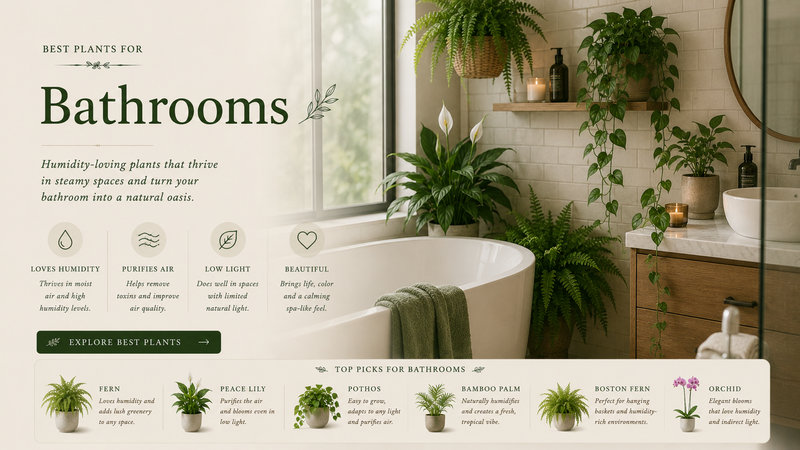
Bathroom conditions — high humidity, lower light, temperature swings — kill most houseplants but are paradise for tropicals. Ferns, calatheas, and bromeliads that struggle in dry living rooms thrive in steamy bathrooms. The picks below tolerate the variable light (most bathroom windows are small or frosted) plus the chemical residue from shampoos and cleaners.
Recommended picks
Abyssinian Cabbage, scientifically known as Brassica carinata, is an annual plant belonging to the Brassicaceae family, …
Abyssinian Kale (Crambe abyssinica) is a hardy annual native to the highlands of Ethiopia, Kenya, Rwanda, Tanzania, Ugan…
Achyranthes faureri, a perennial plant in the Asteraceae family, is native to regions including Assam, Bangladesh, Borne…
Aconitum heterophyllum, known as the Himalayan wolfsbane, is a perennial plant native to Nepal, Pakistan, and the West H…
Aconitum koreanum, a member of the Ranunculaceae family, is a perennial plant native to Japan, Korea, Manchuria, and Pri…
Aconitum multifidum, commonly known as Aconite or Wolfsbane, is a hardy perennial plant belonging to the Ranunculaceae f…
Aconitum rotundifolium, a perennial plant belonging to the Ranunculaceae family, is native to regions including Afghanis…
Aconitum septentrionale, commonly known as Northern Wolfsbane, is a perennial plant native to regions including Altay, B…
Aconitum violaceum, commonly known as Aconite or Wolfsbane, is a perennial plant native to the mountainous regions of Ne…
Actinidia rubus, commonly known as the red kiwifruit, is a deciduous vine native to the south central regions of China. …
Actinidia strigosa, a member of the Moraceae family, is native to the East Himalaya region, including Nepal. This vine t…
Adam's Needle (Yucca smalliana) is a subshrub or shrub native to the southeastern United States and Ontario, thriving in…
The Adder's tongue fern, Ophioglossum reticulatum, is a unique member of the Ophioglossaceae family, known for its disti…
Adderstongue (Erythronium multiscapideum) is a native California plant belonging to the family Liliaceae. This herbaceou…
Adenophora verticillata, commonly known as Adenophora verticillata, is a perennial plant native to regions including Amu…
Adria Bellflower, scientifically known as Campanula portenschlagiana and belonging to the Campanulaceae family, is a per…
Adriatic Bellflower, scientifically known as Campanula fenestrellata and belonging to the Campanulaceae family, is a per…
Adzuki Bean (Vigna angularis) is an annual vine native to eastern Asia, including regions such as Assam, China South Cen…
Aegopodium alpestre, commonly known as mountain cow parsley, is a perennial herb native to regions such as Altay, Amur, …
African Lily, scientifically known as Agapanthus africanus, is a member of the Agavaceae family and is native to the Cap…
Agapanthus campanulatus, commonly known as the African lily, is a member of the Agapanthaceae family and is native to th…
Agapanthus praecox minimus, commonly known as the small blue lily, is a herbaceous perennial belonging to the Agavaceae …
Ageratina aromatica, commonly known as aromatic ragweed, is a perennial plant native to the southeastern United States, …
Agrimony (Agrimonia eupatoria) is a perennial plant native to a wide range of regions across Europe and parts of Asia, i…
Bathroom plants water themselves through ambient humidity, so over-watering is a real risk. Drain quickly after each watering and let the top soil dry between drinks. If your bathroom has no window at all, rotate plants to a brighter room every 2 weeks.
Common questions
Does humidity from showers actually help plants?
Yes — most tropical houseplants prefer 50-70% humidity, which bathrooms easily reach during/after showers. Ferns, calathea, and orchids especially benefit.
Which plants tolerate a windowless bathroom?
ZZ plant, snake plant, and pothos tolerate the darkest conditions. If the bathroom has zero natural light, rotate plants to a brighter spot every 1-2 weeks to keep them healthy.
Can soap and shampoo residue harm plants?
Not at normal exposure levels — droplets that settle on leaves are dilute enough to wipe off occasionally. Avoid placing plants directly under shower heads.
Do bathroom plants need less watering?
Usually yes. Bathroom humidity reduces transpiration, so plants drink less. Check soil before watering; for most species, water once a week or less.
What about ventilation fans?
Continuous airflow over plants can dry them out and cause leaf damage. Place plants on the opposite side of the fan from the airflow, or away from direct draft.
Related guides
Get archive updates
Occasional email when substantial new content lands — plant profiles, seasonal growing notes, folk-remedy additions. Free, no tracking, unsubscribe anytime.