
Best plants for best plants for bedroom — PlantSage
Best plants for bedroom
— Bedroom plants are chosen for two reasons: improving sleep quality and air purification. Calming aromatics like lavender and jasmine have evidence for shorter sleep onset; air-puri
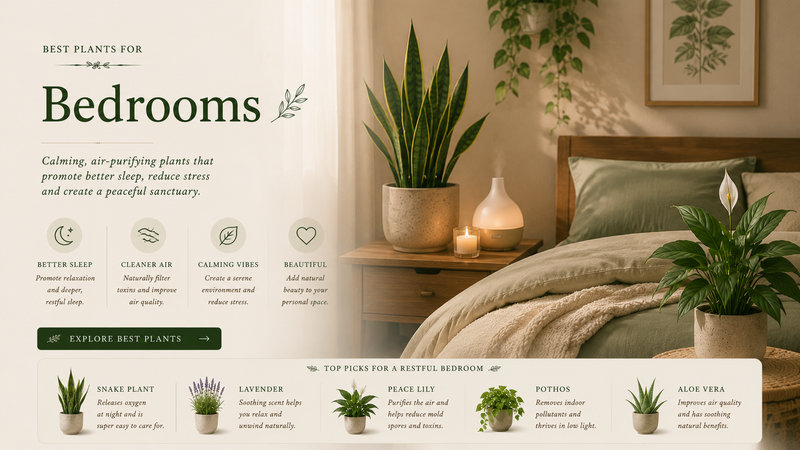
Bedroom plants are chosen for two reasons: improving sleep quality and air purification. Calming aromatics like lavender and jasmine have evidence for shorter sleep onset; air-purifying species like snake plant and pothos clear common indoor pollutants while releasing oxygen at night (unlike most plants, which release CO₂ after dark). Pick low-maintenance, non-toxic species that won't trigger allergies.
Recommended picks
Jessamine (Jasminum officinale), a member of the Oleaceae family, is a vine or shrub native to regions such as Afghanist…
Abyssinian Cabbage, scientifically known as Brassica carinata, is an annual plant belonging to the Brassicaceae family, …
Abyssinian Kale (Crambe abyssinica) is a hardy annual native to the highlands of Ethiopia, Kenya, Rwanda, Tanzania, Ugan…
Achyranthes faureri, a perennial plant in the Asteraceae family, is native to regions including Assam, Bangladesh, Borne…
Aconitum heterophyllum, known as the Himalayan wolfsbane, is a perennial plant native to Nepal, Pakistan, and the West H…
Aconitum koreanum, a member of the Ranunculaceae family, is a perennial plant native to Japan, Korea, Manchuria, and Pri…
Aconitum multifidum, commonly known as Aconite or Wolfsbane, is a hardy perennial plant belonging to the Ranunculaceae f…
Aconitum rotundifolium, a perennial plant belonging to the Ranunculaceae family, is native to regions including Afghanis…
Aconitum septentrionale, commonly known as Northern Wolfsbane, is a perennial plant native to regions including Altay, B…
Aconitum violaceum, commonly known as Aconite or Wolfsbane, is a perennial plant native to the mountainous regions of Ne…
Actinidia rubus, commonly known as the red kiwifruit, is a deciduous vine native to the south central regions of China. …
Actinidia strigosa, a member of the Moraceae family, is native to the East Himalaya region, including Nepal. This vine t…
Adam's Needle (Yucca smalliana) is a subshrub or shrub native to the southeastern United States and Ontario, thriving in…
The Adder's tongue fern, Ophioglossum reticulatum, is a unique member of the Ophioglossaceae family, known for its disti…
Adderstongue (Erythronium multiscapideum) is a native California plant belonging to the family Liliaceae. This herbaceou…
Adenophora verticillata, commonly known as Adenophora verticillata, is a perennial plant native to regions including Amu…
Adria Bellflower, scientifically known as Campanula portenschlagiana and belonging to the Campanulaceae family, is a per…
Adriatic Bellflower, scientifically known as Campanula fenestrellata and belonging to the Campanulaceae family, is a per…
Adzuki Bean (Vigna angularis) is an annual vine native to eastern Asia, including regions such as Assam, China South Cen…
Aegopodium alpestre, commonly known as mountain cow parsley, is a perennial herb native to regions such as Altay, Amur, …
African Lily, scientifically known as Agapanthus africanus, is a member of the Agavaceae family and is native to the Cap…
Agapanthus campanulatus, commonly known as the African lily, is a member of the Agapanthaceae family and is native to th…
Agapanthus praecox minimus, commonly known as the small blue lily, is a herbaceous perennial belonging to the Agavaceae …
Ageratina aromatica, commonly known as aromatic ragweed, is a perennial plant native to the southeastern United States, …
Agrimony (Agrimonia eupatoria) is a perennial plant native to a wide range of regions across Europe and parts of Asia, i…
Bedrooms tend to be cooler at night (16-19°C) — most tropical houseplants tolerate this, but ferns and orchids may suffer. Avoid heavily-scented plants if you're a light sleeper; subtle aromatics like lavender work better than potent ones like gardenia.
Common questions
Do plants improve sleep?
Some do. Lavender aromatherapy has measurable effects on sleep onset latency and quality in clinical trials. Air-purifying plants like snake plant remove indoor pollutants (formaldehyde, benzene) that can disrupt sleep when concentrated.
Is it safe to sleep with plants in the bedroom?
Yes. The myth that plants suffocate sleepers by 'consuming oxygen' at night is false — the CO₂ exchange of a few houseplants is trivial compared to one human's breath. Snake plant and a few succulents actually release oxygen at night via CAM photosynthesis.
Which plants help with allergies?
Avoid heavily-scented or pollen-producing flowers. Snake plant, peace lily, and pothos filter airborne irritants without releasing pollen. Skip ferns if you're sensitive to mold (their humid soil grows it).
Best low-maintenance plant for the bedroom?
Snake plant. Tolerates near-darkness, needs water only every 2-3 weeks, releases oxygen at night, and removes formaldehyde from the air.
Do I need to move plants out of the bedroom at night?
No. The 'plants steal oxygen at night' claim is biologically false at this scale. Don't lose sleep over it.
Related guides
Get archive updates
Occasional email when substantial new content lands — plant profiles, seasonal growing notes, folk-remedy additions. Free, no tracking, unsubscribe anytime.