
Cichorium intybus
Cichorium intybus
Educational content — not medical, botanical, or professional advice. Always consult a qualified clinician before using any herbal preparation — especially during pregnancy, breastfeeding, while on medication, or for children. How we source & review →
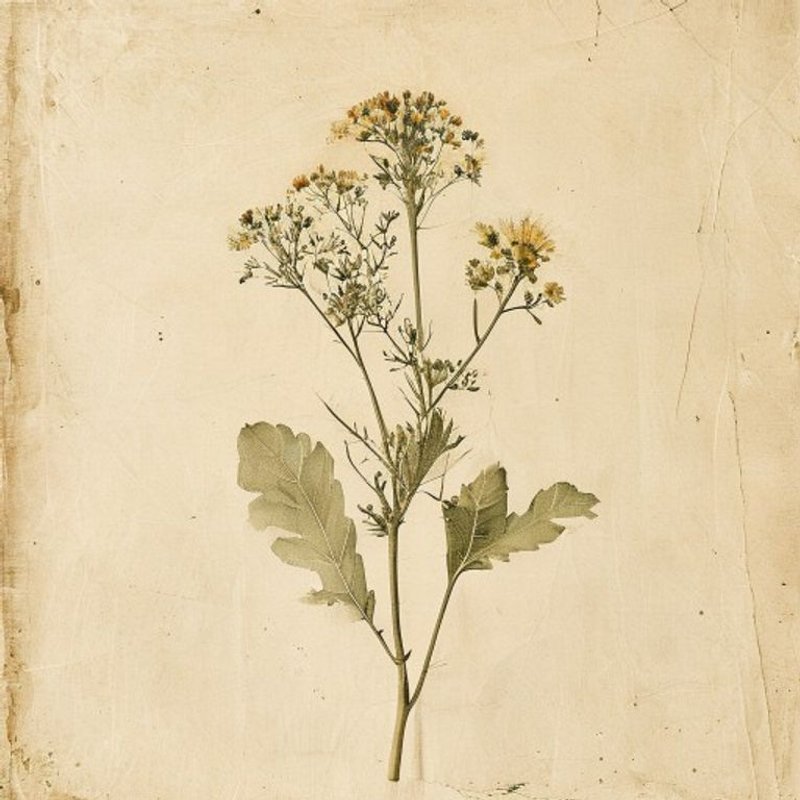
Pl. BD09 — Cichorium intybus
Cichorium intybusCichorium intybusCichorium intybusCichorium intybusCichorium intybusCichorium intybusCichorium intybusCichorium intybusCichorium intybusCichorium intybusCichorium intybusCichorium intybusCichorium intybusCichorium intybus
IOverview
Overview
Cichorium intybus, commonly known as bitter chicory, is a hardy perennial herb native to Europe and parts of Asia. It thrives in moist, light to heavy soils with a pH between 6 and 7.5, making it adaptable to various growing conditions. This plant can reach heights of 1.5 meters and is often found in habitats ranging from Europe to Afghanistan and beyond. Bitter chicory is known for its edible leaves and roots, which are ready for harvest after 40 days and 120 days respectively. It can be propagated through direct sowing or division, with plants spaced about 30 cm apart. The plant's distinctive feature lies in its bitter taste, which has made it a valued ingredient in salads and coffee alternatives.
Quick answers
What is Cichorium intybus?
Cichorium intybus, commonly known as bitter chicory, is a hardy perennial herb native to Europe and parts of Asia. It thrives in moist, light to heavy soils with a pH between 6 and 7.5, making it adaptable to various growing conditions. This plant can reach heights of 1.
What is Cichorium intybus used for?
Traditionally used for digestion. Each claim is evidence-rated — see Section II for full citations.
Best for
Top 1 evidence-ranked use of Cichorium intybus
Clinicaluses · safety · chemistry · dosagemedicinal profile
IIBenefits & evidence
1 claim · 0 sources
Benefits & evidence
1 claim · 0 sources- Traditional-use note: Cichorium intybus appears in herbal sources around after-meal comfort traditions, often as a tea. PlantSage presents this as ethnobotanical context, not as medical advice.
Traditional context only. This reviewed claim keeps the original low confidence level, but avoids treatment, disease, dosage, or guaranteed-effect language.
IV·bMixology suggestions
1 draft
Mixology suggestions
1 draftEditorial drafts. These pairings are AI-suggested from traditional herbal lore. Always verify with a qualified herbalist before brewing.
Cichorium intybus support blend
generaltea
AI returned a direct ingredient list; normalized into one draft blend for editorial review.
Growingconditions · propagation · uses
VCultivation
Cultivation
Cichorium intybus thrives in light to medium soil and prefers a pH between 6 and 7.5. It is hardy in temperate regions with zones ranging from 3-7. Provide moist conditions but avoid overly wet or clay-heavy soils. Sow seeds directly or transplant them, spacing plants about 30cm apart. For leaves, harvest after 40 days; roots take around 120 days to mature. This perennial grows up to 1.5m tall and is best propagated through seed or division. Ensure it receives adequate sunlight for optimal growth.
Light
8/10
Water
Moist
Soil
Light (sandy), Medium, Heavy (clay)
Hardiness
3-7
Life cycle
Perennial
Habit
Forb/herb
Mature size
1.5m m tall
Soil pH
6–7.5
- Propagation
- Seed - direct sow, Seed - transplant, Division
- Germination
- 7-21 days
- Days to maturity
- 40 (leaves), 120 (roots)
- Spacing
- 30cm
For first-time growers
How to grow Cichorium intybus for the first time
8steps
Start with direct sowing in early spring for a rewarding first gardening experience.
- 1
What you'll need
Seeds, a garden plot or large container, soil, and watering can.
- 2
Best time to plant
Direct sow seeds in early spring as soon as the ground is workable.
- 3
Soil and container prep
Prepare well-draining soil with a pH between 6 and 7.5, ensuring it's light or medium.
- 4
Sowing or transplanting
Direct sow seeds about 1 cm deep and 30 cm apart in rows. Transplant seedlings when they have several leaves.
- 5
First two weeks
Keep the soil consistently moist, watering regularly to prevent drying out.
- 6
Ongoing care
Water as needed, especially during dry spells, and mulch around plants to retain moisture. Remove weeds carefully.
- 7
Harvest or pruning
Prune flowers after they fade to encourage more blooms and maintain the plant's health.
- 8
Common mistakes
Overwatering, planting in heavy clay soil, neglecting to mulch, and not removing spent flowers.
VIEdible & utility
Edible & utility
Edible parts:leavesflowers
Edible uses: Coffee
Other uses:BiomassCompostDynamic accumulator
Contextrange · companions · related
VIIDistribution
30 native · 0 introduced
Distribution
30 native · 0 introducedDistribution across3 continents· 30 native
Europe15 regions
native (15)AlbaniaAustriaBelarusBelgiumBulgariaCyprusDenmarkFinlandFranceGermanyGreeceHungaryItalyRussiaSpain
Asia4 regions
native (4)AfghanistanIranIraqKazakhstan
Africa3 regions
native (3)AlgeriaCabo VerdeEgypt
Broader regions
native:Kirgizstan, East Aegean Is., Czechoslovakia, Europe, Baltic States, Kriti
VIIIGarden companions
4 pairs
Garden companions
4 pairsPlant near these
These plants help — by repelling pests, fixing nitrogen, attracting pollinators, or sharing space well.
Yarrow
Achillea millefolium
Pollinator-friendly
Lower-confidence herb guild pairing: overlapping bloom windows increase beneficial-insect habitat in medicinal herb beds.
Pot marigold
Calendula officinalis
Pollinator-friendly
Lower-confidence herb guild pairing: overlapping bloom windows increase beneficial-insect habitat in medicinal herb beds.
Fagopyrum esculentum
Fagopyrum esculentum
Pollinator-friendly
Lower-confidence herb guild pairing: overlapping bloom windows increase beneficial-insect habitat in medicinal herb beds.
White Clover
Trifolium repens
Living mulch
Lower-confidence herb guild pairing: low living mulches protect soil around taller perennial herbs when kept from crowding crowns.
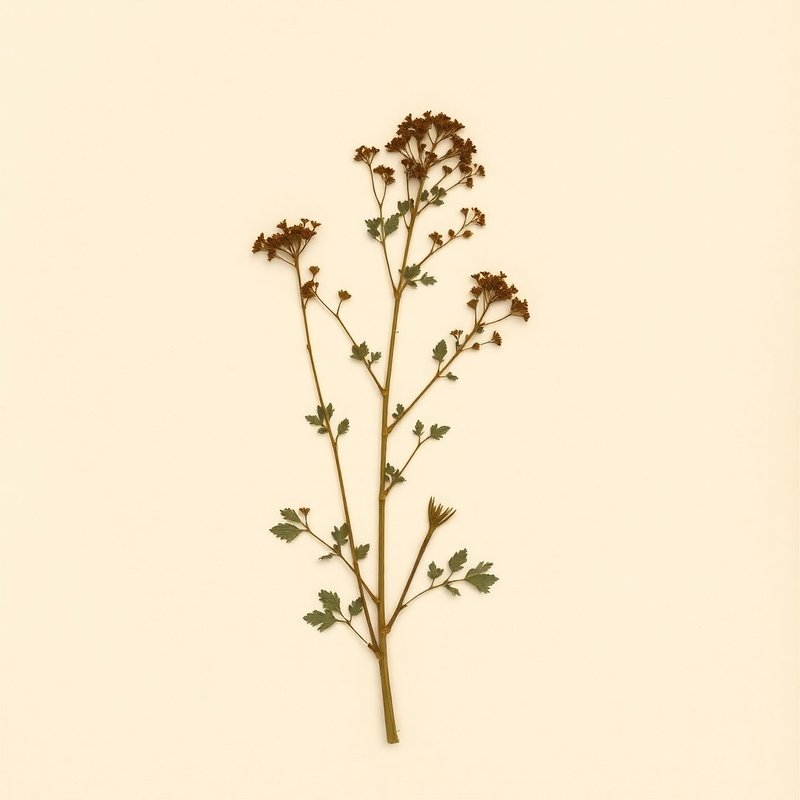
IXSpecimen gallery
1 image
Specimen gallery
1 imageXSee also
8 related
See also
8 relatedPlants you might compare or use together — scored by shared family, common use cases, and growing requirements.
shared use cases
Different families, similar therapeutic role — good for comparing.


XI
Explore further
Companion planting
Health goals
Compare with similar plants
Growing zone
XII
About this entry
- Last updated
- Citation
- How to cite this entry · Submit a correction
Back to the cataloguePlant id · bd090192-0eb0-478d-b93d-bc3f90cacff1
Decision aid
Choosing between Cichorium intybus and something else?
Continue reading
❦❦❦❦
Endpaper · archive updates
Get archive updates
Occasional email when substantial new content lands — plant profiles, seasonal growing notes, folk-remedy additions. Free, no tracking, unsubscribe anytime.