
White Clover
Trifolium repens
Educational content — not medical, botanical, or professional advice. Always consult a qualified clinician before using any herbal preparation — especially during pregnancy, breastfeeding, while on medication, or for children. How we source & review →

Pl. 3797 — Trifolium repens
Trifolium repensTrifolium repensTrifolium repensTrifolium repensTrifolium repensTrifolium repensTrifolium repensTrifolium repensTrifolium repensTrifolium repensTrifolium repensTrifolium repensTrifolium repensTrifolium repens
IOverview
Overview
White Clover (Trifolium repens) is a perennial herb known for its widespread distribution across Europe, Asia, and Africa. Native to Afghanistan, Albania, Algeria, and parts of the Altay region, this plant thrives in moist, light to heavy soil with a pH between 6 and 7. It can be found growing in various habitats from Europe to Asia, including central Russia, Scandinavia, and parts of North Africa. White Clover is valued for its edible qualities, as both its leaves and flowers are safe to consume. Its distinctive three-leaf structure and light green color make it easily recognizable. This plant also serves as an important ground cover due to its ability to fix nitrogen in the soil, benefiting other plants in nearby areas.
Quick answers
What is White Clover?
White Clover (Trifolium repens) is a perennial herb known for its widespread distribution across Europe, Asia, and Africa. Native to Afghanistan, Albania, Algeria, and parts of the Altay region, this plant thrives in moist, light to heavy soil with a pH between 6 and 7.
What is White Clover used for?
Traditionally used for digestion. Each claim is evidence-rated — see Section II for full citations.
Best for
Top 1 evidence-ranked use of White Clover
Clinicaluses · safety · chemistry · dosagemedicinal profile
IIBenefits & evidence
1 claim · 0 sources
Benefits & evidence
1 claim · 0 sources- Traditional-use note: White Clover appears in herbal sources around after-meal comfort traditions, often as a traditional preparation. PlantSage presents this as ethnobotanical context, not as medical advice.
Traditional context only. This reviewed claim keeps the original low confidence level, but avoids treatment, disease, dosage, or guaranteed-effect language.
IV·bMixology suggestions
1 draft
Mixology suggestions
1 draftEditorial drafts. These pairings are AI-suggested from traditional herbal lore. Always verify with a qualified herbalist before brewing.
White Clover support blend
generaltea
AI returned a direct ingredient list; normalized into one draft blend for editorial review.
Growingconditions · propagation · uses
VCultivation
Cultivation
White Clover thrives in moist conditions and prefers light (sandy), medium, or heavy (clay) soils with a pH of 6 to 7. It is hardy in temperate regions from zones 4 to 8 and can be propagated through seed sowing or division. This perennial forbs/herb grows up to 10 cm tall and spreads to about 30 cm wide, making it suitable for ground cover. Ensure the plant receives light to moderate shade and regular watering, especially during dry spells. SKIP
Light
7/10
Water
Moist
Soil
Light (sandy), Medium, Heavy (clay)
Hardiness
4-8
Life cycle
Perennial
Habit
Forb/herb
Mature size
0.1 m × 0.3 m
Soil pH
6–7
For first-time growers
How to grow White Clover for the first time
8steps
White Clover is a low-maintenance plant perfect for beginners, especially in moist, light soil.
- 1
What you'll need
Seeds or small plants, a trowel, and a watering can.
- 2
Best time to plant
Plant in spring or fall when the weather is cooler.
- 3
Soil and container prep
Choose a spot with moist, light soil (sandy, medium, or clay) with a pH of 6-7.
- 4
Sowing or transplanting
Direct sow seeds 0.5 cm deep or plant small clover plants in the ground.
- 5
First two weeks
Water regularly to keep soil moist, but not waterlogged.
- 6
Ongoing care
Provide light watering as needed and occasional mowing if desired.
- 7
Harvest or pruning
Prune by lightly cutting back the plant in late spring for a fresh look.
- 8
Common mistakes
Overwatering, planting in too dry soil, not providing enough light.
VIEdible & utility
Edible & utility
Edible parts:FlowersLeavesRoot
Edible uses: Condiment, Tea
Other uses:Animal feedCover cropDynamic accumulatorGround coverNitrogen fixer
Contextrange · companions · related
VIIDistribution
30 native · 0 introduced
Distribution
30 native · 0 introducedDistribution across3 continents· 30 native
Europe15 regions
native (15)AlbaniaBelarusBelgiumBulgariaDenmarkFinlandFranceGermanyGreeceHungaryIrelandPortugalRussiaSpainUnited Kingdom
Asia4 regions
native (4)AfghanistanIndiaIranIraq
Africa3 regions
native (3)AlgeriaEgyptEthiopia
Broader regions
native:Baltic States, Buryatiya, Czechoslovakia, East Aegean Is., East Himalaya, Føroyar
VIIIGarden companions
51 pairs
Garden companions
51 pairsPlant near these
These plants help — by repelling pests, fixing nitrogen, attracting pollinators, or sharing space well.
Apple
Malus domestica
Nitrogen fixerDynamic accumulator
Living-mulch under fruit trees.
Strawberry
Fragaria × ananassa
Living mulch
White clover can act as a managed living mulch at strawberry bed edges.
Pear
Pyrus communis
Living mulchDynamic accumulator
White clover fixes nitrogen as a low orchard understory.
Common Grape Vine
Vitis vinifera
Living mulchDynamic accumulator
White clover protects soil and fixes nitrogen between grape rows.
Quince
Cydonia oblonga
Dynamic accumulator
Lower-confidence orchard guild pairing: deep-rooted or nitrogen-supporting plants can be chopped and dropped as managed mulch.
Apricot
Prunus armeniaca
Dynamic accumulator
Lower-confidence orchard guild pairing: deep-rooted or nitrogen-supporting plants can be chopped and dropped as managed mulch.
Sweet cherry
Prunus avium
Dynamic accumulator
Lower-confidence orchard guild pairing: deep-rooted or nitrogen-supporting plants can be chopped and dropped as managed mulch.
Sour cherry
Prunus cerasus
Dynamic accumulator
Lower-confidence orchard guild pairing: deep-rooted or nitrogen-supporting plants can be chopped and dropped as managed mulch.
European plum
Prunus domestica
Dynamic accumulator
Lower-confidence orchard guild pairing: deep-rooted or nitrogen-supporting plants can be chopped and dropped as managed mulch.
Peach
Prunus persica
Dynamic accumulator
Lower-confidence orchard guild pairing: deep-rooted or nitrogen-supporting plants can be chopped and dropped as managed mulch.
Black elderberry
Sambucus nigra
Dynamic accumulator
Lower-confidence orchard guild pairing: deep-rooted or nitrogen-supporting plants can be chopped and dropped as managed mulch.
Cress
Lepidium sativum
Living mulch
Lower-confidence guild pairing: low ground covers protect soil, reduce bare patches, and can be cut back if they compete.
Pastinaca sativa
Pastinaca sativa
Living mulch
Lower-confidence guild pairing: low ground covers protect soil, reduce bare patches, and can be cut back if they compete.
Radish
Raphanus sativus
Living mulch
Lower-confidence guild pairing: low ground covers protect soil, reduce bare patches, and can be cut back if they compete.
Potato
Solanum tuberosum
Living mulch
Lower-confidence guild pairing: low ground covers protect soil, reduce bare patches, and can be cut back if they compete.
Spinach
Spinacia oleracea
Living mulch
Lower-confidence guild pairing: low ground covers protect soil, reduce bare patches, and can be cut back if they compete.
Turnip
Brassica rapa
Living mulch
Lower-confidence guild pairing: low ground covers protect soil, reduce bare patches, and can be cut back if they compete.
Tomato
Solanum lycopersicum
Living mulch
Lower-confidence guild pairing: low ground covers protect soil, reduce bare patches, and can be cut back if they compete.
Wild Cabbage
Brassica oleracea
Living mulch
Lower-confidence guild pairing: low ground covers protect soil, reduce bare patches, and can be cut back if they compete.
Abelmoschus esculentus
Abelmoschus esculentus
Living mulch
Lower-confidence guild pairing: low ground covers protect soil, reduce bare patches, and can be cut back if they compete.
Amaranthus cruentus
Amaranthus cruentus
Living mulch
Lower-confidence guild pairing: low ground covers protect soil, reduce bare patches, and can be cut back if they compete.
Amaranthus hypochondriacus
Amaranthus hypochondriacus
Living mulch
Lower-confidence guild pairing: low ground covers protect soil, reduce bare patches, and can be cut back if they compete.
Pigweed
Amaranthus retroflexus
Living mulch
Lower-confidence guild pairing: low ground covers protect soil, reduce bare patches, and can be cut back if they compete.
Celery
Apium graveolens
Living mulch
Lower-confidence guild pairing: low ground covers protect soil, reduce bare patches, and can be cut back if they compete.
Asparagus
Asparagus officinalis
Living mulch
Lower-confidence guild pairing: low ground covers protect soil, reduce bare patches, and can be cut back if they compete.
Cucumis melo
Cucumis melo
Living mulch
Lower-confidence guild pairing: low ground covers protect soil, reduce bare patches, and can be cut back if they compete.
Cucumis sativus
Cucumis sativus
Living mulch
Lower-confidence guild pairing: low ground covers protect soil, reduce bare patches, and can be cut back if they compete.
Pumpkin / Zucchini
Cucurbita pepo
Living mulch
Lower-confidence guild pairing: low ground covers protect soil, reduce bare patches, and can be cut back if they compete.
Daucus carota
Daucus carota
Living mulch
Lower-confidence guild pairing: low ground covers protect soil, reduce bare patches, and can be cut back if they compete.
Lactuca sativa
Lactuca sativa
Living mulch
Lower-confidence guild pairing: low ground covers protect soil, reduce bare patches, and can be cut back if they compete.
Anise Hyssop
Agastache foeniculum
Living mulch
Lower-confidence herb guild pairing: low living mulches protect soil around taller perennial herbs when kept from crowding crowns.
Korean Mint
Agastache rugosa
Living mulch
Lower-confidence herb guild pairing: low living mulches protect soil around taller perennial herbs when kept from crowding crowns.
Althaea officinalis
Althaea officinalis
Living mulch
Lower-confidence herb guild pairing: low living mulches protect soil around taller perennial herbs when kept from crowding crowns.
Angelica
Angelica archangelica
Living mulch
Lower-confidence herb guild pairing: low living mulches protect soil around taller perennial herbs when kept from crowding crowns.
Great Burdock
Arctium lappa
Living mulch
Lower-confidence herb guild pairing: low living mulches protect soil around taller perennial herbs when kept from crowding crowns.
Cichorium intybus
Cichorium intybus
Living mulch
Lower-confidence herb guild pairing: low living mulches protect soil around taller perennial herbs when kept from crowding crowns.
Hop
Humulus lupulus
Living mulch
Lower-confidence herb guild pairing: low living mulches protect soil around taller perennial herbs when kept from crowding crowns.
Hyssop
Hyssopus officinalis
Living mulch
Lower-confidence herb guild pairing: low living mulches protect soil around taller perennial herbs when kept from crowding crowns.
Lovage
Levisticum officinale
Living mulch
Lower-confidence herb guild pairing: low living mulches protect soil around taller perennial herbs when kept from crowding crowns.
Malva sylvestris
Malva sylvestris
Living mulch
Lower-confidence herb guild pairing: low living mulches protect soil around taller perennial herbs when kept from crowding crowns.
Lemon balm
Melissa officinalis
Living mulch
Lower-confidence herb guild pairing: low living mulches protect soil around taller perennial herbs when kept from crowding crowns.
Bergamot
Monarda didyma
Living mulch
Lower-confidence herb guild pairing: low living mulches protect soil around taller perennial herbs when kept from crowding crowns.
Catmint
Nepeta cataria
Living mulch
Lower-confidence herb guild pairing: low living mulches protect soil around taller perennial herbs when kept from crowding crowns.
Marjoram
Origanum majorana
Living mulch
Lower-confidence herb guild pairing: low living mulches protect soil around taller perennial herbs when kept from crowding crowns.
Origanum vulgare
Origanum vulgare
Living mulch
Lower-confidence herb guild pairing: low living mulches protect soil around taller perennial herbs when kept from crowding crowns.
Sage
Salvia officinalis
Living mulch
Lower-confidence herb guild pairing: low living mulches protect soil around taller perennial herbs when kept from crowding crowns.
Satureja hortensis
Satureja hortensis
Living mulch
Lower-confidence herb guild pairing: low living mulches protect soil around taller perennial herbs when kept from crowding crowns.
Satureja montana
Satureja montana
Living mulch
Lower-confidence herb guild pairing: low living mulches protect soil around taller perennial herbs when kept from crowding crowns.
IXSpecimen gallery
1 image
Specimen gallery
1 imageXSee also
8 related
See also
8 relatedPlants you might compare or use together — scored by shared family, common use cases, and growing requirements.
shared use cases
Different families, similar therapeutic role — good for comparing.
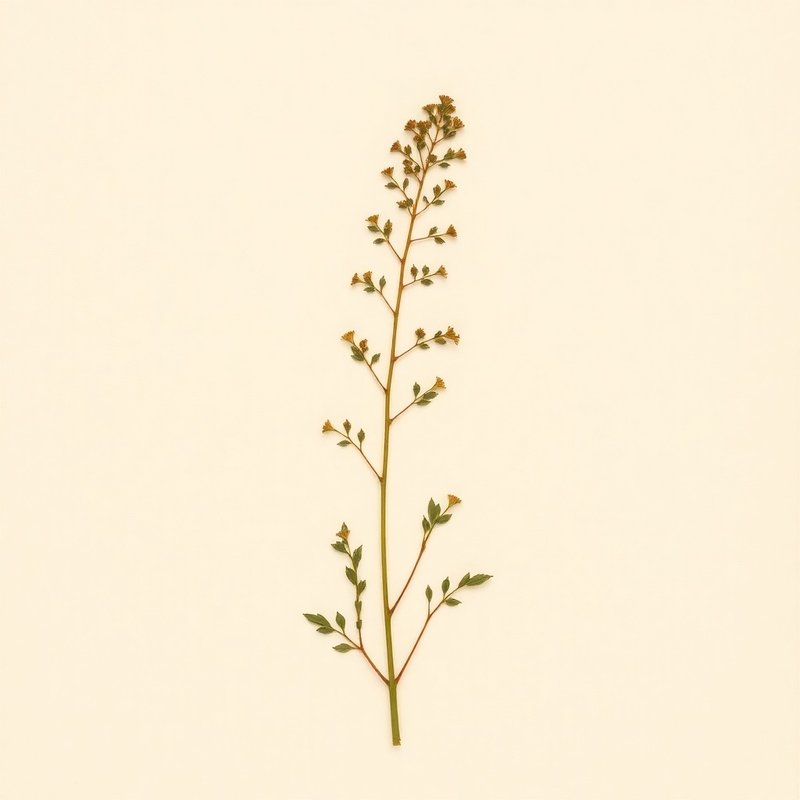
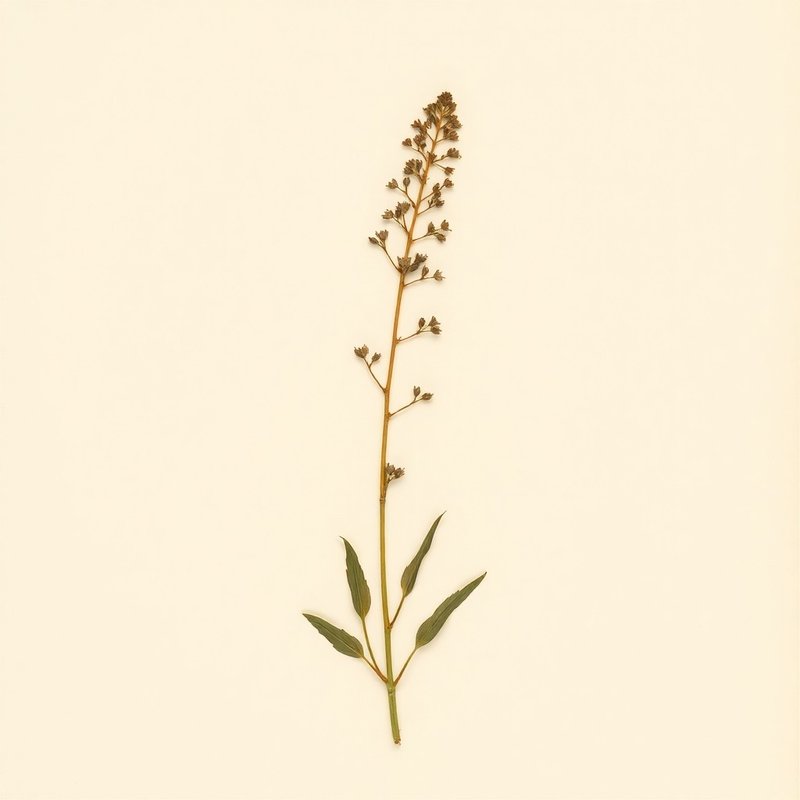

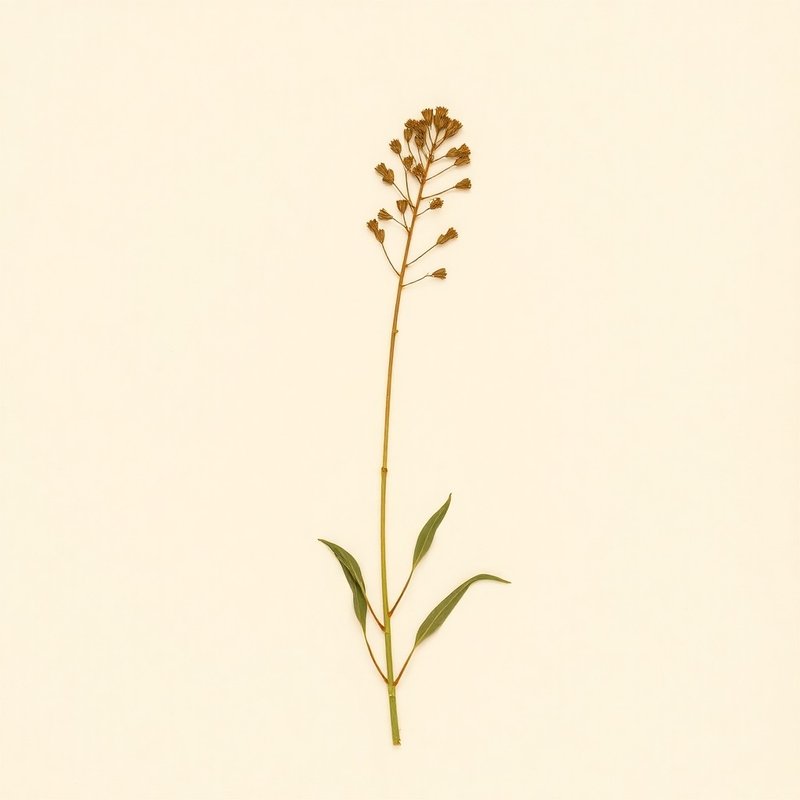

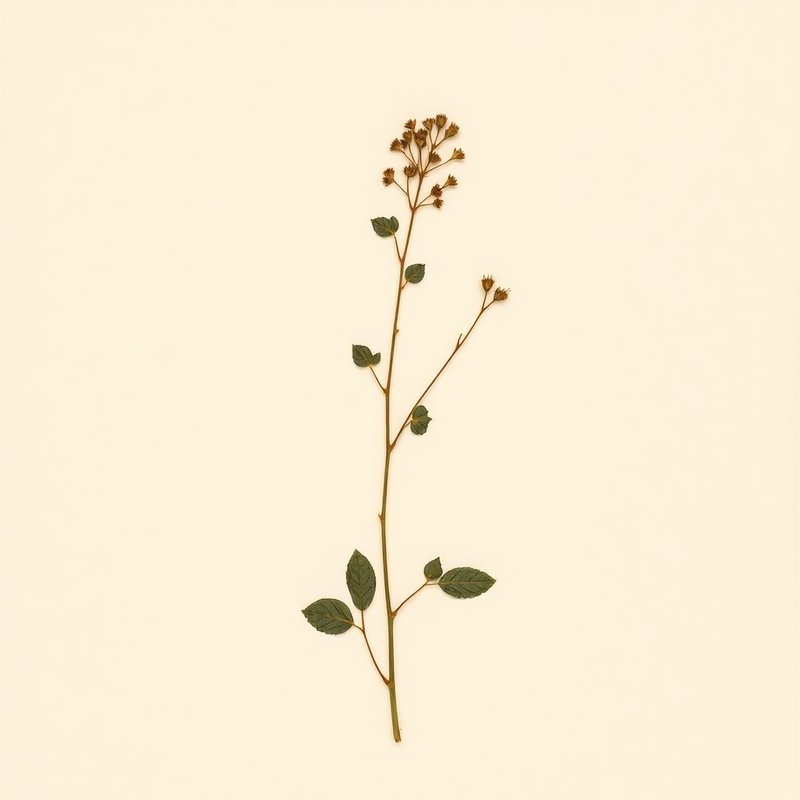
XI
Explore further
Companion planting
Health goals
Compare with similar plants
Growing zone
XII
About this entry
- Last updated
- Citation
- How to cite this entry · Submit a correction
Back to the cataloguePlant id · 3797b20b-f1d5-4f9b-b375-83a220be92a3
Decision aid
Choosing between White Clover and something else?
Continue reading
❦❦❦❦
Endpaper · archive updates
Get archive updates
Occasional email when substantial new content lands — plant profiles, seasonal growing notes, folk-remedy additions. Free, no tracking, unsubscribe anytime.