
Yarrow
Achillea millefolium
Educational content — not medical, botanical, or professional advice. Always consult a qualified clinician before using any herbal preparation — especially during pregnancy, breastfeeding, while on medication, or for children. How we source & review →
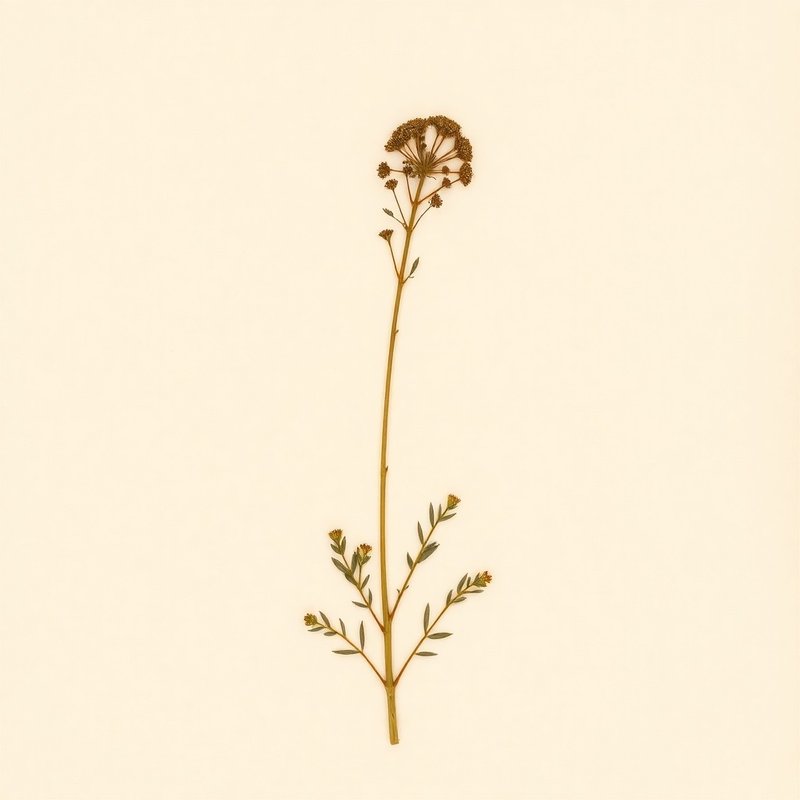
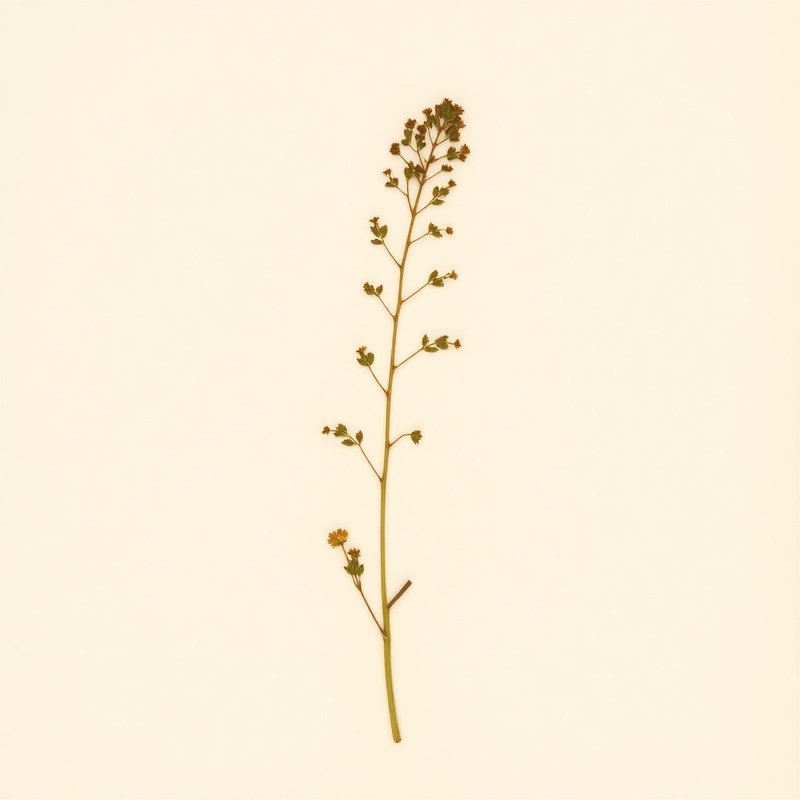
Pl. 3B37 — Achillea millefolium
Achillea millefoliumAchillea millefoliumAchillea millefoliumAchillea millefoliumAchillea millefoliumAchillea millefoliumAchillea millefoliumAchillea millefoliumAchillea millefoliumAchillea millefoliumAchillea millefoliumAchillea millefoliumAchillea millefoliumAchillea millefolium
IOverview
Overview
Yarrow, Achillea millefolium, is a perennial herb found across North America and Europe, from Afghanistan to Alaska and from Alabama to Wyoming. Known for its light, airy foliage and medicinal properties, yarrow has been used traditionally for stopping bleeding, healing wounds, supporting the immune system, and aiding digestion. This plant thrives in various soil types—light, medium, or heavy—and prefers a pH between 6 and 8. It can be propagated by direct seeding or indoor planting followed by hardening off before transplanting outside. Yarrow's leaves are edible and have been used for culinary purposes. Its light, dry to moist nature makes it adaptable in gardens where it can grow up to 0.6 meters tall. In traditional medicine, yarrow is recognized for its topical applications on wounds and as a support for the first-line immune response during fevers.
Quick answers
What is Yarrow?
Yarrow, Achillea millefolium, is a perennial herb found across North America and Europe, from Afghanistan to Alaska and from Alabama to Wyoming.
What is Yarrow used for?
Traditionally used for topical & skin, immune support, digestion. Each claim is evidence-rated — see Section II for full citations.
Best for
Top 3 evidence-ranked uses of Yarrow
Clinicaluses · safety · chemistry · dosagemedicinal profile
IIBenefits & evidence
3 claims · 0 sources
Benefits & evidence
3 claims · 0 sources- Traditional use: yarrow stops bleeding, heals wounds. Crushed leaf or infused oil.
Achilleine — coagulation
- Traditional use: yarrow stops bleeding + supports first-line immune response (fever support).
Achilleine + sesquiterpene lactones
- Traditional use: yarrow bitter cooling for inflammation-driven indigestion.
Achilleine + bitter principles
IV·bMixology suggestions
2 drafts
Mixology suggestions
2 draftsEditorial drafts. These pairings are AI-suggested from traditional herbal lore. Always verify with a qualified herbalist before brewing.
Immune Support Blend
immunetincture
Traditional use for supporting the immune system.
Digestive Comfort
digestiontea
Traditional use for aiding digestion.
Growingconditions · propagation · uses
VCultivation
Cultivation
Yarrow thrives in light to medium soil and prefers a pH between 6 and 8. It can handle both dry and moist conditions but dislikes heavy clay soils. This perennial is hardy from zones 4 to 8, making it adaptable to various climates. Yarrow requires full sun and should be propagated by direct seeding or indoor sowing followed by hardening off before transplanting outside. The plant grows up to 0.6 meters tall and can be used for its edible leaves.
Light
8/10
Water
Dry, Moist
Soil
Light (sandy), Medium, Heavy (clay)
Hardiness
4-8
Life cycle
Perennial
Habit
Forb/herb
Mature size
0.6 m tall
Soil pH
6–8
- Propagation
- Direct seed. If planting indoors, harden off before transplanting seedlings outside.
- Row spacing
- 45 cm
For first-time growers
How to grow Yarrow for the first time
8steps
Yarrow is a hardy perennial that's easy to grow for beginners, making it an excellent choice for your first garden plant.
- 1
What you'll need
Seeds or seedlings, a trowel, and a watering can.
- 2
Best time to plant
Plant seeds in spring after the last frost or transplant young plants in early spring or late summer.
- 3
Soil and container prep
Choose a well-draining soil with a pH between 6 and 8. Ensure containers have drainage holes.
- 4
Sowing or transplanting
Direct sow seeds outdoors after the last frost, or start them indoors 4-6 weeks before planting outside.
- 5
First two weeks
Keep soil consistently moist and protect seedlings from extreme weather. Gradually expose to outdoor conditions.
- 6
Ongoing care
Water regularly but avoid overwatering, especially in clay soils. Deadhead flowers to encourage more blooms.
- 7
Harvest or pruning
Prune back after flowering to maintain shape and prevent self-seeding. Remove dead leaves as needed.
- 8
Common mistakes
Overwatering, planting too deep, neglecting to prune, and not providing enough sunlight.
VIEdible & utility
Edible & utility
Edible parts:Leaves
Edible uses: Condiment, Tea
Other uses:CompanionCompostCosmeticDyeEssential OilHairAnimal feedDynamic accumulatorGround coverFragrance
Contextrange · companions · related
VIIDistribution
30 native · 0 introduced
Distribution
30 native · 0 introducedDistribution across3 continents· 30 native
Europe8 regions
native (8)AlbaniaAustriaBelarusBelgiumBulgariaDenmarkNorwayRussia
Asia1 region
native (1)Afghanistan
Americas1 region
native (1)United States
Broader regions
native:Alabama, Alberta, Altay, Amur, Arizona, Arkansas, Baltic States, Massachusetts, Nova Scotia, British Columbia, Buryatiya, California, Chita, Colorado, Connecticut, Czechoslovakia, Delaware, District of Columbia, East Himalaya
VIIIGarden companions
53 pairs
Garden companions
53 pairsPlant near these
These plants help — by repelling pests, fixing nitrogen, attracting pollinators, or sharing space well.
Common Grape Vine
Vitis vinifera
Pollinator-friendly
Lower-confidence orchard guild pairing: long-blooming insectary plants support pollinators and pest predators near fruit trees.
Apple
Malus domestica
Pollinator-friendly
Lower-confidence orchard guild pairing: long-blooming insectary plants support pollinators and pest predators near fruit trees.
Pear
Pyrus communis
Pollinator-friendly
Lower-confidence orchard guild pairing: long-blooming insectary plants support pollinators and pest predators near fruit trees.
Quince
Cydonia oblonga
Pollinator-friendly
Lower-confidence orchard guild pairing: long-blooming insectary plants support pollinators and pest predators near fruit trees.
Apricot
Prunus armeniaca
Pollinator-friendly
Lower-confidence orchard guild pairing: long-blooming insectary plants support pollinators and pest predators near fruit trees.
Sweet cherry
Prunus avium
Pollinator-friendly
Lower-confidence orchard guild pairing: long-blooming insectary plants support pollinators and pest predators near fruit trees.
Sour cherry
Prunus cerasus
Pollinator-friendly
Lower-confidence orchard guild pairing: long-blooming insectary plants support pollinators and pest predators near fruit trees.
European plum
Prunus domestica
Pollinator-friendly
Lower-confidence orchard guild pairing: long-blooming insectary plants support pollinators and pest predators near fruit trees.
Peach
Prunus persica
Pollinator-friendly
Lower-confidence orchard guild pairing: long-blooming insectary plants support pollinators and pest predators near fruit trees.
Black elderberry
Sambucus nigra
Pollinator-friendly
Lower-confidence orchard guild pairing: long-blooming insectary plants support pollinators and pest predators near fruit trees.
Northern Highbush Blueberry
Vaccinium corymbosum
Pollinator-friendly
Lower-confidence berry guild pairing: insectary flowers improve pollinator presence and support predators around soft fruit.
Wild Strawberry
Fragaria vesca
Pollinator-friendly
Lower-confidence berry guild pairing: insectary flowers improve pollinator presence and support predators around soft fruit.
Strawberry
Fragaria × ananassa
Pollinator-friendly
Lower-confidence berry guild pairing: insectary flowers improve pollinator presence and support predators around soft fruit.
Black currant
Ribes nigrum
Pollinator-friendly
Lower-confidence berry guild pairing: insectary flowers improve pollinator presence and support predators around soft fruit.
Red currant
Ribes rubrum
Pollinator-friendly
Lower-confidence berry guild pairing: insectary flowers improve pollinator presence and support predators around soft fruit.
Red raspberry
Rubus idaeus
Pollinator-friendly
Lower-confidence berry guild pairing: insectary flowers improve pollinator presence and support predators around soft fruit.
Radish
Raphanus sativus
Pollinator-friendly
Lower-confidence guild pairing: insectary flowers support pollinators, hoverflies, and parasitic wasps around mixed vegetable beds.
Potato
Solanum tuberosum
Pollinator-friendly
Lower-confidence guild pairing: insectary flowers support pollinators, hoverflies, and parasitic wasps around mixed vegetable beds.
Spinach
Spinacia oleracea
Pollinator-friendly
Lower-confidence guild pairing: insectary flowers support pollinators, hoverflies, and parasitic wasps around mixed vegetable beds.
Cucumis melo
Cucumis melo
Pollinator-friendly
Lower-confidence guild pairing: insectary flowers support pollinators, hoverflies, and parasitic wasps around mixed vegetable beds.
Wild Cabbage
Brassica oleracea
Pollinator-friendly
Lower-confidence guild pairing: insectary flowers support pollinators, hoverflies, and parasitic wasps around mixed vegetable beds.
Abelmoschus esculentus
Abelmoschus esculentus
Pollinator-friendly
Lower-confidence guild pairing: insectary flowers support pollinators, hoverflies, and parasitic wasps around mixed vegetable beds.
Amaranthus cruentus
Amaranthus cruentus
Pollinator-friendly
Lower-confidence guild pairing: insectary flowers support pollinators, hoverflies, and parasitic wasps around mixed vegetable beds.
Amaranthus hypochondriacus
Amaranthus hypochondriacus
Pollinator-friendly
Lower-confidence guild pairing: insectary flowers support pollinators, hoverflies, and parasitic wasps around mixed vegetable beds.
Pigweed
Amaranthus retroflexus
Pollinator-friendly
Lower-confidence guild pairing: insectary flowers support pollinators, hoverflies, and parasitic wasps around mixed vegetable beds.
Celery
Apium graveolens
Pollinator-friendly
Lower-confidence guild pairing: insectary flowers support pollinators, hoverflies, and parasitic wasps around mixed vegetable beds.
Asparagus
Asparagus officinalis
Pollinator-friendly
Lower-confidence guild pairing: insectary flowers support pollinators, hoverflies, and parasitic wasps around mixed vegetable beds.
Turnip
Brassica rapa
Pollinator-friendly
Lower-confidence guild pairing: insectary flowers support pollinators, hoverflies, and parasitic wasps around mixed vegetable beds.
Tomato
Solanum lycopersicum
Pollinator-friendly
Lower-confidence guild pairing: insectary flowers support pollinators, hoverflies, and parasitic wasps around mixed vegetable beds.
Cucumis sativus
Cucumis sativus
Pollinator-friendly
Lower-confidence guild pairing: insectary flowers support pollinators, hoverflies, and parasitic wasps around mixed vegetable beds.
Pumpkin / Zucchini
Cucurbita pepo
Pollinator-friendly
Lower-confidence guild pairing: insectary flowers support pollinators, hoverflies, and parasitic wasps around mixed vegetable beds.
Daucus carota
Daucus carota
Pollinator-friendly
Lower-confidence guild pairing: insectary flowers support pollinators, hoverflies, and parasitic wasps around mixed vegetable beds.
Lactuca sativa
Lactuca sativa
Pollinator-friendly
Lower-confidence guild pairing: insectary flowers support pollinators, hoverflies, and parasitic wasps around mixed vegetable beds.
Cress
Lepidium sativum
Pollinator-friendly
Lower-confidence guild pairing: insectary flowers support pollinators, hoverflies, and parasitic wasps around mixed vegetable beds.
Pastinaca sativa
Pastinaca sativa
Pollinator-friendly
Lower-confidence guild pairing: insectary flowers support pollinators, hoverflies, and parasitic wasps around mixed vegetable beds.
Anise Hyssop
Agastache foeniculum
Pollinator-friendly
Lower-confidence herb guild pairing: overlapping bloom windows increase beneficial-insect habitat in medicinal herb beds.
Korean Mint
Agastache rugosa
Pollinator-friendly
Lower-confidence herb guild pairing: overlapping bloom windows increase beneficial-insect habitat in medicinal herb beds.
Althaea officinalis
Althaea officinalis
Pollinator-friendly
Lower-confidence herb guild pairing: overlapping bloom windows increase beneficial-insect habitat in medicinal herb beds.
Angelica
Angelica archangelica
Pollinator-friendly
Lower-confidence herb guild pairing: overlapping bloom windows increase beneficial-insect habitat in medicinal herb beds.
Great Burdock
Arctium lappa
Pollinator-friendly
Lower-confidence herb guild pairing: overlapping bloom windows increase beneficial-insect habitat in medicinal herb beds.
Cichorium intybus
Cichorium intybus
Pollinator-friendly
Lower-confidence herb guild pairing: overlapping bloom windows increase beneficial-insect habitat in medicinal herb beds.
Hop
Humulus lupulus
Pollinator-friendly
Lower-confidence herb guild pairing: overlapping bloom windows increase beneficial-insect habitat in medicinal herb beds.
Hyssop
Hyssopus officinalis
Pollinator-friendly
Lower-confidence herb guild pairing: overlapping bloom windows increase beneficial-insect habitat in medicinal herb beds.
Lovage
Levisticum officinale
Pollinator-friendly
Lower-confidence herb guild pairing: overlapping bloom windows increase beneficial-insect habitat in medicinal herb beds.
Malva sylvestris
Malva sylvestris
Pollinator-friendly
Lower-confidence herb guild pairing: overlapping bloom windows increase beneficial-insect habitat in medicinal herb beds.
Lemon balm
Melissa officinalis
Pollinator-friendly
Lower-confidence herb guild pairing: overlapping bloom windows increase beneficial-insect habitat in medicinal herb beds.
Bergamot
Monarda didyma
Pollinator-friendly
Lower-confidence herb guild pairing: overlapping bloom windows increase beneficial-insect habitat in medicinal herb beds.
Catmint
Nepeta cataria
Pollinator-friendly
Lower-confidence herb guild pairing: overlapping bloom windows increase beneficial-insect habitat in medicinal herb beds.
Marjoram
Origanum majorana
Pollinator-friendly
Lower-confidence herb guild pairing: overlapping bloom windows increase beneficial-insect habitat in medicinal herb beds.
Origanum vulgare
Origanum vulgare
Pollinator-friendly
Lower-confidence herb guild pairing: overlapping bloom windows increase beneficial-insect habitat in medicinal herb beds.
Sage
Salvia officinalis
Pollinator-friendly
Lower-confidence herb guild pairing: overlapping bloom windows increase beneficial-insect habitat in medicinal herb beds.
Satureja hortensis
Satureja hortensis
Pollinator-friendly
Lower-confidence herb guild pairing: overlapping bloom windows increase beneficial-insect habitat in medicinal herb beds.
Satureja montana
Satureja montana
Pollinator-friendly
Lower-confidence herb guild pairing: overlapping bloom windows increase beneficial-insect habitat in medicinal herb beds.
IXSpecimen gallery
1 image
Specimen gallery
1 imageXSee also
8 related
See also
8 relatedPlants you might compare or use together — scored by shared family, common use cases, and growing requirements.
shared use cases
Different families, similar therapeutic role — good for comparing.
XI
Explore further
Companion planting
Health goals
Compare with similar plants
Growing zone
XII
About this entry
- Last updated
- Citation
- How to cite this entry · Submit a correction
Back to the cataloguePlant id · 3b37b47d-f5b8-4f1e-b84a-3c33f6c8c369
Decision aid
Choosing between Yarrow and something else?
Continue reading
❦❦❦❦
Endpaper · archive updates
Get archive updates
Occasional email when substantial new content lands — plant profiles, seasonal growing notes, folk-remedy additions. Free, no tracking, unsubscribe anytime.