
Fagopyrum esculentum
Fagopyrum esculentum
Educational content — not medical, botanical, or professional advice. Plant identification, safety, and edibility depend on local conditions, cultivars, and correct identification. Consult a qualified botanist or forager before consuming or handling wild specimens. How we source & review →
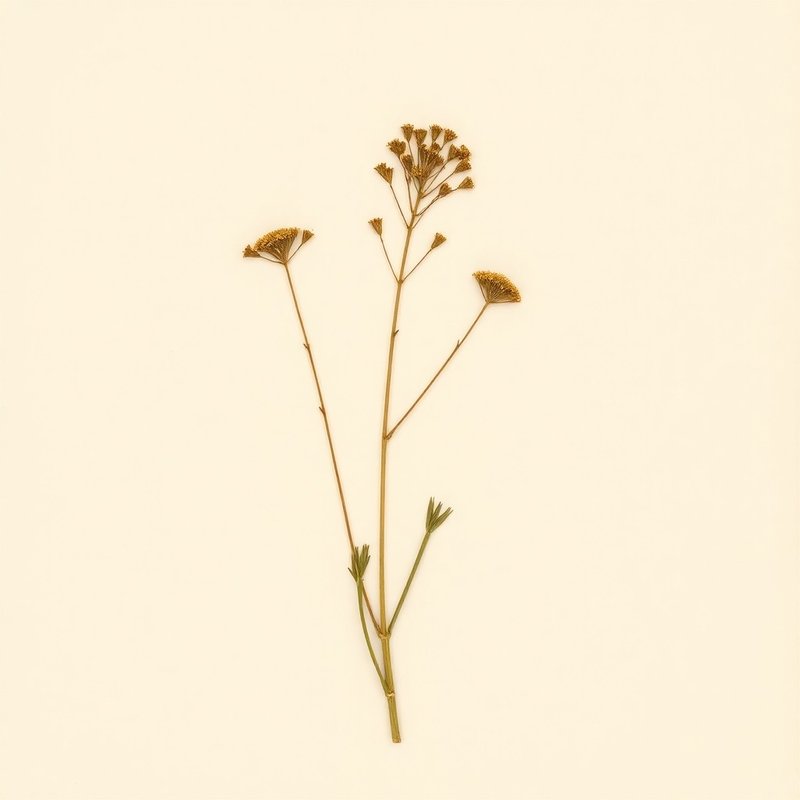
Pl. 8D45 — Fagopyrum esculentum
Fagopyrum esculentumFagopyrum esculentumFagopyrum esculentumFagopyrum esculentumFagopyrum esculentumFagopyrum esculentumFagopyrum esculentumFagopyrum esculentumFagopyrum esculentumFagopyrum esculentumFagopyrum esculentumFagopyrum esculentumFagopyrum esculentumFagopyrum esculentum
IOverview
Overview
Fagopyrum esculentum, commonly known as buckwheat, is an annual forb or herb native to the South-Central regions of China and Tibet. This plant thrives in a variety of soils, including light (sandy), medium, and heavy (clay) types, with a preference for dry to moist conditions. It grows up to 1.5 meters tall and spreads about 0.2 meters wide. Known for its edible leaves and seeds, buckwheat is cultivated for both food and ornamental purposes. Its distinctive feature lies in its light energy requirement, making it suitable for gardens with moderate sunlight exposure. Buckwheat prefers a soil pH between 6 and 8.5, ensuring optimal growth conditions across different environments.
Quick answers
What is Fagopyrum esculentum?
Fagopyrum esculentum, commonly known as buckwheat, is an annual forb or herb native to the South-Central regions of China and Tibet. This plant thrives in a variety of soils, including light (sandy), medium, and heavy (clay) types, with a preference for dry to moist conditions.
Growingconditions · propagation · uses
VCultivation
Cultivation
Fagopyrum esculentum thrives in light to moist conditions and prefers soils that are light (sandy), medium, or heavy (clay) with a pH between 6 and 8.5. It is hardy in temperate regions from zones 6 to 12 but may require protection in colder areas. This annual plant grows up to 1.5 meters tall and 0.2 meters wide, making it suitable for garden beds or as a border. For optimal growth, provide full sun to partial shade. Harvest the leaves and seeds for culinary use. Regular watering is essential, especially during dry periods, but avoid overwatering to prevent root rot.
Light
7/10
Water
Dry, Moist
Soil
Light (sandy), Medium, Heavy (clay)
Hardiness
6-12
Life cycle
Annual
Habit
Forb/herb
Mature size
1.5 m × 0.2 m
Soil pH
6–8.5
For first-time growers
How to grow Fagopyrum esculentum for the first time
8steps
Start with Fagopyrum esculentum for a simple and rewarding gardening experience.
- 1
What you'll need
Seeds, a garden fork or trowel, compost, mulch.
- 2
Best time to plant
Plant in spring after the last frost, when soil is workable.
- 3
Soil and container prep
Choose a spot with full sun. Amend soil with compost for good drainage and fertility.
- 4
Sowing or transplanting
Direct sow seeds 1 cm deep and 30-45 cm apart in rows 60 cm apart. Alternatively, start indoors 4 weeks before planting out.
- 5
First two weeks
Keep soil moist but not waterlogged. Thin seedlings to 30 cm apart once they have several leaves.
- 6
Ongoing care
Water regularly, especially during dry spells. Mulch around plants to retain moisture and suppress weeds.
- 7
Harvest or pruning
Prune back any dead or yellowing leaves to encourage new growth. Harvest young leaves for cooking when needed.
- 8
Common mistakes
Overwatering, planting too close together, neglecting to mulch.
VIEdible & utility
Edible & utility
Edible parts:LeavesSeed
Edible uses: Rutin
Other uses:DyeCover cropSoil reclamationDynamic accumulatorFragrance
Contextrange · companions · related
VIIDistribution
2 native · 28 introduced
Distribution
2 native · 28 introducedDistribution across4 continents· 2 native· 28 introduced
Europe5 regions
introduced (5)AlbaniaAustriaFranceRussiaSpain
Asia3 regions
native (1)China
introduced (2)ChinaIndia
Americas3 regions
introduced (3)BahamasCosta RicaUnited States
Africa1 region
introduced (1)Botswana
Broader regions
introduced:Alabama, Alberta, Amur, Buryatiya, Arizona, Colorado, Baltic States, Bermuda, Altay, California, Cape Provinces, Chita, Connecticut, Delaware, District of Columbia
VIIIGarden companions
47 pairs
Garden companions
47 pairsPlant near these
These plants help — by repelling pests, fixing nitrogen, attracting pollinators, or sharing space well.
Quince
Cydonia oblonga
Pollinator-friendly
Lower-confidence orchard guild pairing: long-blooming insectary plants support pollinators and pest predators near fruit trees.
Apple
Malus domestica
Pollinator-friendly
Lower-confidence orchard guild pairing: long-blooming insectary plants support pollinators and pest predators near fruit trees.
Apricot
Prunus armeniaca
Pollinator-friendly
Lower-confidence orchard guild pairing: long-blooming insectary plants support pollinators and pest predators near fruit trees.
Sweet cherry
Prunus avium
Pollinator-friendly
Lower-confidence orchard guild pairing: long-blooming insectary plants support pollinators and pest predators near fruit trees.
Sour cherry
Prunus cerasus
Pollinator-friendly
Lower-confidence orchard guild pairing: long-blooming insectary plants support pollinators and pest predators near fruit trees.
European plum
Prunus domestica
Pollinator-friendly
Lower-confidence orchard guild pairing: long-blooming insectary plants support pollinators and pest predators near fruit trees.
Peach
Prunus persica
Pollinator-friendly
Lower-confidence orchard guild pairing: long-blooming insectary plants support pollinators and pest predators near fruit trees.
Pear
Pyrus communis
Pollinator-friendly
Lower-confidence orchard guild pairing: long-blooming insectary plants support pollinators and pest predators near fruit trees.
Black elderberry
Sambucus nigra
Pollinator-friendly
Lower-confidence orchard guild pairing: long-blooming insectary plants support pollinators and pest predators near fruit trees.
Common Grape Vine
Vitis vinifera
Pollinator-friendly
Lower-confidence orchard guild pairing: long-blooming insectary plants support pollinators and pest predators near fruit trees.
Abelmoschus esculentus
Abelmoschus esculentus
Pollinator-friendly
Lower-confidence guild pairing: insectary flowers support pollinators, hoverflies, and parasitic wasps around mixed vegetable beds.
Daucus carota
Daucus carota
Pollinator-friendly
Lower-confidence guild pairing: insectary flowers support pollinators, hoverflies, and parasitic wasps around mixed vegetable beds.
Lactuca sativa
Lactuca sativa
Pollinator-friendly
Lower-confidence guild pairing: insectary flowers support pollinators, hoverflies, and parasitic wasps around mixed vegetable beds.
Cress
Lepidium sativum
Pollinator-friendly
Lower-confidence guild pairing: insectary flowers support pollinators, hoverflies, and parasitic wasps around mixed vegetable beds.
Pastinaca sativa
Pastinaca sativa
Pollinator-friendly
Lower-confidence guild pairing: insectary flowers support pollinators, hoverflies, and parasitic wasps around mixed vegetable beds.
Radish
Raphanus sativus
Pollinator-friendly
Lower-confidence guild pairing: insectary flowers support pollinators, hoverflies, and parasitic wasps around mixed vegetable beds.
Tomato
Solanum lycopersicum
Pollinator-friendly
Lower-confidence guild pairing: insectary flowers support pollinators, hoverflies, and parasitic wasps around mixed vegetable beds.
Potato
Solanum tuberosum
Pollinator-friendly
Lower-confidence guild pairing: insectary flowers support pollinators, hoverflies, and parasitic wasps around mixed vegetable beds.
Spinach
Spinacia oleracea
Pollinator-friendly
Lower-confidence guild pairing: insectary flowers support pollinators, hoverflies, and parasitic wasps around mixed vegetable beds.
Pumpkin / Zucchini
Cucurbita pepo
Pollinator-friendly
Lower-confidence guild pairing: insectary flowers support pollinators, hoverflies, and parasitic wasps around mixed vegetable beds.
Amaranthus cruentus
Amaranthus cruentus
Pollinator-friendly
Lower-confidence guild pairing: insectary flowers support pollinators, hoverflies, and parasitic wasps around mixed vegetable beds.
Amaranthus hypochondriacus
Amaranthus hypochondriacus
Pollinator-friendly
Lower-confidence guild pairing: insectary flowers support pollinators, hoverflies, and parasitic wasps around mixed vegetable beds.
Pigweed
Amaranthus retroflexus
Pollinator-friendly
Lower-confidence guild pairing: insectary flowers support pollinators, hoverflies, and parasitic wasps around mixed vegetable beds.
Celery
Apium graveolens
Pollinator-friendly
Lower-confidence guild pairing: insectary flowers support pollinators, hoverflies, and parasitic wasps around mixed vegetable beds.
Asparagus
Asparagus officinalis
Pollinator-friendly
Lower-confidence guild pairing: insectary flowers support pollinators, hoverflies, and parasitic wasps around mixed vegetable beds.
Wild Cabbage
Brassica oleracea
Pollinator-friendly
Lower-confidence guild pairing: insectary flowers support pollinators, hoverflies, and parasitic wasps around mixed vegetable beds.
Turnip
Brassica rapa
Pollinator-friendly
Lower-confidence guild pairing: insectary flowers support pollinators, hoverflies, and parasitic wasps around mixed vegetable beds.
Cucumis melo
Cucumis melo
Pollinator-friendly
Lower-confidence guild pairing: insectary flowers support pollinators, hoverflies, and parasitic wasps around mixed vegetable beds.
Cucumis sativus
Cucumis sativus
Pollinator-friendly
Lower-confidence guild pairing: insectary flowers support pollinators, hoverflies, and parasitic wasps around mixed vegetable beds.
Anise Hyssop
Agastache foeniculum
Pollinator-friendly
Lower-confidence herb guild pairing: overlapping bloom windows increase beneficial-insect habitat in medicinal herb beds.
Korean Mint
Agastache rugosa
Pollinator-friendly
Lower-confidence herb guild pairing: overlapping bloom windows increase beneficial-insect habitat in medicinal herb beds.
Althaea officinalis
Althaea officinalis
Pollinator-friendly
Lower-confidence herb guild pairing: overlapping bloom windows increase beneficial-insect habitat in medicinal herb beds.
Angelica
Angelica archangelica
Pollinator-friendly
Lower-confidence herb guild pairing: overlapping bloom windows increase beneficial-insect habitat in medicinal herb beds.
Great Burdock
Arctium lappa
Pollinator-friendly
Lower-confidence herb guild pairing: overlapping bloom windows increase beneficial-insect habitat in medicinal herb beds.
Cichorium intybus
Cichorium intybus
Pollinator-friendly
Lower-confidence herb guild pairing: overlapping bloom windows increase beneficial-insect habitat in medicinal herb beds.
Hop
Humulus lupulus
Pollinator-friendly
Lower-confidence herb guild pairing: overlapping bloom windows increase beneficial-insect habitat in medicinal herb beds.
Hyssop
Hyssopus officinalis
Pollinator-friendly
Lower-confidence herb guild pairing: overlapping bloom windows increase beneficial-insect habitat in medicinal herb beds.
Lovage
Levisticum officinale
Pollinator-friendly
Lower-confidence herb guild pairing: overlapping bloom windows increase beneficial-insect habitat in medicinal herb beds.
Malva sylvestris
Malva sylvestris
Pollinator-friendly
Lower-confidence herb guild pairing: overlapping bloom windows increase beneficial-insect habitat in medicinal herb beds.
Lemon balm
Melissa officinalis
Pollinator-friendly
Lower-confidence herb guild pairing: overlapping bloom windows increase beneficial-insect habitat in medicinal herb beds.
Bergamot
Monarda didyma
Pollinator-friendly
Lower-confidence herb guild pairing: overlapping bloom windows increase beneficial-insect habitat in medicinal herb beds.
Catmint
Nepeta cataria
Pollinator-friendly
Lower-confidence herb guild pairing: overlapping bloom windows increase beneficial-insect habitat in medicinal herb beds.
Marjoram
Origanum majorana
Pollinator-friendly
Lower-confidence herb guild pairing: overlapping bloom windows increase beneficial-insect habitat in medicinal herb beds.
Origanum vulgare
Origanum vulgare
Pollinator-friendly
Lower-confidence herb guild pairing: overlapping bloom windows increase beneficial-insect habitat in medicinal herb beds.
Sage
Salvia officinalis
Pollinator-friendly
Lower-confidence herb guild pairing: overlapping bloom windows increase beneficial-insect habitat in medicinal herb beds.
Satureja hortensis
Satureja hortensis
Pollinator-friendly
Lower-confidence herb guild pairing: overlapping bloom windows increase beneficial-insect habitat in medicinal herb beds.
Satureja montana
Satureja montana
Pollinator-friendly
Lower-confidence herb guild pairing: overlapping bloom windows increase beneficial-insect habitat in medicinal herb beds.
IXSpecimen gallery
1 image
Specimen gallery
1 imageXI
Explore further
Companion planting
Growing zone
XII
About this entry
- Last updated
- Citation
- How to cite this entry · Submit a correction
Back to the cataloguePlant id · 8d454039-cbeb-4444-a94c-f37ff0a298bc
Decision aid
Choosing between Fagopyrum esculentum and something else?
Continue reading
❦❦❦❦
Endpaper · archive updates
Get archive updates
Occasional email when substantial new content lands — plant profiles, seasonal growing notes, folk-remedy additions. Free, no tracking, unsubscribe anytime.