
Showy hawthorn
IOverview
Overview
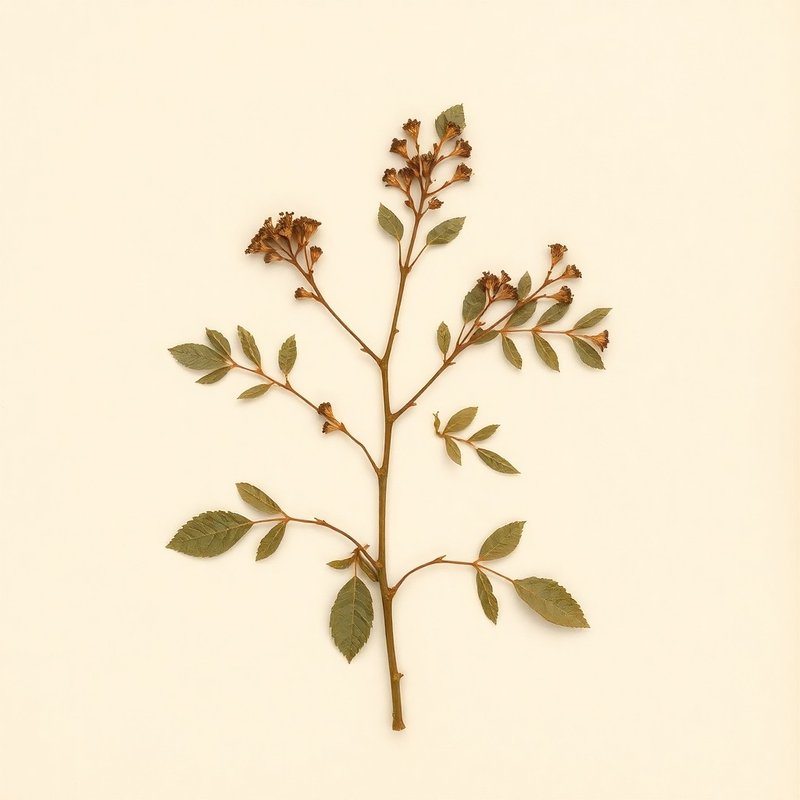
Showy hawthorn (Crataegus festiva) is a small tree or shrub native to North America, found in various regions including Albania, Austria, the Baltic States, Belarus, Belgium, Bulgaria, Central European Russia, and Corsica. This plant thrives in light to partial shade with moist to wet soil that can be sandy, medium, or clay-like. It grows to a height of about 10-15 feet and is known for its white flowers with five petals and small, red fruits. The leaves are oval-shaped with serrated edges, adding to its distinctive appearance. The fruits of the showy hawthorn are both edible and medicinal. They can be eaten raw or cooked and are often used to make jams and jellies due to their tart flavor. The fruits can also be dried for later use. However, it is important to note that the seeds should be removed before consumption, as they may not be palatable. The plant is also valued for its fragrance, making it a useful ornamental addition to gardens. While the showy hawthorn is not typically used for medicinal purposes in modern contexts, its fruits have been traditionally used for their potential health benefits. As with any plant, caution should be exercised when using it for medicinal purposes, and professional advice should be sought.
What is Showy hawthorn?
Showy hawthorn (Crataegus festiva) is a small tree or shrub native to North America, found in various regions including Albania, Austria, the Baltic States, Belarus, Belgium, Bulgaria, Central European Russia, and Corsica.
IV·bMixology suggestions
1 draft
Mixology suggestions
1 draftVCultivation
Cultivation
How to grow Showy hawthorn for the first time
Start with a small Showy hawthorn tree and focus on basic care for the first year.
- 1
What you'll need
A young Showy hawthorn sapling, garden gloves, and a trowel.
- 2
Best time to plant
Plant in early spring or late fall when the soil is moist but not waterlogged.
- 3
Soil and container prep
Ensure the soil is well-draining with a pH between 6.0 and 7.5, and prepare a hole twice as wide as the root ball.
- 4
Sowing or transplanting
Transplant the sapling carefully, keeping the roots intact, and water thoroughly after planting.
- 5
First two weeks
Keep the soil moist but not soggy. Water once a week unless there is significant rainfall.
- 6
Ongoing care
Water regularly during dry spells, mulch to retain moisture, and prune lightly in late winter or early spring.
- 7
Harvest or pruning
Prune the tree annually to maintain shape and remove any dead or diseased branches. Harvest fruits when they turn red.
- 8
Common mistakes
Overwatering, planting in heavy clay soil, neglecting winter protection, and not providing enough sunlight.
VIEdible & utility
Edible & utility
VIIDistribution
31 native · 62 introduced
Distribution
31 native · 62 introducedIXSpecimen gallery
1 image
Specimen gallery
1 imageXSee also
8 related
See also
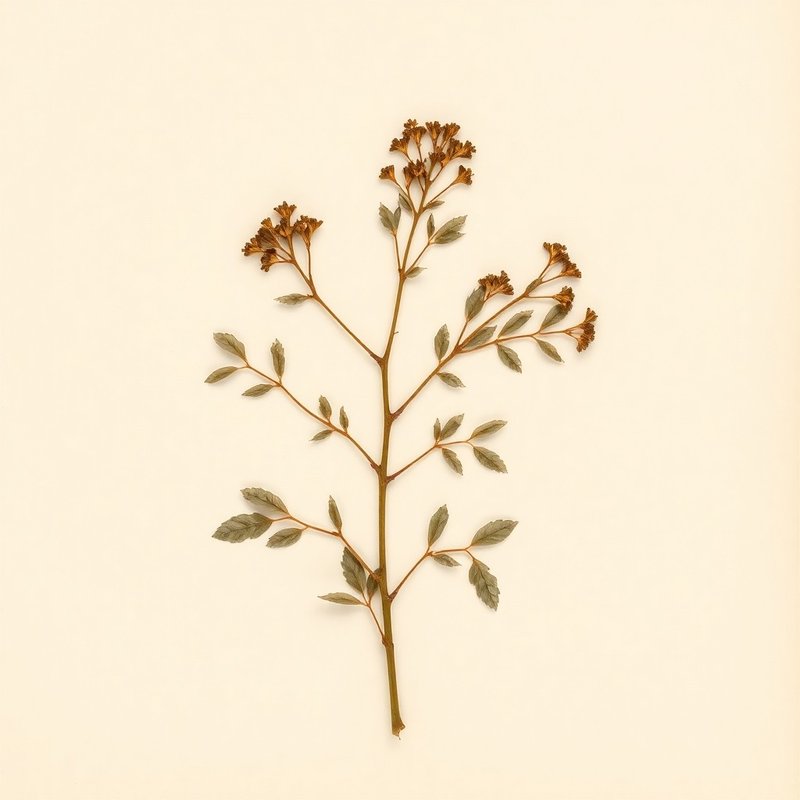
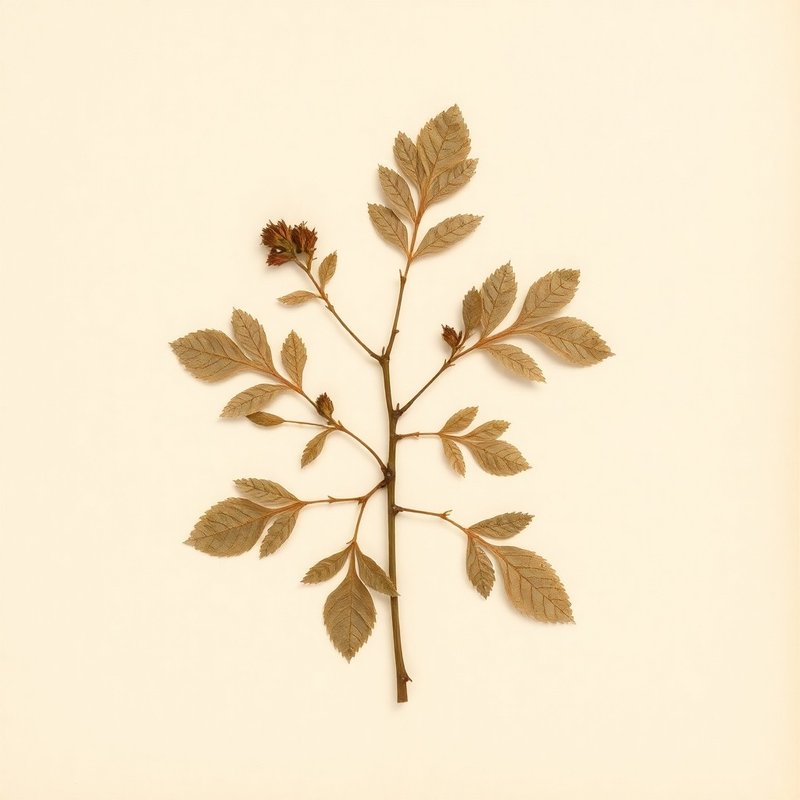
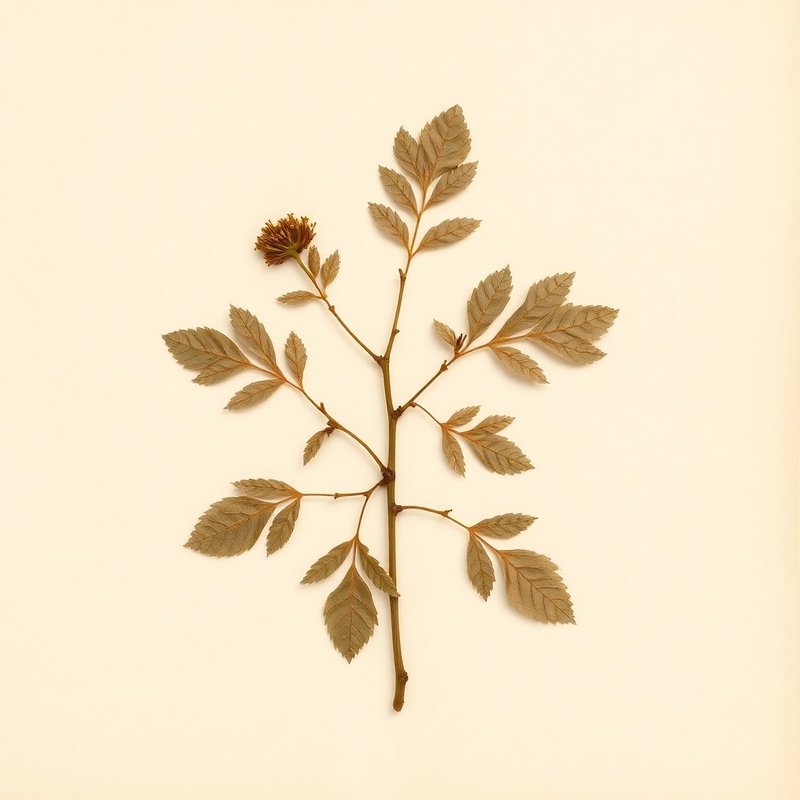
8 relatedPlants you might compare or use together — scored by shared family (Rosaceae), common use cases, and growing requirements.


Explore further
About this entry
- Last updated
- Citation
- How to cite this entry · Submit a correction
Continue reading
Get archive updates
Occasional email when substantial new content lands — plant profiles, seasonal growing notes, folk-remedy additions. Free, no tracking, unsubscribe anytime.