
Holmes' hawthorn
IOverview
Overview
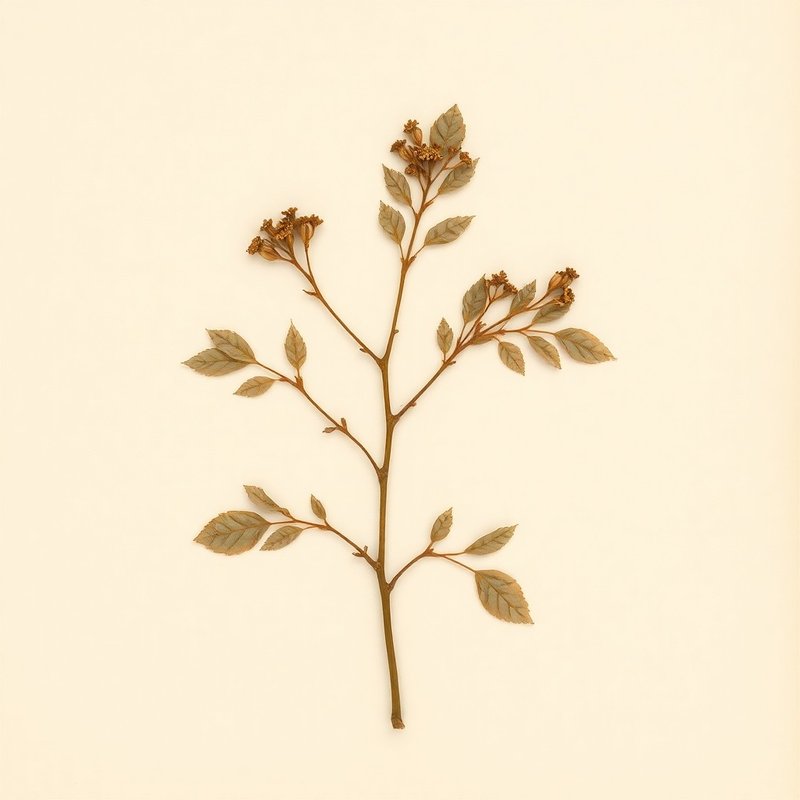
Holmes' hawthorn (Crataegus holmesiana) is a tree or shrub native to the northeastern and north-central United States, including Connecticut, Illinois, Indiana, Maine, Massachusetts, Michigan, Minnesota, New Hampshire, New York, Ohio, Ontario, Pennsylvania, Québec, Rhode Island, Vermont, and Wisconsin. This plant thrives in moist to wet soils and prefers partial sun to full sun exposure, making it adaptable to a variety of growing conditions. Known for both its edible fruit and medicinal properties, Holmes' hawthorn has been utilized by various cultures for centuries. The fruit, which can be eaten raw or used in jams, jellies, and preserves, is often harvested when ripe and consumed fresh. The tree can grow in light (sandy), medium, and heavy (clay) soils, with a hardiness range of zones 4-8, making it suitable for gardens across much of the northern United States. Its adaptability and ornamental value make it a valuable addition to landscapes and gardens. While the plant is not recommended for medicinal use without professional guidance, its fruit can provide a tangy flavor to various culinary preparations.
What is Holmes' hawthorn?
Holmes' hawthorn (Crataegus holmesiana) is a tree or shrub native to the northeastern and north-central United States, including Connecticut, Illinois, Indiana, Maine, Massachusetts, Michigan, Minnesota, New Hampshire, New York, Ohio, Ontario, Pennsylvania, Québec, Rhode Island, Vermont, and Wisconsin.
IV·bMixology suggestions
1 draft
Mixology suggestions
1 draftVCultivation
Cultivation
How to grow Holmes' hawthorn for the first time
Start with planting Holmes' hawthorn in a sunny spot and follow these beginner-friendly steps.
- 1
What you'll need
A young Holmes' hawthorn sapling, garden gloves, a spade or trowel.
- 2
Best time to plant
Plant in early spring before new growth starts or in late fall after leaves have dropped.
- 3
Soil and container prep
Ensure the soil is well-draining with a pH between 6.0 and 7.5; loosen the topsoil to about 30 cm deep.
- 4
Sowing or transplanting
Dig a hole twice as wide but no deeper than the root ball, place the sapling in, backfill with soil, and water thoroughly.
- 5
First two weeks
Keep the soil moist; mulch around the base to retain moisture and suppress weeds.
- 6
Ongoing care
Water regularly during dry spells, especially when young. Prune in late winter or early spring to maintain shape.
- 7
Harvest or pruning
Prune annually to remove dead or crossing branches; harvest fruit for culinary use after they turn bright red.
VIEdible & utility
Edible & utility
VIIDistribution
17 native · 0 introduced
Distribution
17 native · 0 introducedIXSpecimen gallery
1 image
Specimen gallery
1 imageXSee also
8 related
See also
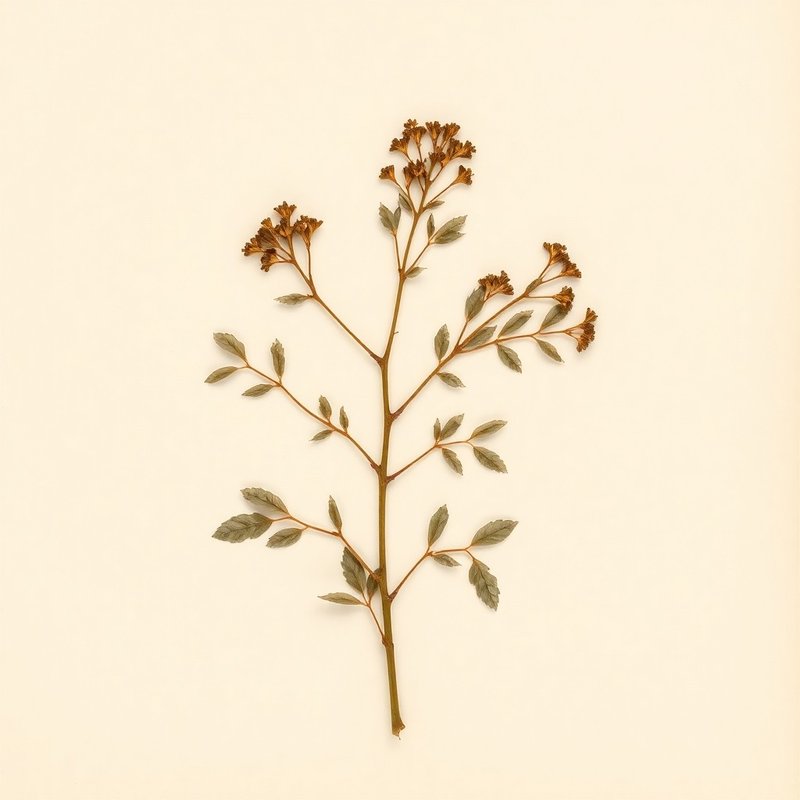
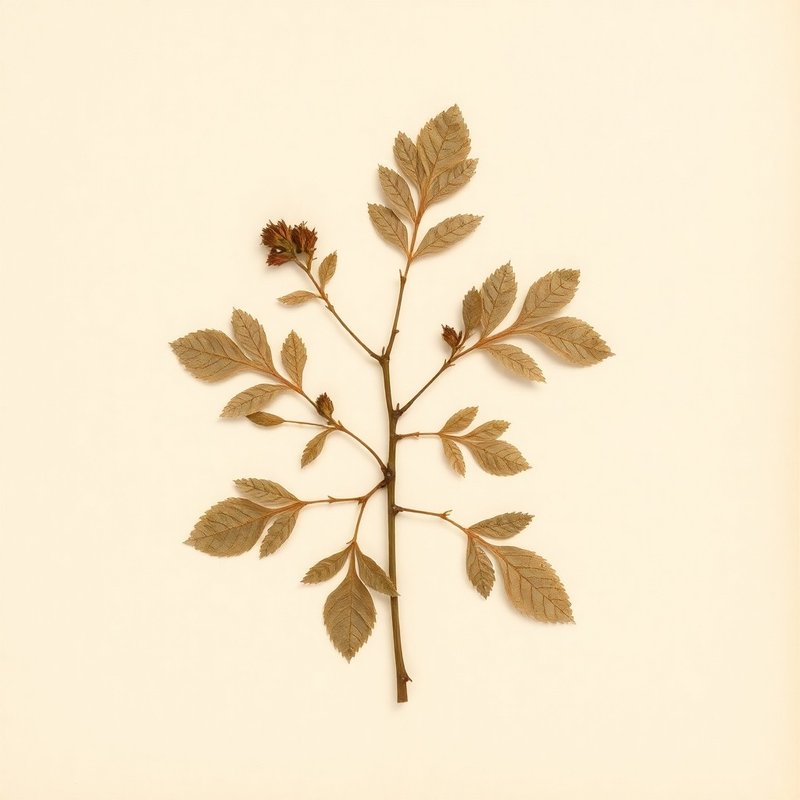
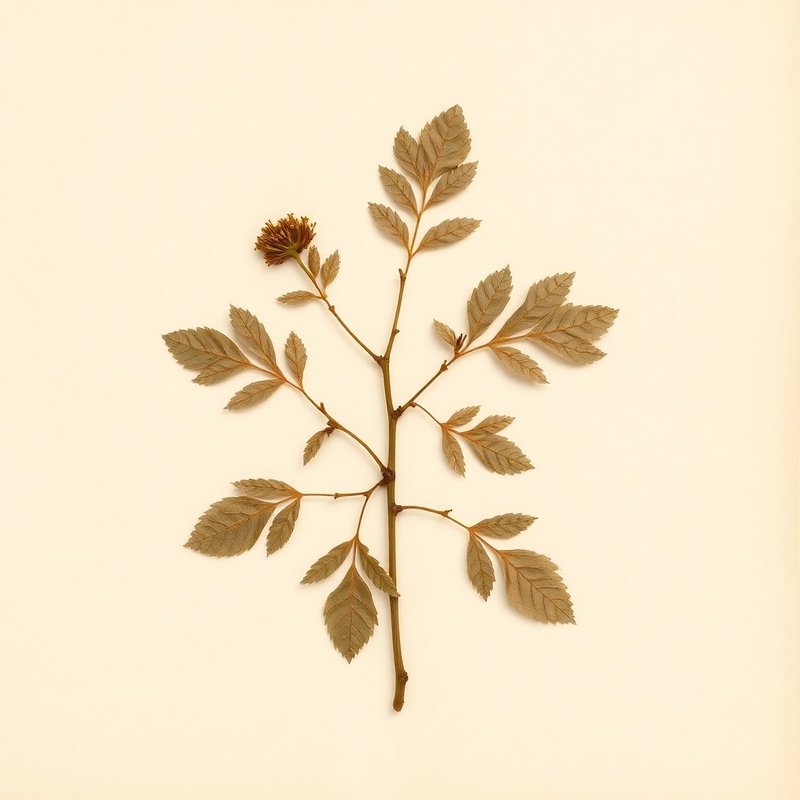
8 relatedPlants you might compare or use together — scored by shared family (Rosaceae), common use cases, and growing requirements.

Explore further
About this entry
- Last updated
- Citation
- How to cite this entry · Submit a correction
Continue reading
Get archive updates
Occasional email when substantial new content lands — plant profiles, seasonal growing notes, folk-remedy additions. Free, no tracking, unsubscribe anytime.