
Crataegus pentagyna

IOverview
Overview
Crataegus pentagyna, commonly known as the five-seeded hawthorn, is a deciduous shrub or small tree belonging to the Rosaceae family. Native to regions including Albania, Bulgaria, Greece, Iran, Iraq, Krym, North Caucasus, Romania, Turkey, Turkmenistan, Ukraine, and Yugoslavia, this plant is well-adapted to a variety of environments. It thrives in moist to wet conditions with a preference for light (sandy), medium, or heavy (clay) soils and requires full sun to partial shade. Hardy in zones 5-9, C. pentagyna is a versatile plant that can be found in diverse habitats, from forests to gardens. The fruit of Crataegus pentagyna is edible and can be eaten raw or used in various preparations. While specific culinary uses are not detailed, the fruit is often consumed fresh but can also be dried for later use. The plant also has documented uses in traditional medicine, making it both edible and medicinal. Its distinctive features include light-colored wood, dense clusters of white or pink flowers in spring, and small, red berries in autumn. Notably, C. pentagyna has been introduced into Czechoslovakia, expanding its range beyond its native regions. While generally safe, caution should be exercised when using C. pentagyna medicinally, as specific dosages and applications are not recommended. Its ornamental value, along with its edible and medicinal properties, makes it a valuable addition to gardens and landscapes in temperate regions.
What is Crataegus pentagyna?
Crataegus pentagyna, commonly known as the five-seeded hawthorn, is a deciduous shrub or small tree belonging to the Rosaceae family.
IV·bMixology suggestions
2 drafts
Mixology suggestions
2 draftsVCultivation
Cultivation
How to grow Crataegus pentagyna for the first time
Start with planting Crataegus pentagyna in a sunny spot, as it thrives best in full to partial sun.
- 1
What you'll need
A young Crataegus pentagyna plant and some well-draining soil.
- 2
Best time to plant
Plant in spring or fall when the weather is cooler.
- 3
Soil and container prep
Ensure the soil is light, medium, or heavy with good drainage. Amend if necessary.
- 4
Sowing or transplanting
Transplant a young plant from a nursery pot into your garden bed.
- 5
First two weeks
Water regularly to keep the soil moist but not waterlogged. Monitor for any signs of stress.
- 6
Ongoing care
Provide full sun or partial shade, and water when the top inch of soil feels dry. Prune lightly in late winter.
- 7
Harvest or pruning
Prune to maintain shape and remove any dead or diseased branches. Harvest fruit when ripe.
- 8
Common mistakes
Overwatering, planting in too heavy soil, not providing enough sunlight, neglecting winter protection in colder zones.
VIEdible & utility
Edible & utility
VIIDistribution
15 native · 3 introduced
Distribution
15 native · 3 introducedIXSpecimen gallery
1 image
Specimen gallery
1 imageXSee also
8 related
See also
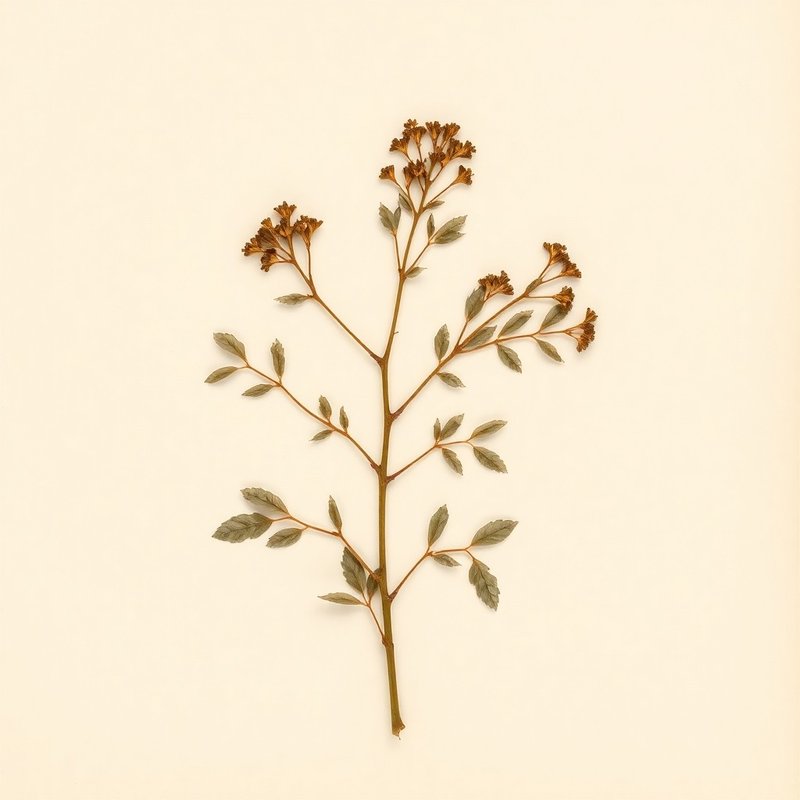
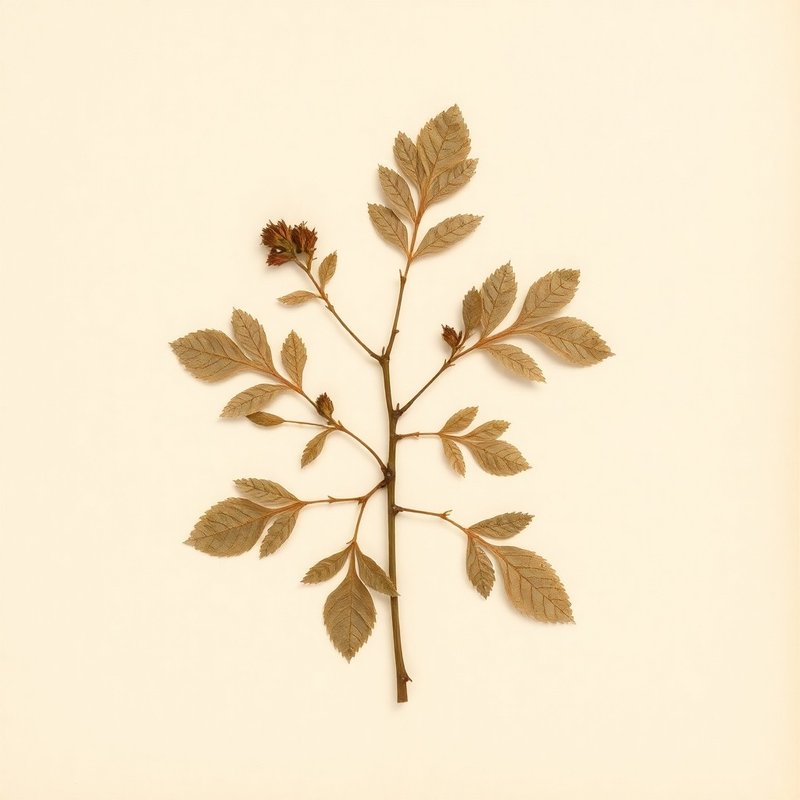
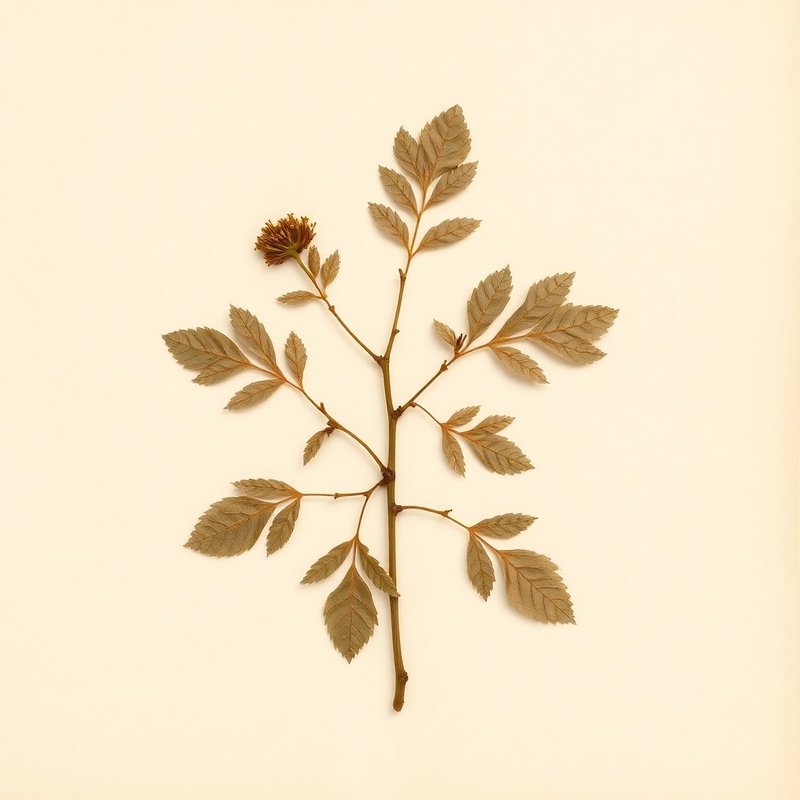
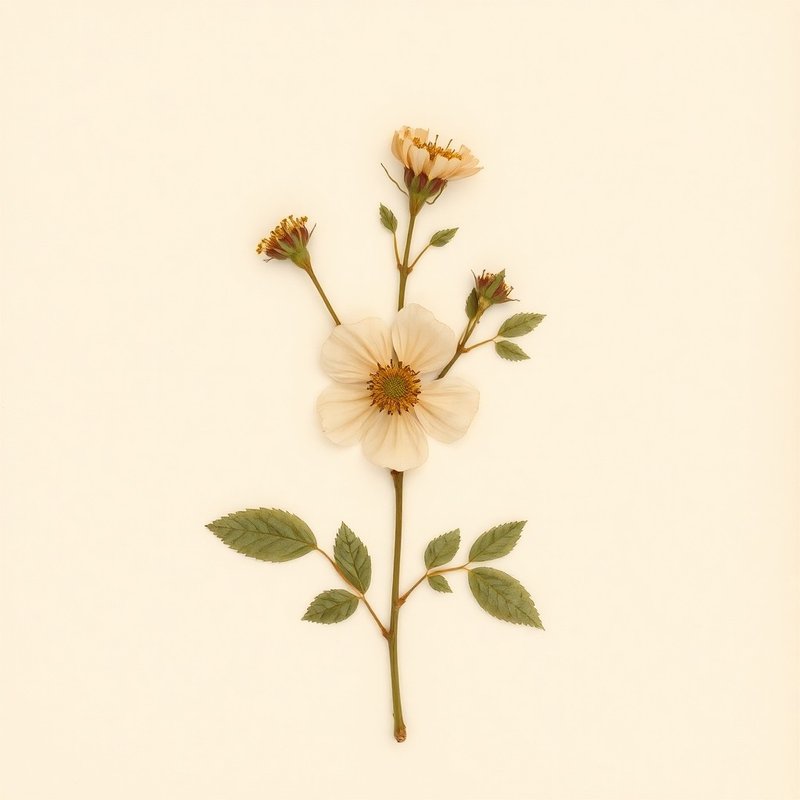
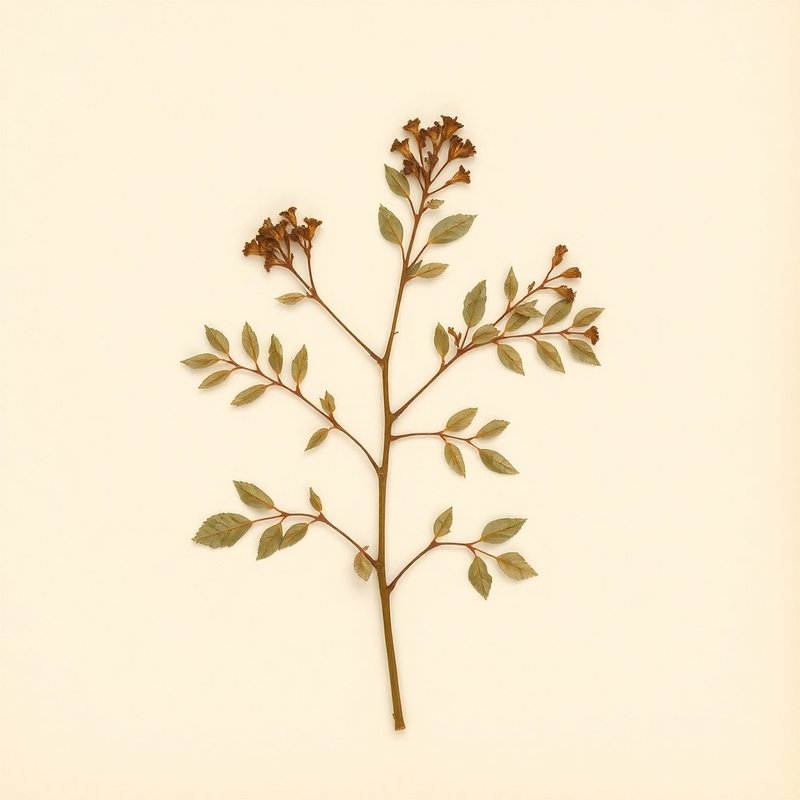
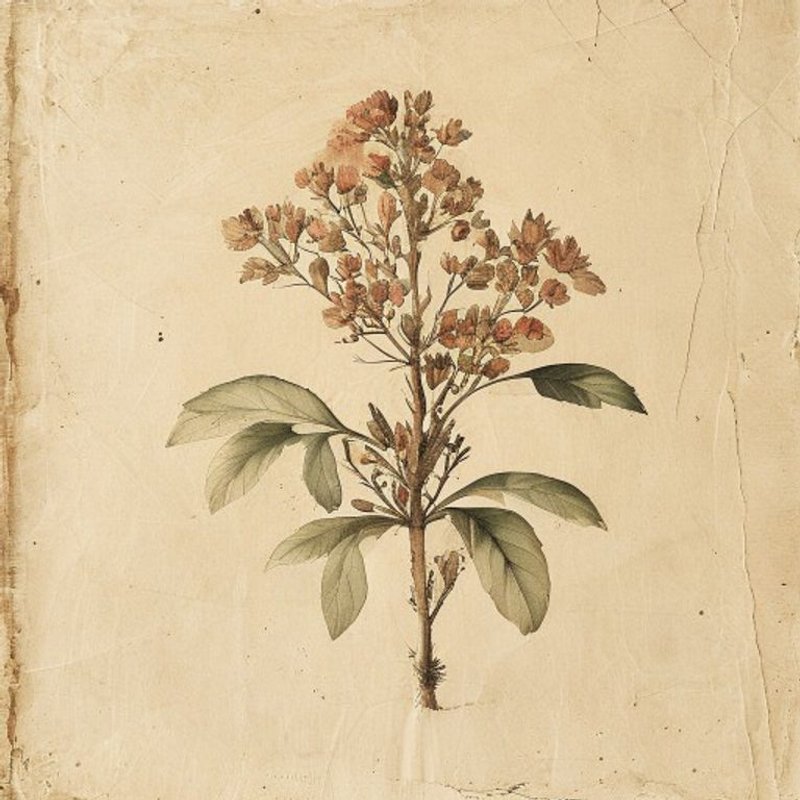
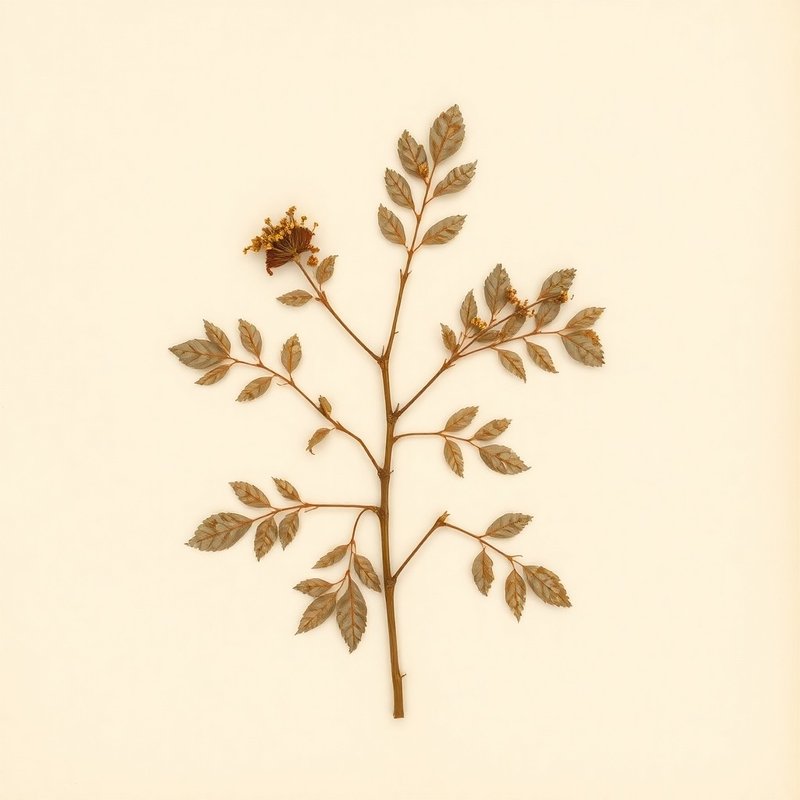
8 relatedPlants you might compare or use together — scored by shared family (Rosaceae), common use cases, and growing requirements.

Explore further
About this entry
- Last updated
- Citation
- How to cite this entry · Submit a correction
Continue reading
Get archive updates
Occasional email when substantial new content lands — plant profiles, seasonal growing notes, folk-remedy additions. Free, no tracking, unsubscribe anytime.