
Malva sylvestris
Malva sylvestrisfam. Malvaceae
Educational content — not medical, botanical, or professional advice. Plant identification, safety, and edibility depend on local conditions, cultivars, and correct identification. Consult a qualified botanist or forager before consuming or handling wild specimens. How we source & review →
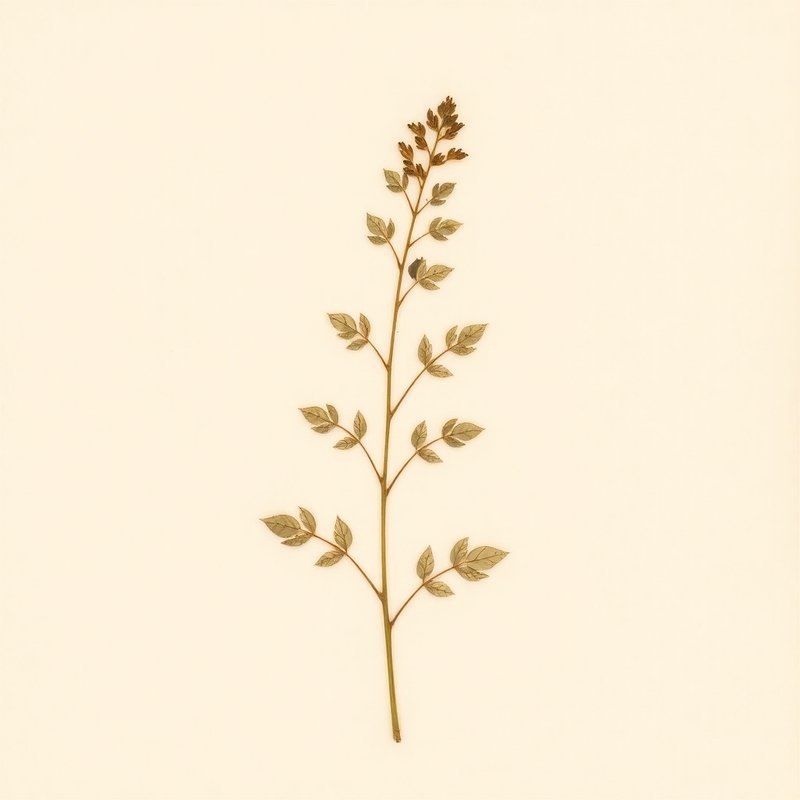
Pl. A31D — Malva sylvestris
Malva sylvestrisMalva sylvestrisMalva sylvestrisMalva sylvestrisMalva sylvestrisMalva sylvestrisMalva sylvestrisMalva sylvestrisMalva sylvestrisMalva sylvestrisMalva sylvestrisMalva sylvestrisMalva sylvestrisMalva sylvestris
IOverview
Overview
Malva sylvestris, commonly known as common mallow, is a hardy biennial or perennial herb found in various regions including Afghanistan, Albania, Algeria, and parts of Europe such as Austria and the Baltic States. This plant thrives in moist conditions with light to heavy soil, preferring a pH between 7 and 7.5. Its edible parts include flowers, leaves, and seeds, making it a versatile addition to gardens or landscapes where its distinctive soft, fuzzy foliage and pink-to-white blooms add ornamental value.
Quick answers
What is Malva sylvestris?
Malva sylvestris, commonly known as common mallow, is a hardy biennial or perennial herb found in various regions including Afghanistan, Albania, Algeria, and parts of Europe such as Austria and the Baltic States. This plant thrives in moist conditions with light to heavy soil, preferring a pH between 7 and 7.
Growingconditions · propagation · uses
VCultivation
Cultivation
Malva sylvestris thrives in light to medium soil with a pH of 7-7.5 and prefers moist conditions. It is hardy in temperate regions from zones 4-8 and can grow up to 0.5 meters tall. This plant requires full sun to partial shade for best growth. For propagation, use seeds or division of established plants. Edible parts include the flowers, leaves, and seed, making it a versatile addition to both culinary and ornamental gardens.
Light
8/10
Water
Moist
Soil
Light (sandy), Medium, Heavy (clay)
Hardiness
4-8
Life cycle
Biennial, Perennial
Habit
Forb/herb
Mature size
0.5 m tall
Soil pH
7–7.5
For first-time growers
How to grow Malva sylvestris for the first time
8steps
Start with Malva sylvestris as a simple, low-maintenance addition to your garden.
- 1
What you'll need
Seeds or young plants, a trowel, and a watering can.
- 2
Best time to plant
Plant in spring after the last frost or in early fall.
- 3
Soil and container prep
Choose a spot with moist, well-draining soil. Ensure containers have good drainage holes.
- 4
Sowing or transplanting
Direct sow seeds 1 cm deep or plant young seedlings at 30 cm intervals.
- 5
First two weeks
Water regularly to keep the soil moist, especially during dry spells.
- 6
Ongoing care
Provide consistent moisture and mulch around the base for weed control. Prune back any leggy growth in early spring.
- 7
Harvest or pruning
Prune spent flowers to encourage new blooms and maintain a neat appearance.
- 8
Common mistakes
Overwatering, planting in too sunny a spot, neglecting regular pruning.
VIEdible & utility
Edible & utility
Edible parts:FlowersLeavesSeed
Edible uses: Tea
Other uses:DyeFiberLitmusDynamic accumulator
Contextrange · companions · related
VIIDistribution
30 native · 0 introduced
Distribution
30 native · 0 introducedDistribution across3 continents· 30 native
Europe16 regions
native (16)AlbaniaAustriaBelarusBelgiumBulgariaCyprusDenmarkFinlandFranceGermanyGreeceHungaryItalyPortugalRussiaSpain
Asia4 regions
native (4)AfghanistanIranIraqKazakhstan
Africa2 regions
native (2)AlgeriaEgypt
Broader regions
native:Altay, Baltic States, Czechoslovakia, East Aegean Is., Kirgizstan, Kriti, Lebanon-Syria
VIIIGarden companions
4 pairs
Garden companions
4 pairsPlant near these
These plants help — by repelling pests, fixing nitrogen, attracting pollinators, or sharing space well.
Yarrow
Achillea millefolium
Pollinator-friendly
Lower-confidence herb guild pairing: overlapping bloom windows increase beneficial-insect habitat in medicinal herb beds.
Pot marigold
Calendula officinalis
Pollinator-friendly
Lower-confidence herb guild pairing: overlapping bloom windows increase beneficial-insect habitat in medicinal herb beds.
Fagopyrum esculentum
Fagopyrum esculentum
Pollinator-friendly
Lower-confidence herb guild pairing: overlapping bloom windows increase beneficial-insect habitat in medicinal herb beds.
White Clover
Trifolium repens
Living mulch
Lower-confidence herb guild pairing: low living mulches protect soil around taller perennial herbs when kept from crowding crowns.
IXSpecimen gallery
1 image
Specimen gallery
1 imageXSee also
8 related
See also
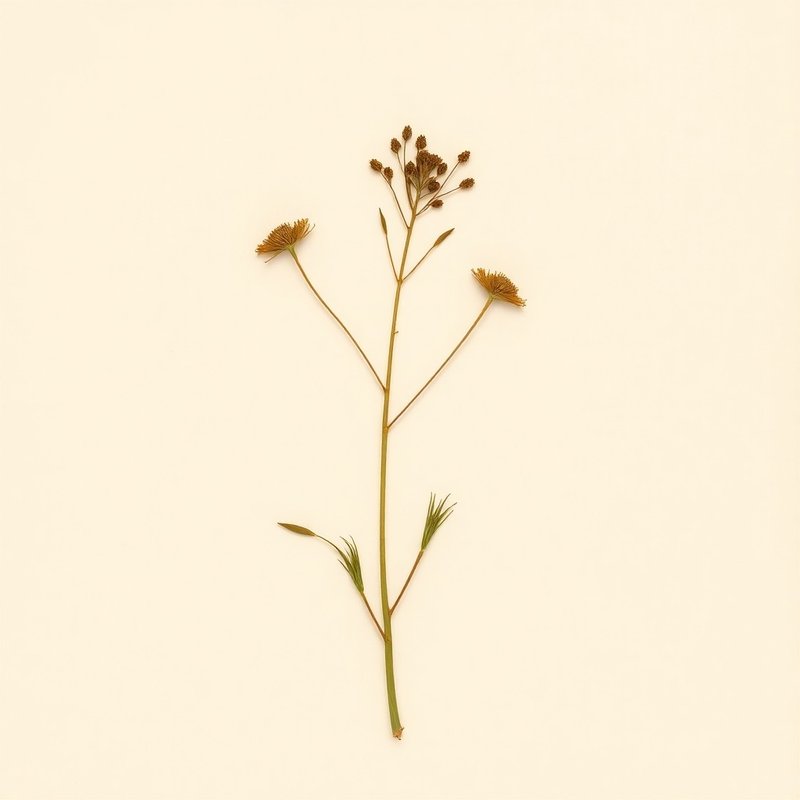
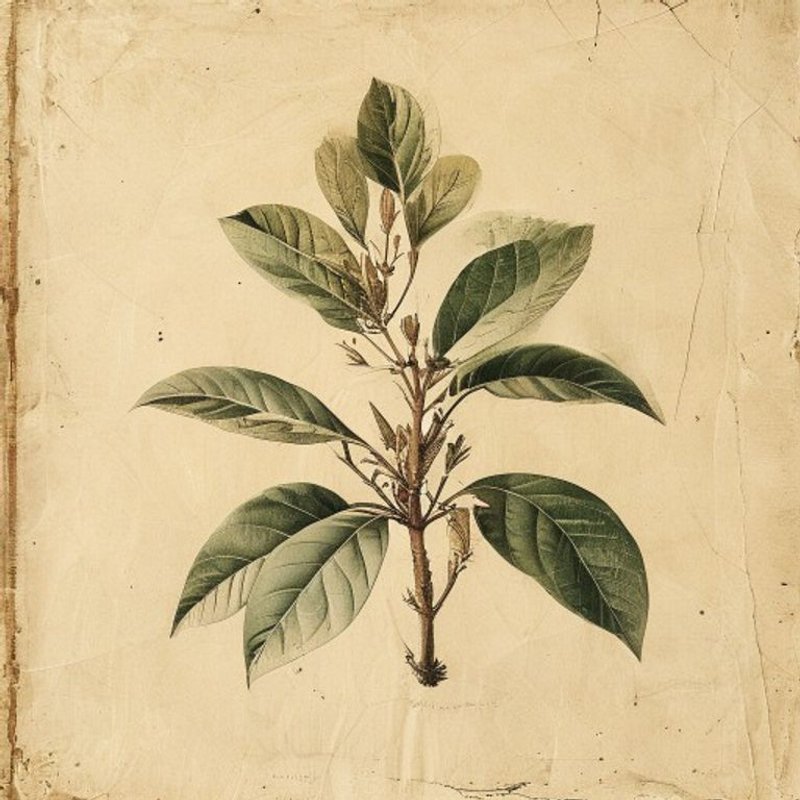
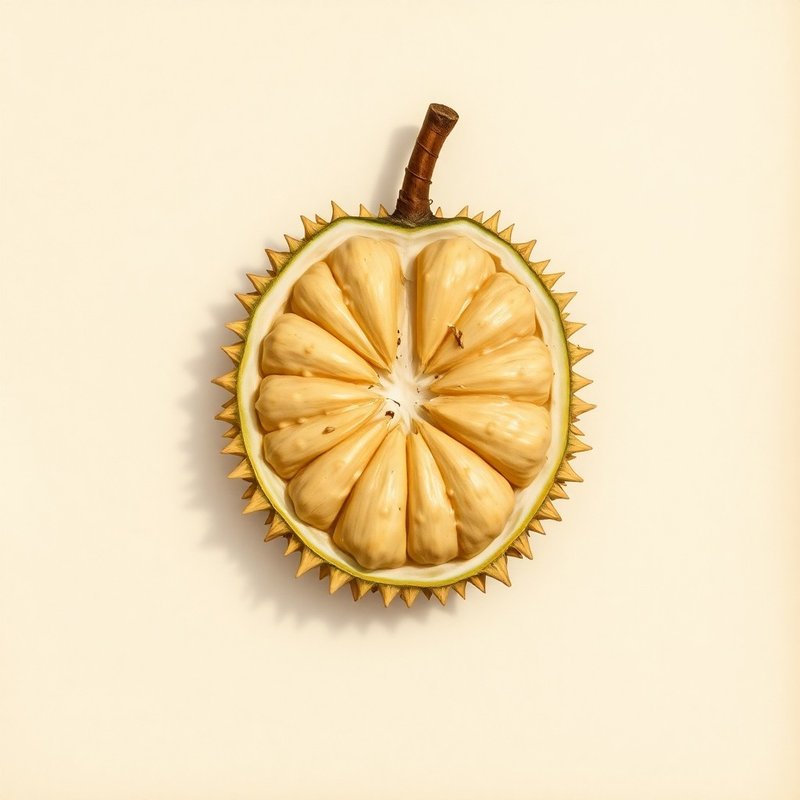
8 relatedPlants you might compare or use together — scored by shared family (Malvaceae), common use cases, and growing requirements.
same family · Malvaceae
Botanical relatives — often share phytochemistry + growing needs.
XI
Explore further
Companion planting
Compare with similar plants
Growing zone
XII
About this entry
- Last updated
- Citation
- How to cite this entry · Submit a correction
Back to the cataloguePlant id · a31d1206-d1f2-41c1-8fde-36c9d66a5a84
Decision aid
Choosing between Malva sylvestris and something else?
Continue reading
❦❦❦❦
Endpaper · archive updates
Get archive updates
Occasional email when substantial new content lands — plant profiles, seasonal growing notes, folk-remedy additions. Free, no tracking, unsubscribe anytime.