
Gotu Kola
Centella asiatica
Educational content — not medical, botanical, or professional advice. Always consult a qualified clinician before using any herbal preparation — especially during pregnancy, breastfeeding, while on medication, or for children. How we source & review →
Garden journal pausedUse profile notes below
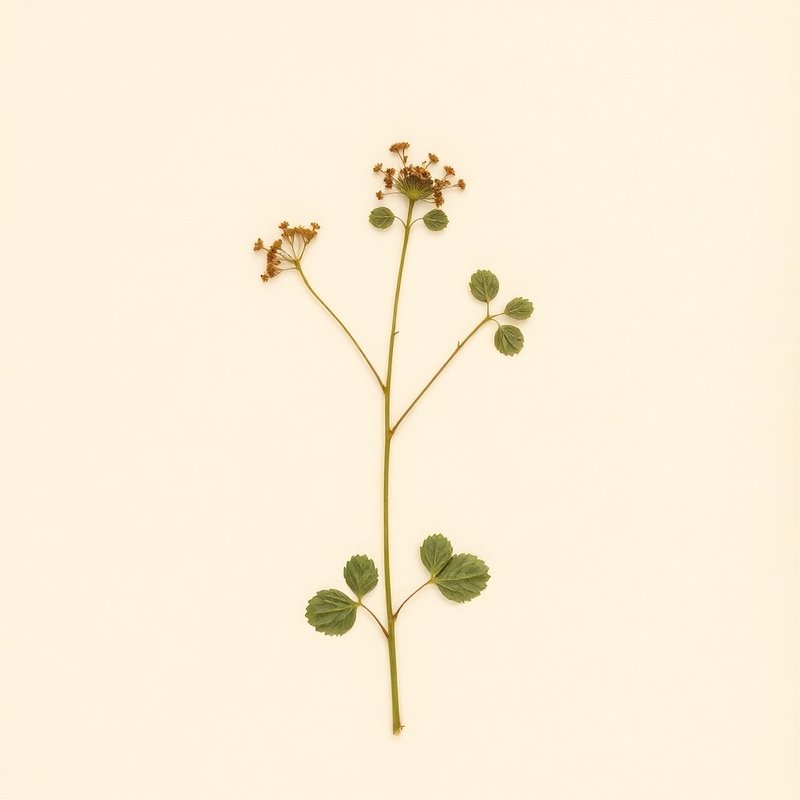
Pl. 7343 — Centella asiatica
Centella asiaticaCentella asiaticaCentella asiaticaCentella asiaticaCentella asiaticaCentella asiaticaCentella asiaticaCentella asiaticaCentella asiaticaCentella asiaticaCentella asiaticaCentella asiaticaCentella asiaticaCentella asiatica
IOverview
Overview
Gotu Kola (Centella asiatica), a perennial herb native to the Andaman Islands, Angola, Assam, Bangladesh, Belize, Benin, Borneo, and other regions across Asia and Africa, is a versatile plant with both edible and medicinal uses. This herb thrives in light to medium soil, prefers full or partial sun, and grows to a height of about 20 cm. Gotu Kola is valued in traditional practices such as Ayurveda and TCM, where it is used to support focus during mental exhaustion, balance sattvic moods, and promote wound healing and scar reduction. The leaves, which can be eaten raw or cooked, are often used in soups and stews. Cultivated in hardiness zones 7-10, this plant can be propagated through stem cuttings and thrives in moist to wet conditions. While its benefits are recognized in traditional medicine, it is important to use it with caution and under professional guidance.
Quick answers
What is Gotu Kola?
Gotu Kola (Centella asiatica), a perennial herb native to the Andaman Islands, Angola, Assam, Bangladesh, Belize, Benin, Borneo, and other regions across Asia and Africa, is a versatile plant with both edible and medicinal uses.
What is Gotu Kola used for?
Traditionally used for energy & focus, mood support, topical & skin. Each claim is evidence-rated — see Section II for full citations.
Best for
Top 3 evidence-ranked uses of Gotu Kola
Clinicaluses · safety · chemistry · dosagemedicinal profile
IIBenefits & evidence
4 claims · traditional-use context
Benefits & evidence
4 claims · traditional-use contextTraditional-use context
These notes are presented as ethnobotanical context. No cited clinical references are catalogued for this plant yet.
- Traditional use: gotu kola supports focus during mental exhaustion. Ayurvedic tradition + modern evidence.
Triterpenes — BDNF
▲ LimitedEnergy & focus → - Traditional use: gotu kola for sattvic mood balance. Daily over weeks.
Triterpenes + BDNF
▲ LimitedMood support → - Traditional use: gotu kola supports wound healing, scar reduction. Topical and oral.
Asiaticoside — collagen synthesis
▲ LimitedTopical & skin → - Traditional use: gotu kola for anxiety with cognitive overload. Ayurvedic + TCM tradition.
Triterpenes on cortisol + BDNF
▲ LimitedStress & anxiety →
IV·bMixology suggestions
2 drafts
Mixology suggestions
2 draftsEditorial drafts. These pairings are AI-suggested from traditional herbal lore. Always verify with a qualified herbalist before brewing.
Mental Clarity
focustincture
Ayurvedic tradition supports cognitive function.
Wound Healing
skindecoction
Topical use for skin conditions and wounds.
Growingconditions · propagation · uses
VCultivation
Cultivation
Gotu Kola thrives in full to partial sun and requires moist to wet soil that is light (sandy), medium, or heavy (clay). It is a perennial for herbaceous growth and prefers a hardiness zone of 7-10. Propagate through cuttings, as Gotu Kola can be easily grown from stem segments. Keep the soil consistently damp and provide ample sunlight for best results.
Light
Full sun, Partial sun/shade
Water
Moist, Wet
Soil
Light (sandy), Medium, Heavy (clay)
Hardiness
7-10
Life cycle
Perennial
Habit
Forb/herb, Subshrub
Mature size
0.2 m tall
For first-time growers
How to grow Gotu Kola for the first time
8steps
Gotu Kola is a hardy plant that thrives in moist, partial shade and can be easily grown by beginners.
- 1
What you'll need
Seeds or small plants, potting soil, containers with drainage holes.
- 2
Best time to plant
Plant Gotu Kola in spring when the weather starts warming up.
- 3
Soil and container prep
Use a well-draining potting mix that is light or medium in texture.
- 4
Sowing or transplanting
Transplant small plants into containers or sow seeds 0.5 cm deep, keeping them moist.
- 5
First two weeks
Keep the soil consistently moist and place the container in partial shade.
- 6
Ongoing care
Water regularly to keep the soil moist but not waterlogged; provide partial sun or shade.
- 7
Harvest or pruning
Prune leaves as needed for maintenance, avoiding heavy harvesting that could stress the plant.
- 8
Common mistakes
Overwatering, placing in full sun, neglecting to prune regularly.
VIEdible & utility
Edible & utility
Edible parts:Leaves
Edible uses: Gotu kola's leaves are edible and can be eaten raw or cooked. They are often used in soups and stews, adding a mild flavor to the dish. The leaves can also be dried for later use.
Other uses:Cosmetic
Contextrange · companions · related
VIIDistribution
105 native · 15 introduced
Distribution
105 native · 15 introducedDistribution across4 continents· 105 native· 15 introduced
Asia18 regions
native (18)BangladeshCambodiaChinaIndiaIranJapanLaosMyanmarNepalPakistanPhilippinesSaudi ArabiaSouth KoreaSri LankaTaiwanThailandVietnamYemen
Americas3 regions
native (1)Belize
introduced (2)ColombiaUnited States
Africa42 regions
native (41)AngolaBeninBotswanaBurkina FasoBurundiCabo VerdeCameroonChadComorosCôte d'IvoireEquatorial GuineaEritreaEswatiniEthiopiaGabonGambiaGhanaGuineaGuinea-BissauKenyaLesothoLiberiaMadagascarMalawiMaliMauritaniaMauritiusMozambiqueNamibiaNigerNigeriaRwandaSenegalSierra LeoneSomaliaSudanTanzaniaTogoUgandaZambiaZimbabwe
introduced (1)Seychelles
Oceania4 regions
native (4)FijiNew CaledoniaSamoaTonga
Broader regions
native:Andaman Is., Borneo, Cabinda, Cape Provinces, Caprivi Strip, Caroline Is., Central African Repu, Chatham Is., Congo, East Himalaya, Free State, Gulf of Guinea Is., Jawa, KwaZulu-Natal, Lesser Sunda Is., Malaya, Maluku, Marianas, Marshall Is., Nansei-shoto, New Guinea, New South Wales, New Zealand North, New Zealand South, Nicobar Is., Northern Provinces, Ogasawara-shoto, Queensland, Réunion, Rodrigues, Socotra, Solomon Is., Sulawesi, Sumatera, Transcaucasus, Wallis-Futuna Is., West Himalaya, Zaïre
introduced:Ascension, Chagos Archipelago, Cook Is., Florida, Marquesas, Niue, Norfolk Is., Oregon, Society Is., St.Helena, Tristan da Cunha, Tubuai Is.
IXSpecimen gallery
1 image
Specimen gallery
1 imageXSee also
8 related
See also
8 relatedPlants you might compare or use together — scored by shared family, common use cases, and growing requirements.
shared use cases
Different families, similar therapeutic role — good for comparing.

XI
Explore further
Companion planting
Health goals
Compare with similar plants
Growing zone
Native to
XII
About this entry
- Last updated
- Citation
- How to cite this entry · Submit a correction
Back to the cataloguePlant id · 7343d39f-c5e2-4a34-8921-212e34b67990
Decision aid
Choosing between Gotu Kola and something else?
Continue reading
❦❦❦❦
Endpaper · archive updates
Get archive updates
Occasional email when substantial new content lands — plant profiles, seasonal growing notes, folk-remedy additions. Free, no tracking, unsubscribe anytime.
Newsletter returning soon.
We are rebuilding the update list around a lightweight editorial workflow. New dispatches will resume after the next content review cycle.