
Strawberry
Fragaria × ananassa
Educational content — not medical, botanical, or professional advice. Always consult a qualified clinician before using any herbal preparation — especially during pregnancy, breastfeeding, while on medication, or for children. How we source & review →
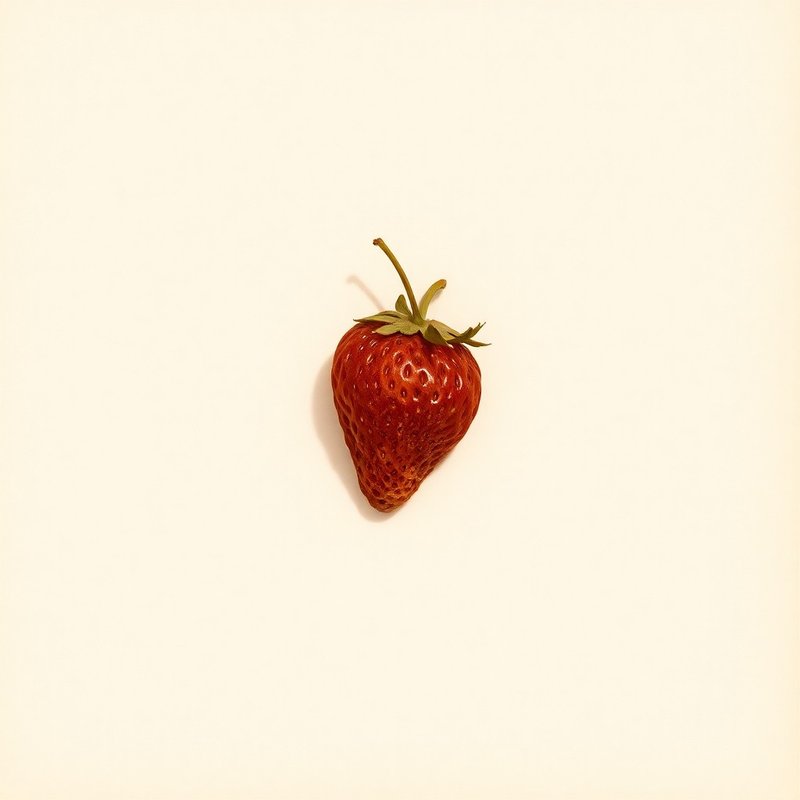
Pl. 102E — Fragaria × ananassa
Fragaria × ananassaFragaria × ananassaFragaria × ananassaFragaria × ananassaFragaria × ananassaFragaria × ananassaFragaria × ananassaFragaria × ananassaFragaria × ananassaFragaria × ananassaFragaria × ananassaFragaria × ananassaFragaria × ananassaFragaria × ananassa
IOverview
Overview
Strawberry (Fragaria × ananassa) is a widely cultivated perennial plant native to the Pacific Northwest of North America, including British Columbia, California, Oregon, and Washington. Known for its edible fruit and ornamental value, this plant thrives in moist, light to heavy soil with a pH between 5.5 and 6.5. Its distinctive features include small white flowers followed by sweet, red berries. Strawberries can be propagated through transplanting bare root plants or dividing runners. They grow to about 0.3 meters in both height and width, making them suitable for gardens and landscapes where their attractive foliage and fruit add visual interest.
Quick answers
What is Strawberry?
Strawberry (Fragaria × ananassa) is a widely cultivated perennial plant native to the Pacific Northwest of North America, including British Columbia, California, Oregon, and Washington. Known for its edible fruit and ornamental value, this plant thrives in moist, light to heavy soil with a pH between 5.
What is Strawberry used for?
Traditionally used for digestion. Each claim is evidence-rated — see Section II for full citations.
Best for
Top 1 evidence-ranked use of Strawberry
Clinicaluses · safety · chemistry · dosagemedicinal profile
IIBenefits & evidence
1 claim · 0 sources
Benefits & evidence
1 claim · 0 sources- Traditional-use note: Strawberry appears in herbal sources around after-meal comfort traditions, often as a tea. PlantSage presents this as ethnobotanical context, not as medical advice.
Traditional context only. This reviewed claim keeps the original low confidence level, but avoids treatment, disease, dosage, or guaranteed-effect language.
IV·bMixology suggestions
1 draft
Mixology suggestions
1 draftEditorial drafts. These pairings are AI-suggested from traditional herbal lore. Always verify with a qualified herbalist before brewing.
Strawberry support blend
generaltea
AI returned a direct ingredient list; normalized into one draft blend for editorial review.
Growingconditions · propagation · uses
VCultivation
Cultivation
Strawberries thrive in light to medium soil and can tolerate heavier clay soils as well. They require moist conditions but not waterlogged areas, making them suitable for garden beds or containers with good drainage. Plant strawberries in full sun to partial shade; they prefer a pH between 5.5 and 6.5. Hardy from zones 4-8, these plants are perennial and can be propagated by transplanting bare root plants or dividing runners. Regular watering is essential during the growing season, especially when fruiting. Skip fertilizing unless soil tests indicate a need.
Light
8/10
Water
Moist
Soil
Light (sandy), Medium, Heavy (clay)
Hardiness
4-8
Life cycle
Perennial
Habit
Forb/herb
Mature size
0.3 m × 0.3 m
Soil pH
5.5–6.5
- Propagation
- Transplant bare root plants/plugs or divide runners
- Days to harvest
- 60
- Row spacing
- 35 cm
For first-time growers
How to grow Strawberry for the first time
8steps
Start with bare root plants for a simple and rewarding first planting experience.
- 1
What you'll need
Bare root strawberry plants, garden soil, compost, mulch.
- 2
Best time to plant
Plant in early spring or late fall when temperatures are mild.
- 3
Soil and container prep
Prepare a well-draining soil mix with compost. Ensure the pH is between 5.5 and 6.5.
- 4
Sowing or transplanting
Transplant bare root plants directly into the garden, spacing them about 15 cm apart.
- 5
First two weeks
Water regularly to keep soil moist but not waterlogged. Avoid overhead watering to prevent disease.
- 6
Ongoing care
Fertilize lightly every few months with a balanced fertilizer. Mulch around plants to retain moisture and control weeds.
- 7
Harvest or pruning
Prune runners to focus energy on the main plant, and harvest fruit when it turns red and is firm.
- 8
Common mistakes
Overwatering, planting too deep, neglecting mulching, not removing runners.
VIEdible & utility
Edible & utility
Edible parts:FruitLeaves
Edible uses: The strawberry's fruit is the primary edible part, often eaten fresh and raw for its sweet flavor. Leaves can also be consumed, typically in salads or teas, adding a mild, slightly sour taste to dishes. Both parts are enjoyed either fresh or lightly cooked. Skip the drying process as it diminishes their natural sweetness.
Other uses:Ground cover
Contextrange · companions · related
VIIDistribution
4 native · 26 introduced
Distribution
4 native · 26 introducedDistribution across3 continents· 4 native· 26 introduced
Europe12 regions
introduced (12)AlbaniaBelarusDenmarkFinlandFranceGermanyIrelandItalyNetherlandsRussiaSwitzerlandUnited Kingdom
Asia4 regions
introduced (4)JapanSouth KoreaTurkeyTurkmenistan
Americas3 regions
introduced (3)El SalvadorGuatemalaHonduras
Broader regions
native:British Columbia, California, Oregon, Washington
introduced:Illinois, New York, Pitcairn Is., Tadzhikistan, Vermont
VIIIGarden companions
18 pairs
Garden companions
18 pairsPlant near these
These plants help — by repelling pests, fixing nitrogen, attracting pollinators, or sharing space well.
Allium cepa
Allium cepa
Pest repellent
White Clover
Trifolium repens
Living mulch
White clover can act as a managed living mulch at strawberry bed edges.
Spinach
Spinacia oleracea
Ground cover
Spinach and strawberries form a cool, low-growing ground layer.
Bergamot
Monarda didyma
Pollinator-friendly
Lower-confidence berry guild pairing: insectary flowers improve pollinator presence and support predators around soft fruit.
Yarrow
Achillea millefolium
Pollinator-friendly
Lower-confidence berry guild pairing: insectary flowers improve pollinator presence and support predators around soft fruit.
Borage
Borago officinalis
Pollinator-friendly
Lower-confidence berry guild pairing: insectary flowers improve pollinator presence and support predators around soft fruit.
Pot marigold
Calendula officinalis
Pollinator-friendly
Lower-confidence berry guild pairing: insectary flowers improve pollinator presence and support predators around soft fruit.
Garlic
Allium sativum
Pest repellent
Lower-confidence berry guild pairing: aromatic companions can help confuse aphids and browsing pests at bed edges.
Chives
Allium schoenoprasum
Pest repellent
Lower-confidence berry guild pairing: aromatic companions can help confuse aphids and browsing pests at bed edges.
Catmint
Nepeta cataria
Pest repellent
Lower-confidence berry guild pairing: aromatic companions can help confuse aphids and browsing pests at bed edges.
Lactuca sativa
Lactuca sativa
Ground cover
Lettuce and strawberries share cool, moist beds without strong competition.
Keep away from these
Avoid planting nearby — competition, allelopathy, or shared pests/diseases.
Fennel
Foeniculum vulgare
AllelopathicResource competitor
Fennel is isolated from strawberries in traditional companion charts.
Wild Cabbage
Brassica oleracea
Resource competitor
Brassicas stunt strawberries.
Jerusalem artichoke
Helianthus tuberosus
Resource competitor
Management warning: vigorous spreaders or allelopathic plants are best isolated from productive beds unless contained.
Spearmint
Mentha spicata
Resource competitor
Management warning: vigorous spreaders or allelopathic plants are best isolated from productive beds unless contained.
IXSpecimen gallery
1 image
Specimen gallery
1 imageXSee also
8 related
See also
8 relatedPlants you might compare or use together — scored by shared family, common use cases, and growing requirements.
shared use cases
Different families, similar therapeutic role — good for comparing.
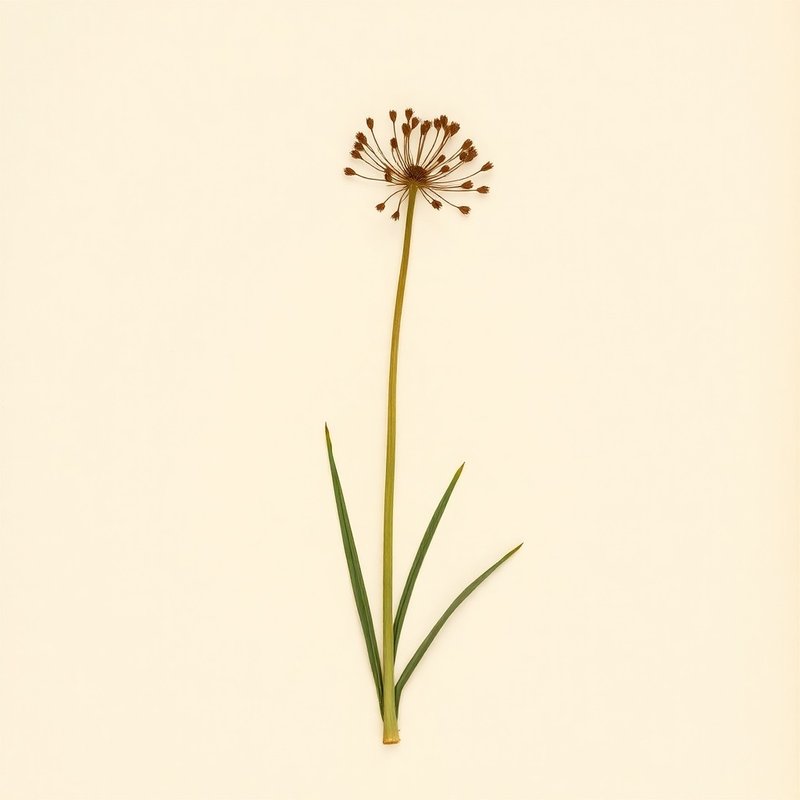

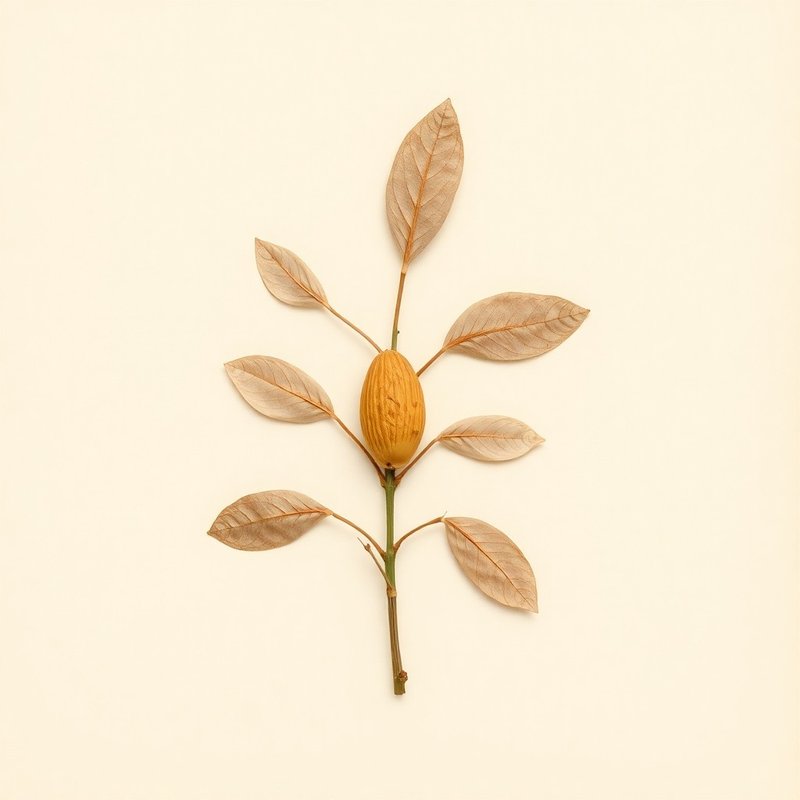
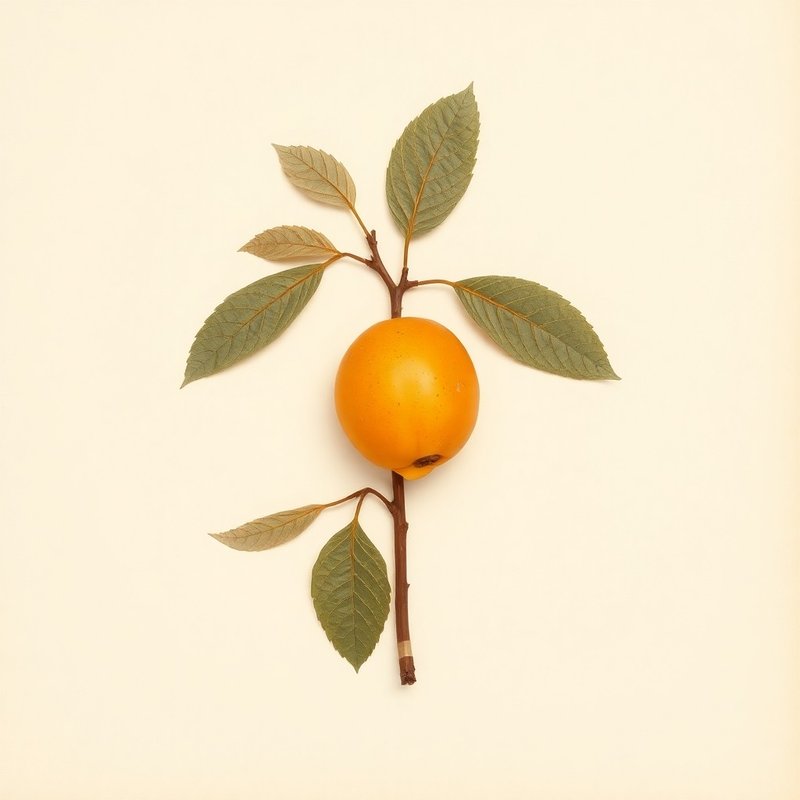
XI
Explore further
Companion planting
Health goals
Compare with similar plants
Growing zone
XII
About this entry
- Last updated
- Citation
- How to cite this entry · Submit a correction
Back to the cataloguePlant id · 102ef995-ab8f-4e8a-a68f-c713c351bc22
Decision aid
Choosing between Strawberry and something else?
Continue reading
❦❦❦❦
Endpaper · archive updates
Get archive updates
Occasional email when substantial new content lands — plant profiles, seasonal growing notes, folk-remedy additions. Free, no tracking, unsubscribe anytime.