
Lactuca sativa
Lactuca sativafam. Asteraceae
Educational content — not medical, botanical, or professional advice. Always consult a qualified clinician before using any herbal preparation — especially during pregnancy, breastfeeding, while on medication, or for children. How we source & review →

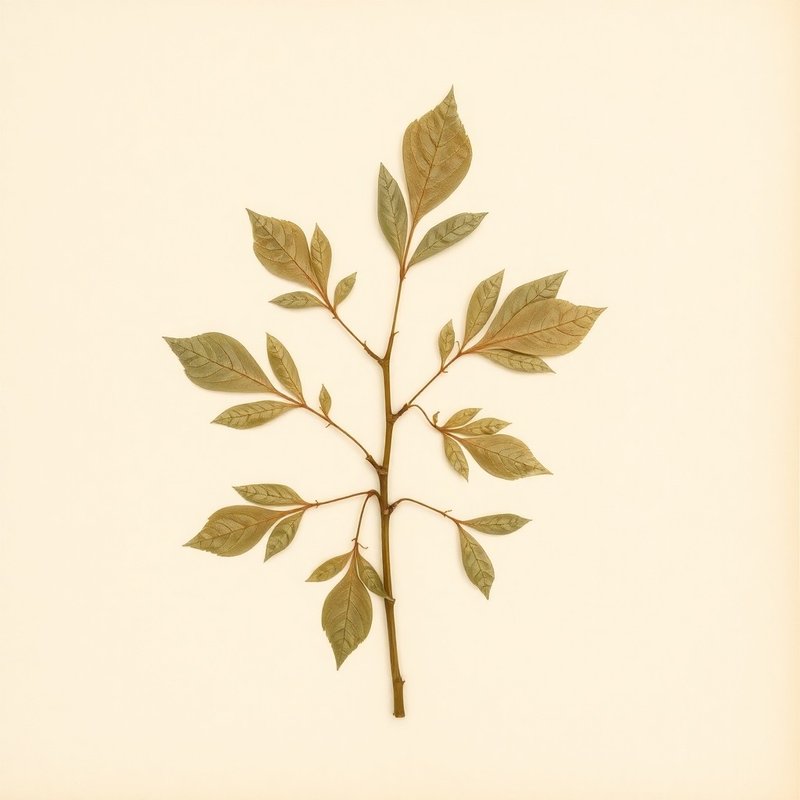
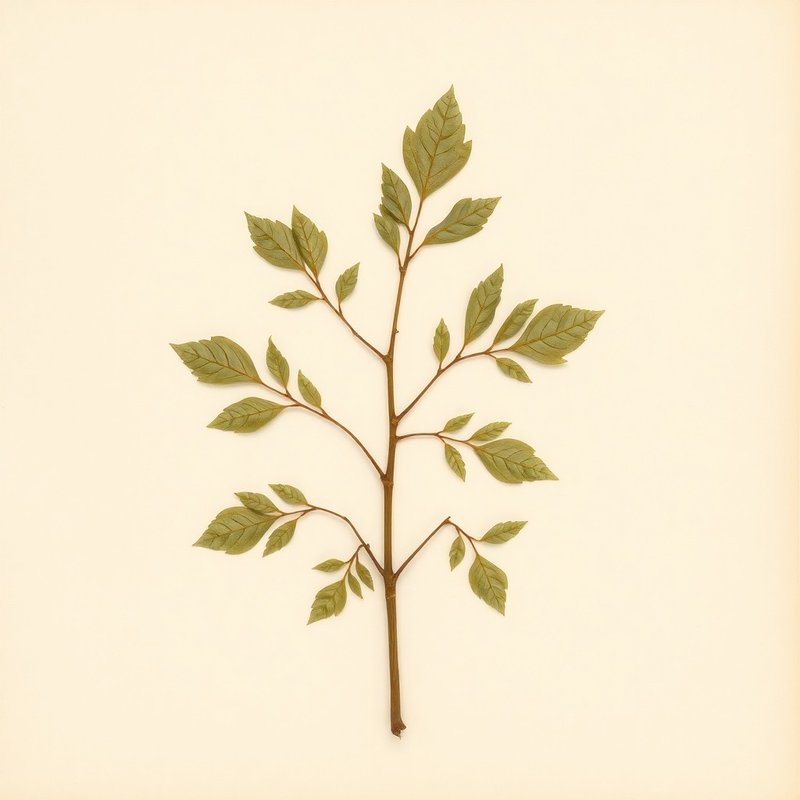
Pl. 8BD0 — Lactuca sativa
Lactuca sativaLactuca sativaLactuca sativaLactuca sativaLactuca sativaLactuca sativaLactuca sativaLactuca sativaLactuca sativaLactuca sativaLactuca sativaLactuca sativaLactuca sativaLactuca sativa
IOverview
Overview
Lactuca sativa, commonly known as lettuce, belongs to the Asteraceae family and is native to Iraq. This annual or biennial plant thrives in full sun to partial shade and prefers moist, light (sandy) to medium soil with a hardiness range of 5-9. Growing up to 0.9 meters tall, it is an herbaceous forb known for its edible leaves and seeds. Lettuce has been cultivated for centuries and is widely recognized as both an ornamental and culinary plant. Its traditional use in folk medicine includes the preparation of a garden lettuce leaf decoction to promote better sleep, particularly for children in Europe. This distinctive feature highlights its cultural significance beyond just being a common salad ingredient.
Quick answers
What is Lactuca sativa?
Lactuca sativa, commonly known as lettuce, belongs to the Asteraceae family and is native to Iraq. This annual or biennial plant thrives in full sun to partial shade and prefers moist, light (sandy) to medium soil with a hardiness range of 5-9.
What is Lactuca sativa used for?
Traditionally used for better sleep. Each claim is evidence-rated — see Section II for full citations.
Best for
Top 1 evidence-ranked use of Lactuca sativa
Clinicaluses · safety · chemistry · dosagemedicinal profile
IIBenefits & evidence
1 claim · 0 sources
Benefits & evidence
1 claim · 0 sources- Traditional use: garden lettuce leaf decoction — folk European for childhood sleep.
Lactucin alkaloid
IV·bMixology suggestions
1 draft
Mixology suggestions
1 draftEditorial drafts. These pairings are AI-suggested from traditional herbal lore. Always verify with a qualified herbalist before brewing.
Growingconditions · propagation · uses
VCultivation
Cultivation
Lactuca sativa thrives in full to partial sun and requires moist, well-draining soil that is light (sandy) or medium. It is hardy in temperate regions with zones 5-9. Space plants about 30cm apart for best growth. This annual or biennial plant can reach a height of 0.9 meters and produces edible leaves and seeds.
Light
Full sun, Partial sun/shade
Water
Moist
Soil
Light (sandy), Medium
Hardiness
5-9
Life cycle
Annual, Biennial
Habit
Forb/herb
Mature size
0.9 m tall
- Spacing
- 30cm
For first-time growers
How to grow Lactuca sativa for the first time
7steps
Start with easy-to-grow Skip lettuce in your garden for a simple and rewarding beginner project.
- 1
What you'll need
Seeds, small pots or trays, soil, watering can.
- 2
Best time to plant
Plant seeds outdoors after the last frost, or start them indoors a few weeks earlier.
- 3
Soil and container prep
Use well-draining soil in containers at least 30cm deep. Ensure your garden bed is loose and free of weeds.
- 4
Sowing or transplanting
Sow seeds 1-2cm deep, spacing them about 30cm apart. Transplant seedlings when they have two true leaves.
- 5
First two weeks
Keep soil consistently moist and provide light shade if temperatures are high. Thin plants to the recommended spacing.
- 6
Ongoing care
Water regularly, especially during dry spells. Mulch around plants to retain moisture and suppress weeds.
- 7
Harvest or pruning
Pick outer leaves as needed when plants are about 15cm tall. Cut the entire head for a more mature harvest.
VIEdible & utility
Edible & utility
Edible parts:LeavesSeed
Edible uses: Oil
Other uses:HairoilPest control
Contextrange · companions · related
VIIDistribution
1 native · 29 introduced
Distribution
1 native · 29 introducedDistribution across4 continents· 1 native· 29 introduced
Europe5 regions
introduced (5)AustriaBulgariaFranceRussiaSpain
Asia4 regions
native (1)Iraq
introduced (3)BangladeshChinaIndia
Americas5 regions
introduced (5)BelizeBoliviaColombiaCosta RicaDominican Republic
Africa4 regions
introduced (4)Burkina FasoCabo VerdeCameroonChad
Broader regions
introduced:Argentina Northeast, Baltic States, California, Cape Provinces, Caroline Is., Connecticut, Delaware, East Himalaya, Antipodean Is., Alabama
VIIIGarden companions
24 pairs
Garden companions
24 pairsPlant near these
These plants help — by repelling pests, fixing nitrogen, attracting pollinators, or sharing space well.
Parsley
Petroselinum crispum
Pollinator-friendly
Allium cepa
Allium cepa
Pest repellent
Onions help deter aphids and make efficient use of vertical space with lettuce.
Strawberry
Fragaria × ananassa
Ground cover
Lettuce and strawberries share cool, moist beds without strong competition.
Daucus carota
Daucus carota
Ground cover
Lettuce shades shallow carrot soil while carrots occupy deeper root space.
Cucumis sativus
Cucumis sativus
Shade provider
Cucumber vines can cast light shade over lettuce in warm weather.
Pot marigold
Calendula officinalis
Pollinator-friendly
Lower-confidence guild pairing: insectary flowers support pollinators, hoverflies, and parasitic wasps around mixed vegetable beds.
Fagopyrum esculentum
Fagopyrum esculentum
Pollinator-friendly
Lower-confidence guild pairing: insectary flowers support pollinators, hoverflies, and parasitic wasps around mixed vegetable beds.
Yarrow
Achillea millefolium
Pollinator-friendly
Lower-confidence guild pairing: insectary flowers support pollinators, hoverflies, and parasitic wasps around mixed vegetable beds.
Anise Hyssop
Agastache foeniculum
Pollinator-friendly
Lower-confidence guild pairing: insectary flowers support pollinators, hoverflies, and parasitic wasps around mixed vegetable beds.
Borage
Borago officinalis
Pollinator-friendly
Lower-confidence guild pairing: insectary flowers support pollinators, hoverflies, and parasitic wasps around mixed vegetable beds.
Artemisia dracunculus
Artemisia dracunculus
Pest repellent
Lower-confidence guild pairing: aromatic foliage can confuse pests in dense polyculture beds when spacing and airflow are maintained.
Hyssop
Hyssopus officinalis
Pest repellent
Lower-confidence guild pairing: aromatic foliage can confuse pests in dense polyculture beds when spacing and airflow are maintained.
Garlic
Allium sativum
Pest repellent
Lower-confidence guild pairing: aromatic foliage can confuse pests in dense polyculture beds when spacing and airflow are maintained.
✶ AI suggested
Chives
Allium schoenoprasum
Pest repellent
Lower-confidence guild pairing: aromatic foliage can confuse pests in dense polyculture beds when spacing and airflow are maintained.
White Clover
Trifolium repens
Living mulch
Lower-confidence guild pairing: low ground covers protect soil, reduce bare patches, and can be cut back if they compete.
Radish
Raphanus sativus
Trap crop
Lower-confidence guild pairing: trap crops can draw aphids or flea beetles away from the main crop when monitored and removed if overloaded.
Nasturtium
Tropaeolum majus
Trap crop
Lower-confidence guild pairing: trap crops can draw aphids or flea beetles away from the main crop when monitored and removed if overloaded.
Keep away from these
Avoid planting nearby — competition, allelopathy, or shared pests/diseases.
Fennel
Foeniculum vulgare
AllelopathicResource competitor
Fennel can suppress tender leafy crops and should be isolated.
Jerusalem artichoke
Helianthus tuberosus
Resource competitor
Management warning: vigorous spreaders or allelopathic plants are best isolated from productive beds unless contained.
Spearmint
Mentha spicata
Resource competitor
Management warning: vigorous spreaders or allelopathic plants are best isolated from productive beds unless contained.
IXSpecimen gallery
1 image
Specimen gallery
1 imageXSee also
8 related
See also
8 relatedPlants you might compare or use together — scored by shared family (Asteraceae), common use cases, and growing requirements.
same family · Asteraceae
Botanical relatives — often share phytochemistry + growing needs.

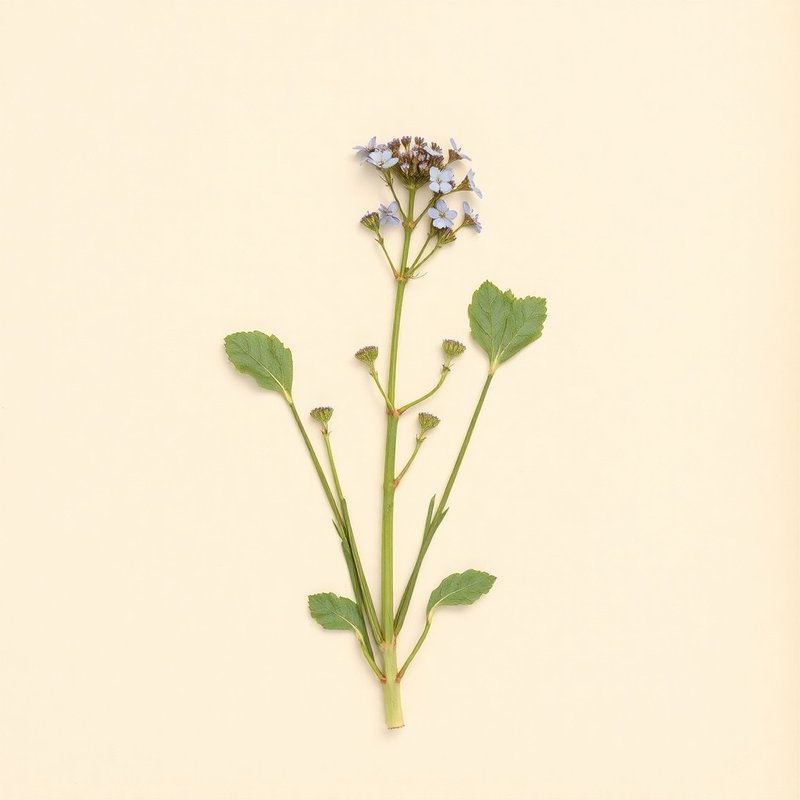
shared use cases
Different families, similar therapeutic role — good for comparing.
XI
Explore further
Companion planting
Compare with similar plants
Growing zone
XII
About this entry
- Last updated
- Citation
- How to cite this entry · Submit a correction
Back to the cataloguePlant id · 8bd02909-e291-4155-b89a-931a36cf41ce
Decision aid
Choosing between Lactuca sativa and something else?
Continue reading
❦❦❦❦
Endpaper · archive updates
Get archive updates
Occasional email when substantial new content lands — plant profiles, seasonal growing notes, folk-remedy additions. Free, no tracking, unsubscribe anytime.