
Pear
Pyrus communis
Educational content — not medical, botanical, or professional advice. Plant identification, safety, and edibility depend on local conditions, cultivars, and correct identification. Consult a qualified botanist or forager before consuming or handling wild specimens. How we source & review →
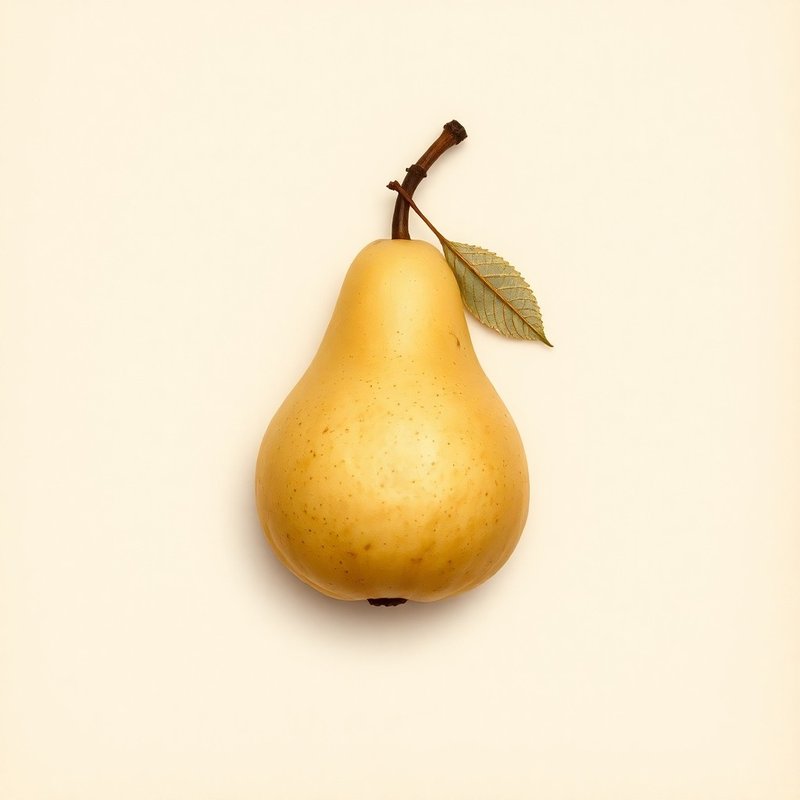
Pl. CECA — Pyrus communis
Pyrus communisPyrus communisPyrus communisPyrus communisPyrus communisPyrus communisPyrus communisPyrus communisPyrus communisPyrus communisPyrus communisPyrus communisPyrus communisPyrus communis
IOverview
Overview
Pyrus communis, commonly known as the pear tree, is a popular fruit tree in both home gardens and commercial orchards. Native to regions including Albania, Austria, and parts of Eastern Europe, this deciduous tree reaches heights of about 5 meters and is appreciated for its delicious fruit and attractive blossoms. Pear trees thrive in light, medium, or heavy soils with a pH between 5.2 and 6.7, making them relatively easy to maintain. The edible part of the pear tree is its fruit, which is both ornamental and useful. With various species and numerous cultivars, these trees offer a range of flavors and textures for culinary enjoyment.
Quick answers
What is Pear?
Pyrus communis, commonly known as the pear tree, is a popular fruit tree in both home gardens and commercial orchards. Native to regions including Albania, Austria, and parts of Eastern Europe, this deciduous tree reaches heights of about 5 meters and is appreciated for its delicious fruit and attractive blossoms.
Growingconditions · propagation · uses
VCultivation
Cultivation
Pear trees thrive in full sun to partial shade and prefer well-drained soils with a pH between 5.2 and 6.7. They grow best in light (sandy), medium, or heavy (clay) soil types. Water the tree regularly, ensuring it stays moist but not waterlogged. Hardy in zones 4-8, pear trees can be propagated through grafting or seed. Regular pruning helps maintain their shape and encourages fruit production.
Light
6/10
Water
Moist
Soil
Light (sandy), Medium, Heavy (clay)
Hardiness
4-8
Habit
Tree
Mature size
5.0 m tall
Soil pH
5.2–6.7
Seasonal calendar
Northern hemisphere · UTC month is September
winterspringsummerautumnwinter
BloomJFMAMJJASOND
For first-time growers
How to grow Pear for the first time
8steps
Start with a simple, hardy pear tree for your first gardening project.
- 1
What you'll need
A young pear tree, garden gloves, and a spade.
- 2
Best time to plant
Plant in early spring or late fall when the ground is not frozen.
- 3
Soil and container prep
Ensure soil drains well; mix compost into the top 12 inches. For containers, use a pot with drainage holes filled with a mix of peat moss, perlite, and compost.
- 4
Sowing or transplanting
Transplant young trees to their permanent spot in your garden. Dig a hole twice as wide but not deeper than the root ball.
- 5
First two weeks
Water regularly to keep soil moist. Avoid overwatering, which can lead to root rot.
- 6
Ongoing care
Fertilize in early spring with a balanced fertilizer. Prune annually to maintain shape and remove dead branches.
- 7
Harvest or pruning
Prune in late winter before new growth starts. Harvest fruit when it easily separates from the tree, usually in late summer or fall.
- 8
Common mistakes
Overwatering, planting too deep, and neglecting to prune regularly are common pitfalls for beginners.
VIEdible & utility
Edible & utility
Edible parts:Fruit
Edible uses: The fruit of the pear tree is commonly eaten raw or cooked. Pears can be enjoyed fresh for their sweet flavor and are also used in baking, preserves, and sauces. They can also be dried to preserve them for later use. Skip
Contextrange · companions · related
VIIDistribution
30 native · 0 introduced
Distribution
30 native · 0 introducedDistribution across2 continents· 30 native
Europe18 regions
native (18)AlbaniaAustriaBelarusBelgiumBulgariaCyprusFranceGermanyGreeceHungaryItalyNetherlandsPolandRomaniaRussiaSpainSwitzerlandUkraine
Asia2 regions
native (2)IraqTurkey
Broader regions
native:Transcaucasus, Baltic States, Czechoslovakia, East Aegean Is.
VIIIGarden companions
11 pairs
Garden companions
11 pairsPlant near these
These plants help — by repelling pests, fixing nitrogen, attracting pollinators, or sharing space well.
White Clover
Trifolium repens
Living mulchDynamic accumulator
White clover fixes nitrogen as a low orchard understory.
Pot marigold
Calendula officinalis
Pollinator-friendly
Lower-confidence orchard guild pairing: long-blooming insectary plants support pollinators and pest predators near fruit trees.
Bergamot
Monarda didyma
Pollinator-friendly
Lower-confidence orchard guild pairing: long-blooming insectary plants support pollinators and pest predators near fruit trees.
Yarrow
Achillea millefolium
Pollinator-friendly
Lower-confidence orchard guild pairing: long-blooming insectary plants support pollinators and pest predators near fruit trees.
Fagopyrum esculentum
Fagopyrum esculentum
Pollinator-friendly
Lower-confidence orchard guild pairing: long-blooming insectary plants support pollinators and pest predators near fruit trees.
Stinging nettle
Urtica dioica
Dynamic accumulator
Lower-confidence orchard guild pairing: deep-rooted or nitrogen-supporting plants can be chopped and dropped as managed mulch.
Chives
Allium schoenoprasum
Pest repellent
Lower-confidence orchard guild pairing: compact aromatic herbs form a pest-confusing edge under or near fruit trees.
Garlic
Allium sativum
Pest repellent
Lower-confidence orchard guild pairing: compact aromatic herbs form a pest-confusing edge under or near fruit trees.
Origanum vulgare
Origanum vulgare
Pest repellent
Lower-confidence orchard guild pairing: compact aromatic herbs form a pest-confusing edge under or near fruit trees.
Keep away from these
Avoid planting nearby — competition, allelopathy, or shared pests/diseases.
IXSpecimen gallery
1 image
Specimen gallery
1 imageXI
Explore further
Companion planting
Growing zone
XII
About this entry
- Last updated
- Citation
- How to cite this entry · Submit a correction
Back to the cataloguePlant id · ceca2ec4-d058-428f-943d-94b3f2fb15b5
Decision aid
Choosing between Pear and something else?
Continue reading
❦❦❦❦
Endpaper · archive updates
Get archive updates
Occasional email when substantial new content lands — plant profiles, seasonal growing notes, folk-remedy additions. Free, no tracking, unsubscribe anytime.