
Stinging nettle
Urtica dioica
Educational content — not medical, botanical, or professional advice. Always consult a qualified clinician before using any herbal preparation — especially during pregnancy, breastfeeding, while on medication, or for children. How we source & review →
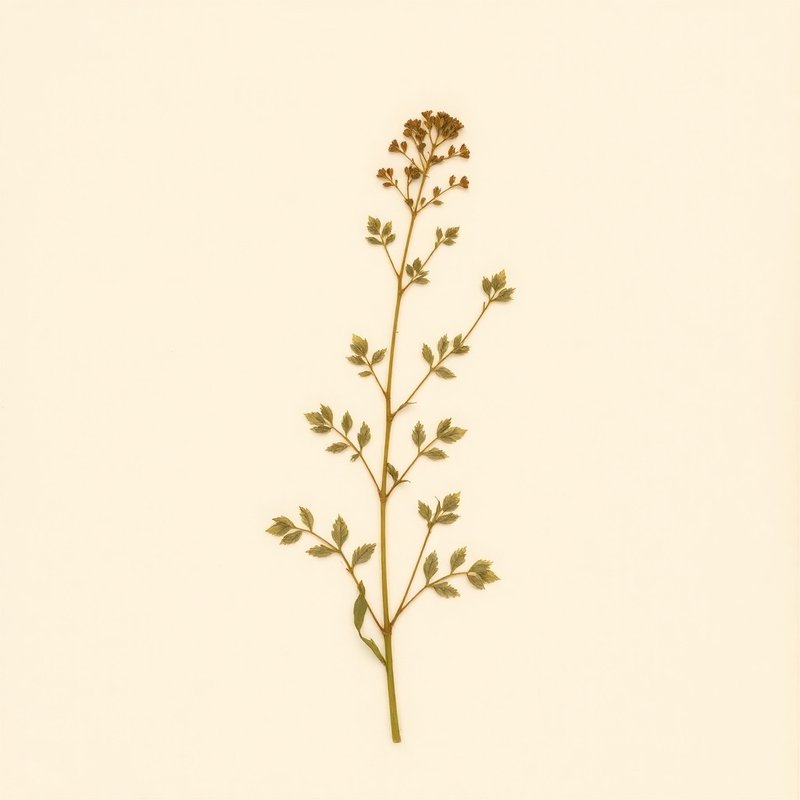
Pl. 4F44 — Urtica dioica
Urtica dioicaUrtica dioicaUrtica dioicaUrtica dioicaUrtica dioicaUrtica dioicaUrtica dioicaUrtica dioicaUrtica dioicaUrtica dioicaUrtica dioicaUrtica dioicaUrtica dioicaUrtica dioica
IOverview
Overview
Stinging nettle (Urtica dioica) is a perennial herb found across Europe, Asia, and North Africa in moist, light to heavy soils. Native to Afghanistan, Albania, Algeria, and other regions, it has spread widely due to its adaptability. Known for both its edible and medicinal properties, stinging nettle is valued for its leaves and shoots, which can be eaten after removing the stinging hairs. Medicinally, it has a long history of use in traditional medicine, particularly for histamine-driven skin reactions when applied topically. Freeze-dried forms are also used internally. This plant thrives in soil with a pH between 6.5 and 7, making it suitable for gardens with similar conditions. Its distinctive feature is the presence of stinging hairs on the stems and leaves, which can cause temporary pain upon contact.
Quick answers
What is Stinging nettle?
Stinging nettle (Urtica dioica) is a perennial herb found across Europe, Asia, and North Africa in moist, light to heavy soils. Native to Afghanistan, Albania, Algeria, and other regions, it has spread widely due to its adaptability.
What is Stinging nettle used for?
Traditionally used for topical & skin. Each claim is evidence-rated — see Section II for full citations.
Best for
Top 1 evidence-ranked use of Stinging nettle
Clinicaluses · safety · chemistry · dosagemedicinal profile
IIBenefits & evidence
1 claim · 0 sources
Benefits & evidence
1 claim · 0 sources- Traditional use: nettle systemic for histamine-driven skin reactions; freeze-dried internal.
Histamine + lectin + chlorophyll
IV·bMixology suggestions
1 draft
Mixology suggestions
1 draftEditorial drafts. These pairings are AI-suggested from traditional herbal lore. Always verify with a qualified herbalist before brewing.
Skin Soothe
skintincture
Traditional topical application for soothing skin irritations.
Growingconditions · propagation · uses
VCultivation
Cultivation
Urtica dioica thrives in moist conditions and prefers light (sandy), medium, or heavy (clay) soils with a pH of 6.5 to 7. It is hardy in temperate regions from zones 3-10 and can grow up to 1.2 meters tall as a perennial forb/herb. For optimal growth, provide full sun to partial shade. Harvest the leaves and shoots for edible use. Propagate via division or seed.
Light
5/10
Water
Moist
Soil
Light (sandy), Medium, Heavy (clay)
Hardiness
3-10
Life cycle
Perennial
Habit
Forb/herb
Mature size
1.2 m tall
Soil pH
6.5–7
For first-time growers
How to grow Stinging nettle for the first time
8steps
Start with a simple and forgiving plant like Urtica dioica for beginners.
- 1
What you'll need
A packet of Urtica dioica seeds, a trowel, and some compost.
- 2
Best time to plant
Plant in early spring or late summer when the soil is moist but not waterlogged.
- 3
Soil and container prep
Choose a spot with partial shade and prepare loose, well-draining soil with a pH of 6.5–7.
- 4
Sowing or transplanting
Direct sow seeds 1 cm deep in rows 30 cm apart or transplant seedlings once they have two sets of true leaves.
- 5
First two weeks
Keep the soil consistently moist and watch for signs of stress like wilting.
- 6
Ongoing care
Water regularly, especially during dry spells. Mulch to retain moisture and suppress weeds.
- 7
Harvest or pruning
Prune back any dead or overgrown stems in late winter to encourage new growth.
- 8
Common mistakes
Overwatering, planting too deep, neglecting to mulch, and not providing enough light.
VIEdible & utility
Edible & utility
Edible parts:LeavesShoots
Edible uses: Oil, Colouring, Curdling agent, Drink
Other uses:BiomassCompostDyeFiberHairAnimal feedoilWaterproofingDynamic accumulator
Contextrange · companions · related
VIIDistribution
30 native · 0 introduced
Distribution
30 native · 0 introducedDistribution across3 continents· 30 native
Europe13 regions
native (13)AlbaniaAustriaBelgiumBulgariaDenmarkFinlandFranceGermanyGreeceHungaryIcelandRussiaUnited Kingdom
Asia3 regions
native (3)AfghanistanChinaIndia
Africa1 region
native (1)Algeria
Broader regions
native:Amur, Buryatiya, Baltic States, Altay, Føroyar, Chita, Czechoslovakia, East Aegean Is., East Himalaya
VIIIGarden companions
10 pairs
Garden companions
10 pairsPlant near these
These plants help — by repelling pests, fixing nitrogen, attracting pollinators, or sharing space well.
Apple
Malus domestica
Dynamic accumulator
Lower-confidence orchard guild pairing: deep-rooted or nitrogen-supporting plants can be chopped and dropped as managed mulch.
Quince
Cydonia oblonga
Dynamic accumulator
Lower-confidence orchard guild pairing: deep-rooted or nitrogen-supporting plants can be chopped and dropped as managed mulch.
Apricot
Prunus armeniaca
Dynamic accumulator
Lower-confidence orchard guild pairing: deep-rooted or nitrogen-supporting plants can be chopped and dropped as managed mulch.
Sweet cherry
Prunus avium
Dynamic accumulator
Lower-confidence orchard guild pairing: deep-rooted or nitrogen-supporting plants can be chopped and dropped as managed mulch.
Sour cherry
Prunus cerasus
Dynamic accumulator
Lower-confidence orchard guild pairing: deep-rooted or nitrogen-supporting plants can be chopped and dropped as managed mulch.
European plum
Prunus domestica
Dynamic accumulator
Lower-confidence orchard guild pairing: deep-rooted or nitrogen-supporting plants can be chopped and dropped as managed mulch.
Peach
Prunus persica
Dynamic accumulator
Lower-confidence orchard guild pairing: deep-rooted or nitrogen-supporting plants can be chopped and dropped as managed mulch.
Pear
Pyrus communis
Dynamic accumulator
Lower-confidence orchard guild pairing: deep-rooted or nitrogen-supporting plants can be chopped and dropped as managed mulch.
Black elderberry
Sambucus nigra
Dynamic accumulator
Lower-confidence orchard guild pairing: deep-rooted or nitrogen-supporting plants can be chopped and dropped as managed mulch.
Common Grape Vine
Vitis vinifera
Dynamic accumulator
Lower-confidence orchard guild pairing: deep-rooted or nitrogen-supporting plants can be chopped and dropped as managed mulch.
IXSpecimen gallery
1 image
Specimen gallery
1 imageXSee also
8 related
See also
8 relatedPlants you might compare or use together — scored by shared family, common use cases, and growing requirements.
shared use cases
Different families, similar therapeutic role — good for comparing.


XI
Explore further
Companion planting
Compare with similar plants
Growing zone
XII
About this entry
- Last updated
- Citation
- How to cite this entry · Submit a correction
Back to the cataloguePlant id · 4f44e2b5-731e-440a-acb9-4ebab391f072
Decision aid
Choosing between Stinging nettle and something else?
Continue reading
❦❦❦❦
Endpaper · archive updates
Get archive updates
Occasional email when substantial new content lands — plant profiles, seasonal growing notes, folk-remedy additions. Free, no tracking, unsubscribe anytime.