
Origanum vulgare
Origanum vulgare
Educational content — not medical, botanical, or professional advice. Always consult a qualified clinician before using any herbal preparation — especially during pregnancy, breastfeeding, while on medication, or for children. How we source & review →
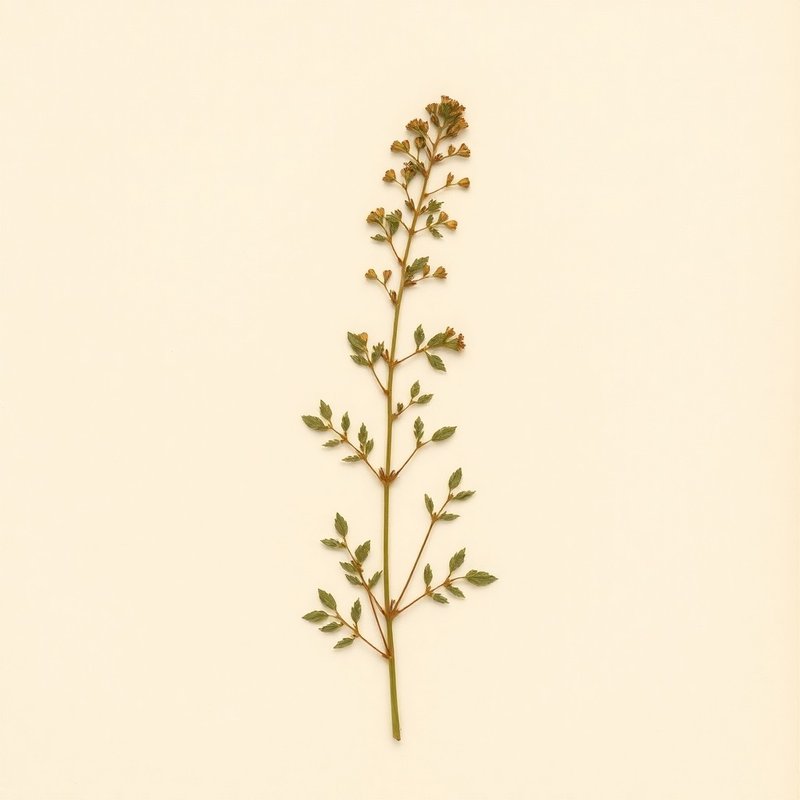
Pl. 1609 — Origanum vulgare
Origanum vulgareOriganum vulgareOriganum vulgareOriganum vulgareOriganum vulgareOriganum vulgareOriganum vulgareOriganum vulgareOriganum vulgareOriganum vulgareOriganum vulgareOriganum vulgareOriganum vulgareOriganum vulgare
IOverview
Overview
Origanum vulgare, commonly known as wild oregano, is a perennial herb native to the Mediterranean and Central Asia, with a widespread natural range that includes parts of Europe, Asia, and North Africa. This aromatic plant thrives in well-drained soils ranging from light (sandy) to heavy (clay), preferring a pH between 7 and 7.5. It is known for its edible and ornamental qualities, with leaves, flowers, and stems all being usable parts. Wild oregano can grow up to 0.6 meters in height and width, making it suitable for gardens where it can be spaced about 20cm apart. Its light, dry to moist conditions and hardiness from zone 4 to 10 make it adaptable to various climates. One distinctive feature of this plant is its strong, pungent aroma, which contributes to its popularity in culinary applications.
Quick answers
What is Origanum vulgare?
Origanum vulgare, commonly known as wild oregano, is a perennial herb native to the Mediterranean and Central Asia, with a widespread natural range that includes parts of Europe, Asia, and North Africa.
What is Origanum vulgare used for?
Traditionally used for immune support. Each claim is evidence-rated — see Section II for full citations.
Best for
Top 1 evidence-ranked use of Origanum vulgare
Clinicaluses · safety · chemistry · dosagemedicinal profile
IIBenefits & evidence
1 claim · 0 sources
Benefits & evidence
1 claim · 0 sources- Traditional use: oregano oil as broad-spectrum antimicrobial. Topical and internal.
Carvacrol + thymol
IV·bMixology suggestions
1 draft
Mixology suggestions
1 draftEditorial drafts. These pairings are AI-suggested from traditional herbal lore. Always verify with a qualified herbalist before brewing.
Immune Boost
immunetincture
Combines oregano's antimicrobial properties with blueberry's immune support.
Growingconditions · propagation · uses
VCultivation
Cultivation
Origanum vulgare thrives in full sun to partial shade and prefers well-drained soil with a pH between 7 and 7.5. It is adaptable to light (sandy), medium, and heavy (clay) soils but prefers moist conditions rather than being overly dry. Spacing plants about 20cm apart ensures good air circulation and healthy growth. This perennial herb grows up to 0.6 meters in height and width, making it suitable for borders or as a ground cover. It is hardy in temperate regions with zones ranging from 4 to 10, so it can tolerate both cool and mild climates. Harvest the edible parts—leaves, flowers, and stems—for culinary use.
Light
6/10
Water
Dry, Moist
Soil
Light (sandy), Medium, Heavy (clay)
Hardiness
4-10
Life cycle
Perennial
Habit
Forb/herb
Mature size
0.6 m × 0.6 m
Soil pH
7–7.5
- Spacing
- 20cm
For first-time growers
How to grow Origanum vulgare for the first time
8steps
Start with a simple oregano plant to gain experience in herb gardening.
- 1
What you'll need
A young oregano plant, well-draining soil, and a sunny spot in your garden.
- 2
Best time to plant
Plant or transplant the oregano in spring after the last frost.
- 3
Soil and container prep
Ensure the soil is light (sandy), medium, or heavy with a pH of 7–7.5. Containers should have good drainage holes.
- 4
Sowing or transplanting
Transplant young oregano plants into your prepared garden bed or container, spacing them about 20cm apart.
- 5
First two weeks
Water the plant regularly to keep the soil moist but not waterlogged. Monitor for any signs of pests or diseases.
- 6
Ongoing care
Provide full sun and regular watering, especially during dry spells. Fertilize sparingly with a balanced organic fertilizer.
- 7
Harvest or pruning
Prune the plant lightly in early spring to encourage bushy growth and harvest leaves and flowers as needed.
- 8
Common mistakes
Overwatering, planting in heavy clay soil, not providing enough sunlight, and neglecting regular pruning.
VIEdible & utility
Edible & utility
Edible parts:FlowersLeavesStem
Edible uses: Condiment, Tea
Other uses:DyeEssential OilPest controlStrewingDynamic accumulatorGround coverFragrance
Contextrange · companions · related
VIIDistribution
30 native · 0 introduced
Distribution
30 native · 0 introducedDistribution across3 continents· 30 native
Europe16 regions
native (16)AlbaniaAustriaBelarusBelgiumBulgariaCyprusDenmarkFinlandFranceGermanyGreeceHungaryPortugalRussiaSpainUnited Kingdom
Asia3 regions
native (3)AfghanistanChinaIndia
Africa1 region
native (1)Algeria
Broader regions
native:Altay, Baltic States, Buryatiya, Czechoslovakia, East Aegean Is., East Himalaya
VIIIGarden companions
18 pairs
Garden companions
18 pairsPlant near these
These plants help — by repelling pests, fixing nitrogen, attracting pollinators, or sharing space well.
Yarrow
Achillea millefolium
Pollinator-friendly
Lower-confidence herb guild pairing: overlapping bloom windows increase beneficial-insect habitat in medicinal herb beds.
Pot marigold
Calendula officinalis
Pollinator-friendly
Lower-confidence herb guild pairing: overlapping bloom windows increase beneficial-insect habitat in medicinal herb beds.
Fagopyrum esculentum
Fagopyrum esculentum
Pollinator-friendly
Lower-confidence herb guild pairing: overlapping bloom windows increase beneficial-insect habitat in medicinal herb beds.
White Clover
Trifolium repens
Living mulch
Lower-confidence herb guild pairing: low living mulches protect soil around taller perennial herbs when kept from crowding crowns.
Wild Cabbage
Brassica oleracea
Pest repellent
Oregano's aromatic foliage helps confuse cabbage moths in mixed plantings.
Common Grape Vine
Vitis vinifera
Ground coverPest repellent
Oregano provides aromatic ground cover in sunny, well-drained vineyard edges.
Sage
Salvia officinalis
Pest repellent
Mediterranean aromatics combine well in dry herb beds.
Thyme
Thymus vulgaris
Ground cover
Thyme and oregano form a low aromatic ground layer in dry beds.
Quince
Cydonia oblonga
Pest repellent
Lower-confidence orchard guild pairing: compact aromatic herbs form a pest-confusing edge under or near fruit trees.
Apple
Malus domestica
Pest repellent
Lower-confidence orchard guild pairing: compact aromatic herbs form a pest-confusing edge under or near fruit trees.
Apricot
Prunus armeniaca
Pest repellent
Lower-confidence orchard guild pairing: compact aromatic herbs form a pest-confusing edge under or near fruit trees.
Sweet cherry
Prunus avium
Pest repellent
Lower-confidence orchard guild pairing: compact aromatic herbs form a pest-confusing edge under or near fruit trees.
Sour cherry
Prunus cerasus
Pest repellent
Lower-confidence orchard guild pairing: compact aromatic herbs form a pest-confusing edge under or near fruit trees.
European plum
Prunus domestica
Pest repellent
Lower-confidence orchard guild pairing: compact aromatic herbs form a pest-confusing edge under or near fruit trees.
Peach
Prunus persica
Pest repellent
Lower-confidence orchard guild pairing: compact aromatic herbs form a pest-confusing edge under or near fruit trees.
Pear
Pyrus communis
Pest repellent
Lower-confidence orchard guild pairing: compact aromatic herbs form a pest-confusing edge under or near fruit trees.
Black elderberry
Sambucus nigra
Pest repellent
Lower-confidence orchard guild pairing: compact aromatic herbs form a pest-confusing edge under or near fruit trees.
IXSpecimen gallery
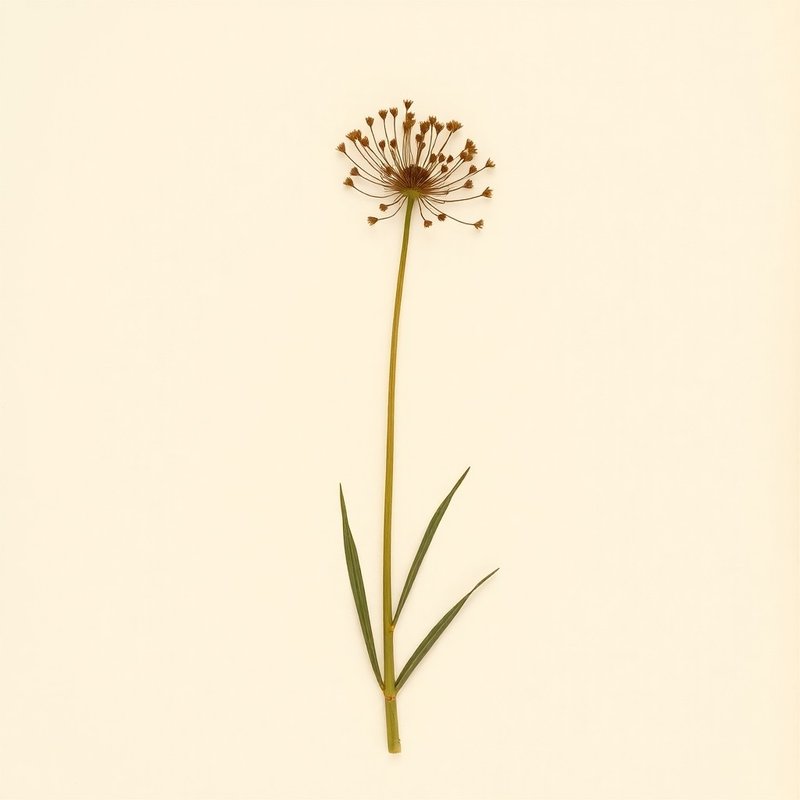
1 image
Specimen gallery
1 imageXSee also
8 related
See also
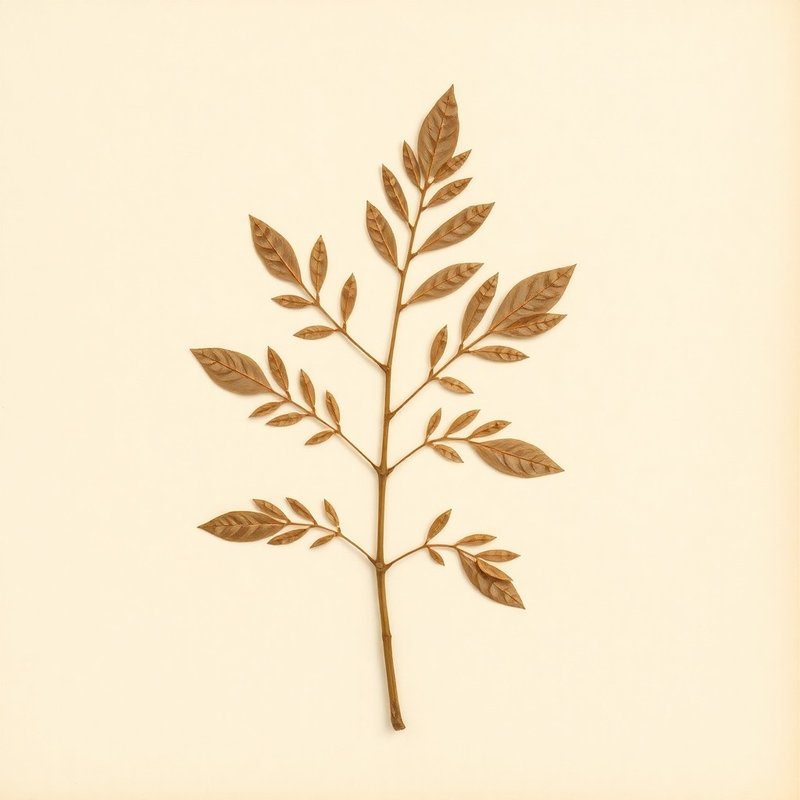
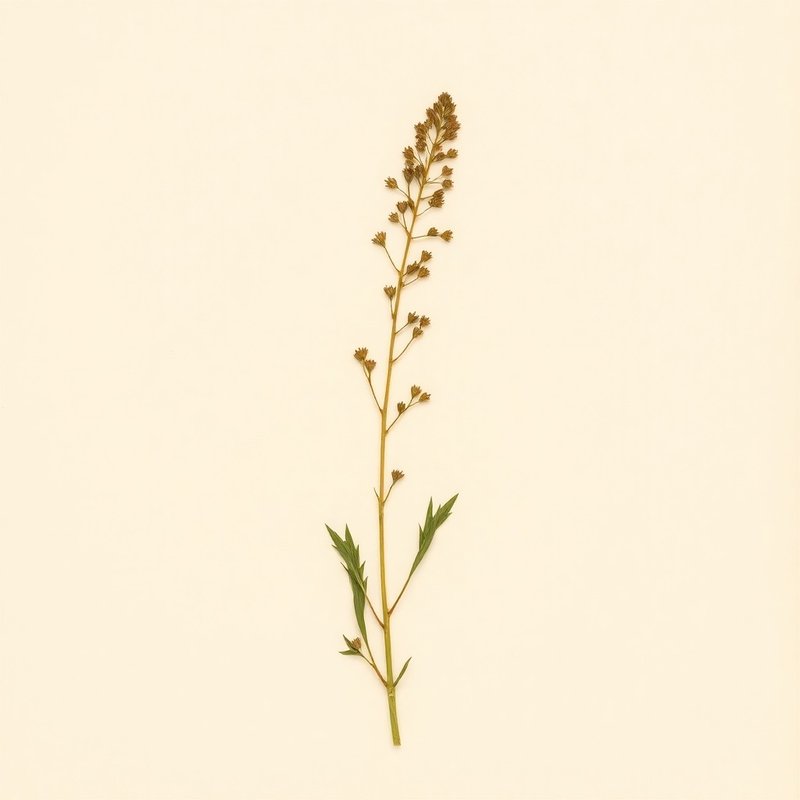
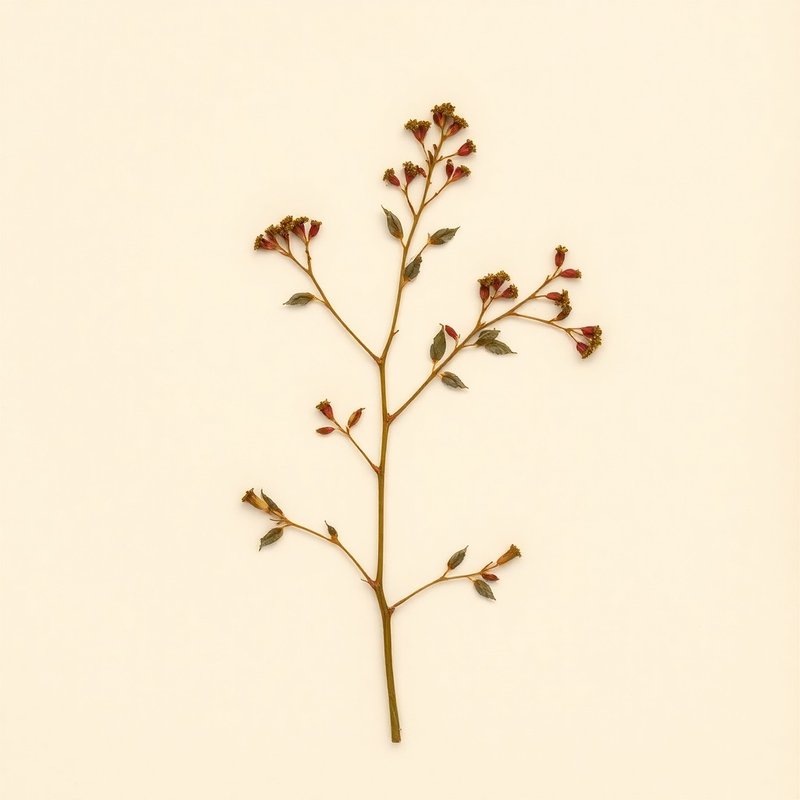
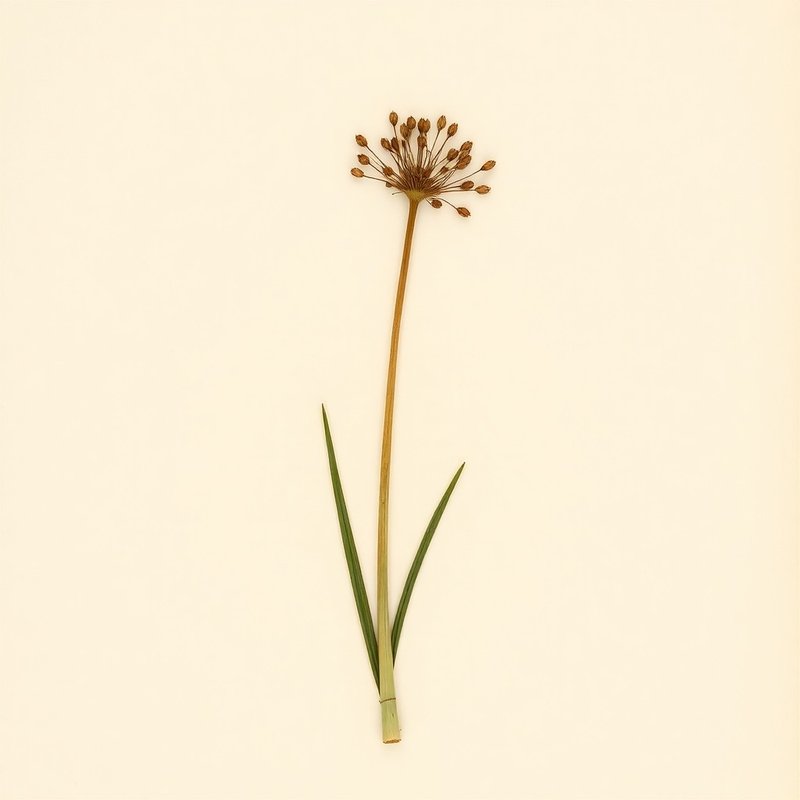
8 relatedPlants you might compare or use together — scored by shared family, common use cases, and growing requirements.
shared use cases
Different families, similar therapeutic role — good for comparing.
XI
Explore further
Companion planting
Compare with similar plants
Growing zone
XII
About this entry
- Last updated
- Citation
- How to cite this entry · Submit a correction
Back to the cataloguePlant id · 16092bd9-eeec-4f33-8291-c5fb1e777a35
Decision aid
Choosing between Origanum vulgare and something else?
Continue reading
❦❦❦❦
Endpaper · archive updates
Get archive updates
Occasional email when substantial new content lands — plant profiles, seasonal growing notes, folk-remedy additions. Free, no tracking, unsubscribe anytime.