
Satureja hortensis
Satureja hortensisfam. Lamiaceae
Educational content — not medical, botanical, or professional advice. Always consult a qualified clinician before using any herbal preparation — especially during pregnancy, breastfeeding, while on medication, or for children. How we source & review →
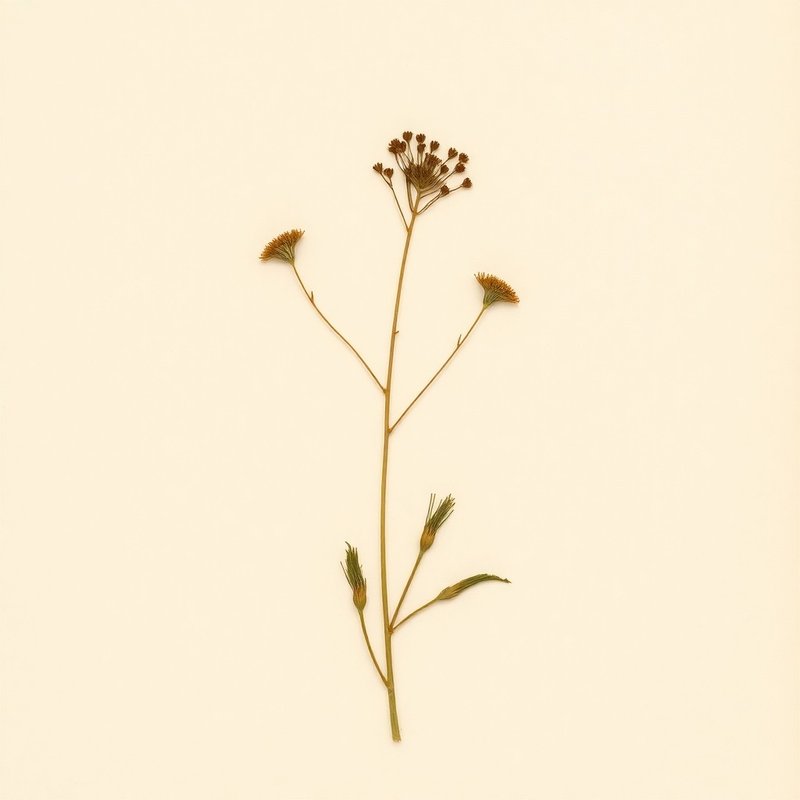
Pl. D0E5 — Satureja hortensis
Satureja hortensisSatureja hortensisSatureja hortensisSatureja hortensisSatureja hortensisSatureja hortensisSatureja hortensisSatureja hortensisSatureja hortensisSatureja hortensisSatureja hortensisSatureja hortensisSatureja hortensisSatureja hortensis
IOverview
Overview
Satureja hortensis, commonly known as winter savory, belongs to the Lamiaceae family and is native to regions including Transcaucasus, Turkey, Albania, Altay, Italy, Kazakhstan, Krym, and West Himalaya. This annual herb thrives in full sun with a preference for dry to moist conditions and light (sandy) or medium soil types, making it adaptable but not overly demanding on its growing environment. Known both for its culinary uses and medicinal properties, winter savory is valued for its aromatic leaves and shoots, which are often used in cooking to add a distinctive flavor to meat dishes, sausages, and soups. Its hardiness ranges from zones 5-9, allowing it to survive in various climates within this range. One of the plant's distinctive features is its ability to grow up to 0.3 meters tall, forming a compact herb that can be easily incorporated into gardens or containers for both ornamental and practical purposes.
Quick answers
What is Satureja hortensis?
Satureja hortensis, commonly known as winter savory, belongs to the Lamiaceae family and is native to regions including Transcaucasus, Turkey, Albania, Altay, Italy, Kazakhstan, Krym, and West Himalaya.
IV·bMixology suggestions
1 draft
Mixology suggestions
1 draftEditorial drafts. These pairings are AI-suggested from traditional herbal lore. Always verify with a qualified herbalist before brewing.
Satureja hortensis support blend
generaltea
AI returned a direct ingredient list; normalized into one draft blend for editorial review.
Growingconditions · propagation · uses
VCultivation
Cultivation
Satureja hortensis thrives in full sun and prefers well-draining soil that is either light (sandy) or medium. It can tolerate dry to moist conditions but dislikes overly wet soil. This annual plant grows up to 0.3 meters tall and is hardy in zones 5-9, making it suitable for temperate regions. For optimal growth, sow seeds directly where you want them to grow, as this herb does not transplant well. Harvest the leaves and shoots for culinary use throughout the growing season.
Light
Full sun
Water
Dry, Moist
Soil
Light (sandy), Medium
Hardiness
5-9
Life cycle
Annual
Habit
Forb/herb
Mature size
0.3 m tall
For first-time growers
How to grow Satureja hortensis for the first time
8steps
Start with simple soil and basic care for a successful Skip plant.
- 1
What you'll need
A small pot, quality potting mix, seeds or young plants.
- 2
Best time to plant
Plant in spring after the last frost, or start seeds indoors about 4 weeks before planting outdoors.
- 3
Soil and container prep
Use a well-draining potting mix. Ensure your container has drainage holes.
- 4
Sowing or transplanting
Direct sow in the garden after danger of frost, or start seeds indoors and transplant once they have 2-3 true leaves.
- 5
First two weeks
Keep soil moist but not waterlogged. Place in a sunny spot to encourage growth.
- 6
Ongoing care
Water when the top inch of soil feels dry, and fertilize sparingly with a balanced liquid fertilizer every 4-6 weeks.
- 7
Harvest or pruning
Prune lightly after flowering to promote bushier growth. Harvest leaves as needed for culinary use.
- 8
Common mistakes
Overwatering, using heavy soil that doesn't drain well, and not providing enough sunlight.
VIEdible & utility
Edible & utility
Edible parts:LeavesShoots
Edible uses: Condiment, Tea
Other uses:Essential OilDynamic accumulatorFragrance
Contextrange · companions · related
VIIDistribution
10 native · 20 introduced
Distribution
10 native · 20 introducedDistribution across3 continents· 10 native· 20 introduced
Europe10 regions
native (3)AlbaniaItalyUkraine
introduced (7)BulgariaFranceGreecePortugalRussiaSpainUkraine
Asia3 regions
native (3)ChinaKazakhstanTurkey
Americas2 regions
introduced (2)CubaDominican Republic
Broader regions
native:Altay, West Himalaya, Yugoslavia, Transcaucasus
introduced:Czechoslovakia, Gulf States, Illinois, New York, Primorye, Texas, Vermont, Wisconsin
VIIIGarden companions
6 pairs
Garden companions
6 pairsPlant near these
These plants help — by repelling pests, fixing nitrogen, attracting pollinators, or sharing space well.
Yarrow
Achillea millefolium
Pollinator-friendly
Lower-confidence herb guild pairing: overlapping bloom windows increase beneficial-insect habitat in medicinal herb beds.
Pot marigold
Calendula officinalis
Pollinator-friendly
Lower-confidence herb guild pairing: overlapping bloom windows increase beneficial-insect habitat in medicinal herb beds.
Fagopyrum esculentum
Fagopyrum esculentum
Pollinator-friendly
Lower-confidence herb guild pairing: overlapping bloom windows increase beneficial-insect habitat in medicinal herb beds.
White Clover
Trifolium repens
Living mulch
Lower-confidence herb guild pairing: low living mulches protect soil around taller perennial herbs when kept from crowding crowns.
Hyssop
Hyssopus officinalis
Pest repellent
Hyssop repels pests that might harm Satureja hortensis.
✶ AI suggested
Wild Cabbage
Brassica oleracea
Pest repellent
Summer savory is a small aromatic companion for cabbage-family crops.
IXSpecimen gallery
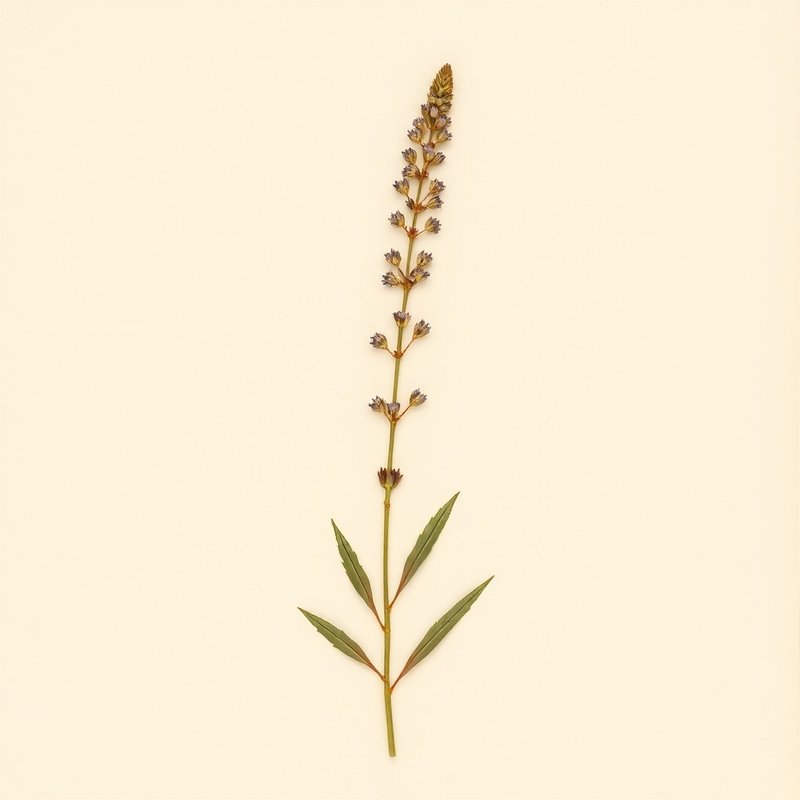
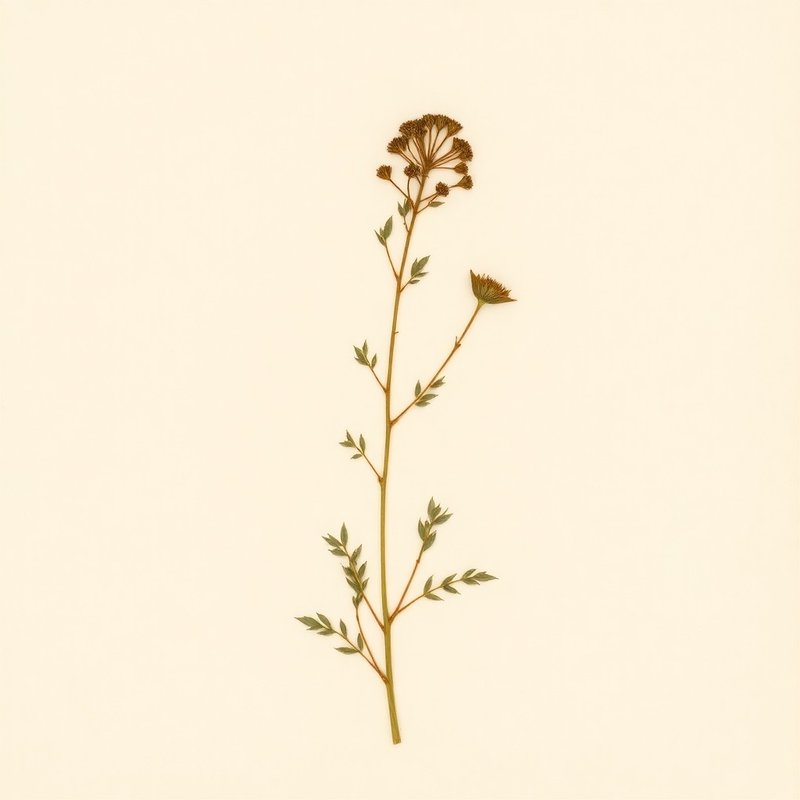
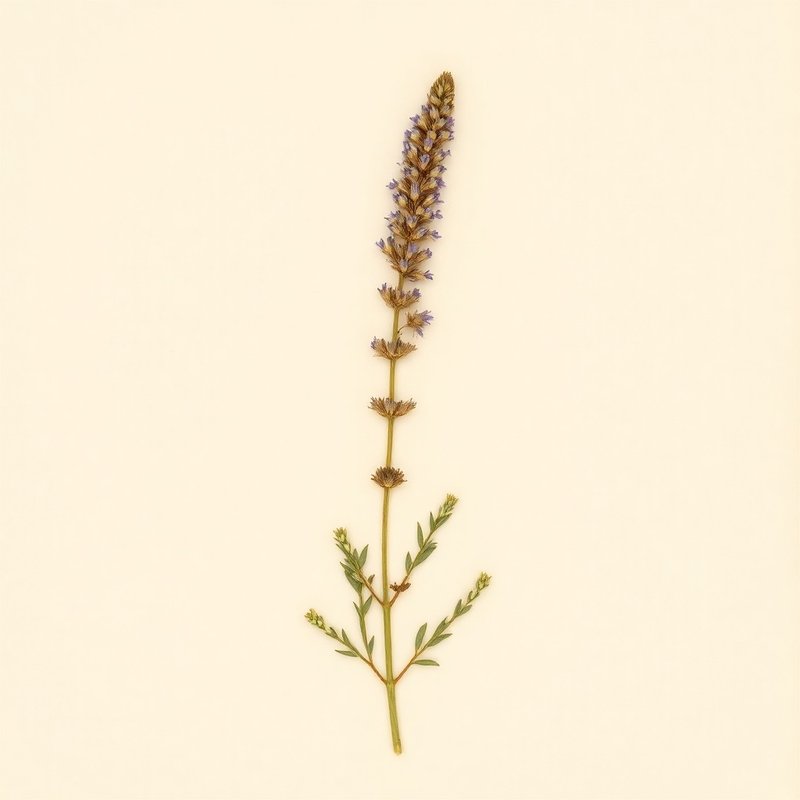
1 image
Specimen gallery
1 imageXSee also
8 related
See also
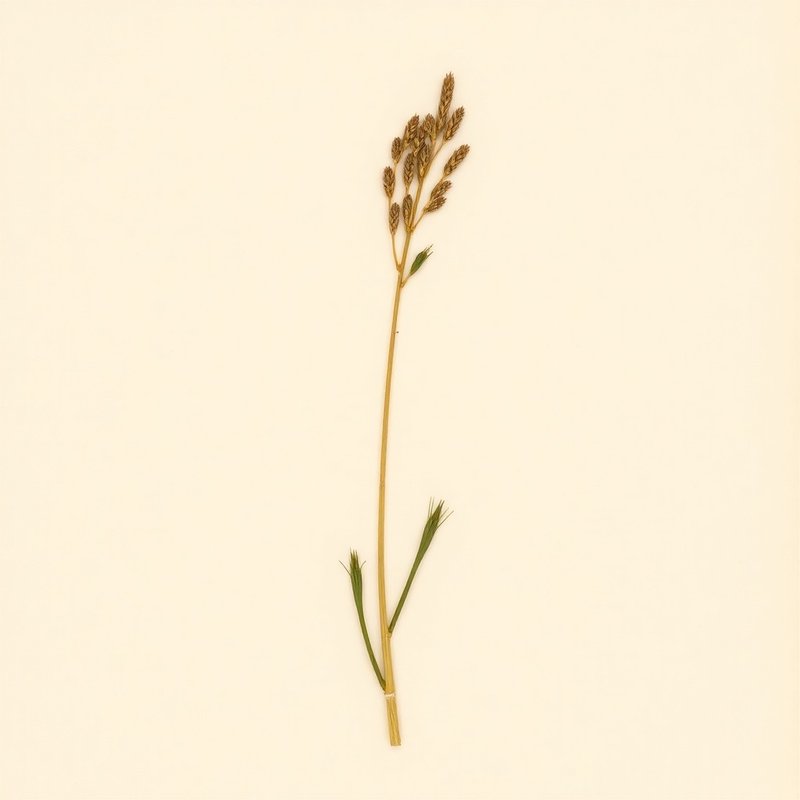
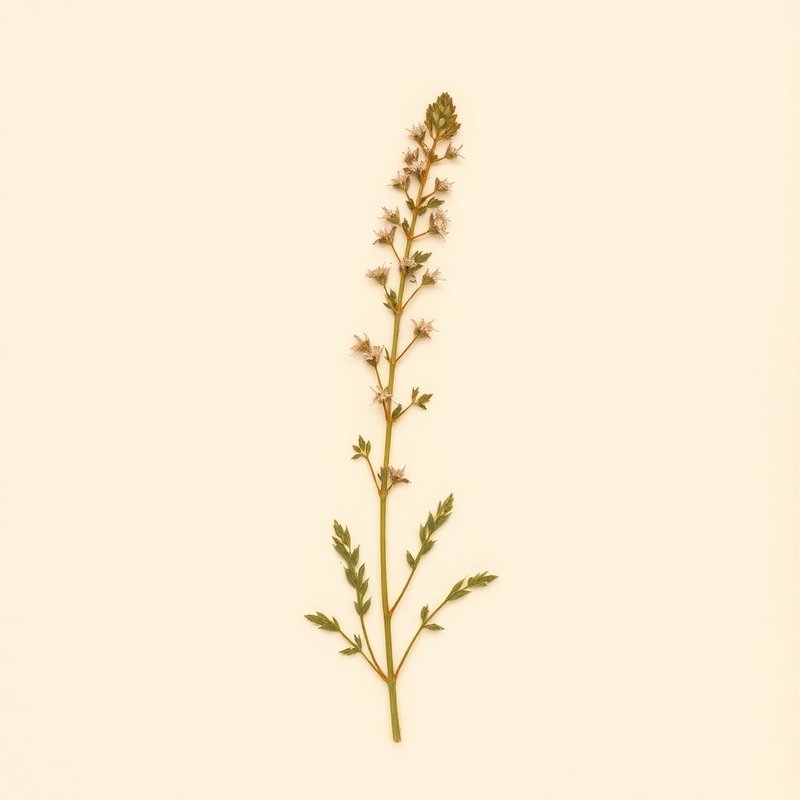
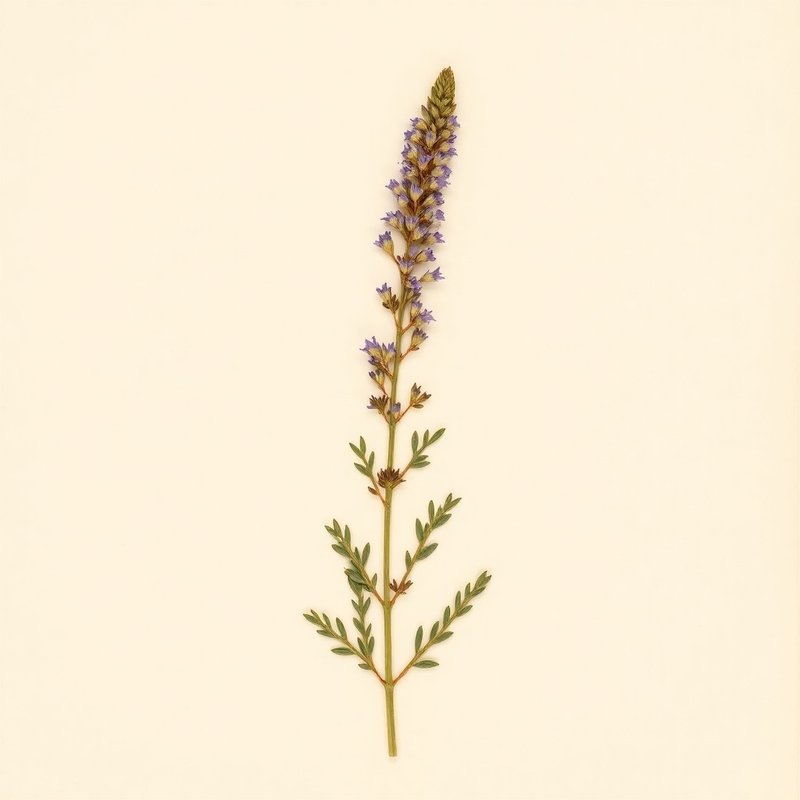
8 relatedPlants you might compare or use together — scored by shared family (Lamiaceae), common use cases, and growing requirements.
same family · Lamiaceae
Botanical relatives — often share phytochemistry + growing needs.

XI
Explore further
Companion planting
Compare with similar plants
Growing zone
XII
About this entry
- Last updated
- Citation
- How to cite this entry · Submit a correction
Back to the cataloguePlant id · d0e5f5d6-d096-4c15-83f2-26f290f43272
Decision aid
Choosing between Satureja hortensis and something else?
Continue reading
❦❦❦❦
Endpaper · archive updates
Get archive updates
Occasional email when substantial new content lands — plant profiles, seasonal growing notes, folk-remedy additions. Free, no tracking, unsubscribe anytime.