
Quince
Cydonia oblonga
Educational content — not medical, botanical, or professional advice. Plant identification, safety, and edibility depend on local conditions, cultivars, and correct identification. Consult a qualified botanist or forager before consuming or handling wild specimens. How we source & review →
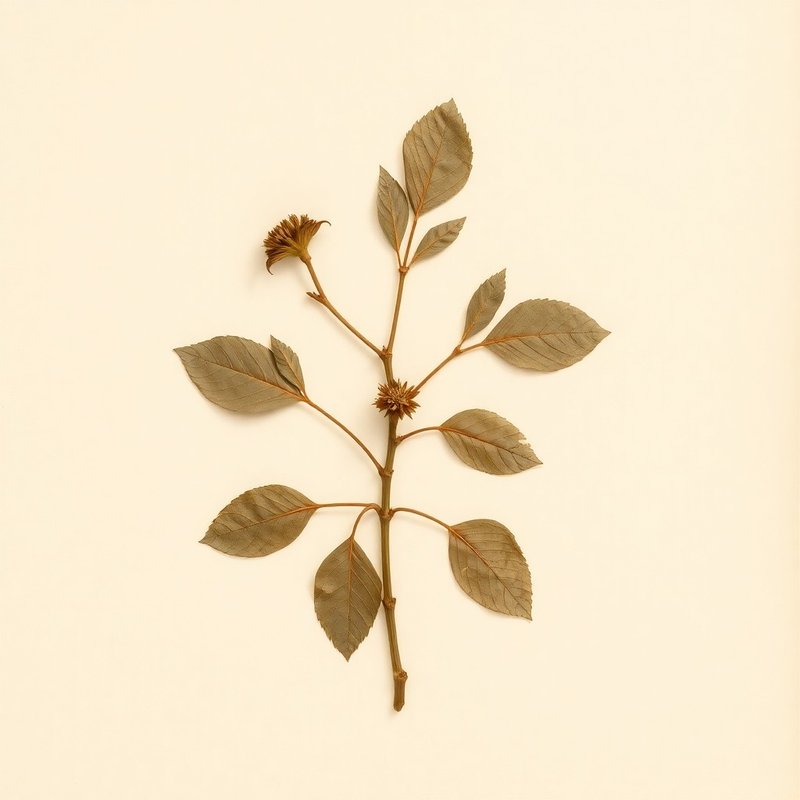
Pl. A6F6 — Cydonia oblonga
Cydonia oblongaCydonia oblongaCydonia oblongaCydonia oblongaCydonia oblongaCydonia oblongaCydonia oblongaCydonia oblongaCydonia oblongaCydonia oblongaCydonia oblongaCydonia oblongaCydonia oblongaCydonia oblonga
IOverview
Overview
Quince (Cydonia oblonga) is a deciduous tree native to the Mediterranean region and Central Asia, including areas such as Iran, Iraq, and parts of Russia. Known for its edible fruit and ornamental flowers, this plant thrives in light to partial shade with moist soil that can be either sandy, medium, or clay-like. It grows up to 7.5 meters tall and spreads to a width of 5 meters, making it suitable for gardens where space allows. The quince tree is valued not only for its fruit, which can be used in preserves and desserts, but also for its fragrant white or pink blossoms that appear in spring.
Quick answers
What is Quince?
Quince (Cydonia oblonga) is a deciduous tree native to the Mediterranean region and Central Asia, including areas such as Iran, Iraq, and parts of Russia. Known for its edible fruit and ornamental flowers, this plant thrives in light to partial shade with moist soil that can be either sandy, medium, or clay-like.
Growingconditions · propagation · uses
VCultivation
Cultivation
Quince prefers full sun to partial shade and requires moist soil that can be light (sandy), medium, or heavy (clay). It is hardy in zones 5-9, making it suitable for temperate regions. Propagate through seeds or grafting. The plant grows up to 7.5 meters tall and 5 meters wide, producing edible flowers and fruit.
Light
Full sun, Partial sun/shade, Full shade
Water
Moist
Soil
Light (sandy), Medium, Heavy (clay)
Hardiness
5-9
Mature size
7.5 m × 5 m
For first-time growers
How to grow Quince for the first time
7steps
Start with a simple, hardy quince tree that thrives in full sun and well-draining soil.
- 1
What you'll need
A young quince sapling, garden gloves, a spade or trowel.
- 2
Best time to plant
Plant in early spring before new growth starts or in late fall after leaves have dropped.
- 3
Soil and container prep
Ensure the soil is well-draining with plenty of organic matter. For containers, use a mix of light, medium, and heavy soils.
- 4
Sowing or transplanting
Transplant young saplings into your prepared garden bed or pot. Dig a hole twice as wide but not deeper than the root ball.
- 5
First two weeks
Water regularly to keep soil moist, especially during dry spells. Monitor for pests and diseases.
- 6
Ongoing care
Provide full sun exposure and regular watering, especially in dry periods. Prune lightly in late winter to maintain shape.
- 7
Harvest or pruning
Prune the tree annually in late winter to encourage fruiting and remove dead branches. Harvest fruits when they are fragrant but before they soften.
VIEdible & utility
Edible & utility
Edible parts:FlowersFruit
Edible uses: Drink, Gum, Pectin
Other uses:GumPectinRootstock
Contextrange · companions · related
VIIDistribution
7 native · 23 introduced
Distribution
7 native · 23 introducedDistribution across4 continents· 7 native· 23 introduced
Europe8 regions
native (1)Russia
introduced (7)AlbaniaAustriaBulgariaCyprusFranceRussiaSpain
Asia6 regions
native (3)IranIraqUzbekistan
introduced (3)IranIraqUzbekistan
Americas2 regions
introduced (2)BoliviaEl Salvador
Africa4 regions
introduced (4)AlgeriaCabo VerdeEritreaEthiopia
Broader regions
native:Tadzhikistan, Transcaucasus
introduced:Transcaucasus, East Aegean Is., Connecticut, Tadzhikistan, California, Czechoslovakia
VIIIGarden companions
10 pairs
Garden companions
10 pairsPlant near these
These plants help — by repelling pests, fixing nitrogen, attracting pollinators, or sharing space well.
Fagopyrum esculentum
Fagopyrum esculentum
Pollinator-friendly
Lower-confidence orchard guild pairing: long-blooming insectary plants support pollinators and pest predators near fruit trees.
Bergamot
Monarda didyma
Pollinator-friendly
Lower-confidence orchard guild pairing: long-blooming insectary plants support pollinators and pest predators near fruit trees.
Pot marigold
Calendula officinalis
Pollinator-friendly
Lower-confidence orchard guild pairing: long-blooming insectary plants support pollinators and pest predators near fruit trees.
Yarrow
Achillea millefolium
Pollinator-friendly
Lower-confidence orchard guild pairing: long-blooming insectary plants support pollinators and pest predators near fruit trees.
White Clover
Trifolium repens
Dynamic accumulator
Lower-confidence orchard guild pairing: deep-rooted or nitrogen-supporting plants can be chopped and dropped as managed mulch.
Stinging nettle
Urtica dioica
Dynamic accumulator
Lower-confidence orchard guild pairing: deep-rooted or nitrogen-supporting plants can be chopped and dropped as managed mulch.
Chives
Allium schoenoprasum
Pest repellent
Lower-confidence orchard guild pairing: compact aromatic herbs form a pest-confusing edge under or near fruit trees.
Garlic
Allium sativum
Pest repellent
Lower-confidence orchard guild pairing: compact aromatic herbs form a pest-confusing edge under or near fruit trees.
Origanum vulgare
Origanum vulgare
Pest repellent
Lower-confidence orchard guild pairing: compact aromatic herbs form a pest-confusing edge under or near fruit trees.
Keep away from these
Avoid planting nearby — competition, allelopathy, or shared pests/diseases.
IXSpecimen gallery
1 image
Specimen gallery
1 imageXI
Explore further
Companion planting
Growing zone
XII
About this entry
- Last updated
- Citation
- How to cite this entry · Submit a correction
Back to the cataloguePlant id · a6f62e05-6723-4ef7-8cc8-fb21b38e757e
Decision aid
Choosing between Quince and something else?
Continue reading
❦❦❦❦
Endpaper · archive updates
Get archive updates
Occasional email when substantial new content lands — plant profiles, seasonal growing notes, folk-remedy additions. Free, no tracking, unsubscribe anytime.