
Apple
Malus domestica
Educational content — not medical, botanical, or professional advice. Plant identification, safety, and edibility depend on local conditions, cultivars, and correct identification. Consult a qualified botanist or forager before consuming or handling wild specimens. How we source & review →
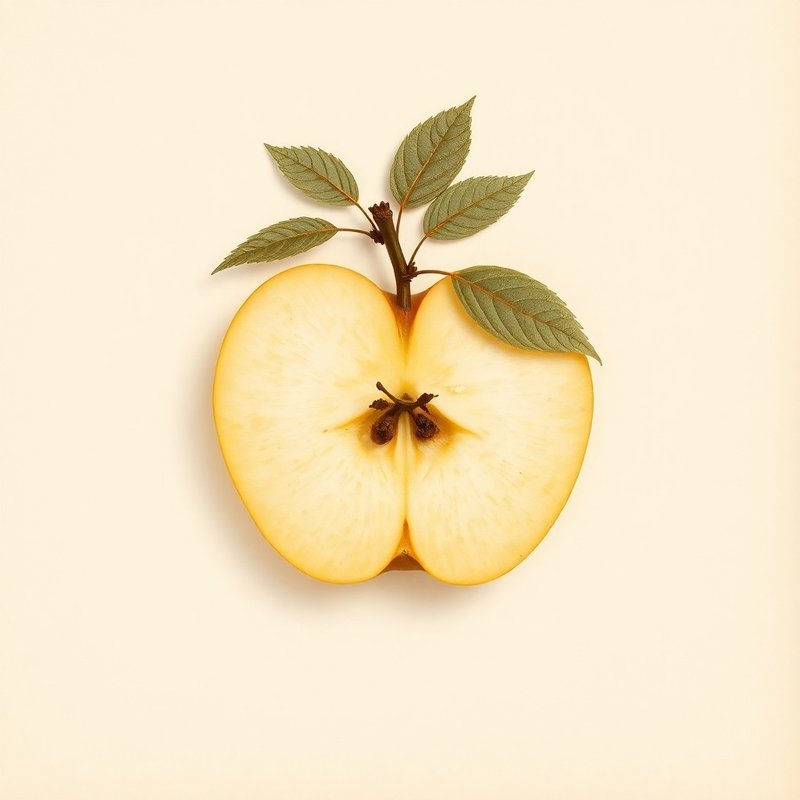
Pl. EDCB — Malus domestica
Malus domesticaMalus domesticaMalus domesticaMalus domesticaMalus domesticaMalus domesticaMalus domesticaMalus domesticaMalus domesticaMalus domesticaMalus domesticaMalus domesticaMalus domesticaMalus domestica
IOverview
Overview
The Apple is a perennial tree belonging to the Rosaceae family. Native to Afghanistan, Kazakhstan, Kirgizstan, Pakistan, Tadzhikistan, Uzbekistan, and Xinjiang, it has been cultivated for its edible fruit across these regions. The plant is known for its light requirements, thriving in full sun or partial shade with moist soil that can range from sandy to clay-rich. Its hardiness spans from 3 to 8, allowing it to grow in a variety of conditions. One distinctive feature of the Apple tree is its towering height, reaching up to 10 meters, while its spread can reach as wide as 9 meters. The plant's fruit is the primary edible part, making it a valuable crop for local communities.
Quick answers
What is Apple?
The Apple is a perennial tree belonging to the Rosaceae family. Native to Afghanistan, Kazakhstan, Kirgizstan, Pakistan, Tadzhikistan, Uzbekistan, and Xinjiang, it has been cultivated for its edible fruit across these regions.
Growingconditions · propagation · uses
VCultivation
Cultivation
To cultivate an apple plant, it requires full sun to partial shade and moist soil that can range from light sandy conditions to medium or heavy clay soils. The ideal water level is not specified, but the plant thrives in these conditions. Apple plants are hardy in temperate regions, with a tolerance for temperatures between 3-8 degrees Celsius. They grow as perennials, reaching heights of 10 meters and widths of 9 meters. Propagation can be done through edible parts, specifically the fruit, although this method is not detailed further.
Light
Full sun, Partial sun/shade
Water
Moist
Soil
Light (sandy), Medium, Heavy (clay)
Hardiness
3-8
Life cycle
Perennial
Mature size
10.0 m × 9 m
For first-time growers
How to grow Apple for the first time
8steps
Start with a simple apple tree to learn the basics of fruit tree care.
- 1
What you'll need
A young apple sapling, a trowel, compost, and mulch.
- 2
Best time to plant
Plant in early spring or late fall when the ground is workable but not frozen.
- 3
Soil and container prep
Ensure soil is well-draining; amend with compost. For containers, use a large pot with good drainage holes.
- 4
Sowing or transplanting
Transplant the sapling into your prepared garden bed or container.
- 5
First two weeks
Water regularly to keep soil moist but not waterlogged. Monitor for pests and diseases.
- 6
Ongoing care
Provide full sun, regular watering, and mulch to retain moisture. Prune lightly in late winter.
- 7
Harvest or pruning
Prune annually in late winter to maintain shape and health; harvest fruit when ripe.
- 8
Common mistakes
Overwatering, not providing enough sunlight, neglecting regular pruning, planting too deep, and using chemical pesticides.
VIEdible & utility
Edible & utility
Edible parts:Fruit
Edible uses: Oil
Other uses:Animal feedAttracts insectsHedgerow
Contextrange · companions · related
VIIDistribution
7 native · 23 introduced
Distribution
7 native · 23 introducedDistribution across3 continents· 7 native· 23 introduced
Europe8 regions
introduced (8)AlbaniaBelarusBelgiumBulgariaCyprusPortugalRussiaSpain
Asia5 regions
native (5)AfghanistanChinaKazakhstanPakistanUzbekistan
Americas1 region
introduced (1)United States
Broader regions
native:Kirgizstan, Tadzhikistan
introduced:Argentina Northeast, Colorado, Connecticut, Delaware, District of Columbia, California, Arkansas, Falkland Is., British Columbia, East Himalaya, Baltic States, Argentina South, Alabama
VIIIGarden companions
15 pairs
Garden companions
15 pairsPlant near these
These plants help — by repelling pests, fixing nitrogen, attracting pollinators, or sharing space well.
Borage
Borago officinalis
Pollinator-friendly
Borage attracts bees and beneficial insects in fruit-tree guilds.
Tansy
Tanacetum vulgare
Pest repellent
Tansy is used in traditional orchards to deter ants and some flying pests.
Fagopyrum esculentum
Fagopyrum esculentum
Pollinator-friendly
Lower-confidence orchard guild pairing: long-blooming insectary plants support pollinators and pest predators near fruit trees.
Bergamot
Monarda didyma
Pollinator-friendly
Lower-confidence orchard guild pairing: long-blooming insectary plants support pollinators and pest predators near fruit trees.
Yarrow
Achillea millefolium
Pollinator-friendly
Lower-confidence orchard guild pairing: long-blooming insectary plants support pollinators and pest predators near fruit trees.
Pot marigold
Calendula officinalis
Pollinator-friendly
Lower-confidence orchard guild pairing: long-blooming insectary plants support pollinators and pest predators near fruit trees.
Stinging nettle
Urtica dioica
Dynamic accumulator
Lower-confidence orchard guild pairing: deep-rooted or nitrogen-supporting plants can be chopped and dropped as managed mulch.
White Clover
Trifolium repens
Dynamic accumulatorNitrogen fixer
Lower-confidence orchard guild pairing: deep-rooted or nitrogen-supporting plants can be chopped and dropped as managed mulch.
Chives
Allium schoenoprasum
Pest repellent
Lower-confidence orchard guild pairing: compact aromatic herbs form a pest-confusing edge under or near fruit trees.
Garlic
Allium sativum
Pest repellent
Lower-confidence orchard guild pairing: compact aromatic herbs form a pest-confusing edge under or near fruit trees.
Origanum vulgare
Origanum vulgare
Pest repellent
Lower-confidence orchard guild pairing: compact aromatic herbs form a pest-confusing edge under or near fruit trees.
Comfrey
Symphytum officinale
Dynamic accumulator
Comfrey mines deep nutrients, mulch returns to apple guild.
Valerian
Valeriana officinalis
Pollinator-friendly
Valerian flowers draw pollinators and beneficial insects in orchard margins.
Keep away from these
Avoid planting nearby — competition, allelopathy, or shared pests/diseases.
IXSpecimen gallery
1 image
Specimen gallery
1 imageXI
Explore further
Companion planting
Growing zone
XII
About this entry
- Last updated
- Citation
- How to cite this entry · Submit a correction
Back to the cataloguePlant id · edcb0a17-b1c9-4023-8884-93050db7eba0
Decision aid
Choosing between Apple and something else?
Continue reading
❦❦❦❦
Endpaper · archive updates
Get archive updates
Occasional email when substantial new content lands — plant profiles, seasonal growing notes, folk-remedy additions. Free, no tracking, unsubscribe anytime.