
Red raspberry
Rubus idaeus
Educational content — not medical, botanical, or professional advice. Always consult a qualified clinician before using any herbal preparation — especially during pregnancy, breastfeeding, while on medication, or for children. How we source & review →
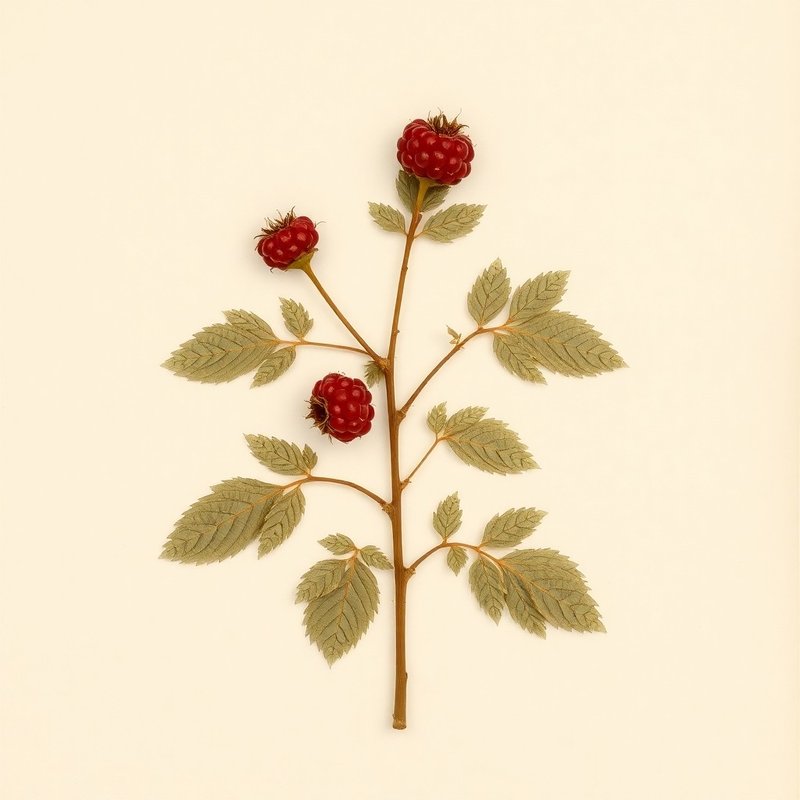
Pl. 0DF6 — Rubus idaeus
Rubus idaeusRubus idaeusRubus idaeusRubus idaeusRubus idaeusRubus idaeusRubus idaeusRubus idaeusRubus idaeusRubus idaeusRubus idaeusRubus idaeusRubus idaeusRubus idaeus
IOverview
Overview
Red raspberry (Rubus idaeus) is a perennial subshrub known for its edible and medicinal uses. Native to regions including Alaska, Albania, Austria, and Belarus, it has been naturalized in many parts of the world such as North America and Europe. The plant thrives in moist, light to heavy soil with a pH between 5 and 7.5, making it adaptable but preferring well-drained conditions. Red raspberries can grow up to 2 meters tall and spread to about 1.5 meters wide, forming dense clumps. Both the fruit and various parts of the plant are edible, with roots, shoots, and stems being used in culinary applications. Medicinally, red raspberry leaves have a long history of use, particularly for their astringent properties, which make them useful in topical treatments for inflamed gums and skin conditions.
Quick answers
What is Red raspberry?
Red raspberry (Rubus idaeus) is a perennial subshrub known for its edible and medicinal uses. Native to regions including Alaska, Albania, Austria, and Belarus, it has been naturalized in many parts of the world such as North America and Europe.
What is Red raspberry used for?
Traditionally used for topical & skin. Each claim is evidence-rated — see Section II for full citations.
Best for
Top 1 evidence-ranked use of Red raspberry
Clinicaluses · safety · chemistry · dosagemedicinal profile
IIBenefits & evidence
1 claim · 0 sources
Benefits & evidence
1 claim · 0 sources- Traditional use: raspberry leaf astringent rinse for inflamed gums + skin.
Tannins + flavonoids
IV·bMixology suggestions
1 draft
Mixology suggestions
1 draftEditorial drafts. These pairings are AI-suggested from traditional herbal lore. Always verify with a qualified herbalist before brewing.
Growingconditions · propagation · uses
VCultivation
Cultivation
Red raspberries thrive in moist, well-drained soils with a pH between 5 and 7.5. They prefer light (sandy), medium, or heavy (clay) soil types and require partial to full sunlight. Hardy from zones 3-8, these perennials can grow up to 2 meters tall and spread to about 1.5 meters wide. For cultivation, plant roots, shoots, and stems in early spring or fall. Raspberries are light-loving (with a score of 5/10), so ensure they receive adequate sunlight but avoid direct afternoon sun to prevent leaf scorch. Regular watering is essential, especially during dry periods. Propagate through division or by tip layering in late summer or early spring.
Light
5/10
Water
Moist
Soil
Light (sandy), Medium, Heavy (clay)
Hardiness
3-8
Life cycle
Perennial
Habit
Subshrub
Mature size
2.0 m × 1.5 m
Soil pH
5–7.5
Seasonal calendar
Northern hemisphere · UTC month is September
winterspringsummerautumnwinter
BloomJFMAMJJASOND
For first-time growers
How to grow Red raspberry for the first time
8steps
Start with Red raspberries by preparing the soil and planting them in early spring for a successful beginner garden.
- 1
What you'll need
Red raspberry plants, compost, mulch, gloves.
- 2
Best time to plant
Plant in early spring or late fall when the soil is workable.
- 3
Soil and container prep
Choose a site with well-draining, light to medium soil. Amend the soil with compost before planting.
- 4
Sowing or transplanting
Transplant young raspberry plants from nursery pots into your garden bed. Space them 2 feet apart in rows 6 feet apart.
- 5
First two weeks
Water regularly to keep the soil moist but not waterlogged. Monitor for pests and diseases.
- 6
Ongoing care
Fertilize once a year with composted manure. Prune in late winter or early spring to remove old canes and thin out new ones.
- 7
Harvest or pruning
Prune the plants annually after harvest to maintain their shape and encourage new growth. Harvest fruit when it turns red and is firm.
- 8
Common mistakes
Overwatering, not providing enough support for canes, neglecting winter protection in colder climates.
VIEdible & utility
Edible & utility
Edible parts:FruitRootShootsStem
Edible uses: Coffee, Tea
Other uses:CosmeticDyetextiles
Contextrange · companions · related
VIIDistribution
30 native · 0 introduced
Distribution
30 native · 0 introducedDistribution across3 continents· 30 native
Europe13 regions
native (13)AlbaniaAustriaBelarusBelgiumBulgariaDenmarkFinlandFranceGermanyGreeceHungaryRussiaUnited Kingdom
Asia1 region
native (1)China
Americas1 region
native (1)United States
Broader regions
native:Altay, Amur, Arizona, Buryatiya, California, Chita, Colorado, Connecticut, Czechoslovakia, Delaware, District of Columbia, Massachusetts
VIIIGarden companions
10 pairs
Garden companions
10 pairsPlant near these
These plants help — by repelling pests, fixing nitrogen, attracting pollinators, or sharing space well.
Nasturtium
Tropaeolum majus
Trap crop
Nasturtium can draw aphids away from young raspberry growth.
Tansy
Tanacetum vulgare
Pest repellent
Tansy is traditionally used at berry patch edges; keep it managed.
Bergamot
Monarda didyma
Pollinator-friendly
Lower-confidence berry guild pairing: insectary flowers improve pollinator presence and support predators around soft fruit.
Yarrow
Achillea millefolium
Pollinator-friendly
Lower-confidence berry guild pairing: insectary flowers improve pollinator presence and support predators around soft fruit.
Borage
Borago officinalis
Pollinator-friendly
Lower-confidence berry guild pairing: insectary flowers improve pollinator presence and support predators around soft fruit.
Pot marigold
Calendula officinalis
Pollinator-friendly
Lower-confidence berry guild pairing: insectary flowers improve pollinator presence and support predators around soft fruit.
Garlic
Allium sativum
Pest repellent
Lower-confidence berry guild pairing: aromatic companions can help confuse aphids and browsing pests at bed edges.
Chives
Allium schoenoprasum
Pest repellent
Lower-confidence berry guild pairing: aromatic companions can help confuse aphids and browsing pests at bed edges.
Catmint
Nepeta cataria
Pest repellent
Lower-confidence berry guild pairing: aromatic companions can help confuse aphids and browsing pests at bed edges.
Keep away from these
Avoid planting nearby — competition, allelopathy, or shared pests/diseases.
IXSpecimen gallery
1 image
Specimen gallery
1 imageXSee also
8 related
See also
8 relatedPlants you might compare or use together — scored by shared family, common use cases, and growing requirements.
shared use cases
Different families, similar therapeutic role — good for comparing.

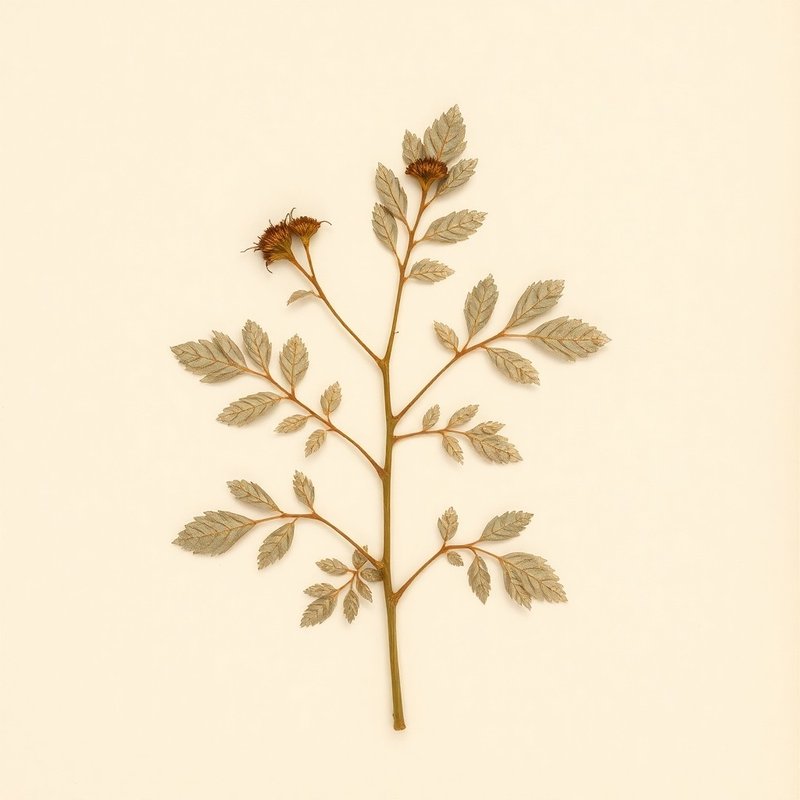
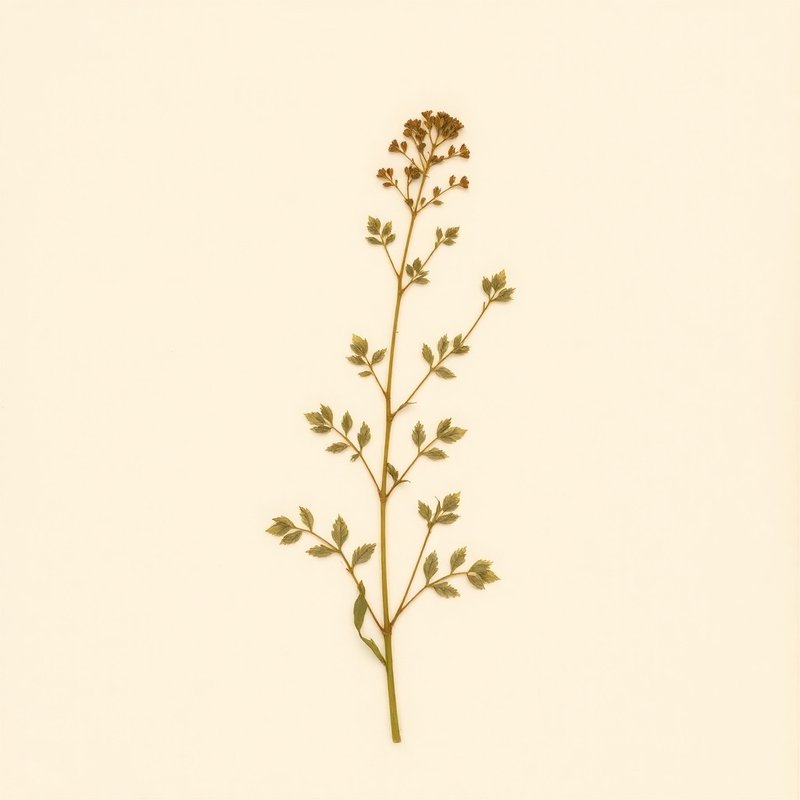
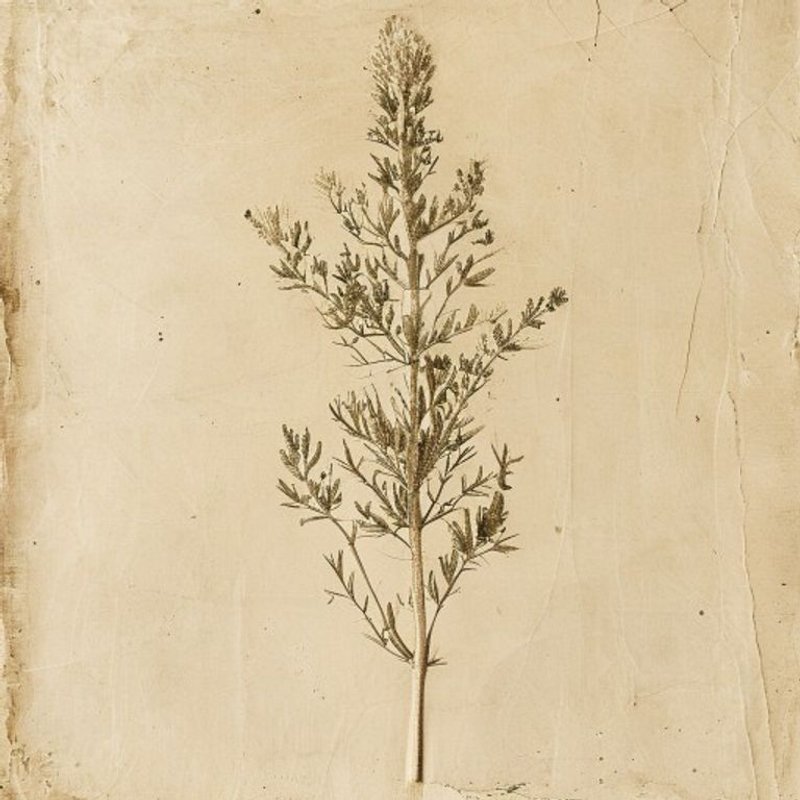

XI
Explore further
Companion planting
Compare with similar plants
Growing zone
XII
About this entry
- Last updated
- Citation
- How to cite this entry · Submit a correction
Back to the cataloguePlant id · 0df6ec06-364d-47bd-9c5c-72f5c773cabc
Decision aid
Choosing between Red raspberry and something else?
Continue reading
❦❦❦❦
Endpaper · archive updates
Get archive updates
Occasional email when substantial new content lands — plant profiles, seasonal growing notes, folk-remedy additions. Free, no tracking, unsubscribe anytime.