
Nasturtium
Tropaeolum majusfam. Tropaeolaceae
Educational content — not medical, botanical, or professional advice. Plant identification, safety, and edibility depend on local conditions, cultivars, and correct identification. Consult a qualified botanist or forager before consuming or handling wild specimens. How we source & review →
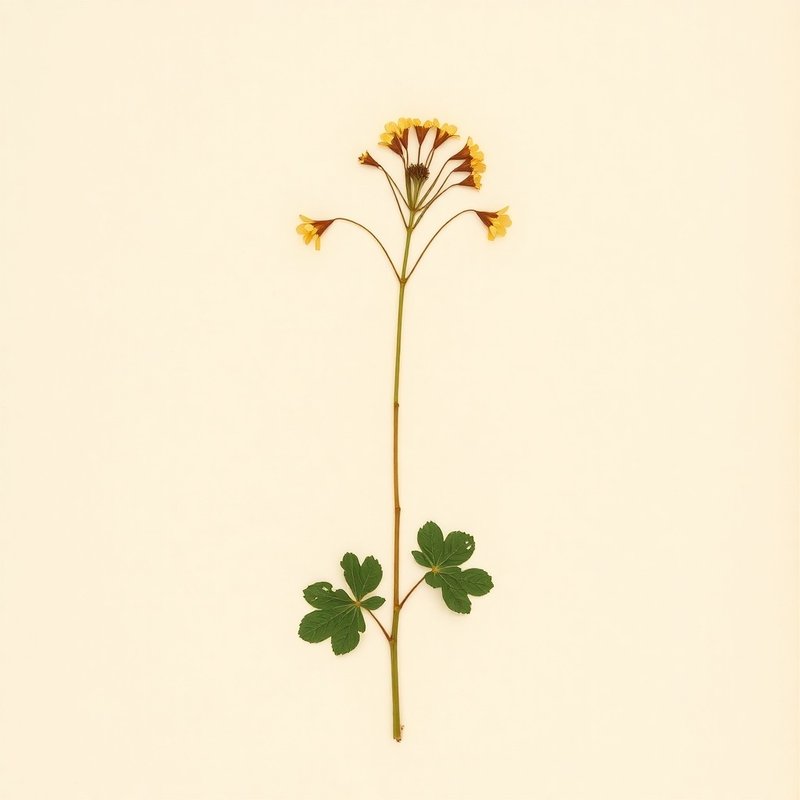
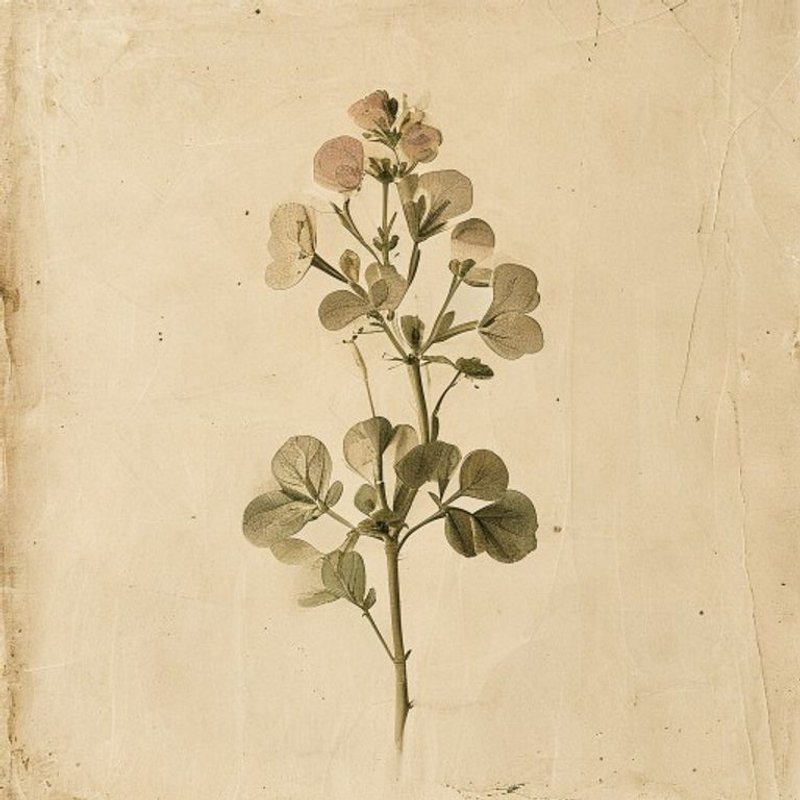
Pl. 8AAF — Tropaeolum majus
Tropaeolum majusTropaeolum majusTropaeolum majusTropaeolum majusTropaeolum majusTropaeolum majusTropaeolum majusTropaeolum majusTropaeolum majusTropaeolum majusTropaeolum majusTropaeolum majusTropaeolum majusTropaeolum majus
IOverview
Overview
Nasturtium (Tropaeolum majus) is a vine and forb/herb native to Peru, known for its ornamental value as well as its edibility. This plant thrives in full sun with moist soil that is light or sandy, making it suitable for gardens with medium moisture levels. It can grow up to 0.3 meters tall and spans 1 meter wide, often used for ground cover or trailing over walls. Nasturtiums are easy to propagate through direct seeding after the last frost in late spring, or by transplanting seeds. The edible parts include its flowers, which add a peppery taste to salads and other dishes.
Quick answers
What is Nasturtium?
Nasturtium (Tropaeolum majus) is a vine and forb/herb native to Peru, known for its ornamental value as well as its edibility. This plant thrives in full sun with moist soil that is light or sandy, making it suitable for gardens with medium moisture levels.
Growingconditions · propagation · uses
VCultivation
Cultivation
Nasturtium thrives in full sun and prefers moist, light to medium soil. It is hardy in temperate regions from zones 6-11. Sow seeds directly outdoors one week after the last frost, late spring, spacing them about 15cm apart. For best results, transplant seedlings if necessary. Nasturtium can grow up to 0.3 meters tall and 1 meter wide, making it a vine-like forb or herb. Its edible flowers add a peppery taste to salads.
Light
Full sun
Water
Moist
Soil
Light (sandy), Medium
Hardiness
6-11
Life cycle
Annual, Perennial
Habit
Vine, Forb/herb
Mature size
0.3 m × 1 m
- Propagation
- Seed - direct sow, Seed - transplant
- Sow outdoors
- 1 week after last frost - late spring
- Sow indoors
- 2-4 weeks before last frost
- Germination
- 7-12 days
- Spacing
- 15cm
For first-time growers
How to grow Nasturtium for the first time
8steps
Start with easy-to-grow nasturtiums for a beginner-friendly gardening experience.
- 1
What you'll need
Nasturtium seeds, small pots or direct sow area, garden soil.
- 2
Best time to plant
Plant outdoors one week after the last frost in late spring.
- 3
Soil and container prep
Use light, well-draining soil. Containers should be at least 15cm deep.
- 4
Sowing or transplanting
Direct sow seeds 0.6cm deep; space them 15cm apart. Transplant seedlings when they have two true leaves.
- 5
First two weeks
Water regularly to keep soil moist but not waterlogged. Provide full sun exposure.
- 6
Ongoing care
Water as needed, especially during dry spells. Prune occasionally for a bushier plant.
- 7
Harvest or pruning
Prune vines to control size and encourage more flowers. Pick flowers and leaves for use in salads.
- 8
Common mistakes
Overwatering, planting too close together, not providing enough sun.
VIEdible & utility
Edible & utility
Edible parts:flowers
Edible uses: Oil, Condiment
Other uses:Pest controloilFragrance
Contextrange · companions · related
VIIDistribution
1 native · 29 introduced
Distribution
1 native · 29 introducedDistribution across4 continents· 1 native· 29 introduced
Europe6 regions
introduced (6)AlbaniaBelgiumBulgariaPortugalRussiaSpain
Asia3 regions
introduced (3)BangladeshChinaIndia
Americas5 regions
native (1)Peru
introduced (4)BoliviaCosta RicaDominican RepublicEl Salvador
Africa4 regions
introduced (4)AlgeriaAngolaCabo VerdeCameroon
Broader regions
introduced:Argentina Northeast, Bermuda, Brazil South, Brazil Southeast, California, Ascension, Chile Central, Connecticut, East Aegean Is., East Himalaya, Amsterdam-St.Paul Is
VIIIGarden companions
23 pairs
Garden companions
23 pairsPlant near these
These plants help — by repelling pests, fixing nitrogen, attracting pollinators, or sharing space well.
Red raspberry
Rubus idaeus
Trap crop
Nasturtium can draw aphids away from young raspberry growth.
Black currant
Ribes nigrum
Trap crop
Nasturtium can act as an aphid trap crop near currants.
Pumpkin / Zucchini
Cucurbita pepo
Pest repellentTrap crop
Nasturtium repels squash bug.
Cucumis sativus
Cucumis sativus
Pest repellentTrap crop
Nasturtium deters cucumber beetle.
Amaranthus cruentus
Amaranthus cruentus
Trap crop
Lower-confidence guild pairing: trap crops can draw aphids or flea beetles away from the main crop when monitored and removed if overloaded.
Amaranthus hypochondriacus
Amaranthus hypochondriacus
Trap crop
Lower-confidence guild pairing: trap crops can draw aphids or flea beetles away from the main crop when monitored and removed if overloaded.
Pigweed
Amaranthus retroflexus
Trap crop
Lower-confidence guild pairing: trap crops can draw aphids or flea beetles away from the main crop when monitored and removed if overloaded.
Celery
Apium graveolens
Trap crop
Lower-confidence guild pairing: trap crops can draw aphids or flea beetles away from the main crop when monitored and removed if overloaded.
Asparagus
Asparagus officinalis
Trap crop
Lower-confidence guild pairing: trap crops can draw aphids or flea beetles away from the main crop when monitored and removed if overloaded.
Wild Cabbage
Brassica oleracea
Trap crop
Lower-confidence guild pairing: trap crops can draw aphids or flea beetles away from the main crop when monitored and removed if overloaded.
Turnip
Brassica rapa
Trap crop
Lower-confidence guild pairing: trap crops can draw aphids or flea beetles away from the main crop when monitored and removed if overloaded.
Cucumis melo
Cucumis melo
Trap crop
Lower-confidence guild pairing: trap crops can draw aphids or flea beetles away from the main crop when monitored and removed if overloaded.
Daucus carota
Daucus carota
Trap crop
Lower-confidence guild pairing: trap crops can draw aphids or flea beetles away from the main crop when monitored and removed if overloaded.
Lactuca sativa
Lactuca sativa
Trap crop
Lower-confidence guild pairing: trap crops can draw aphids or flea beetles away from the main crop when monitored and removed if overloaded.
Cress
Lepidium sativum
Trap crop
Lower-confidence guild pairing: trap crops can draw aphids or flea beetles away from the main crop when monitored and removed if overloaded.
Pastinaca sativa
Pastinaca sativa
Trap crop
Lower-confidence guild pairing: trap crops can draw aphids or flea beetles away from the main crop when monitored and removed if overloaded.
Radish
Raphanus sativus
Trap crop
Lower-confidence guild pairing: trap crops can draw aphids or flea beetles away from the main crop when monitored and removed if overloaded.
Spinach
Spinacia oleracea
Trap crop
Lower-confidence guild pairing: trap crops can draw aphids or flea beetles away from the main crop when monitored and removed if overloaded.
Potato
Solanum tuberosum
Trap crop
Lower-confidence guild pairing: trap crops can draw aphids or flea beetles away from the main crop when monitored and removed if overloaded.
Tomato
Solanum lycopersicum
Trap crop
Lower-confidence guild pairing: trap crops can draw aphids or flea beetles away from the main crop when monitored and removed if overloaded.
Abelmoschus esculentus
Abelmoschus esculentus
Trap crop
Lower-confidence guild pairing: trap crops can draw aphids or flea beetles away from the main crop when monitored and removed if overloaded.
IXSpecimen gallery
1 image
Specimen gallery
1 imageXSee also
6 related
See also
6 relatedPlants you might compare or use together — scored by shared family (Tropaeolaceae), common use cases, and growing requirements.
same family · Tropaeolaceae
Botanical relatives — often share phytochemistry + growing needs.


XI
Explore further
Companion planting
Compare with similar plants
Growing zone
XII
About this entry
- Last updated
- Citation
- How to cite this entry · Submit a correction
Back to the cataloguePlant id · 8aaf2c2b-76a6-4b7b-8779-70da9b46b911
Decision aid
Choosing between Nasturtium and something else?
Continue reading
❦❦❦❦
Endpaper · archive updates
Get archive updates
Occasional email when substantial new content lands — plant profiles, seasonal growing notes, folk-remedy additions. Free, no tracking, unsubscribe anytime.