
Althaea officinalis
Althaea officinalis
Educational content — not medical, botanical, or professional advice. Always consult a qualified clinician before using any herbal preparation — especially during pregnancy, breastfeeding, while on medication, or for children. How we source & review →
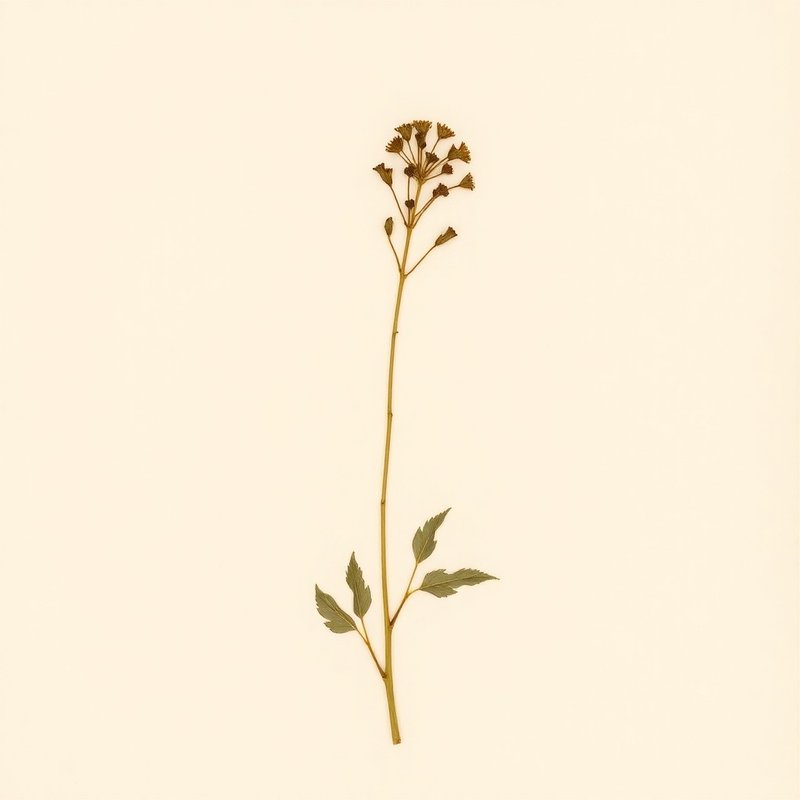
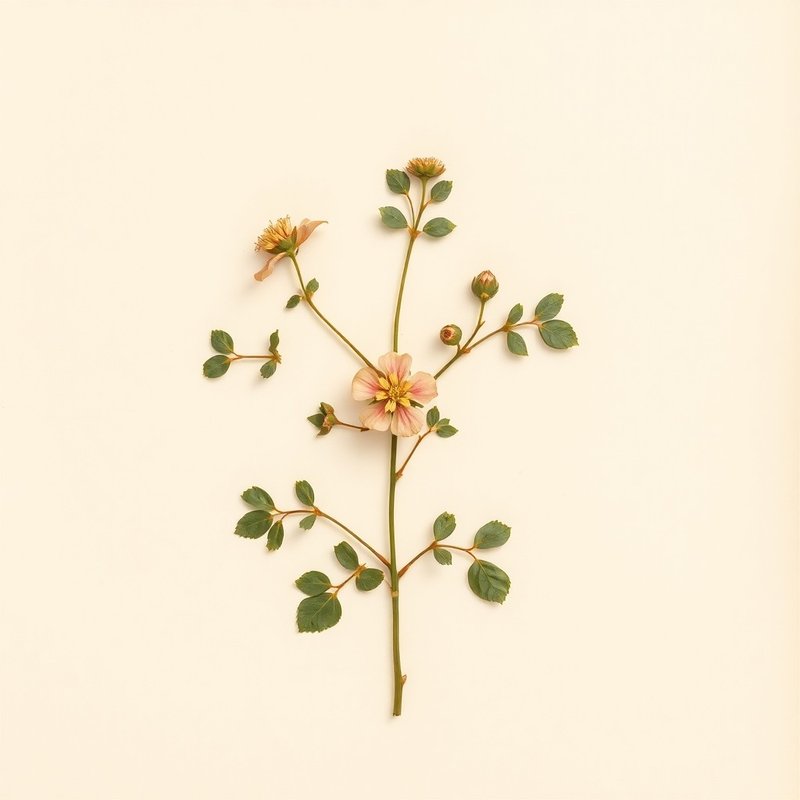
Pl. A5B6 — Althaea officinalis
Althaea officinalisAlthaea officinalisAlthaea officinalisAlthaea officinalisAlthaea officinalisAlthaea officinalisAlthaea officinalisAlthaea officinalisAlthaea officinalisAlthaea officinalisAlthaea officinalisAlthaea officinalisAlthaea officinalisAlthaea officinalis
IOverview
Overview
Althaea officinalis, commonly known as marshmallow, is a perennial plant native to regions including Afghanistan, Albania, and parts of Europe and Asia. It thrives in various soils from light sandy to heavy clay, tolerating both dry and moist conditions, making it adaptable to different environments. Marshmallow has been valued for its edible leaves and roots, which are often used in cooking. Its medicinal properties have long been recognized; the root, in particular, is known as a demulcent, traditionally used to soothe gastric irritation and reflux. Additionally, marshmallow mucilage cold infusions can be applied topically or internally to address dry, irritated skin. This plant's ability to grow in diverse habitats and its dual use in both culinary and medicinal applications make it an interesting subject for botanical study.
Quick answers
What is Althaea officinalis?
Althaea officinalis, commonly known as marshmallow, is a perennial plant native to regions including Afghanistan, Albania, and parts of Europe and Asia. It thrives in various soils from light sandy to heavy clay, tolerating both dry and moist conditions, making it adaptable to different environments.
What is Althaea officinalis used for?
Traditionally used for digestion, topical & skin. Each claim is evidence-rated — see Section II for full citations.
Best for
Top 2 evidence-ranked uses of Althaea officinalis
Clinicaluses · safety · chemistry · dosagemedicinal profile
IIBenefits & evidence
2 claims · 0 sources
Benefits & evidence
2 claims · 0 sources- Traditional use: marshmallow root as demulcent for gastric irritation and reflux.
Mucilage — protective coating
- Traditional use: marshmallow mucilage cold infusion for dry irritated skin (internal + topical).
Mucilage + polysaccharides
IV·bMixology suggestions
2 drafts
Mixology suggestions
2 draftsEditorial drafts. These pairings are AI-suggested from traditional herbal lore. Always verify with a qualified herbalist before brewing.
Skin Soothe
skintincture
Traditional use for dry, irritated skin.
Gastric Comfort
digestiontea
Traditional use for gastric irritation and reflux.
Growingconditions · propagation · uses
VCultivation
Cultivation
Althaea officinalis thrives in full sun and prefers soil that is light (sandy), medium, or heavy (clay). It can tolerate dry to moist conditions but requires well-draining soil for best performance. This perennial, which grows up to 1.2 meters tall, is hardy in zones 3-7 and is native to a wide range of European and Asian countries. For propagation, Althaea officinalis can be grown from seeds or divided roots. The edible parts include the leaves and root, making it useful for both culinary and medicinal purposes.
Light
Full sun
Water
Dry, Moist
Soil
Light (sandy), Medium, Heavy (clay)
Hardiness
3-7
Life cycle
Perennial
Mature size
1.2 m tall
For first-time growers
How to grow Althaea officinalis for the first time
8steps
Start with planting Althaea officinalis in a sunny spot, and follow these steps for success.
- 1
What you'll need
Althaea officinalis seeds or young plants, garden soil, containers if starting indoors.
- 2
Best time to plant
Plant in spring after the last frost or in autumn before the first freeze.
- 3
Soil and container prep
Prepare well-draining soil with a mix of light (sandy), medium, or heavy clay soils. Ensure containers are at least 30 cm deep.
- 4
Sowing or transplanting
Direct sow seeds 1-2 cm deep and about 30 cm apart. Transplant young plants in the same spacing.
- 5
First two weeks
Water regularly to keep soil moist but not waterlogged, especially during establishment.
- 6
Ongoing care
Provide full sun exposure and regular watering, allowing the soil to dry slightly between waterings. Mulch around plants for moisture retention.
- 7
Harvest or pruning
Prune dead leaves and stems in late winter before new growth begins.
- 8
Common mistakes
Overwatering, planting too deep, neglecting to mulch, not providing enough sunlight.
VIEdible & utility
Edible & utility
Edible parts:LeavesRoot
Edible uses: Oil, Egg, Tea
Other uses:AdhesiveFiberoilTeeth
Contextrange · companions · related
VIIDistribution
30 native · 0 introduced
Distribution
30 native · 0 introducedDistribution across3 continents· 30 native
Europe17 regions
native (17)AlbaniaAustriaBelarusBelgiumBulgariaDenmarkFranceGermanyGreeceHungaryItalyNetherlandsPolandPortugalRussiaUkraineUnited Kingdom
Asia5 regions
native (5)IranIraqKazakhstanPakistanPalestine
Africa1 region
native (1)Algeria
Broader regions
native:Czechoslovakia, Altay, Lebanon-Syria, Kirgizstan
VIIIGarden companions
4 pairs
Garden companions
4 pairsPlant near these
These plants help — by repelling pests, fixing nitrogen, attracting pollinators, or sharing space well.
Yarrow
Achillea millefolium
Pollinator-friendly
Lower-confidence herb guild pairing: overlapping bloom windows increase beneficial-insect habitat in medicinal herb beds.
Pot marigold
Calendula officinalis
Pollinator-friendly
Lower-confidence herb guild pairing: overlapping bloom windows increase beneficial-insect habitat in medicinal herb beds.
Fagopyrum esculentum
Fagopyrum esculentum
Pollinator-friendly
Lower-confidence herb guild pairing: overlapping bloom windows increase beneficial-insect habitat in medicinal herb beds.
White Clover
Trifolium repens
Living mulch
Lower-confidence herb guild pairing: low living mulches protect soil around taller perennial herbs when kept from crowding crowns.
IXSpecimen gallery
1 image
Specimen gallery
1 imageXSee also
8 related
See also
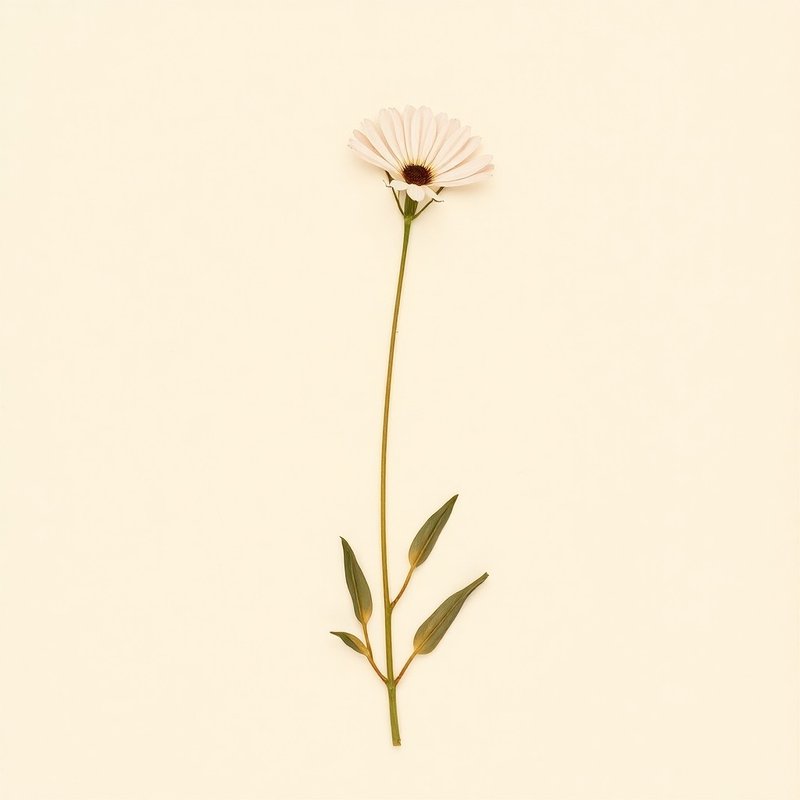
8 relatedPlants you might compare or use together — scored by shared family, common use cases, and growing requirements.
shared use cases
Different families, similar therapeutic role — good for comparing.
XI
Explore further
Companion planting
Health goals
Compare with similar plants
Growing zone
XII
About this entry
- Last updated
- Citation
- How to cite this entry · Submit a correction
Back to the cataloguePlant id · a5b6dced-8612-4f65-a506-8b568ac4dcd2
Decision aid
Choosing between Althaea officinalis and something else?
Continue reading
❦❦❦❦
Endpaper · archive updates
Get archive updates
Occasional email when substantial new content lands — plant profiles, seasonal growing notes, folk-remedy additions. Free, no tracking, unsubscribe anytime.