
Sage
Salvia officinalis
Educational content — not medical, botanical, or professional advice. Always consult a qualified clinician before using any herbal preparation — especially during pregnancy, breastfeeding, while on medication, or for children. How we source & review →

Pl. 9A48 — Salvia officinalis
Salvia officinalisSalvia officinalisSalvia officinalisSalvia officinalisSalvia officinalisSalvia officinalisSalvia officinalisSalvia officinalisSalvia officinalisSalvia officinalisSalvia officinalisSalvia officinalisSalvia officinalisSalvia officinalis
IOverview
Overview
Sage (Salvia officinalis) is a perennial subshrub or shrub native to the Mediterranean region, including Albania, France, Germany, Greece, Italy, Spain, Switzerland, and Yugoslavia. Known for its culinary and medicinal uses, sage has been employed traditionally to improve memory and reduce stress-related cognitive cloudiness and tension anxiety. This plant thrives in light (sandy) to medium soil with a pH of 7.5–8, growing up to 0.6 meters tall and spreading to 0.75 meters wide. Its leaves and flowers are edible, making it a valuable addition to the garden for both ornamental and culinary purposes. One distinctive feature is its ability to improve memory through traditional use of sage extract, while another notable characteristic is its adaptability in various climates, as indicated by its hardiness zones 3-11.
Quick answers
What is Sage?
Sage (Salvia officinalis) is a perennial subshrub or shrub native to the Mediterranean region, including Albania, France, Germany, Greece, Italy, Spain, Switzerland, and Yugoslavia.
What is Sage used for?
Traditionally used for energy & focus, stress & anxiety. Each claim is evidence-rated — see Section II for full citations.
Best for
Top 2 evidence-ranked uses of Sage
Clinicaluses · safety · chemistry · dosagemedicinal profile
IIBenefits & evidence
2 claims · 0 sources
Benefits & evidence
2 claims · 0 sources- Traditional use: sage extract improves memory and word recall. Acetylcholinesterase inhibition.
Camphor + 1,8-cineole
- Traditional use: sage for stress-related cognitive cloudiness + tension anxiety.
Camphor + cineole + thujone
IV·bMixology suggestions
1 draft
Mixology suggestions
1 draftEditorial drafts. These pairings are AI-suggested from traditional herbal lore. Always verify with a qualified herbalist before brewing.
Cognitive Clarity
focustincture
Traditional use for enhancing mental acuity.
Growingconditions · propagation · uses
VCultivation
Cultivation
This plant prefers well-draining soil with a pH between 7.5 and 8, and can thrive in light to medium soil types. It requires moderate light, with a rating of 7 out of 10, and can tolerate dry to moist water conditions. Hardy in a range of conditions, it can be grown in areas with hardiness levels between 3 and 11. It can be grown as an annual or perennial, and can be propagated using suitable methods, although specific details are not provided. With proper care, it can grow up to 0.6 meters in height and 0.75 meters in width.
Light
7/10
Water
Dry, Moist
Soil
Light (sandy), Medium
Hardiness
3-11
Life cycle
Annual, Perennial
Habit
Subshrub, Shrub, Forb/herb
Mature size
0.6 m × 0.75 m
Soil pH
7.5–8
For first-time growers
How to grow Sage for the first time
7steps
Start with a simple sage plant and follow these steps for success.
- 1
What you'll need
A sage plant or seeds, small pots if starting from seed, potting soil, a sunny spot in your garden.
- 2
Best time to plant
Plant sage in spring after the last frost or in autumn before the first freeze.
- 3
Soil and container prep
Use well-draining soil with a pH between 7.5-8. Ensure containers are at least 30 cm wide and deep.
- 4
Sowing or transplanting
Start seeds indoors 6-8 weeks before the last frost, then transplant outdoors after danger of frost passes. Alternatively, buy a young plant from a nursery.
- 5
First two weeks
Water regularly to keep soil moist but not waterlogged. Place in partial shade until plants are established.
- 6
Ongoing care
Water when the top inch of soil feels dry, especially during hot weather. Prune back after flowering to encourage new growth and prevent legginess.
- 7
Harvest or pruning
Prune sage regularly to maintain shape and promote bushy growth. Harvest leaves as needed for cooking.
VIEdible & utility
Edible & utility
Edible parts:FlowersLeaves
Edible uses: Condiment, Tea
Other uses:CompostEssential OilStrewingTeethDynamic accumulatorGround coverFragrance
Contextrange · companions · related
VIIDistribution
8 native · 22 introduced
Distribution
8 native · 22 introducedDistribution across1 continent· 8 native· 22 introduced
Europe9 regions
native (7)AlbaniaFranceGermanyGreeceItalySpainSwitzerland
introduced (2)ItalyRussia
Broader regions
native:Yugoslavia
introduced:Kentucky, Maine, Maryland, Michigan, New York, Ohio, Ontario, Oregon, Pennsylvania, Québec, Rhode I., Tennessee, Transcaucasus, Turkey-in-Europe, Utah, Vermont, Virginia, Washington, West Virginia
VIIIGarden companions
7 pairs
Garden companions
7 pairsPlant near these
These plants help — by repelling pests, fixing nitrogen, attracting pollinators, or sharing space well.
Wild Cabbage
Brassica oleracea
Pest repellent
Sage deters cabbage moth.
Thyme
Thymus vulgaris
Pest repellent
Sage and thyme share dry, sunny conditions and aromatic pest-confusing foliage.
Origanum vulgare
Origanum vulgare
Pest repellent
Mediterranean aromatics combine well in dry herb beds.
Yarrow
Achillea millefolium
Pollinator-friendly
Lower-confidence herb guild pairing: overlapping bloom windows increase beneficial-insect habitat in medicinal herb beds.
Pot marigold
Calendula officinalis
Pollinator-friendly
Lower-confidence herb guild pairing: overlapping bloom windows increase beneficial-insect habitat in medicinal herb beds.
Fagopyrum esculentum
Fagopyrum esculentum
Pollinator-friendly
Lower-confidence herb guild pairing: overlapping bloom windows increase beneficial-insect habitat in medicinal herb beds.
White Clover
Trifolium repens
Living mulch
Lower-confidence herb guild pairing: low living mulches protect soil around taller perennial herbs when kept from crowding crowns.
IXSpecimen gallery
1 image
Specimen gallery
1 imageXSee also
8 related
See also
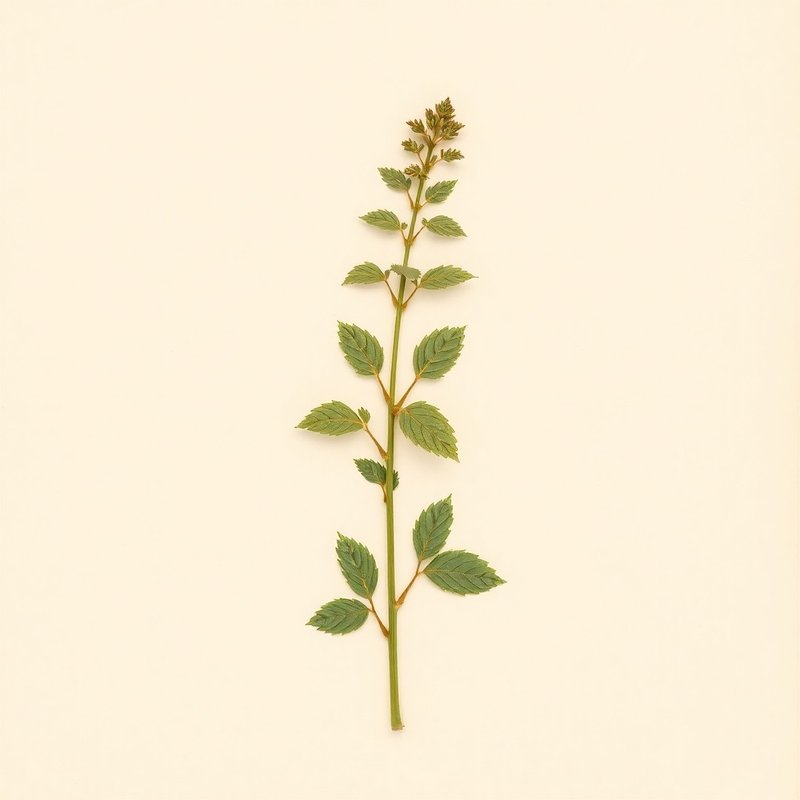
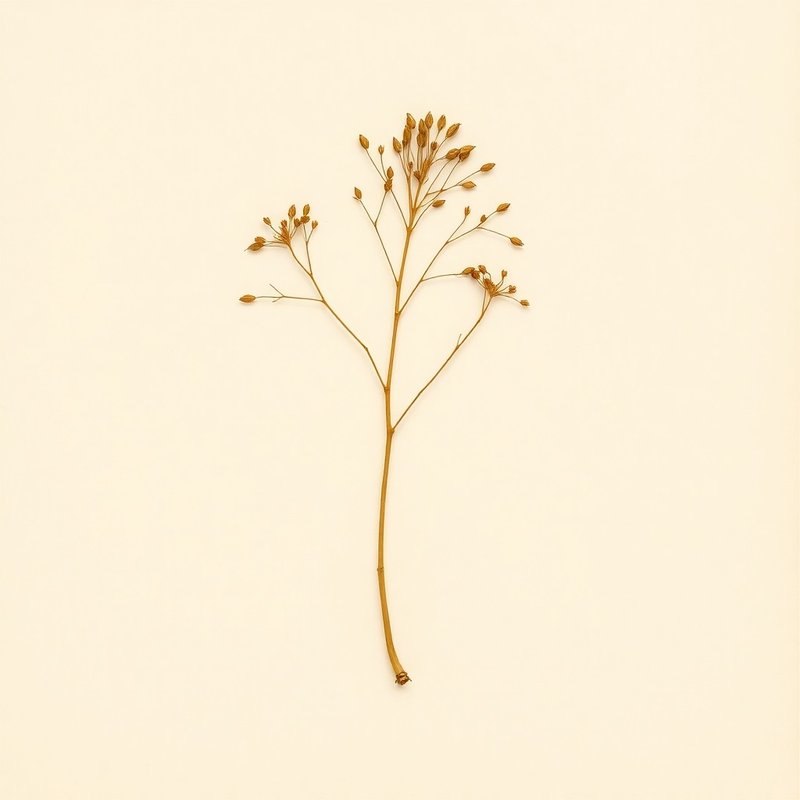
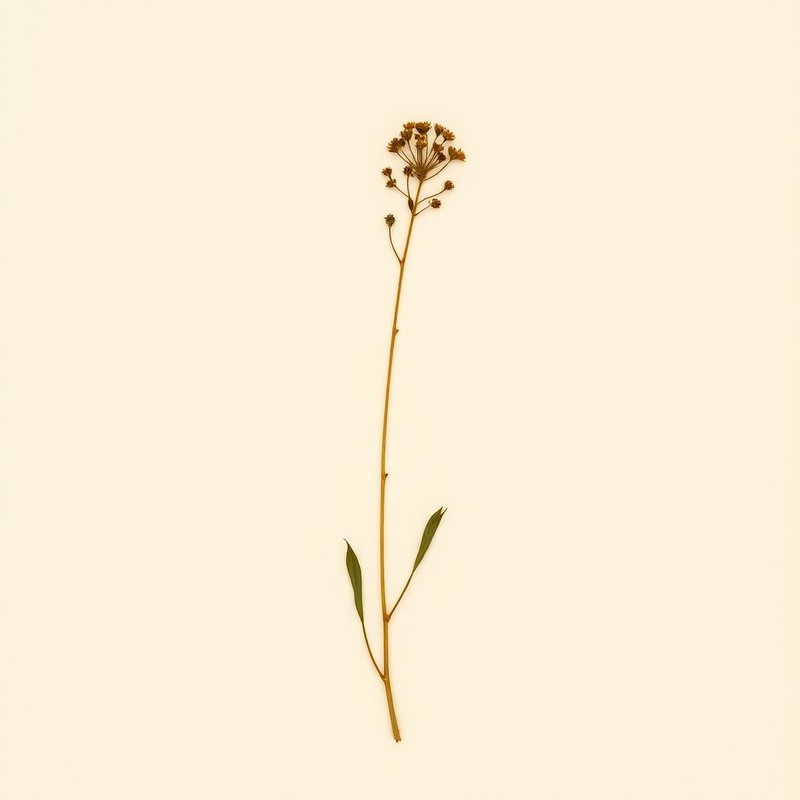
8 relatedPlants you might compare or use together — scored by shared family, common use cases, and growing requirements.
shared use cases
Different families, similar therapeutic role — good for comparing.
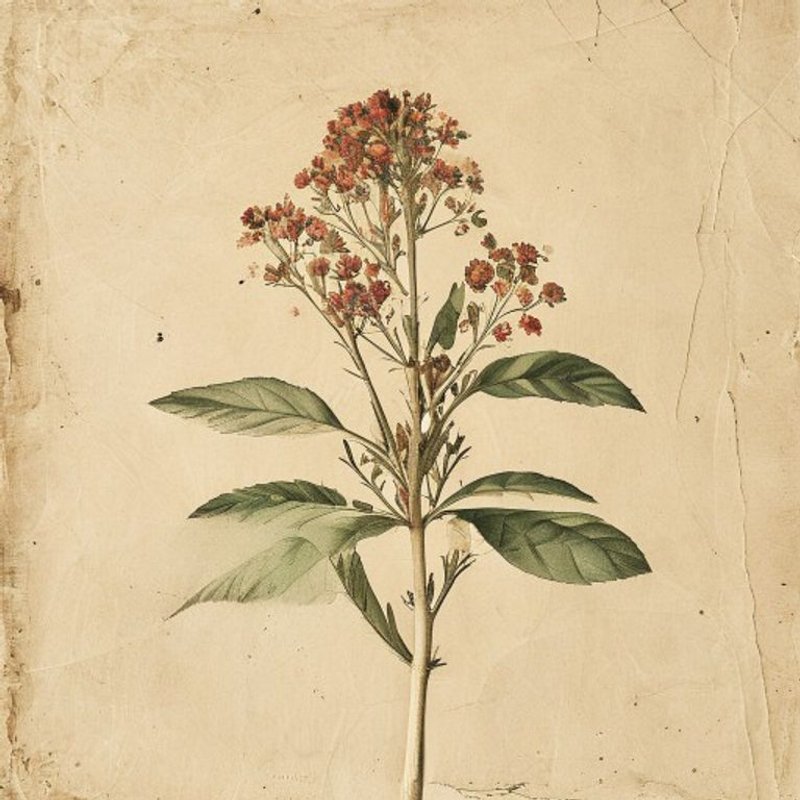

XI
Explore further
Companion planting
Health goals
Compare with similar plants
Growing zone
XII
About this entry
- Last updated
- Citation
- How to cite this entry · Submit a correction
Back to the cataloguePlant id · 9a48ee1e-a6ad-486b-a57b-68dbe216a58b
Decision aid
Choosing between Sage and something else?
Continue reading
❦❦❦❦
Endpaper · archive updates
Get archive updates
Occasional email when substantial new content lands — plant profiles, seasonal growing notes, folk-remedy additions. Free, no tracking, unsubscribe anytime.