
Common Grape Vine
Vitis vinifera
Educational content — not medical, botanical, or professional advice. Plant identification, safety, and edibility depend on local conditions, cultivars, and correct identification. Consult a qualified botanist or forager before consuming or handling wild specimens. How we source & review →
Garden journal pausedUse profile notes below
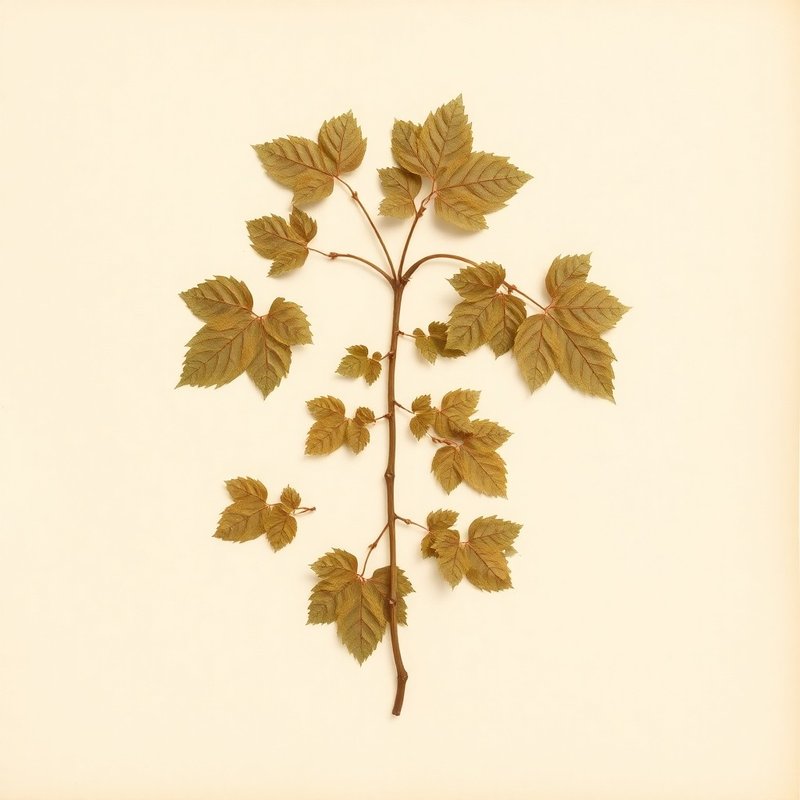
Pl. 1F3B — Vitis vinifera
Vitis viniferaVitis viniferaVitis viniferaVitis viniferaVitis viniferaVitis viniferaVitis viniferaVitis viniferaVitis viniferaVitis viniferaVitis viniferaVitis viniferaVitis viniferaVitis vinifera
IOverview
Overview
The Common Grape Vine (Vitis vinifera) is a perennial vine native to southern and central Europe as well as southwestern Asia, including regions such as Albania, Austria, Bulgaria, France, Greece, Italy, Romania, and Turkey. This plant thrives in light to heavy soil with a pH of 4.3-8.6, growing up to 15-32 meters in length and spreading about 1 meter wide. It is propagated through seeds or cuttings and can be found across a wide range of introduced regions including Afghanistan, Algeria, Angola, Argentina, Bangladesh, Belgium, British Columbia, California, China, Chad, Ecuador, Ethiopia, India, Kazakhstan, Korea, Morocco, New Zealand, Pakistan, Peru, Poland, Portugal, Spain, and Vietnam. The vine prefers moderate light conditions and grows best in zones 6-10. Its edible parts include flowers, fruit, leaves, and seeds, making it valuable for culinary and horticultural purposes. The Common Grape Vine is known for its use in winemaking and as a source of edible fruit. In traditional use, grape leaf and seed extracts are applied topically to address vascular-driven skin signs such as rosacea. While the plant can be cultivated successfully in various regions with appropriate care, it is important to note that any medicinal uses should be approached cautiously and preferably under professional guidance due to potential interactions or side effects.
Quick answers
What is Common Grape Vine?
The Common Grape Vine (Vitis vinifera) is a perennial vine native to southern and central Europe as well as southwestern Asia, including regions such as Albania, Austria, Bulgaria, France, Greece, Italy, Romania, and Turkey. This plant thrives in light to heavy soil with a pH of 4.
Best for
Top 1 evidence-ranked use of Common Grape Vine
Clinicaluses · safety · chemistry · dosage
IIBenefits & evidence
1 claim · traditional-use context
Benefits & evidence
1 claim · traditional-use contextTraditional-use context
These notes are presented as ethnobotanical context. No cited clinical references are catalogued for this plant yet.
- Traditional use: grape leaf + seed extract for vascular-driven skin signs (rosacea).
OPC proanthocyanidins
▲ LimitedTopical & skin →
Growingconditions · propagation · uses
VCultivation
Cultivation
The Common Grape Vine thrives in light to moist soils that are well-drained and can be sandy, medium, or clay-heavy. It prefers a neutral pH between 7 and 7.5. This vine is hardy in temperate regions with zones ranging from 6 to 10. For cultivation, propagate via seed direct sow or cuttings. Space plants about 8 feet apart. Ensure the plant receives ample light while maintaining consistent moisture. Regular pruning helps control its size and encourages fruiting. Harvest edible parts including flowers, fruits, leaves, and seeds for various uses.
Light
7/10
Water
Dry, Moist
Soil
Light (sandy), Medium, Heavy (clay)
Hardiness
6-10
Life cycle
Perennial
Habit
Vine, Shrub
Mature size
15-32m m × 1 m
Soil pH
7–7.5
- Propagation
- Seed - direct sow, Cuttings
- Germination
- 12 months
- Spacing
- 8feet
For first-time growers
How to grow Common Grape Vine for the first time
8steps
Start with a simple, low-maintenance vine that can thrive in various conditions.
- 1
What you'll need
Seeds or cuttings, potting soil, a trellis or support structure.
- 2
Best time to plant
Plant seeds in spring after the last frost or take cuttings in late summer.
- 3
Soil and container prep
Use well-draining soil with a pH between 7-7.5, ensuring containers are at least 8 feet apart.
- 4
Sowing or transplanting
Direct sow seeds outdoors in the ground or start cuttings indoors before planting.
- 5
First two weeks
Keep soil consistently moist and provide partial shade to help young plants establish roots.
- 6
Ongoing care
Water regularly, especially during dry periods. Prune annually to maintain shape and health.
- 7
Harvest or pruning
Prune in late winter before new growth begins; harvest fruit when fully ripe for eating.
- 8
Common mistakes
Overwatering, not providing enough support, neglecting winter protection, using incorrect soil pH, and overpruning.
VIEdible & utility
Edible & utility
Edible parts:FlowersFruitLeavesSeed
Edible uses: Oil
Contextrange · companions · related
VIIDistribution
33 native · 53 introduced
Distribution
33 native · 53 introducedDistribution across4 continents· 33 native· 53 introduced
Europe18 regions
native (13)AlbaniaAustriaBulgariaCyprusFranceGermanyGreeceHungaryItalyRomaniaRussiaSwitzerlandUkraine
introduced (5)BelgiumPolandPortugalRussiaSpain
Asia15 regions
native (6)IranIraqPalestineTurkeyTurkmenistanUzbekistan
introduced (9)AfghanistanBangladeshChinaIndiaKazakhstanLaosPakistanSouth KoreaVietnam
Americas2 regions
introduced (2)EcuadorPeru
Africa9 regions
introduced (9)AlgeriaAngolaCabo VerdeChadEritreaEthiopiaLibyaMoroccoTunisia
Broader regions
native:Central Europe, Czechoslovakia, Kirgizstan, Lebanon-Syria, Southern Europe, Southwestern asia, Tadzhikistan, Transcaucasus, Turkey-in-Europe, Yugoslavia
introduced:Argentina Northeast, British Columbia, California, Caroline Is., East Aegean Is., East Himalaya, Easter Is., Gulf of Guinea Is., Idaho, Kriti, Masachusettes, Massachusetts, New Hampshire, New York, New Zealand North, Oregon, Pennsylvania, Trinidad-Tobago, Washington, West Himalaya
VIIIGarden companions
15 pairs
Garden companions
15 pairsPlant near these
These plants help — by repelling pests, fixing nitrogen, attracting pollinators, or sharing space well.
White Clover
Trifolium repens
Dynamic accumulatorLiving mulch
Lower-confidence orchard guild pairing: deep-rooted or nitrogen-supporting plants can be chopped and dropped as managed mulch.
Bergamot
Monarda didyma
Pollinator-friendly
Lower-confidence orchard guild pairing: long-blooming insectary plants support pollinators and pest predators near fruit trees.
Pot marigold
Calendula officinalis
Pollinator-friendly
Lower-confidence orchard guild pairing: long-blooming insectary plants support pollinators and pest predators near fruit trees.
Origanum vulgare
Origanum vulgare
Ground coverPest repellent
Oregano provides aromatic ground cover in sunny, well-drained vineyard edges.
Stinging nettle
Urtica dioica
Dynamic accumulator
Lower-confidence orchard guild pairing: deep-rooted or nitrogen-supporting plants can be chopped and dropped as managed mulch.
Garlic
Allium sativum
Pest repellent
Lower-confidence orchard guild pairing: compact aromatic herbs form a pest-confusing edge under or near fruit trees.
Fagopyrum esculentum
Fagopyrum esculentum
Pollinator-friendly
Lower-confidence orchard guild pairing: long-blooming insectary plants support pollinators and pest predators near fruit trees.
Yarrow
Achillea millefolium
Pollinator-friendly
Lower-confidence orchard guild pairing: long-blooming insectary plants support pollinators and pest predators near fruit trees.
Chives
Allium schoenoprasum
Pest repellent
Lower-confidence orchard guild pairing: compact aromatic herbs form a pest-confusing edge under or near fruit trees.
Hyssop
Hyssopus officinalis
Pest repellent
Hyssop is traditionally planted near grapes as an aromatic pest confuser.
Keep away from these
Avoid planting nearby — competition, allelopathy, or shared pests/diseases.
IXSpecimen gallery
1 image
Specimen gallery
1 imageXSee also
8 related
See also
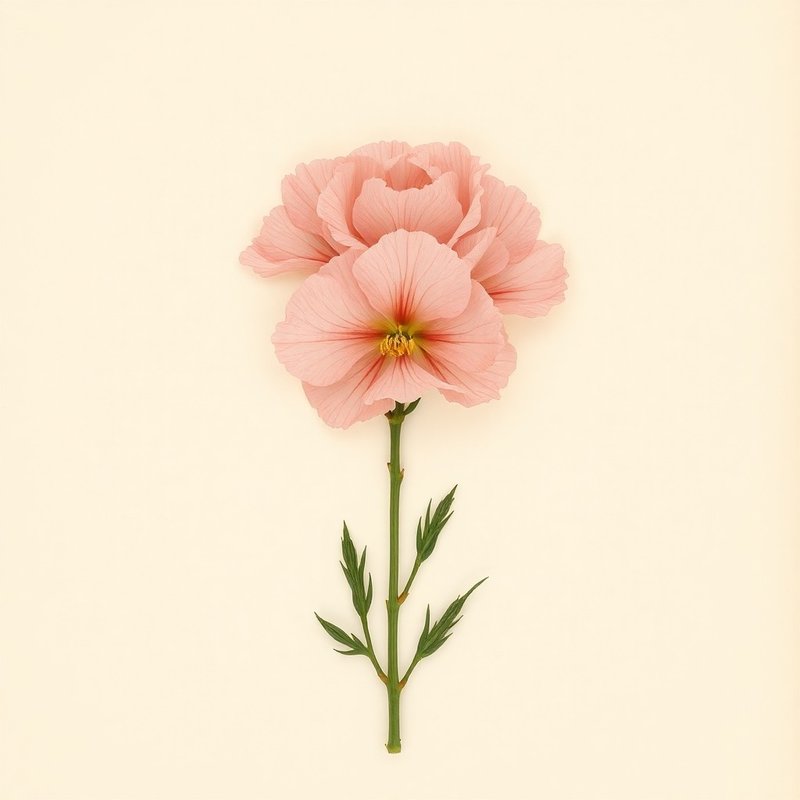
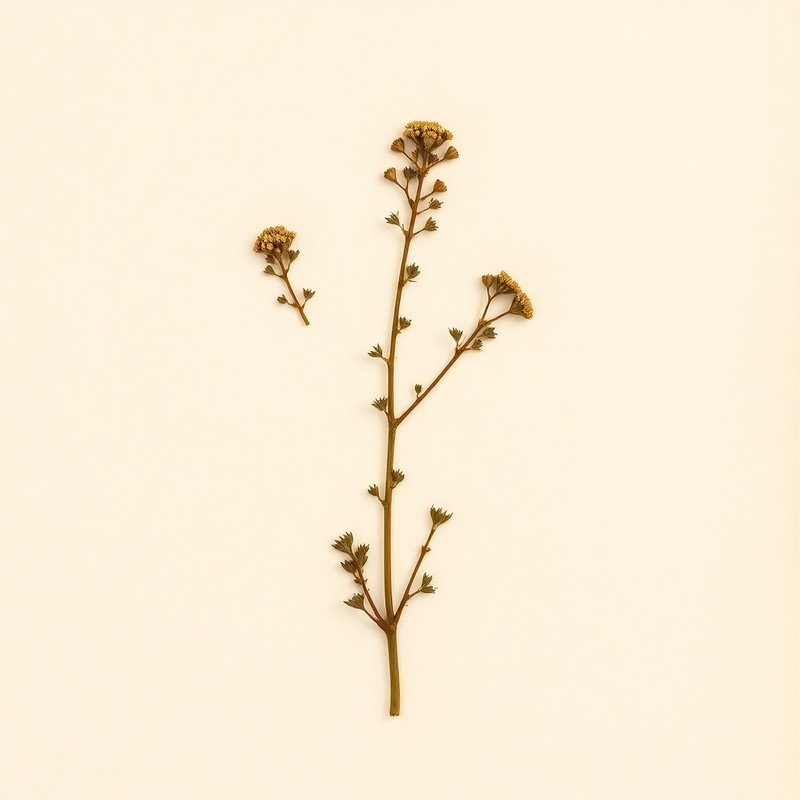
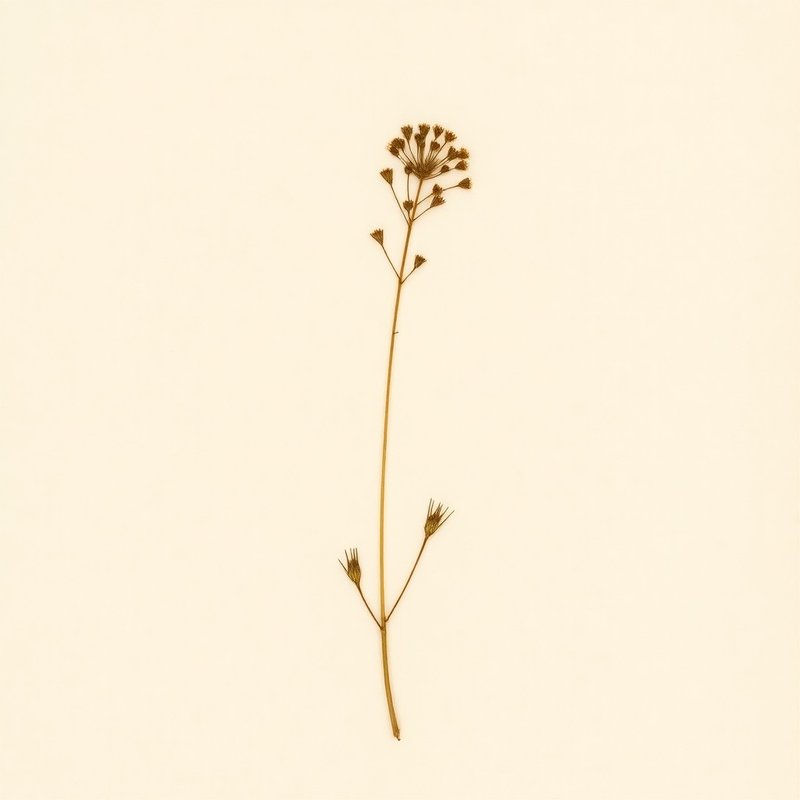
8 relatedPlants you might compare or use together — scored by shared family, common use cases, and growing requirements.
shared use cases
Different families, similar therapeutic role — good for comparing.


XI
Explore further
Companion planting
Use cases
Compare with similar plants
Growing zone
XII
About this entry
- Last updated
- Citation
- How to cite this entry · Submit a correction
Back to the cataloguePlant id · 1f3b6839-5d3f-4863-ac7d-7afbe3365f33
Decision aid
Choosing between Common Grape Vine and something else?
Continue reading
❦❦❦❦
Endpaper · archive updates
Get archive updates
Occasional email when substantial new content lands — plant profiles, seasonal growing notes, folk-remedy additions. Free, no tracking, unsubscribe anytime.
Newsletter returning soon.
We are rebuilding the update list around a lightweight editorial workflow. New dispatches will resume after the next content review cycle.