
Black elderberry
Sambucus nigrafam. Caprifoliaceae
Educational content — not medical, botanical, or professional advice. Always consult a qualified clinician before using any herbal preparation — especially during pregnancy, breastfeeding, while on medication, or for children. How we source & review →

Pl. CC8D — Sambucus nigra
Sambucus nigraSambucus nigraSambucus nigraSambucus nigraSambucus nigraSambucus nigraSambucus nigraSambucus nigraSambucus nigraSambucus nigraSambucus nigraSambucus nigraSambucus nigraSambucus nigra
IOverview
Overview
Black elderberry (Sambucus nigra) is a tree or shrub native to Central and Southern Europe, as well as parts of Asia and North Africa. It thrives in moist, light to heavy soil with a pH between 7 and 7.5, making it adaptable but preferring slightly alkaline conditions. The plant is known for its edible flowers and fruits, which are used both medicinally and in cooking. In traditional medicine, elderberry has been recognized for its potential to support the immune system; studies have shown that elderberry can help shorten flu duration. This versatile plant grows up to 6 meters tall and is found across a wide range of European countries, from Albania to Ukraine. Its light requirement and hardiness in zones 5-7 make it suitable for gardens and landscapes where it can provide both ornamental value and practical benefits.
Quick answers
What is Black elderberry?
Black elderberry (Sambucus nigra) is a tree or shrub native to Central and Southern Europe, as well as parts of Asia and North Africa. It thrives in moist, light to heavy soil with a pH between 7 and 7.5, making it adaptable but preferring slightly alkaline conditions.
What is Black elderberry used for?
Traditionally used for immune support. Each claim is evidence-rated — see Section II for full citations.
Best for
Top 1 evidence-ranked use of Black elderberry
Clinicaluses · safety · chemistry · dosagemedicinal profile
IIBenefits & evidence
1 claim · 0 sources
Benefits & evidence
1 claim · 0 sources- Traditional use: elderberry shortens flu duration, supported by multiple RCTs.
Anthocyanins — antiviral hemagglutinin block
IV·bMixology suggestions
2 drafts
Mixology suggestions
2 draftsEditorial drafts. These pairings are AI-suggested from traditional herbal lore. Always verify with a qualified herbalist before brewing.
Immune Boost
immunetincture
Traditional use for supporting immune health.
Growingconditions · propagation · uses
VCultivation
Cultivation
Black elderberry thrives in moist, well-drained soils with a pH between 7 and 7.5, preferring light (sandy), medium, or heavy (clay) soil types. It requires partial to full sunlight and is hardy in temperate regions, generally zones 5-7. For propagation, use cuttings or seeds. This perennial can grow up to 6 meters tall and serves both edible and medicinal purposes, with its flowers and fruits being the main parts used. Ensure consistent moisture during growth for best fruit production.
Light
5/10
Water
Moist
Soil
Light (sandy), Medium, Heavy (clay)
Hardiness
5-7
Life cycle
Perennial
Habit
Tree, Shrub
Mature size
6 m tall
Soil pH
7–7.5
For first-time growers
How to grow Black elderberry for the first time
8steps
Start with planting Black elderberry in a sunny spot to ensure success for a beginner gardener.
- 1
What you'll need
Elderberry saplings, garden gloves, spade or trowel.
- 2
Best time to plant
Plant elderberry in early spring or late autumn when the soil is moist and workable.
- 3
Soil and container prep
Ensure the soil is well-draining with a pH of 7-7.5, and prepare the ground by loosening it to about 30 cm deep.
- 4
Sowing or transplanting
Transplant saplings from containers into your garden bed at a distance of 2-4 meters apart.
- 5
First two weeks
Water the elderberry regularly, keeping the soil moist but not waterlogged. Monitor for pests and diseases.
- 6
Ongoing care
Provide regular watering during dry periods, especially in the first year. Prune in late winter to maintain shape.
- 7
Harvest or pruning
Prune elderberry in late winter to encourage new growth and remove any dead branches.
- 8
Common mistakes
Overwatering, planting too close together, neglecting winter pruning, not providing enough light.
VIEdible & utility
Edible & utility
Edible parts:FlowersFruit
Edible uses: Colouring, Tea
Other uses:CompostCosmeticDyeantifungalHedgerowPest controlLitmusMicroscopeCraftingPioneerPolesLumberFragrance
Contextrange · companions · related
VIIDistribution
30 native · 0 introduced
Distribution
30 native · 0 introducedDistribution across2 continents· 30 native
Europe18 regions
native (18)AlbaniaAustriaBelarusBelgiumBulgariaDenmarkFranceGermanyGreeceHungaryIrelandItalyPolandPortugalRomaniaRussiaUkraineUnited Kingdom
Asia3 regions
native (3)IranIraqPalestine
Broader regions
native:Baltic States, Czechoslovakia, Lebanon-Syria
VIIIGarden companions
15 pairs
Garden companions
15 pairsPlant near these
These plants help — by repelling pests, fixing nitrogen, attracting pollinators, or sharing space well.
Yarrow
Achillea millefolium
Pollinator-friendly
Lower-confidence orchard guild pairing: long-blooming insectary plants support pollinators and pest predators near fruit trees.
Pot marigold
Calendula officinalis
Pollinator-friendly
Lower-confidence orchard guild pairing: long-blooming insectary plants support pollinators and pest predators near fruit trees.
Fagopyrum esculentum
Fagopyrum esculentum
Pollinator-friendly
Lower-confidence orchard guild pairing: long-blooming insectary plants support pollinators and pest predators near fruit trees.
Bergamot
Monarda didyma
Pollinator-friendly
Lower-confidence orchard guild pairing: long-blooming insectary plants support pollinators and pest predators near fruit trees.
White Clover
Trifolium repens
Dynamic accumulator
Lower-confidence orchard guild pairing: deep-rooted or nitrogen-supporting plants can be chopped and dropped as managed mulch.
Stinging nettle
Urtica dioica
Dynamic accumulator
Lower-confidence orchard guild pairing: deep-rooted or nitrogen-supporting plants can be chopped and dropped as managed mulch.
Garlic
Allium sativum
Pest repellent
Lower-confidence orchard guild pairing: compact aromatic herbs form a pest-confusing edge under or near fruit trees.
Chives
Allium schoenoprasum
Pest repellent
Lower-confidence orchard guild pairing: compact aromatic herbs form a pest-confusing edge under or near fruit trees.
Origanum vulgare
Origanum vulgare
Pest repellent
Lower-confidence orchard guild pairing: compact aromatic herbs form a pest-confusing edge under or near fruit trees.
Riverbank Grape
Vitis riparia
Pollinator-friendly
Black elderberry attracts pollinators that can help Riverbank Grape with cross-pollination.
✶ AI suggested
Arctic Bramble
Rubus arcticus
Pest repellent
Black elderberry repels pests that might harm Arctic bramble.
✶ AI suggested
Arrow Wood
Viburnum dentatum
Pest repellent
Arrow Wood benefits from Black Elderberry as both attract pollinators.
✶ AI suggested
Bodnant Viburnum
Viburnum x bodnantense
Pest repellent
Black elderberry repels pests that may harm Viburnum x bodnantense.
✶ AI suggested
Sea-buckthorn
Hippophae rhamnoides
Pest repellent
Black elderberry repels pests that may harm sea-buckthorn.
✶ AI suggested
Keep away from these
Avoid planting nearby — competition, allelopathy, or shared pests/diseases.
IXSpecimen gallery
1 image
Specimen gallery
1 imageXSee also
8 related
See also
8 relatedPlants you might compare or use together — scored by shared family (Caprifoliaceae), common use cases, and growing requirements.
same family · Caprifoliaceae
Botanical relatives — often share phytochemistry + growing needs.
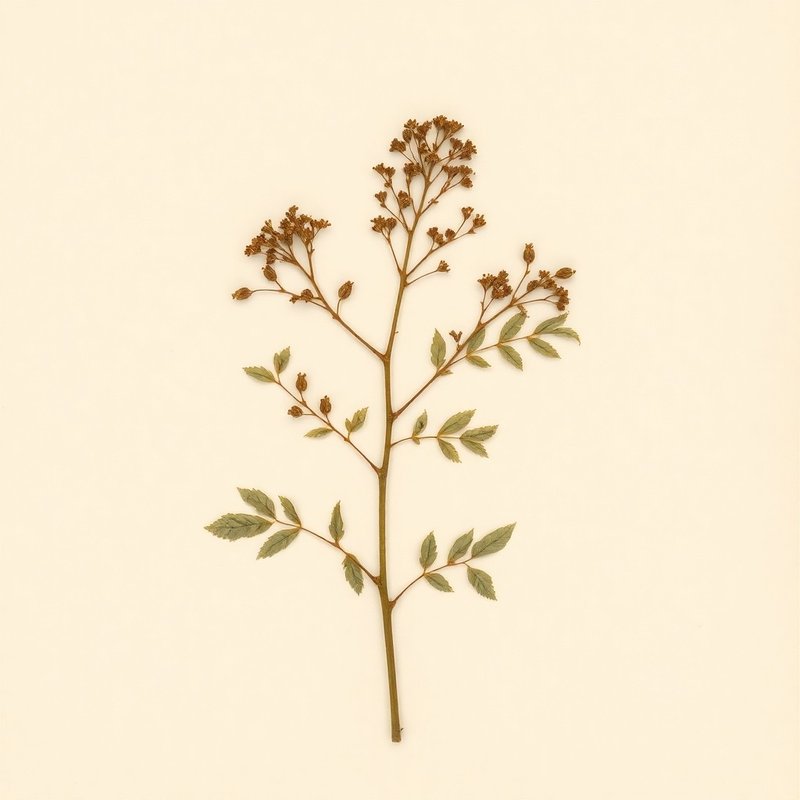
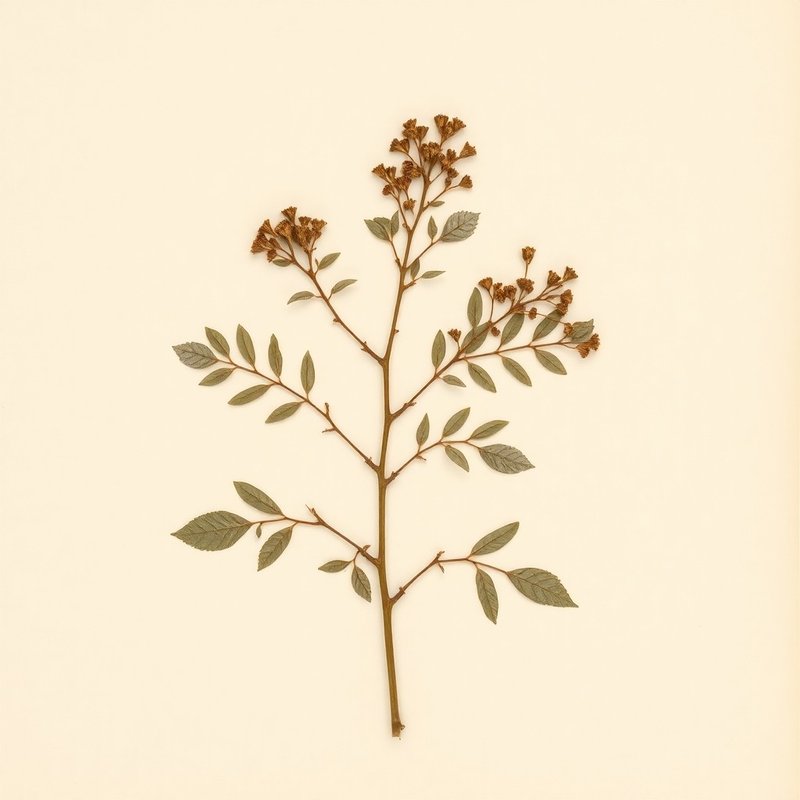
shared use cases
Different families, similar therapeutic role — good for comparing.
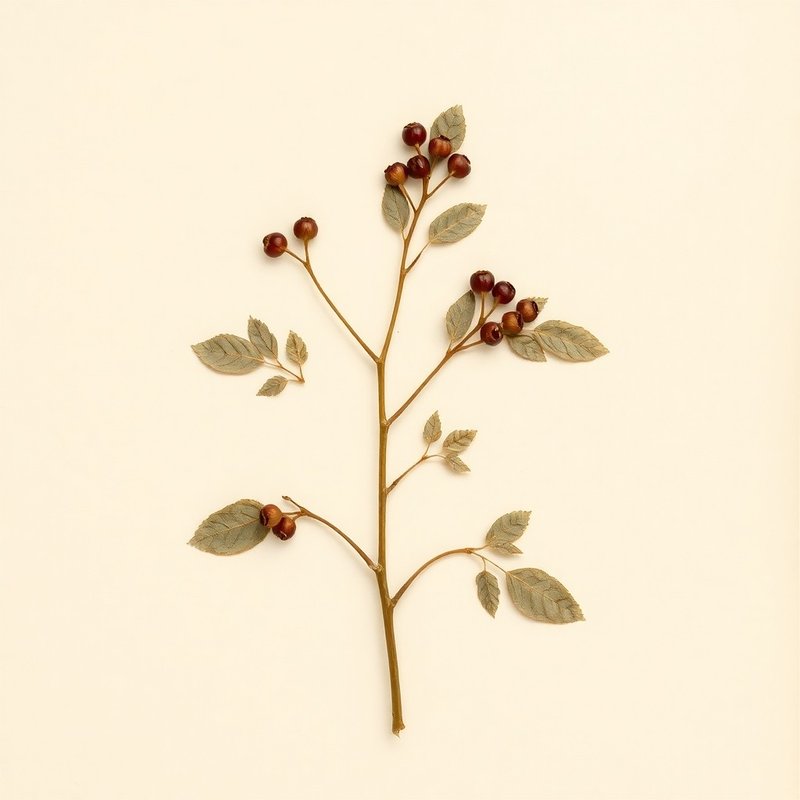
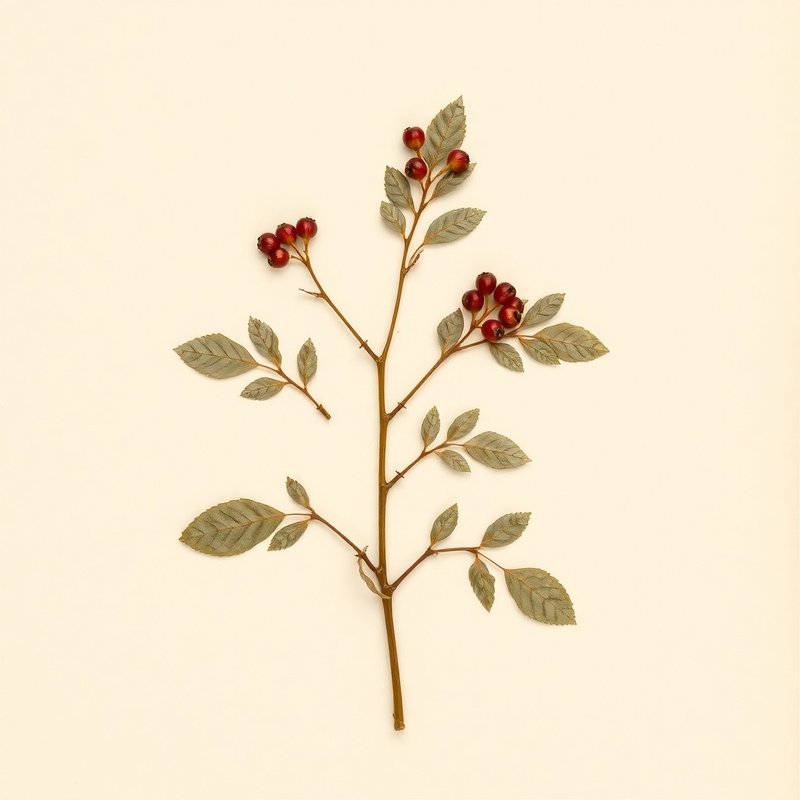
XI
Explore further
Companion planting
Compare with similar plants
Growing zone
XII
About this entry
- Last updated
- Citation
- How to cite this entry · Submit a correction
Back to the cataloguePlant id · cc8dbef8-c538-4033-af13-16f4be6488fd
Decision aid
Choosing between Black elderberry and something else?
Continue reading
❦❦❦❦
Endpaper · archive updates
Get archive updates
Occasional email when substantial new content lands — plant profiles, seasonal growing notes, folk-remedy additions. Free, no tracking, unsubscribe anytime.