
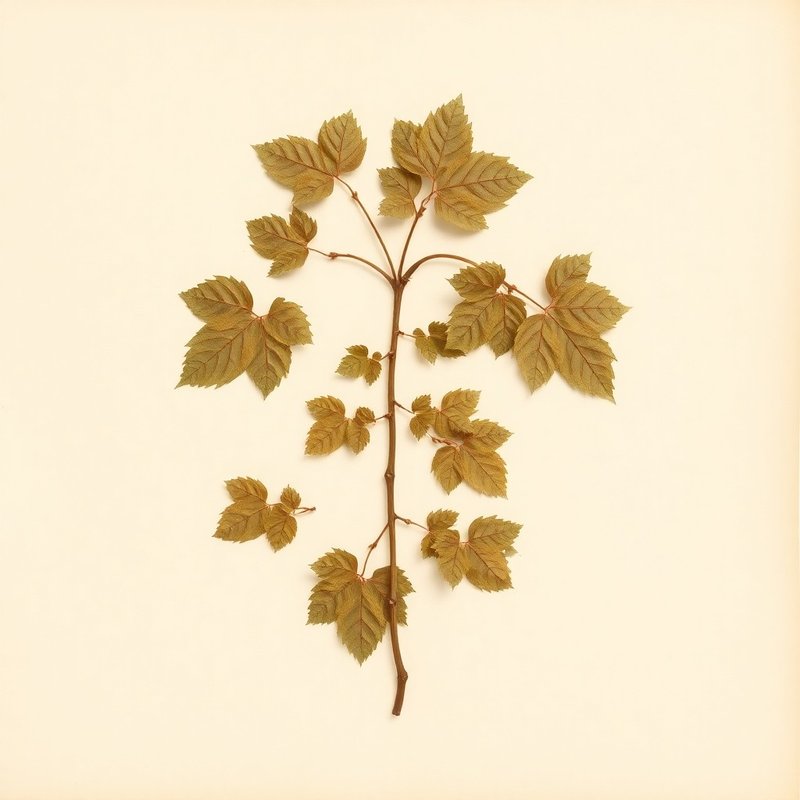
HyssopHyssopus officinalisrepels pests
Hyssop is a traditional grape companion and insectary herb.
Vitis vinifera
Common Grape Vine grows best when paired with plants that repels pests, covers the ground, lives as mulch. We've catalogued 13 beneficial companions and 2 antagonists to avoid. Every pairing below cites its mechanism — pest deterrence, nitrogen fixing, allelopathy, or shared disease.
Want the full profile? See Common Grape Vine botanical profile →
Hyssop is a traditional grape companion and insectary herb.
Oregano provides aromatic ground cover in sunny, well-drained vineyard edges.
Hyssop is traditionally planted near grapes as an aromatic pest confuser.
White clover protects soil and fixes nitrogen between grape rows.
Lower-confidence orchard guild pairing: long-blooming insectary plants support pollinators and pest predators near fruit trees.
Lower-confidence orchard guild pairing: long-blooming insectary plants support pollinators and pest predators near fruit trees.
Lower-confidence orchard guild pairing: long-blooming insectary plants support pollinators and pest predators near fruit trees.
Lower-confidence orchard guild pairing: long-blooming insectary plants support pollinators and pest predators near fruit trees.
Lower-confidence orchard guild pairing: deep-rooted or nitrogen-supporting plants can be chopped and dropped as managed mulch.
Lower-confidence orchard guild pairing: deep-rooted or nitrogen-supporting plants can be chopped and dropped as managed mulch.
Lower-confidence orchard guild pairing: compact aromatic herbs form a pest-confusing edge under or near fruit trees.
Lower-confidence orchard guild pairing: compact aromatic herbs form a pest-confusing edge under or near fruit trees.
Lower-confidence orchard guild pairing: compact aromatic herbs form a pest-confusing edge under or near fruit trees.
Fennel is best kept out of productive beds and vineyard understories.
Management warning: fennel is traditionally grown apart because it can inhibit neighbouring crops and disrupt guild balance.
Strong aromatics like basil, garlic, and marigold mask the olfactory cues that pests use to find their target crop.
Low spreading plants suppress weeds, retain soil moisture, and shade out invaders.
A low-growing perennial covers bare soil under taller crops, reducing evaporation and weed pressure.
Flowering herbs draw bees, hoverflies, and parasitic wasps — improving fruit set and biological pest control.
Deep-rooted plants like comfrey pull minerals from the subsoil; their leaves become mulch that returns nutrients to neighbours.
The top companions are Hyssop, Origanum vulgare, Hyssop. 10 more pairings are catalogued above with their mechanisms.
Avoid Fennel, Fennel. Reasons vary — allelopathy, shared pests, or resource competition. See the section above for each plant's specific issue.
Aromatic companions deter many pests through scent masking and alarm pheromones. Effect varies by pest species and density — most effective as part of a polyculture, not a one-plant solution.
Some mechanisms are well-documented (legume nitrogen fixation, allelopathy in walnut and fennel, nematode suppression by marigolds). Others are traditional pairings with anecdotal support. We cite both, but mark mechanism strength where available.
Occasional email when substantial new content lands — plant profiles, seasonal growing notes, folk-remedy additions. Free, no tracking, unsubscribe anytime.