
Vitis labruscanaVitis labruscanaattracts pollinators
Bergamot attracts pollinators that help with grape pollination.
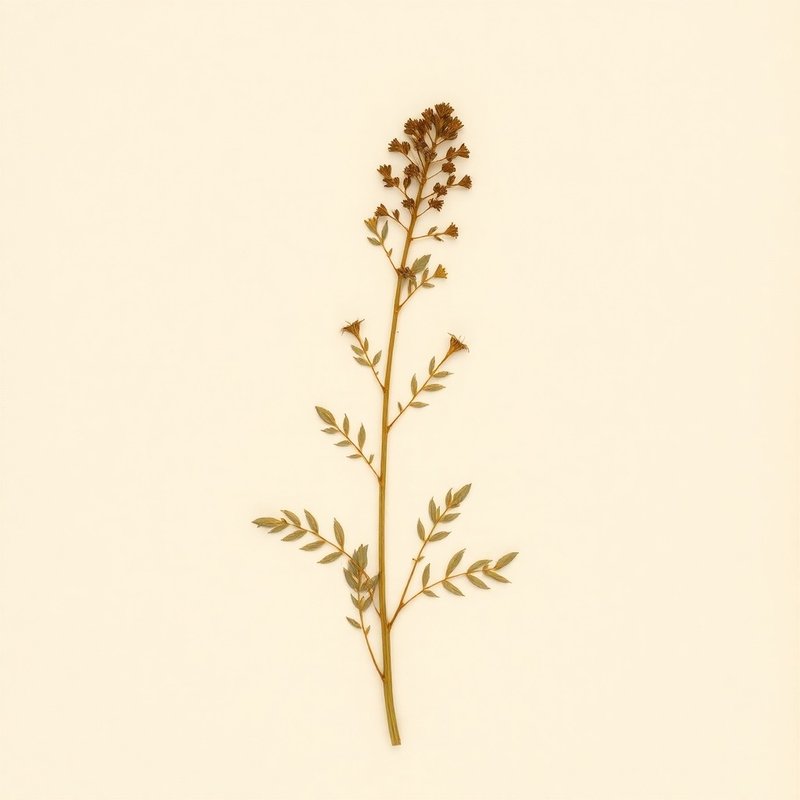
Monarda didyma
Bergamot grows best when paired with plants that attracts pollinators, lives as mulch. We've catalogued 22 beneficial companions Every pairing below cites its mechanism — pest deterrence, nitrogen fixing, allelopathy, or shared disease.
Want the full profile? See Bergamot botanical profile →
Bergamot attracts pollinators that help with grape pollination.
Bee balm brings pollinators into cucurbit plantings.
Lower-confidence orchard guild pairing: long-blooming insectary plants support pollinators and pest predators near fruit trees.
Lower-confidence orchard guild pairing: long-blooming insectary plants support pollinators and pest predators near fruit trees.
Lower-confidence orchard guild pairing: long-blooming insectary plants support pollinators and pest predators near fruit trees.
Lower-confidence orchard guild pairing: long-blooming insectary plants support pollinators and pest predators near fruit trees.
Lower-confidence orchard guild pairing: long-blooming insectary plants support pollinators and pest predators near fruit trees.
Lower-confidence orchard guild pairing: long-blooming insectary plants support pollinators and pest predators near fruit trees.
Lower-confidence orchard guild pairing: long-blooming insectary plants support pollinators and pest predators near fruit trees.
Lower-confidence orchard guild pairing: long-blooming insectary plants support pollinators and pest predators near fruit trees.
Lower-confidence orchard guild pairing: long-blooming insectary plants support pollinators and pest predators near fruit trees.
Lower-confidence orchard guild pairing: long-blooming insectary plants support pollinators and pest predators near fruit trees.
Lower-confidence berry guild pairing: insectary flowers improve pollinator presence and support predators around soft fruit.
Lower-confidence berry guild pairing: insectary flowers improve pollinator presence and support predators around soft fruit.
Lower-confidence berry guild pairing: insectary flowers improve pollinator presence and support predators around soft fruit.
Lower-confidence berry guild pairing: insectary flowers improve pollinator presence and support predators around soft fruit.
Lower-confidence berry guild pairing: insectary flowers improve pollinator presence and support predators around soft fruit.
Lower-confidence berry guild pairing: insectary flowers improve pollinator presence and support predators around soft fruit.
Lower-confidence herb guild pairing: overlapping bloom windows increase beneficial-insect habitat in medicinal herb beds.
Lower-confidence herb guild pairing: overlapping bloom windows increase beneficial-insect habitat in medicinal herb beds.
Lower-confidence herb guild pairing: overlapping bloom windows increase beneficial-insect habitat in medicinal herb beds.
Lower-confidence herb guild pairing: low living mulches protect soil around taller perennial herbs when kept from crowding crowns.
Flowering herbs draw bees, hoverflies, and parasitic wasps — improving fruit set and biological pest control.
A low-growing perennial covers bare soil under taller crops, reducing evaporation and weed pressure.
The top companions are Vitis labruscana, Pumpkin / Zucchini, Apple. 19 more pairings are catalogued above with their mechanisms.
Some mechanisms are well-documented (legume nitrogen fixation, allelopathy in walnut and fennel, nematode suppression by marigolds). Others are traditional pairings with anecdotal support. We cite both, but mark mechanism strength where available.
Occasional email when substantial new content lands — plant profiles, seasonal growing notes, folk-remedy additions. Free, no tracking, unsubscribe anytime.