
Radish
Raphanus sativus
Educational content — not medical, botanical, or professional advice. Always consult a qualified clinician before using any herbal preparation — especially during pregnancy, breastfeeding, while on medication, or for children. How we source & review →
Garden journal pausedUse profile notes below
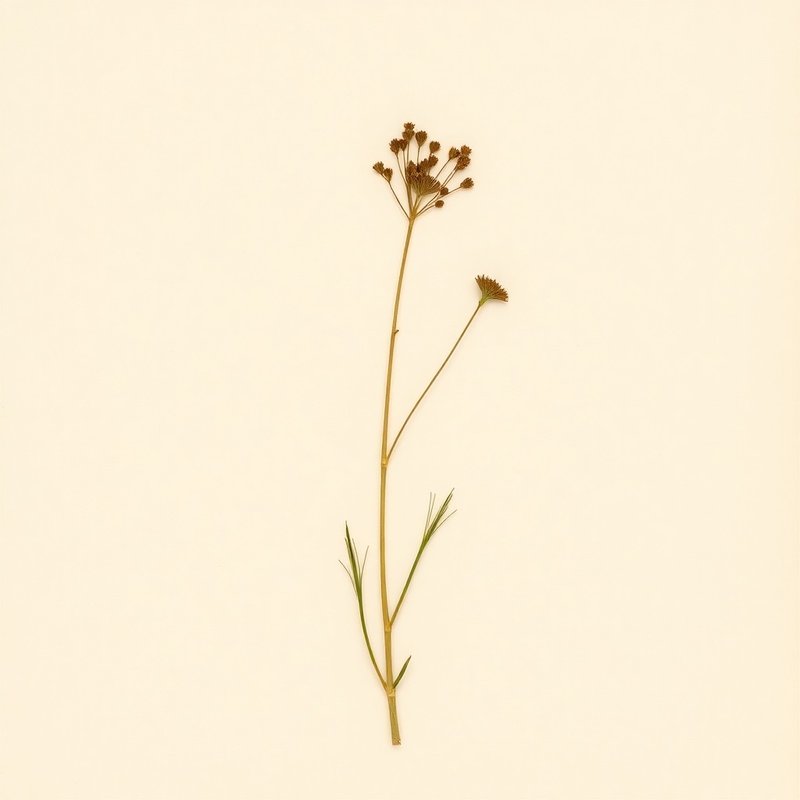
Pl. 3E5D — Raphanus sativus
Raphanus sativusRaphanus sativusRaphanus sativusRaphanus sativusRaphanus sativusRaphanus sativusRaphanus sativusRaphanus sativusRaphanus sativusRaphanus sativusRaphanus sativusRaphanus sativusRaphanus sativusRaphanus sativus
IOverview
Overview
Radish (Raphanus sativus) is an annual herb native to the Mediterranean region, including Greece, Italy, Sicilia, and Yugoslavia. This plant thrives in full or partial sun and prefers soil that can be light (sandy), medium, or heavy (clay). Radishes are known for their edible parts, which include flowers, leaves, roots, seeds, and seedpods, making them a versatile addition to gardens and kitchens alike. Their distinctive feature is the quick growth cycle from sowing to harvest, typically reaching 0.5 meters in height and 0.3 meters in width within just a few weeks. Radishes are not only useful for their edible parts but also for their medicinal properties, such as their use in animal feed and as a cover crop. However, they can have weed potential in some areas. Radishes are hardy in zones 2-11, making them adaptable to various climates within temperate regions. For best results, plant seeds directly into the garden bed during spring when the soil has warmed. Water regularly to keep the soil consistently moist but not waterlogged. Harvest edible parts such as flowers, leaves, roots, and seedpods throughout the growing season.
Quick answers
What is Radish?
Radish (Raphanus sativus) is an annual herb native to the Mediterranean region, including Greece, Italy, Sicilia, and Yugoslavia. This plant thrives in full or partial sun and prefers soil that can be light (sandy), medium, or heavy (clay).
IV·bMixology suggestions
1 draft
Mixology suggestions
1 draftEditorial drafts. These pairings are AI-suggested from traditional herbal lore. Always verify with a qualified herbalist before brewing.
Stomach Soothe
digestiontincture
Historically used for digestive issues.
Growingconditions · propagation · uses
VCultivation
Cultivation
Raphanus sativus thrives in full to partial sun and prefers moist soil that is light (sandy), medium, or heavy (clay). It is hardy in zones 2-11, making it adaptable to various climates within temperate regions. For best results, plant seeds directly into the garden bed during spring when the soil has warmed. Water regularly to keep the soil consistently moist but not waterlogged. Harvest edible parts such as flowers, leaves, roots, and seedpods throughout the growing season.
Light
Full sun, Partial sun/shade
Water
Moist
Soil
Light (sandy), Medium, Heavy (clay)
Hardiness
2-11
Life cycle
Annual
Habit
Forb/herb
Mature size
0.5 m × 0.3 m
For first-time growers
How to grow Radish for the first time
7steps
Radishes are easy to grow and perfect for beginners looking to try their hand at gardening.
- 1
What you'll need
Seeds, a small trowel or your hands, water can or watering壶
- 2
Best time to plant
Plant in spring and fall when the weather is cooler.
- 3
Soil and container prep
Choose a spot with full sun to partial shade. Ensure the soil is well-draining and loose.
- 4
Sowing or transplanting
Direct sow seeds 1/2 inch deep, spacing them about an inch apart in rows 12 inches apart.
- 5
First two weeks
Keep the soil consistently moist. Thin seedlings to 3-4 inches apart once they have grown a bit.
- 6
Ongoing care
Water regularly, especially during dry spells. Keep weeds under control and mulch if needed.
- 7
Harvest or pruning
Harvest roots when they are about the size of a marble to prevent them from becoming woody.
VIEdible & utility
Edible & utility
Edible parts:FlowersLeavesRootSeedSeedpod
Edible uses: Oil
Other uses:Animal feedCover cropoil
Contextrange · companions · related
VIIDistribution
4 native · 176 introduced
Distribution
4 native · 176 introducedDistribution across5 continents· 4 native· 176 introduced
Europe13 regions
native (2)GreeceItaly
introduced (11)BelarusBelgiumBulgariaCyprusFranceItalyPortugalRussiaSpainSwitzerlandUkraine
Asia20 regions
introduced (20)BangladeshChinaGeorgiaIndiaIraqJapanKazakhstanKuwaitNepalOmanPakistanPalestineSaudi ArabiaSouth KoreaSri LankaTurkeyTurkmenistanUzbekistanVietnamYemen
Americas13 regions
introduced (13)BoliviaColombiaCosta RicaCubaDominican RepublicEcuadorEl SalvadorGuatemalaHaitiParaguayPuerto RicoUnited StatesUruguay
Africa14 regions
introduced (14)AlgeriaAngolaEgyptEritreaEthiopiaKenyaLibyaMauritaniaMoroccoRwandaSudanTanzaniaTunisiaZimbabwe
Oceania2 regions
introduced (2)FijiNew Caledonia
Broader regions
native:Yugoslavia
introduced:Alabama, Altay, Andaman Is., Argentina Northeast, Argentina Northwest, Argentina South, Arizona, Arkansas, Baltic States, Bermuda, Brazil South, Brazil Southeast, British Columbia, California, Caroline Is., Chile Central, Chile North, Chile South, Colorado, Connecticut, Delaware, District of Columbia, East Aegean Is., East Himalaya, Florida, Galápagos, Gilbert Is., Gulf of Guinea Is., Gulf States, Hainan, Idaho, Illinois, Indiana, Iowa, Jawa, Kansas, Kazan-retto, Kriti, Labrador, Lebanon-Syria, Leeward Is., Louisiana, Maine, Manitoba, Marianas, Marshall Is., Maryland, Massachusetts, Mexican Pacific Is., Mexico Northwest, Michigan, Minnesota, Mississippi, Missouri, Montana, Nansei-shoto, Nebraska, Nevada, New Brunswick, New Hampshire, New Jersey, New Mexico, New South Wales, New York, Newfoundland, Nicobar Is., North Carolina, North Dakota, Northern Provinces, Nova Scotia, Ohio, Oklahoma, Ontario, Oregon, Pennsylvania, Primorye, Prince Edward I., Québec, Queensland, Rhode I., Saskatchewan, South Australia, South Carolina, South Dakota, Sumatera, Tadzhikistan, Tasmania, Texas, Turkey-in-Europe, Utah, Victoria, Virginia, Wake I., Washington, West Himalaya, West Virginia, Western Australia, Windward Is., Wisconsin, Wyoming
VIIIGarden companions
34 pairs
Garden companions
34 pairsPlant near these
These plants help — by repelling pests, fixing nitrogen, attracting pollinators, or sharing space well.
Anise Hyssop
Agastache foeniculum
Pollinator-friendly
Lower-confidence guild pairing: insectary flowers support pollinators, hoverflies, and parasitic wasps around mixed vegetable beds.
Artemisia dracunculus
Artemisia dracunculus
Pest repellent
Lower-confidence guild pairing: aromatic foliage can confuse pests in dense polyculture beds when spacing and airflow are maintained.
Garlic
Allium sativum
Pest repellent
Lower-confidence guild pairing: aromatic foliage can confuse pests in dense polyculture beds when spacing and airflow are maintained.
✶ AI suggested
Chives
Allium schoenoprasum
Pest repellent
Lower-confidence guild pairing: aromatic foliage can confuse pests in dense polyculture beds when spacing and airflow are maintained.
Yarrow
Achillea millefolium
Pollinator-friendly
Lower-confidence guild pairing: insectary flowers support pollinators, hoverflies, and parasitic wasps around mixed vegetable beds.
Hyssop
Hyssopus officinalis
Pest repellent
Lower-confidence guild pairing: aromatic foliage can confuse pests in dense polyculture beds when spacing and airflow are maintained.
Pot marigold
Calendula officinalis
Pollinator-friendly
Lower-confidence guild pairing: insectary flowers support pollinators, hoverflies, and parasitic wasps around mixed vegetable beds.
Fagopyrum esculentum
Fagopyrum esculentum
Pollinator-friendly
Lower-confidence guild pairing: insectary flowers support pollinators, hoverflies, and parasitic wasps around mixed vegetable beds.
Borage
Borago officinalis
Pollinator-friendly
Lower-confidence guild pairing: insectary flowers support pollinators, hoverflies, and parasitic wasps around mixed vegetable beds.
Nasturtium
Tropaeolum majus
Trap crop
Lower-confidence guild pairing: trap crops can draw aphids or flea beetles away from the main crop when monitored and removed if overloaded.
White Clover
Trifolium repens
Living mulch
Lower-confidence guild pairing: low ground covers protect soil, reduce bare patches, and can be cut back if they compete.
Pigweed
Amaranthus retroflexus
Trap crop
Lower-confidence guild pairing: trap crops can draw aphids or flea beetles away from the main crop when monitored and removed if overloaded.
Abelmoschus esculentus
Abelmoschus esculentus
Trap crop
Lower-confidence guild pairing: trap crops can draw aphids or flea beetles away from the main crop when monitored and removed if overloaded.
Potato
Solanum tuberosum
Trap crop
Lower-confidence guild pairing: trap crops can draw aphids or flea beetles away from the main crop when monitored and removed if overloaded.
Pumpkin / Zucchini
Cucurbita pepo
Trap crop
Lower-confidence guild pairing: trap crops can draw aphids or flea beetles away from the main crop when monitored and removed if overloaded.
Cucumis sativus
Cucumis sativus
Trap crop
Lower-confidence guild pairing: trap crops can draw aphids or flea beetles away from the main crop when monitored and removed if overloaded.
Asparagus
Asparagus officinalis
Trap crop
Lower-confidence guild pairing: trap crops can draw aphids or flea beetles away from the main crop when monitored and removed if overloaded.
Daucus carota
Daucus carota
Trap crop
Lower-confidence guild pairing: trap crops can draw aphids or flea beetles away from the main crop when monitored and removed if overloaded.
Amaranthus hypochondriacus
Amaranthus hypochondriacus
Trap crop
Lower-confidence guild pairing: trap crops can draw aphids or flea beetles away from the main crop when monitored and removed if overloaded.
Celery
Apium graveolens
Trap crop
Lower-confidence guild pairing: trap crops can draw aphids or flea beetles away from the main crop when monitored and removed if overloaded.
Wild Cabbage
Brassica oleracea
Trap crop
Lower-confidence guild pairing: trap crops can draw aphids or flea beetles away from the main crop when monitored and removed if overloaded.
Pastinaca sativa
Pastinaca sativa
Trap crop
Lower-confidence guild pairing: trap crops can draw aphids or flea beetles away from the main crop when monitored and removed if overloaded.
Tomato
Solanum lycopersicum
Trap crop
Lower-confidence guild pairing: trap crops can draw aphids or flea beetles away from the main crop when monitored and removed if overloaded.
Amaranthus cruentus
Amaranthus cruentus
Trap crop
Lower-confidence guild pairing: trap crops can draw aphids or flea beetles away from the main crop when monitored and removed if overloaded.
Cucumis melo
Cucumis melo
Trap crop
Lower-confidence guild pairing: trap crops can draw aphids or flea beetles away from the main crop when monitored and removed if overloaded.
Cress
Lepidium sativum
Trap crop
Lower-confidence guild pairing: trap crops can draw aphids or flea beetles away from the main crop when monitored and removed if overloaded.
Lactuca sativa
Lactuca sativa
Trap crop
Lower-confidence guild pairing: trap crops can draw aphids or flea beetles away from the main crop when monitored and removed if overloaded.
Turnip
Brassica rapa
Trap crop
Lower-confidence guild pairing: trap crops can draw aphids or flea beetles away from the main crop when monitored and removed if overloaded.
Spinach
Spinacia oleracea
Trap crop
Lower-confidence guild pairing: trap crops can draw aphids or flea beetles away from the main crop when monitored and removed if overloaded.
Keep away from these
Avoid planting nearby — competition, allelopathy, or shared pests/diseases.
Fennel
Foeniculum vulgare
AllelopathicResource competitor
Management warning: fennel is traditionally grown apart because it can inhibit neighbouring crops and disrupt guild balance.
Jerusalem artichoke
Helianthus tuberosus
Resource competitor
Management warning: vigorous spreaders or allelopathic plants are best isolated from productive beds unless contained.
Spearmint
Mentha spicata
Resource competitor
Management warning: vigorous spreaders or allelopathic plants are best isolated from productive beds unless contained.
IXSpecimen gallery
1 image
Specimen gallery
1 imageXI
Explore further
XII
About this entry
- Last updated
- Citation
- How to cite this entry · Submit a correction
Back to the cataloguePlant id · 3e5d7b2e-86f6-488e-807b-634879c003c9
Decision aid
Choosing between Radish and something else?
Continue reading
❦❦❦❦
Endpaper · archive updates
Get archive updates
Occasional email when substantial new content lands — plant profiles, seasonal growing notes, folk-remedy additions. Free, no tracking, unsubscribe anytime.
Newsletter returning soon.
We are rebuilding the update list around a lightweight editorial workflow. New dispatches will resume after the next content review cycle.