
Asparagus
Asparagus officinalis
Educational content — not medical, botanical, or professional advice. Always consult a qualified clinician before using any herbal preparation — especially during pregnancy, breastfeeding, while on medication, or for children. How we source & review →
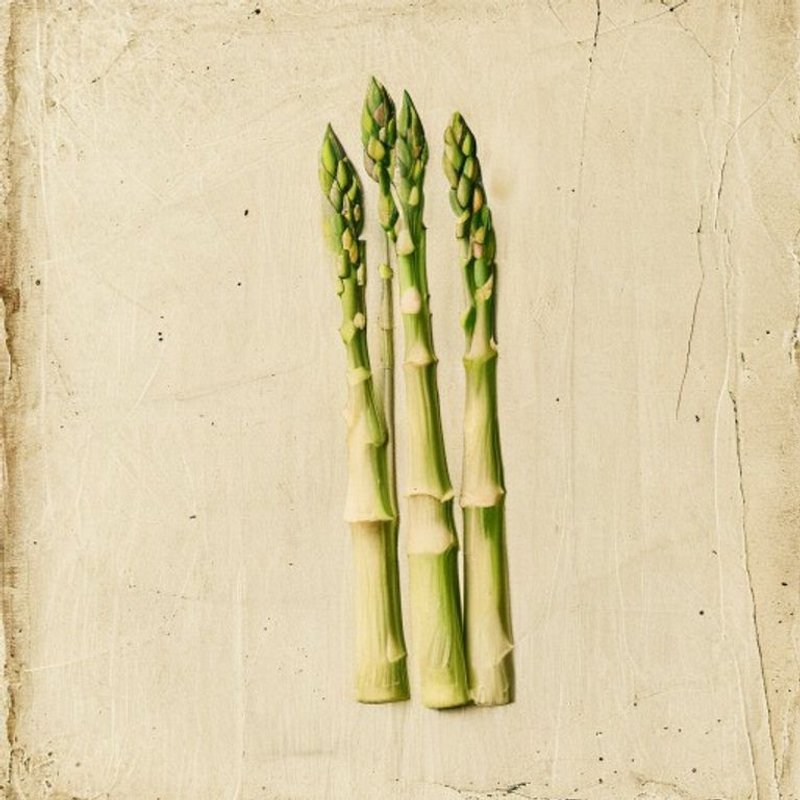
Pl. 5CA6 — Asparagus officinalis
Asparagus officinalisAsparagus officinalisAsparagus officinalisAsparagus officinalisAsparagus officinalisAsparagus officinalisAsparagus officinalisAsparagus officinalisAsparagus officinalisAsparagus officinalisAsparagus officinalisAsparagus officinalisAsparagus officinalisAsparagus officinalis
IOverview
Overview
Asparagus officinalis, commonly known as asparagus, is a perennial herb native to Europe and western Asia. This light-loving plant thrives in moist, well-drained soils ranging from sandy to clay, with a pH between 7 and 7.5. It can grow up to 1-1.5 meters tall and spreads to about 1 meter wide. Asparagus is known for its edible shoots and stems, which are prized for their tender texture and delicate flavor. The plant is hardy in zones 2-9 and can be propagated by transplanting crowns outside or starting seeds indoors. It requires a spacing of 12-18 inches between rows and 6-8 inches within each row to ensure proper growth and yield. While primarily cultivated for its culinary uses, asparagus also adds ornamental value to gardens with its attractive foliage and springtime spears.
Quick answers
What is Asparagus?
Asparagus officinalis, commonly known as asparagus, is a perennial herb native to Europe and western Asia. This light-loving plant thrives in moist, well-drained soils ranging from sandy to clay, with a pH between 7 and 7.5. It can grow up to 1-1.
What is Asparagus used for?
Traditionally used for digestion. Each claim is evidence-rated — see Section II for full citations.
Best for
Top 1 evidence-ranked use of Asparagus
Clinicaluses · safety · chemistry · dosagemedicinal profile
IIBenefits & evidence
1 claim · 0 sources
Benefits & evidence
1 claim · 0 sources- Traditionally used for occasional indigestion, as an adjunct in digestive support, the shoots of Asparagus officinalis are prepared as a tea infusion (ESCOP Monograph).
Mechanism not fully characterised in modern literature; traditional attribution predates chemistry. Contains iridoid glycosides typical for the Asparagaceae family.
IV·bMixology suggestions
1 draft
Mixology suggestions
1 draftEditorial drafts. These pairings are AI-suggested from traditional herbal lore. Always verify with a qualified herbalist before brewing.
Digestive Harmony
digestiontincture
Traditional use for digestive support.
Growingconditions · propagation · uses
VCultivation
Cultivation
Asparagus prefers full sun and grows well in light (sandy), medium, or heavy (clay) soils with a pH of 7 to 7.5. It thrives in moist conditions but requires good drainage to prevent root rot. Hardy from zones 2-9, asparagus is a perennial that can reach heights of 1-1.5 meters and spread up to 1 meter wide. For cultivation, transplant crowns outside or start seeds indoors. Space rows about 12-18 inches apart, with plants in each row spaced 6–8 inches apart. Harvest shoots for culinary use. Skip if hardiness zones are not within your region.
Light
6/10
Water
Moist
Soil
Light (sandy), Medium, Heavy (clay)
Hardiness
2-9
Life cycle
Perennial
Habit
Forb/herb
Mature size
1-1.5m m × 1 m
Soil pH
7–7.5
- Propagation
- Transplant crowns outside, or start seeds indoors
- Sow indoors
- 16 weeks before last frost date
- Germination
- 2-8 weeks
- Spacing
- 12-18 inches rows, 6–8inches in row
- Row spacing
- 30 cm
For first-time growers
How to grow Asparagus for the first time
8steps
Start with easy-to-grow asparagus crowns for a beginner-friendly gardening project.
- 1
What you'll need
Asparagus crowns, garden soil, compost, mulch, and a trowel.
- 2
Best time to plant
Plant in early spring or late fall when the ground is workable but not too wet.
- 3
Soil and container prep
Ensure your soil is well-draining, light to medium texture, with a pH between 7 and 7.5. Amend with compost if needed.
- 4
Sowing or transplanting
Transplant crowns outside after the last frost, spacing them 12-18 inches apart in rows, with 6–8 inches between plants in each row.
- 5
First two weeks
Water regularly to keep soil moist but not waterlogged. Mulch around plants to retain moisture and suppress weeds.
- 6
Ongoing care
Fertilize lightly with compost every spring, and continue regular watering. Keep the area weed-free to prevent competition for nutrients.
- 7
Harvest or pruning
Wait 3 years after planting before harvesting. In subsequent years, harvest spears when they are about 5-7 inches tall.
- 8
Common mistakes
Planting too early in spring, overwatering, not providing enough space between plants, and harvesting too soon.
VIEdible & utility
Edible & utility
Edible parts:ShootsStem
Edible uses: Coffee
Other uses:Pest control
Contextrange · companions · related
VIIDistribution
30 native · 0 introduced
Distribution
30 native · 0 introducedDistribution across2 continents· 30 native
Europe13 regions
native (13)AlbaniaAustriaBelarusBulgariaFranceGermanyGreeceHungaryItalyPolandRussiaSwitzerlandUkraine
Asia5 regions
native (5)IranKazakhstanMongoliaPakistanTurkey
Broader regions
native:Europe, Western asia, Altay, Czechoslovakia, Krasnoyarsk, Lebanon-Syria, Transcaucasus
VIIIGarden companions
17 pairs
Garden companions
17 pairsPlant near these
These plants help — by repelling pests, fixing nitrogen, attracting pollinators, or sharing space well.
Basil
Ocimum basilicum
Pest repellent
Basil is traditionally paired with asparagus and tomatoes in warm beds.
Parsley
Petroselinum crispum
Pollinator-friendly
Parsley attracts beneficial insects in asparagus beds.
Borage
Borago officinalis
Pollinator-friendly
Lower-confidence guild pairing: insectary flowers support pollinators, hoverflies, and parasitic wasps around mixed vegetable beds.
Pot marigold
Calendula officinalis
Pollinator-friendly
Lower-confidence guild pairing: insectary flowers support pollinators, hoverflies, and parasitic wasps around mixed vegetable beds.
Fagopyrum esculentum
Fagopyrum esculentum
Pollinator-friendly
Lower-confidence guild pairing: insectary flowers support pollinators, hoverflies, and parasitic wasps around mixed vegetable beds.
Yarrow
Achillea millefolium
Pollinator-friendly
Lower-confidence guild pairing: insectary flowers support pollinators, hoverflies, and parasitic wasps around mixed vegetable beds.
Anise Hyssop
Agastache foeniculum
Pollinator-friendly
Lower-confidence guild pairing: insectary flowers support pollinators, hoverflies, and parasitic wasps around mixed vegetable beds.
Artemisia dracunculus
Artemisia dracunculus
Pest repellent
Lower-confidence guild pairing: aromatic foliage can confuse pests in dense polyculture beds when spacing and airflow are maintained.
Garlic
Allium sativum
Pest repellent
Lower-confidence guild pairing: aromatic foliage can confuse pests in dense polyculture beds when spacing and airflow are maintained.
Chives
Allium schoenoprasum
Pest repellent
Lower-confidence guild pairing: aromatic foliage can confuse pests in dense polyculture beds when spacing and airflow are maintained.
Hyssop
Hyssopus officinalis
Pest repellent
Lower-confidence guild pairing: aromatic foliage can confuse pests in dense polyculture beds when spacing and airflow are maintained.
White Clover
Trifolium repens
Living mulch
Lower-confidence guild pairing: low ground covers protect soil, reduce bare patches, and can be cut back if they compete.
Radish
Raphanus sativus
Trap crop
Lower-confidence guild pairing: trap crops can draw aphids or flea beetles away from the main crop when monitored and removed if overloaded.
Nasturtium
Tropaeolum majus
Trap crop
Lower-confidence guild pairing: trap crops can draw aphids or flea beetles away from the main crop when monitored and removed if overloaded.
Tomato
Solanum lycopersicum
Pest repellent
Asparagus deters root-knot nematode; tomato deters asparagus beetle.
Keep away from these
Avoid planting nearby — competition, allelopathy, or shared pests/diseases.
IXSpecimen gallery
1 image
Specimen gallery
1 imageXSee also
8 related
See also
8 relatedPlants you might compare or use together — scored by shared family, common use cases, and growing requirements.
shared use cases
Different families, similar therapeutic role — good for comparing.

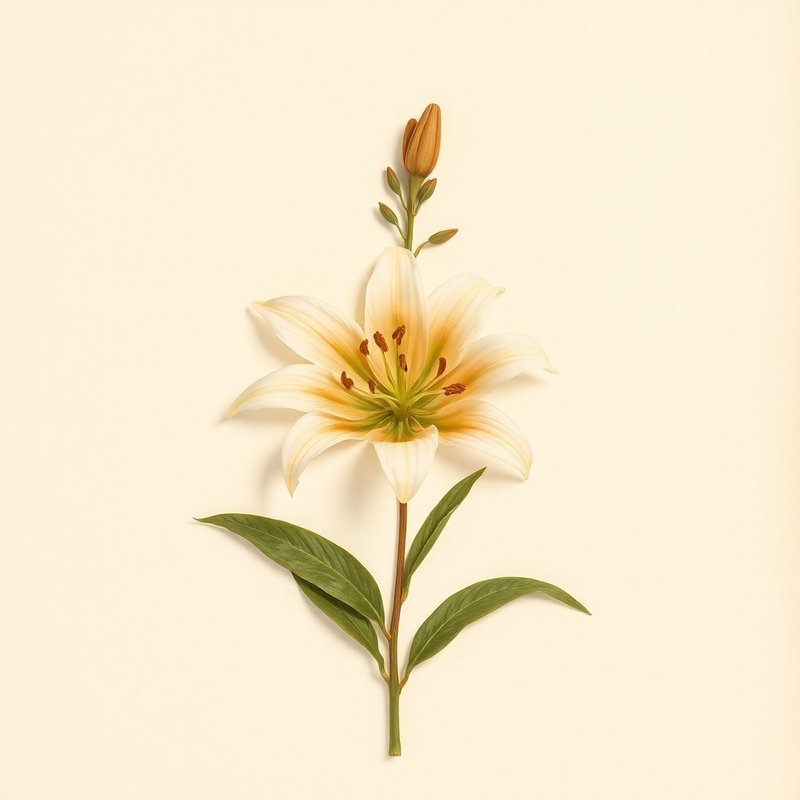
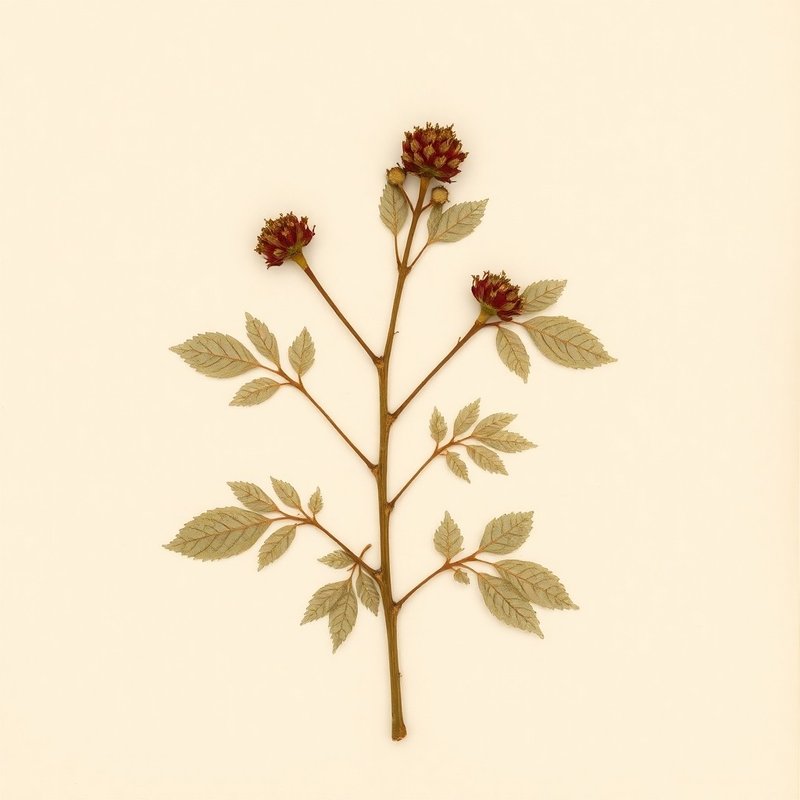
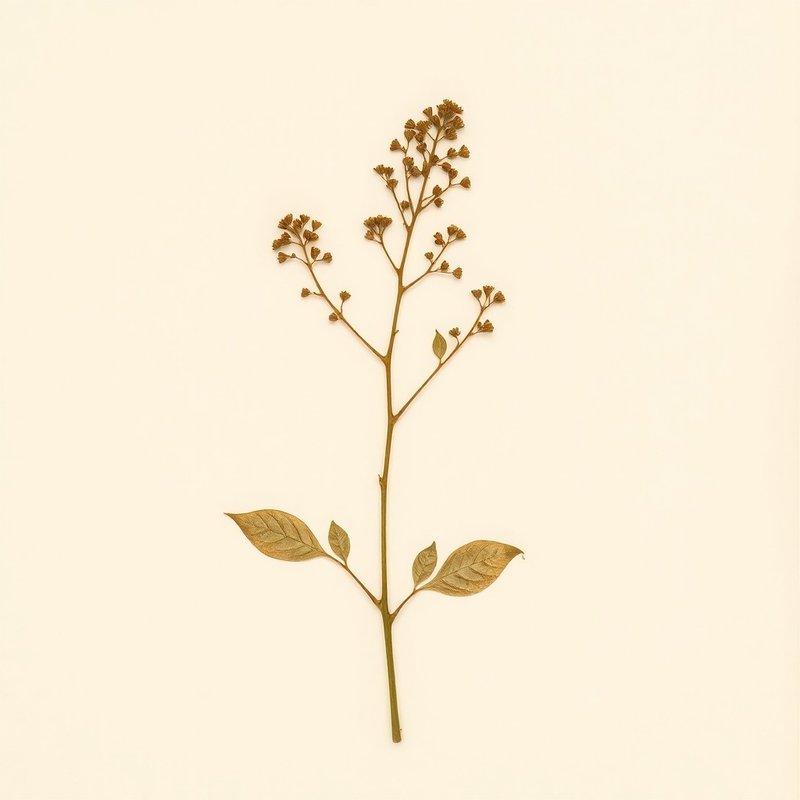
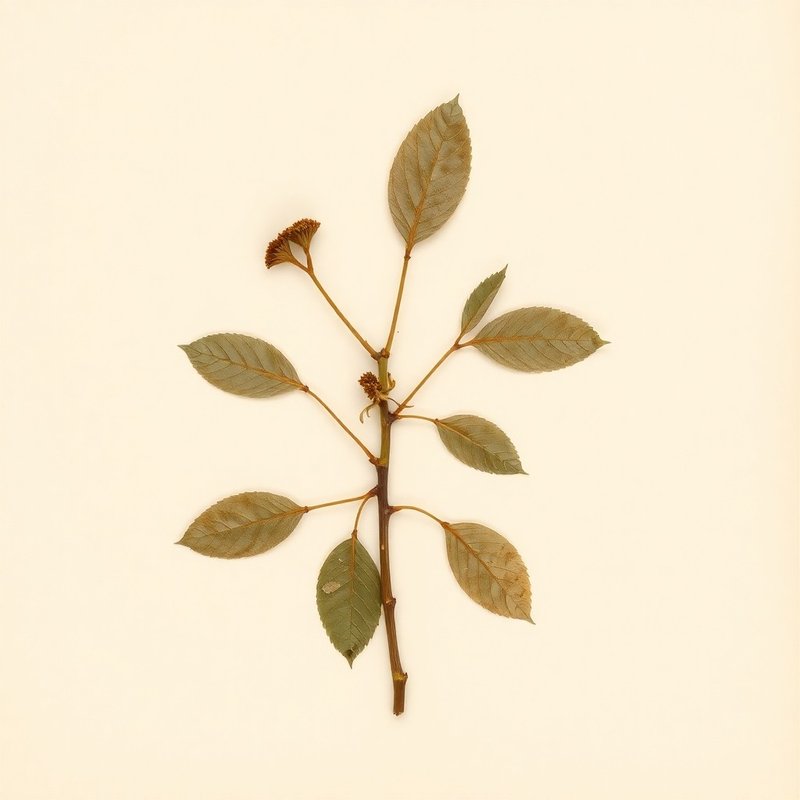
XI
Explore further
Companion planting
Health goals
Compare with similar plants
Growing zone
XII
About this entry
- Last updated
- Citation
- How to cite this entry · Submit a correction
Back to the cataloguePlant id · 5ca6fe6c-8940-4410-8023-13f603663dae
Decision aid
Choosing between Asparagus and something else?
Continue reading
❦❦❦❦
Endpaper · archive updates
Get archive updates
Occasional email when substantial new content lands — plant profiles, seasonal growing notes, folk-remedy additions. Free, no tracking, unsubscribe anytime.