
Cress
Lepidium sativum
Educational content — not medical, botanical, or professional advice. Plant identification, safety, and edibility depend on local conditions, cultivars, and correct identification. Consult a qualified botanist or forager before consuming or handling wild specimens. How we source & review →
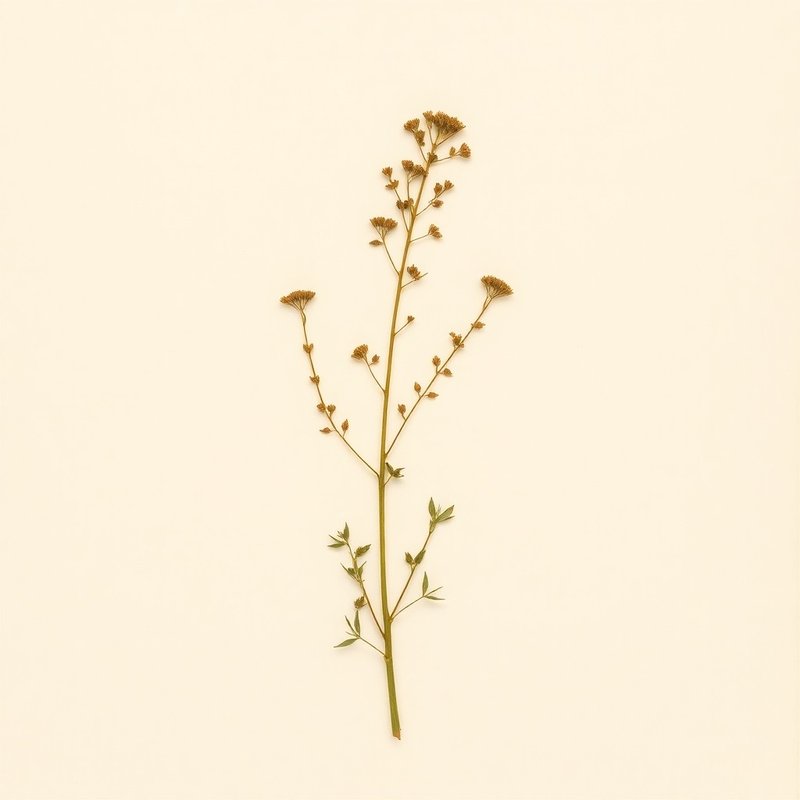
Pl. 2358 — Lepidium sativum
Lepidium sativumLepidium sativumLepidium sativumLepidium sativumLepidium sativumLepidium sativumLepidium sativumLepidium sativumLepidium sativumLepidium sativumLepidium sativumLepidium sativumLepidium sativumLepidium sativum
IOverview
Overview
Cress (Lepidium sativum) is an annual forb or herb native to regions including Afghanistan, Austria, Belarus, Belgium, Bulgaria, and parts of Eastern Europe. It has been cultivated for its edible leaves and shoots in many countries such as France, Italy, Greece, and Turkey. Cress thrives in moist conditions with a preference for light (sandy), medium, and heavy (clay) soils, with an optimal pH range of 7.5–8. Known for its light and airy nature, this plant can grow up to 0.5 meters tall and is hardy in zones 6-9. Its distinctive feature lies in its ability to adapt to various soil types while providing a fresh, edible green that adds zest to salads and other dishes.
Quick answers
What is Cress?
Cress (Lepidium sativum) is an annual forb or herb native to regions including Afghanistan, Austria, Belarus, Belgium, Bulgaria, and parts of Eastern Europe. It has been cultivated for its edible leaves and shoots in many countries such as France, Italy, Greece, and Turkey.
Growingconditions · propagation · uses
VCultivation
Cultivation
Cress thrives in light to moderately shaded areas and prefers moist, well-draining soil that is light (sandy), medium, or heavy (clay). It grows best with a soil pH of 7.5–8. Hardy from zones 6-9, cress can be propagated by sowing seeds directly into the garden bed in spring or fall. The plant reaches a height of about 0.5 meters and is an annual forb/herb that produces edible leaves and shoots.
Light
9/10
Water
Moist
Soil
Light (sandy), Medium, Heavy (clay)
Hardiness
6-9
Life cycle
Annual
Habit
Forb/herb
Mature size
0.5 m tall
Soil pH
7.5–8
For first-time growers
How to grow Cress for the first time
8steps
Start with easy-to-grow cress for a simple gardening experience.
- 1
What you'll need
Seeds, small pots or garden bed, potting soil.
- 2
Best time to plant
Plant in spring and fall when temperatures are mild.
- 3
Soil and container prep
Use well-draining soil with a pH of 7.5–8. Ensure containers have drainage holes.
- 4
Sowing or transplanting
Direct sow seeds 1/4 inch deep, spacing them about an inch apart. Thin to 2-3 inches as they grow.
- 5
First two weeks
Keep soil consistently moist and provide partial shade during hot days.
- 6
Ongoing care
Water regularly, keeping the soil slightly moist but not waterlogged. Fertilize lightly every few weeks.
- 7
Harvest or pruning
Snip outer leaves as needed to encourage new growth and prevent bolting.
- 8
Common mistakes
Overwatering, planting in heavy clay soil, neglecting to thin seedlings.
VIEdible & utility
Edible & utility
Edible parts:LeavesShoots
Edible uses: Oil, Condiment
Other uses:oil
Contextrange · companions · related
VIIDistribution
30 native · 0 introduced
Distribution
30 native · 0 introducedDistribution across3 continents· 30 native
Europe11 regions
native (11)BelarusBelgiumBulgariaFranceGreeceItalyNetherlandsPortugalRomaniaRussiaUkraine
Asia7 regions
native (7)IranIraqKuwaitOmanPakistanPalestineSaudi Arabia
Africa1 region
native (1)Egypt
Broader regions
native:Sinai, Kriti, Gulf States, Lebanon-Syria, Lesser Sunda Is., Czechoslovakia
VIIIGarden companions
13 pairs
Garden companions
13 pairsPlant near these
These plants help — by repelling pests, fixing nitrogen, attracting pollinators, or sharing space well.
Yarrow
Achillea millefolium
Pollinator-friendly
Lower-confidence guild pairing: insectary flowers support pollinators, hoverflies, and parasitic wasps around mixed vegetable beds.
Anise Hyssop
Agastache foeniculum
Pollinator-friendly
Lower-confidence guild pairing: insectary flowers support pollinators, hoverflies, and parasitic wasps around mixed vegetable beds.
Borage
Borago officinalis
Pollinator-friendly
Lower-confidence guild pairing: insectary flowers support pollinators, hoverflies, and parasitic wasps around mixed vegetable beds.
Pot marigold
Calendula officinalis
Pollinator-friendly
Lower-confidence guild pairing: insectary flowers support pollinators, hoverflies, and parasitic wasps around mixed vegetable beds.
Fagopyrum esculentum
Fagopyrum esculentum
Pollinator-friendly
Lower-confidence guild pairing: insectary flowers support pollinators, hoverflies, and parasitic wasps around mixed vegetable beds.
Garlic
Allium sativum
Pest repellent
Lower-confidence guild pairing: aromatic foliage can confuse pests in dense polyculture beds when spacing and airflow are maintained.
Chives
Allium schoenoprasum
Pest repellent
Lower-confidence guild pairing: aromatic foliage can confuse pests in dense polyculture beds when spacing and airflow are maintained.
Artemisia dracunculus
Artemisia dracunculus
Pest repellent
Lower-confidence guild pairing: aromatic foliage can confuse pests in dense polyculture beds when spacing and airflow are maintained.
Hyssop
Hyssopus officinalis
Pest repellent
Lower-confidence guild pairing: aromatic foliage can confuse pests in dense polyculture beds when spacing and airflow are maintained.
White Clover
Trifolium repens
Living mulch
Lower-confidence guild pairing: low ground covers protect soil, reduce bare patches, and can be cut back if they compete.
Radish
Raphanus sativus
Trap crop
Lower-confidence guild pairing: trap crops can draw aphids or flea beetles away from the main crop when monitored and removed if overloaded.
Nasturtium
Tropaeolum majus
Trap crop
Lower-confidence guild pairing: trap crops can draw aphids or flea beetles away from the main crop when monitored and removed if overloaded.
Keep away from these
Avoid planting nearby — competition, allelopathy, or shared pests/diseases.
IXSpecimen gallery
1 image
Specimen gallery
1 imageXI
Explore further
Companion planting
Growing zone
XII
About this entry
- Last updated
- Citation
- How to cite this entry · Submit a correction
Back to the cataloguePlant id · 235845d3-14b0-49af-a306-456135dc95d4
Decision aid
Choosing between Cress and something else?
Continue reading
❦❦❦❦
Endpaper · archive updates
Get archive updates
Occasional email when substantial new content lands — plant profiles, seasonal growing notes, folk-remedy additions. Free, no tracking, unsubscribe anytime.