
Daucus carota
Daucus carota
Educational content — not medical, botanical, or professional advice. Always consult a qualified clinician before using any herbal preparation — especially during pregnancy, breastfeeding, while on medication, or for children. How we source & review →

Pl. AE73 — Daucus carota
Daucus carotaDaucus carotaDaucus carotaDaucus carotaDaucus carotaDaucus carotaDaucus carotaDaucus carotaDaucus carotaDaucus carotaDaucus carotaDaucus carotaDaucus carotaDaucus carota
IOverview
Overview
Daucus carota, commonly known as wild carrot or Queen Anne's lace, is a biennial herb native to regions spanning from Afghanistan and Albania to Ukraine and Turkey. This plant thrives in light, medium, and heavy soils with a preference for moisture and a pH between 6.5 and 7. Its edible parts include the flowers and roots, making it a valuable addition to gardens and fields alike. Found across Europe, Asia, and North Africa, Daucus carota is notable for its distinctive white flower clusters that resemble lace, often featuring a single dark red or purple flower in the center—hence its alternative name, Queen Anne's lace.
Quick answers
What is Daucus carota?
Daucus carota, commonly known as wild carrot or Queen Anne's lace, is a biennial herb native to regions spanning from Afghanistan and Albania to Ukraine and Turkey. This plant thrives in light, medium, and heavy soils with a preference for moisture and a pH between 6.
What is Daucus carota used for?
Traditionally used for immune support, digestion. Each claim is evidence-rated — see Section II for full citations.
Best for
Top 2 evidence-ranked uses of Daucus carota
Clinicaluses · safety · chemistry · dosagemedicinal profile
IIBenefits & evidence
2 claims · 0 sources
Benefits & evidence
2 claims · 0 sources- Daucus carota is traditionally used to support the immune system, particularly during seasonal changes when colds and flu are more prevalent. A tea made from the root can be consumed regularly for this purpose.
The mechanism by which Daucus carota supports immunity is not fully characterised but may involve antioxidant compounds that help protect against oxidative stress and support immune function.
- Daucus carota has been traditionally used in European herbal medicine to support digestive health, particularly for alleviating bloating and indigestion. A decoction of the root is commonly prepared and consumed after meals.
The mechanism by which Daucus carota supports digestion is not fully characterised but may involve compounds that aid in reducing gas and promoting gastrointestinal motility.
IV·bMixology suggestions
1 draft
Mixology suggestions
1 draftEditorial drafts. These pairings are AI-suggested from traditional herbal lore. Always verify with a qualified herbalist before brewing.
Daucus carota support blend
generaltea
AI returned a direct ingredient list; normalized into one draft blend for editorial review.
Growingconditions · propagation · uses
VCultivation
Cultivation
Daucus carota thrives in light to medium soil types and prefers a pH between 6.5 and 7. It is hardy in temperate regions with zones ranging from 4-8. This biennial plant grows up to 0.6 meters tall and requires moist conditions, making it suitable for areas with adequate rainfall or regular watering. For best results, sow seeds directly into the garden bed in early spring or late summer. Ensure the soil is well-draining but not too heavy, as Daucus carota prefers light (sandy), medium, or heavy (clay) soils. Provide ample sunlight and water regularly to support its growth, especially during the flowering stage when edible parts are harvested.
Light
8/10
Water
Moist
Soil
Light (sandy), Medium, Heavy (clay)
Hardiness
4-8
Life cycle
Biennial
Habit
Forb/herb
Mature size
0.6 m tall
Soil pH
6.5–7
For first-time growers
How to grow Daucus carota for the first time
8steps
Start with easy-to-grow Daucus carota as a beginner, focusing on basic care.
- 1
What you'll need
Seeds or seedlings, a garden plot or large container, soil, water.
- 2
Best time to plant
Plant in spring after the last frost or in late summer for fall harvest.
- 3
Soil and container prep
Choose a location with well-draining soil that is light (sandy), medium, or heavy. Ensure containers are at least 15 cm deep.
- 4
Sowing or transplanting
Direct sow seeds 0.5-1 cm deep and 23 cm apart in rows 60 cm apart. Transplant seedlings when they have two sets of true leaves.
- 5
First two weeks
Keep soil consistently moist, watering deeply once a week or more often if the weather is hot.
- 6
Ongoing care
Water regularly to maintain moisture levels. Mulch around plants to retain water and suppress weeds.
- 7
Harvest or pruning
Prune dead foliage to encourage new growth and prevent disease. Harvest roots when they are 2-3 cm in diameter, usually after the second year.
- 8
Common mistakes
Overwatering, planting too deep, neglecting to mulch, not removing dead leaves.
VIEdible & utility
Edible & utility
Edible parts:FlowersRoot
Edible uses: Coffee, Condiment
Other uses:CosmeticEssential OilDynamic accumulatorFragrance
Contextrange · companions · related
VIIDistribution
30 native · 0 introduced
Distribution
30 native · 0 introducedDistribution across3 continents· 30 native
Europe17 regions
native (17)AlbaniaAustriaBelarusBelgiumBulgariaCyprusDenmarkFranceGermanyGreeceHungaryIrelandItalyPortugalRussiaSpainUnited Kingdom
Asia3 regions
native (3)ChinaIranIraq
Africa4 regions
native (4)AlgeriaCabo VerdeEritreaEthiopia
Broader regions
native:Baltic States, Czechoslovakia, East Aegean Is.
VIIIGarden companions
25 pairs
Garden companions
25 pairsPlant near these
These plants help — by repelling pests, fixing nitrogen, attracting pollinators, or sharing space well.
Allium porrum
Allium porrum
Pest repellent
Leeks and carrots confuse each other's specialist flies.
Allium cepa
Allium cepa
Pest repellent
Onion deters carrot fly; carrot deters onion fly.
Coriandrum sativum
Coriandrum sativum
Pollinator-friendly
Flowering coriander attracts hoverflies and small parasitic wasps.
Lactuca sativa
Lactuca sativa
Ground cover
Lettuce shades shallow carrot soil while carrots occupy deeper root space.
Borage
Borago officinalis
Pollinator-friendly
Lower-confidence guild pairing: insectary flowers support pollinators, hoverflies, and parasitic wasps around mixed vegetable beds.
Yarrow
Achillea millefolium
Pollinator-friendly
Lower-confidence guild pairing: insectary flowers support pollinators, hoverflies, and parasitic wasps around mixed vegetable beds.
Anise Hyssop
Agastache foeniculum
Pollinator-friendly
Lower-confidence guild pairing: insectary flowers support pollinators, hoverflies, and parasitic wasps around mixed vegetable beds.
Pot marigold
Calendula officinalis
Pollinator-friendly
Lower-confidence guild pairing: insectary flowers support pollinators, hoverflies, and parasitic wasps around mixed vegetable beds.
Fagopyrum esculentum
Fagopyrum esculentum
Pollinator-friendly
Lower-confidence guild pairing: insectary flowers support pollinators, hoverflies, and parasitic wasps around mixed vegetable beds.
Artemisia dracunculus
Artemisia dracunculus
Pest repellent
Lower-confidence guild pairing: aromatic foliage can confuse pests in dense polyculture beds when spacing and airflow are maintained.
Garlic
Allium sativum
Pest repellent
Lower-confidence guild pairing: aromatic foliage can confuse pests in dense polyculture beds when spacing and airflow are maintained.
Hyssop
Hyssopus officinalis
Pest repellent
Lower-confidence guild pairing: aromatic foliage can confuse pests in dense polyculture beds when spacing and airflow are maintained.
Chives
Allium schoenoprasum
Pest repellent
Lower-confidence guild pairing: aromatic foliage can confuse pests in dense polyculture beds when spacing and airflow are maintained.
White Clover
Trifolium repens
Living mulch
Lower-confidence guild pairing: low ground covers protect soil, reduce bare patches, and can be cut back if they compete.
Radish
Raphanus sativus
Trap crop
Lower-confidence guild pairing: trap crops can draw aphids or flea beetles away from the main crop when monitored and removed if overloaded.
Nasturtium
Tropaeolum majus
Trap crop
Lower-confidence guild pairing: trap crops can draw aphids or flea beetles away from the main crop when monitored and removed if overloaded.
Pea
Pisum sativum
Nitrogen fixer
Keep away from these
Avoid planting nearby — competition, allelopathy, or shared pests/diseases.
Aniseedy celery
Anethum graveolens
Resource competitor
Dill, while a brassica friend, can cross-pollinate and stunt carrots.
Fennel
Foeniculum vulgare
Resource competitorAllelopathic
Fennel is an aggressive Apiaceae neighbour and is best grown apart from carrots.
Spearmint
Mentha spicata
Resource competitor
Management warning: vigorous spreaders or allelopathic plants are best isolated from productive beds unless contained.
Jerusalem artichoke
Helianthus tuberosus
Resource competitor
Management warning: vigorous spreaders or allelopathic plants are best isolated from productive beds unless contained.
IXSpecimen gallery
1 image
Specimen gallery
1 imageXSee also
8 related
See also
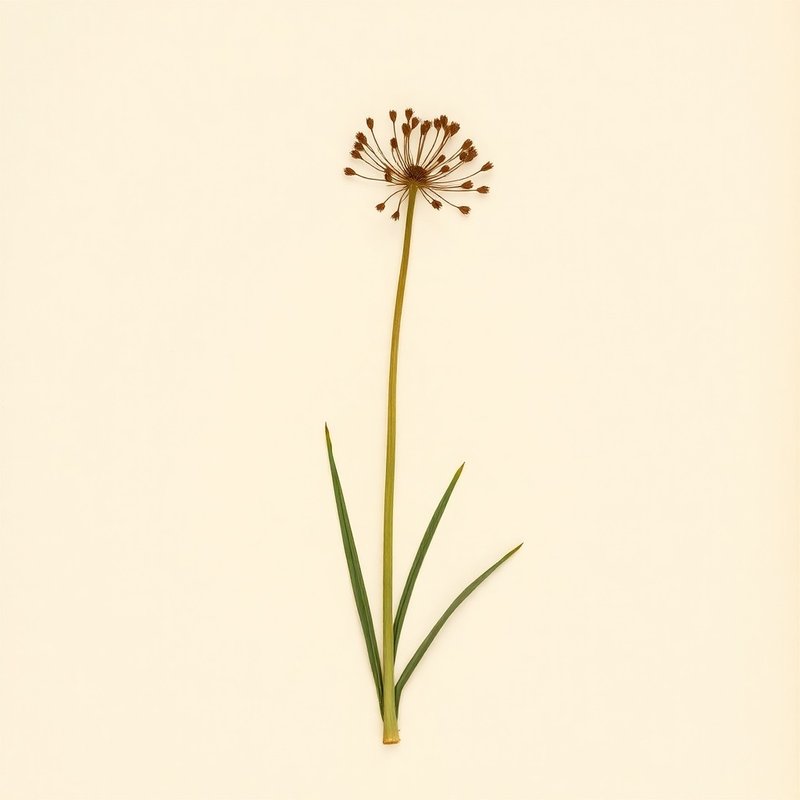
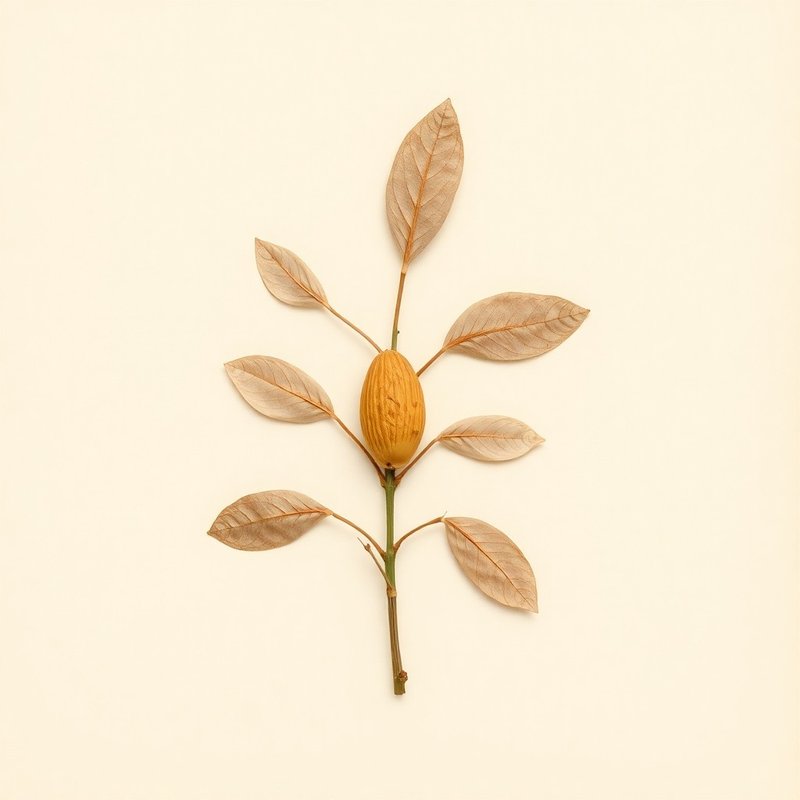
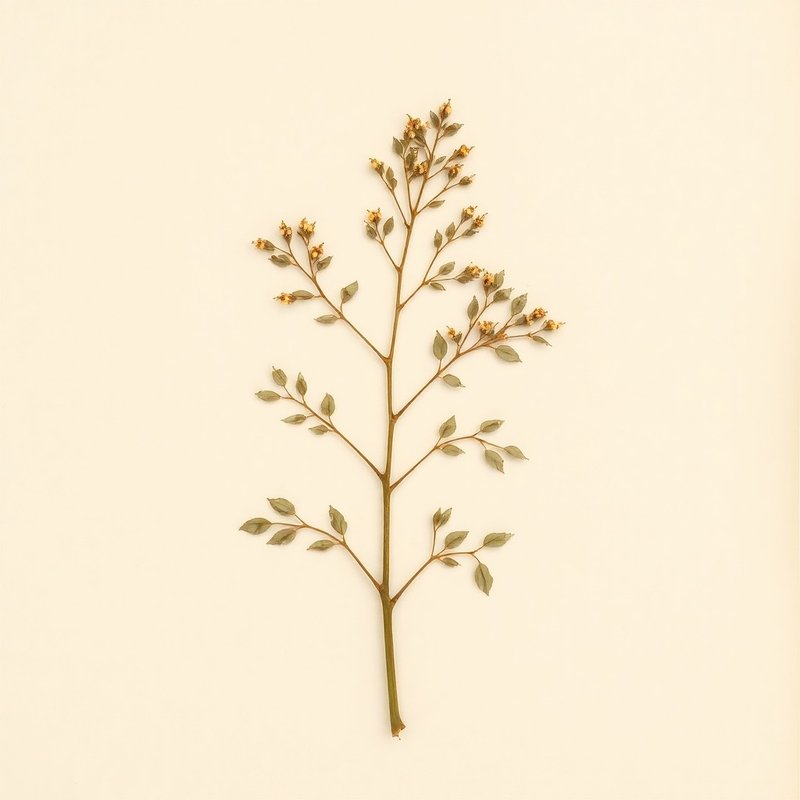
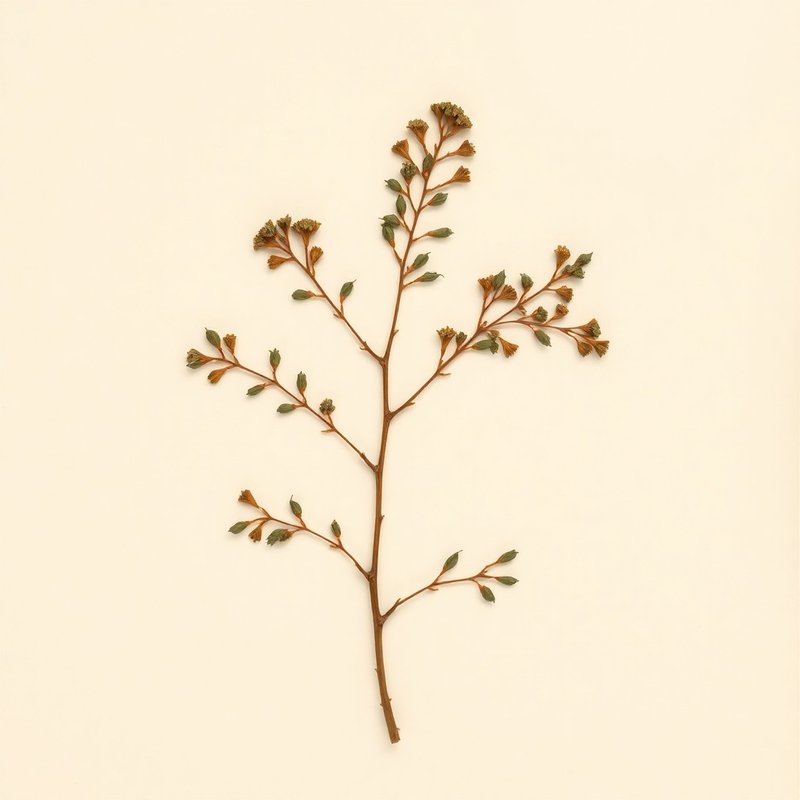
8 relatedPlants you might compare or use together — scored by shared family, common use cases, and growing requirements.
shared use cases
Different families, similar therapeutic role — good for comparing.

XI
Explore further
Companion planting
Health goals
Compare with similar plants
Growing zone
XII
About this entry
- Last updated
- Citation
- How to cite this entry · Submit a correction
Back to the cataloguePlant id · ae73788d-ef01-4961-9626-396576bfe1a6
Decision aid
Choosing between Daucus carota and something else?
Continue reading
❦❦❦❦
Endpaper · archive updates
Get archive updates
Occasional email when substantial new content lands — plant profiles, seasonal growing notes, folk-remedy additions. Free, no tracking, unsubscribe anytime.