
Chamomile
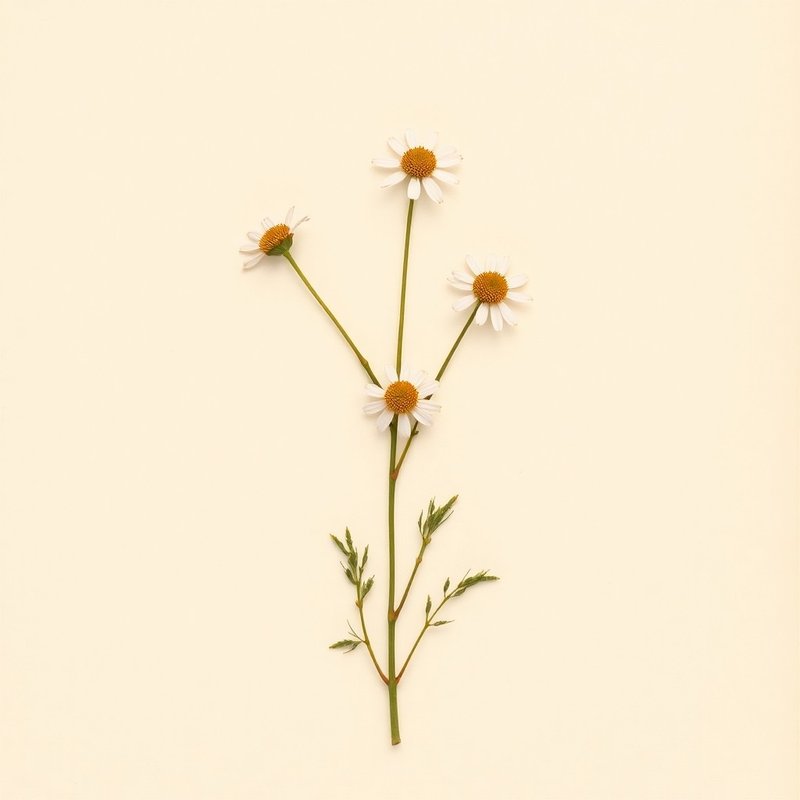
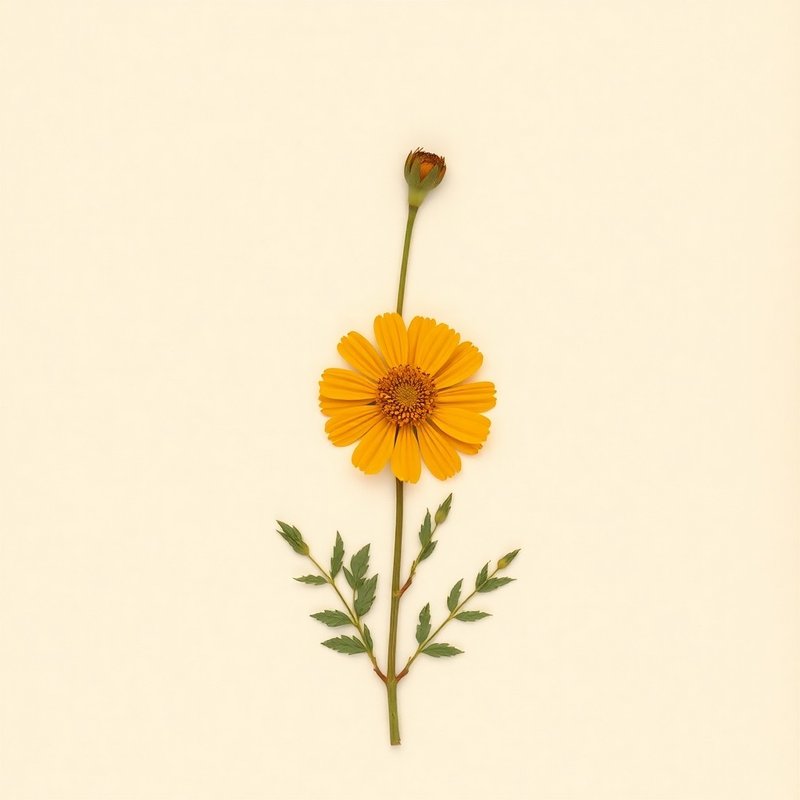
An iconic daisy-like flower used for centuries as a gentle nervine and digestive. Apigenin and bisabolol are the lead actives.
IOverview
Overview
Chamomile (Matricaria chamomilla) is a member of the Asteraceae family and is native to Europe and temperate regions of Asia, though it has been widely cultivated for centuries. The plant's adaptability allows it to thrive in various environments, making it a common sight across its native range including Afghanistan, Albania, Algeria, and parts of Europe such as Austria and Belarus. Chamomile flowers are both edible and medicinal. They can be used fresh or dried and are typically consumed as a tea by steeping the petals in hot water. The flowers can also be added raw to salads for a mild, apple-like flavor; however, cooking should be avoided as it may diminish their delicate taste. The plant's benefits extend beyond culinary use. Chamomile is known for its calming effects and has been linked with reducing moderate anxiety symptoms. It also offers mild improvement in sleep quality, particularly beneficial for elderly individuals. Additionally, chamomile can ease mild digestive complaints. Two key compounds found in chamomile, apigenin and α-bisabolol, contribute to these beneficial effects. Chamomile thrives in full to partial sunlight and prefers well-draining soil that is slightly sandy or loamy. It requires moderate watering, ensuring the soil stays consistently moist but not waterlogged. Hardy in temperate regions, it can be propagated through seeds sown directly in the garden bed or by dividing established plants.
What is Chamomile?
Chamomile (Matricaria chamomilla) is a member of the Asteraceae family and is native to Europe and temperate regions of Asia, though it has been widely cultivated for centuries.
What is Chamomile used for?
Traditionally used for stress & anxiety, better sleep, digestion. Each claim is evidence-rated — see Section II for full citations.
Is Chamomile safe?
2 documented contraindications — review Section III before use. Always consult a clinician for medical conditions, pregnancy, or medication interactions.
IIBenefits & evidence
3 claims · 4 cited sources
Benefits & evidence
3 claims · 4 cited sources- Reduces moderate anxiety symptoms
Apigenin partial agonist at GABA-A. Open-label and RCT data show clinically meaningful reduction in HAM-A scores.
- Mild improvement in sleep quality (elderly)
GABA-A binding by apigenin; small RCT in care-home residents.
- Eases mild digestive complaints
Antispasmodic via bisabolol; reduces visceral hypersensitivity in functional dyspepsia.
IICautions & contraindications
2 cautions
Cautions & contraindications
2 cautionsIIIActive compounds
2 listed
Active compounds
2 listedIVDosage
Dosage
| Form | Dose | Frequency | Duration |
|---|---|---|---|
Tincture (1:5, 45%) Moderate potency | 1.000–4.000 ml | 3× daily | Up to 56 days |
Infusion / tea Mild potency | 1.500–3.000 g / 240 ml | 1–4× daily | Up to 90 days |
Standardized capsule Moderate potency | 220.000–1100.000 mg | 1–3× daily | Up to 56 days |
IV·bMixology suggestions
2 drafts
Mixology suggestions
2 draftsVCultivation
Cultivation
How to grow Chamomile for the first time
Start with easy-to-grow chamomile for a simple gardening experience.
- 1
What you'll need
Chamomile seeds or seedlings, small pots, potting soil.
- 2
Best time to plant
Plant in spring after the last frost or in late summer for fall blooms.
- 3
Soil and container prep
Use well-draining soil. Containers should be at least 6 inches deep.
- 4
Sowing or transplanting
Direct sow seeds 1/4 inch deep, about 18 inches apart. Transplant seedlings when they have two sets of true leaves.
- 5
First two weeks
Water regularly to keep the soil moist but not waterlogged. Shield from strong sun during this period.
- 6
Ongoing care
Water weekly, reducing frequency in rainy weather. Pinch back stems for bushier growth.
- 7
Harvest or pruning
Prune after flowering to encourage new blooms and maintain plant shape.
- 8
Common mistakes
Overwatering, planting too close together, neglecting to pinch back stems.
VIEdible & utility
Edible & utility
VIIDistribution
70 native · 72 introduced
Distribution
70 native · 72 introducedVIIIGarden companions
6 pairs
Garden companions
6 pairsThese plants help — by repelling pests, fixing nitrogen, attracting pollinators, or sharing space well.
IXSpecimen gallery
1 image
Specimen gallery
1 imageXSee also
8 related
See also
8 relatedPlants you might compare or use together — scored by shared family (Asteraceae), common use cases, and growing requirements.

Explore further
About this entry
- Last updated
- Citation
- How to cite this entry · Submit a correction
Continue reading
Get archive updates
Occasional email when substantial new content lands — plant profiles, seasonal growing notes, folk-remedy additions. Free, no tracking, unsubscribe anytime.