
Origanum vulgareOriganum vulgarerepels pests
Oregano's aromatic foliage helps confuse cabbage moths in mixed plantings.
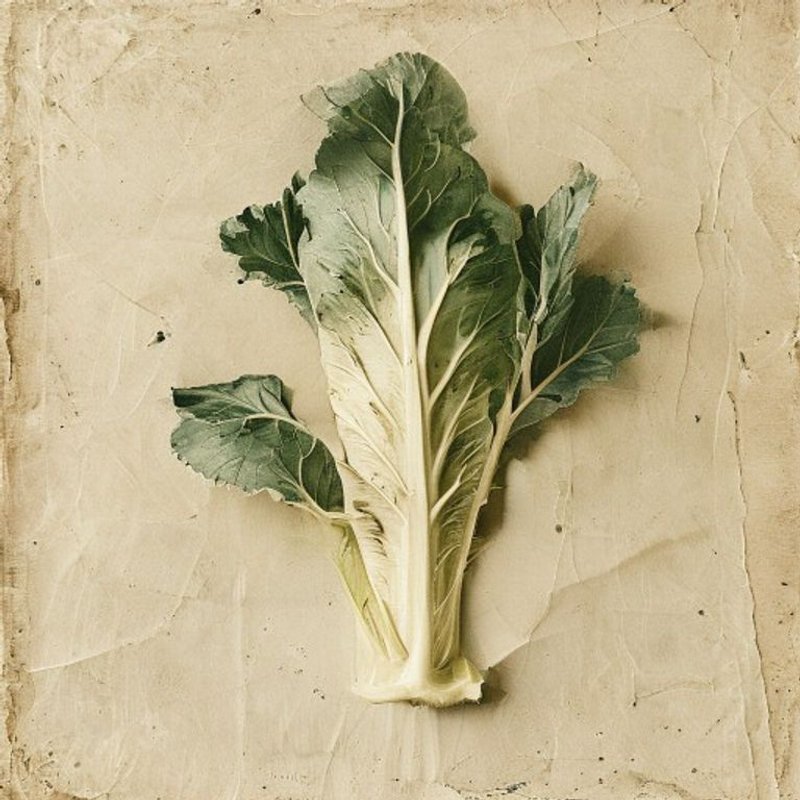
Brassica oleracea
Wild Cabbage grows best when paired with plants that repels pests, competes for resources, fixes nitrogen. We've catalogued 26 beneficial companions and 3 antagonists to avoid. Every pairing below cites its mechanism — pest deterrence, nitrogen fixing, allelopathy, or shared disease.
Want the full profile? See Wild Cabbage botanical profile →
Oregano's aromatic foliage helps confuse cabbage moths in mixed plantings.
Cabbage-family crops are traditionally listed as compatible with potatoes when spacing is adequate.
Summer savory is a small aromatic companion for cabbage-family crops.
Thyme deters cabbage worms.
Strong aromatics like basil, garlic, and marigold mask the olfactory cues that pests use to find their target crop.
Catmint is traditionally used to deter flea beetles and aphids; keep it managed.
Legumes pull atmospheric nitrogen into the soil through root nodules, feeding heavy-feeding neighbours like maize or brassicas.
Strong aromatics like basil, garlic, and marigold mask the olfactory cues that pests use to find their target crop.
Sage deters cabbage moth.
Calendula attracts aphids away from brassicas.
Calendula attracts aphids and beneficial insects around cabbages and kales.
Dill attracts parasitic wasps that prey on cabbage worms.
Chamomile supports small beneficial wasps and hoverflies in brassica plantings.
Mint deters cabbage moth. Keep mint in pots — invasive.
Lower-confidence guild pairing: insectary flowers support pollinators, hoverflies, and parasitic wasps around mixed vegetable beds.
Lower-confidence guild pairing: insectary flowers support pollinators, hoverflies, and parasitic wasps around mixed vegetable beds.
Lower-confidence guild pairing: insectary flowers support pollinators, hoverflies, and parasitic wasps around mixed vegetable beds.
Lower-confidence guild pairing: insectary flowers support pollinators, hoverflies, and parasitic wasps around mixed vegetable beds.
Lower-confidence guild pairing: insectary flowers support pollinators, hoverflies, and parasitic wasps around mixed vegetable beds.
Lower-confidence guild pairing: aromatic foliage can confuse pests in dense polyculture beds when spacing and airflow are maintained.
Lower-confidence guild pairing: aromatic foliage can confuse pests in dense polyculture beds when spacing and airflow are maintained.
Lower-confidence guild pairing: aromatic foliage can confuse pests in dense polyculture beds when spacing and airflow are maintained.
Lower-confidence guild pairing: aromatic foliage can confuse pests in dense polyculture beds when spacing and airflow are maintained.
Lower-confidence guild pairing: low ground covers protect soil, reduce bare patches, and can be cut back if they compete.
Lower-confidence guild pairing: trap crops can draw aphids or flea beetles away from the main crop when monitored and removed if overloaded.
Lower-confidence guild pairing: trap crops can draw aphids or flea beetles away from the main crop when monitored and removed if overloaded.
Brassicas stunt strawberries.
Heavy feeders that compete; brassicas can stunt tomato.
Management warning: fennel is traditionally grown apart because it can inhibit neighbouring crops and disrupt guild balance.
Leafy greens can share cool-season beds if fertility is maintained.
Strong aromatics like basil, garlic, and marigold mask the olfactory cues that pests use to find their target crop.
Two heavy feeders side-by-side starve each other of nitrogen, water, or light.
Legumes pull atmospheric nitrogen into the soil through root nodules, feeding heavy-feeding neighbours like maize or brassicas.
A sacrificial crop draws pests away from the main harvest.
Flowering herbs draw bees, hoverflies, and parasitic wasps — improving fruit set and biological pest control.
A low-growing perennial covers bare soil under taller crops, reducing evaporation and weed pressure.
The top companions are Origanum vulgare, Potato, Satureja hortensis. 23 more pairings are catalogued above with their mechanisms.
Avoid Strawberry, Tomato, Fennel. Reasons vary — allelopathy, shared pests, or resource competition. See the section above for each plant's specific issue.
Yes — pairing with legumes that fix atmospheric nitrogen reduces fertiliser need and improves yield. Check the "Plant near these" section above for nitrogen-fixing companions.
Aromatic companions deter many pests through scent masking and alarm pheromones. Effect varies by pest species and density — most effective as part of a polyculture, not a one-plant solution.
Some mechanisms are well-documented (legume nitrogen fixation, allelopathy in walnut and fennel, nematode suppression by marigolds). Others are traditional pairings with anecdotal support. We cite both, but mark mechanism strength where available.
Plants in the same botanical family — often share cultivation needs and pest sensitivities.
Occasional email when substantial new content lands — plant profiles, seasonal growing notes, folk-remedy additions. Free, no tracking, unsubscribe anytime.